Executive Summary: A Collaborative Mission
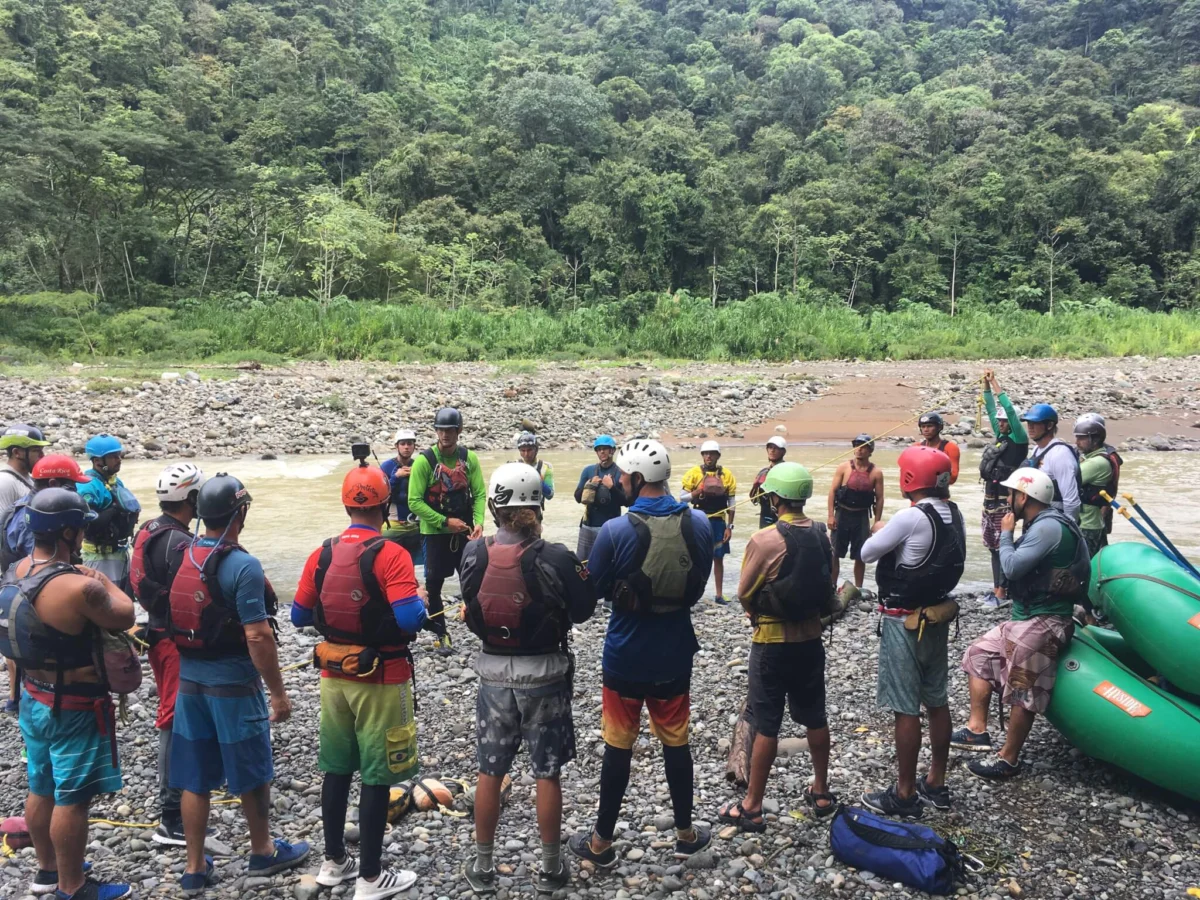
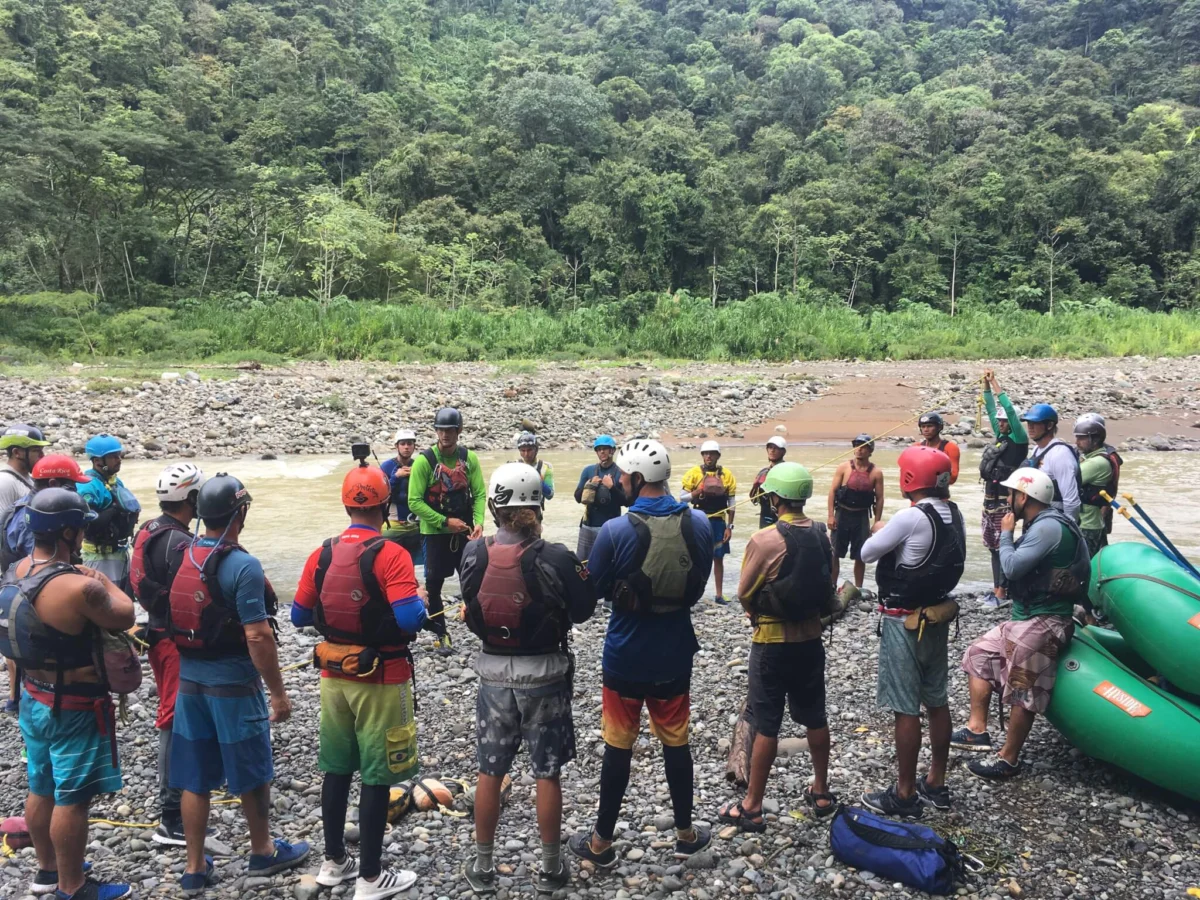
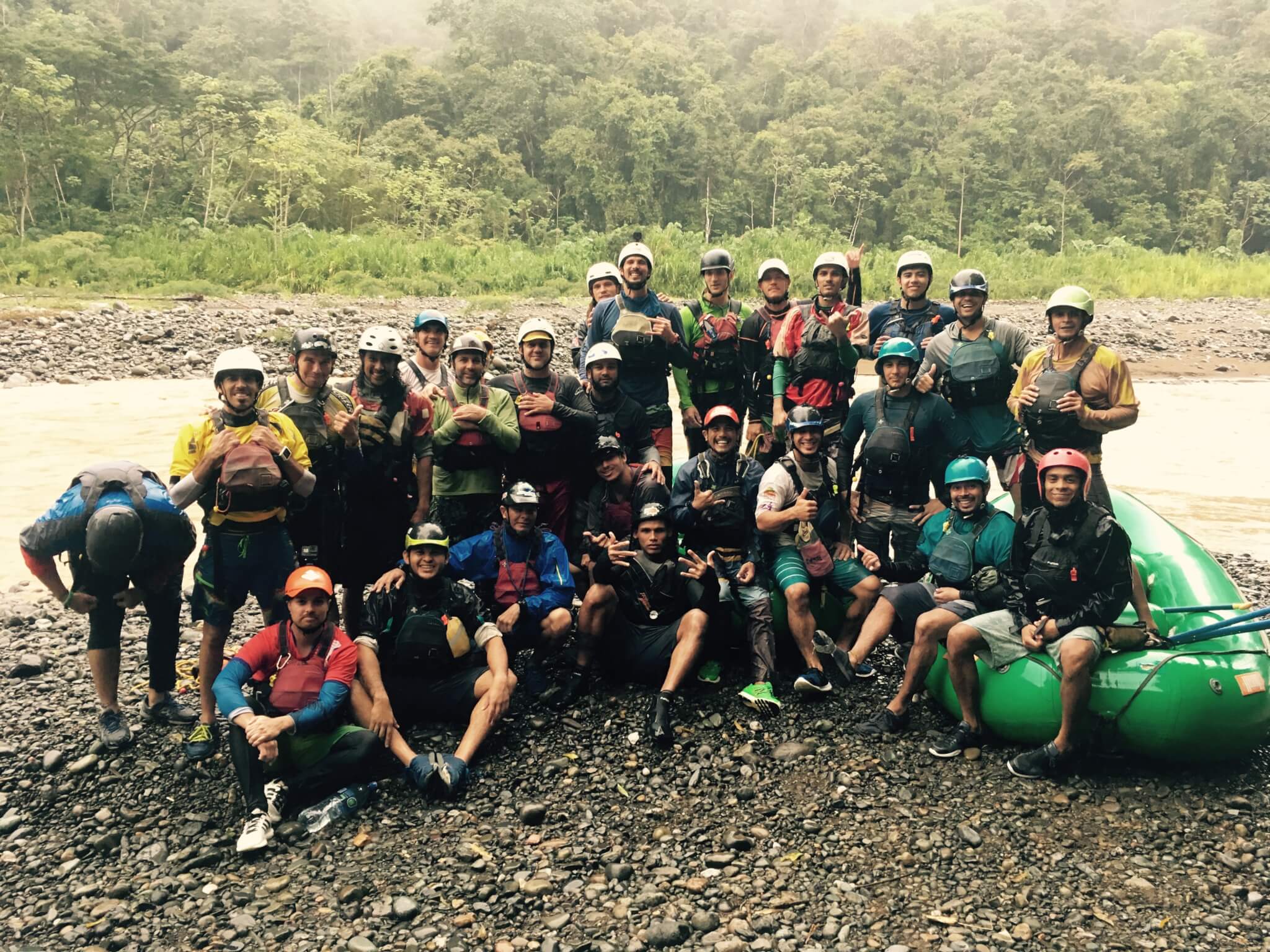
In the rugged, high-stakes environment of Costa Rica’s world-class whitewater rivers, the margin for error is razor-thin. Recently, a specialized team from the Whitewater Rescue Institute (WRI), led by veteran instructor Paul Heffernan and his colleagues, concluded an intensive, five-day swiftwater rescue certification program. The initiative brought together 50 of the nation’s most experienced professional river guides to refine emergency response protocols.
The training, which took place against the backdrop of the picturesque Rio Sevegre, focused on bridging the gap between raw river experience and structured, internationally recognized rescue operations. By tackling the logistics of remote-location communication and high-risk medical stabilization, the program underscored a fundamental truth: technical proficiency is only as effective as the organizational framework that supports it.
The Genesis of the Training: Logistics and Communication
The collaboration began with a strategic meeting in the coastal town of Quepos. Here, instructors and guides dissected the complex reality of operating in the Costa Rican wilderness. While these guides spend nearly year-round on the water, mastering the hydrology of tropical rivers, they face significant hurdles that their counterparts in more developed infrastructure hubs do not.
The Challenge of the Remote Environment
The primary obstacle identified by the WRI team was the "tyranny of distance." Many of the most popular rafting runs are located in deep canyons or remote rainforest sectors where cellular reception is non-existent and emergency medical services (EMS) are hours away.
"Communication and organization are often compromised in the heat of a rescue," Heffernan noted. "When you cannot call for backup, the guide becomes the first responder, the paramedic, and the incident commander simultaneously."
To address this, the training moved beyond traditional rope work. It integrated the Incident Command System (ICS), a standardized approach to the command, control, and coordination of emergency response. The goal was to ensure that even in the absence of outside support, the guide team could operate as a cohesive unit, assigning clear roles to ensure that no vital task—from patient stabilization to downstream safety—was overlooked.

Chronology of the Five-Day Intensive
Days 1–2: Foundations and Theoretical Frameworks
The first two days were dedicated to the "science of the river." Instructors led workshops on hydrology, risk management, and the physics of moving water. Participants reviewed the "LAST" phase progression of rescue:
- Locate: Identifying the victim’s position and status.
- Access: Reaching the victim using the lowest-risk method possible.
- Stabilize: Managing the immediate threat to life.
- Transport: Moving the patient to a secure location for medical extraction.
The curriculum reinforced the "progression of risk" hierarchy—the "Hello, Reach, Throw, Row, Tow, Go" methodology—which encourages guides to exhaust low-risk options before entering the water for a high-risk contact rescue.
Days 3–5: The Rio Sevegre Scenarios
Moving to the water, the training transitioned into the "fun but grueling" phase. The crystal-clear, warm waters of the Rio Sevegre provided a pristine classroom. Guides practiced aggressive swimming, defensive maneuvers, and the deployment of throw bags.

As the days progressed, the scenarios became increasingly complex. Instructors introduced multi-victim situations, incorporating mock injuries to test the guides’ ability to perform basic life support while managing technical rope systems. These sessions were followed by rigorous debriefs. According to the WRI team, the debriefs were the most critical part of the process, allowing guides to view their own decision-making processes through the lens of external, expert critique.
Technical Proficiency and Supporting Data
The effectiveness of a rescue system is rarely determined by the strength of the rope alone; it is determined by the speed and clarity of the decision-making process. The WRI program focused heavily on several core technical pillars:
- Mechanical Advantage: Utilizing Z-drags and tensioning systems to free pinned rafts or rescue victims trapped against obstacles.
- Medical Considerations: Integrating WFR (Wilderness First Responder) and EMT-level training into the aquatic environment.
- Scene Size-up: The discipline of pausing for "the golden minute"—taking a breath to assess risks before committing to an action.
- Containment: The establishment of upstream and downstream "safety nets" to prevent the situation from escalating.
The data gathered from these exercises suggests that even the most seasoned guides often underestimate the time required to establish a secure, multi-anchor system under stress. By practicing these knots and anchors in a controlled environment, the guides significantly reduced their "time-to-setup" metrics, a crucial factor in real-world emergencies where every second impacts a patient’s survival probability.

Professional Perspectives: The "Guide as Responder"
One of the most notable aspects of this training was the caliber of the students. Many of the 50 participants from organizations like Amigos del Rio, Pro Rafting, Unique Tours, and H2O Adventures are career professionals.
Bridging the Gap
The exchange was not one-way. While the WRI instructors brought international standards and modern rescue theories, the Costa Rican guides brought an intimate knowledge of their local river systems. This cross-pollination resulted in a nuanced discussion regarding "pre-trip briefings."
The instructors emphasized that an effective emergency plan begins long before the river is even accessed. A professional pre-trip briefing should include:

- Real-time hydrological updates.
- Clearly defined lead and sweep boat responsibilities.
- Verification of first-aid kit locations and contents.
- Designated communication relay points if a satellite phone or radio is available.
Implications for the Future of Costa Rican Rafting
The success of this training carries significant implications for the adventure tourism industry in Central America. By standardizing rescue protocols, the Costa Rican rafting community is not only increasing the safety of their clients but is also setting a regional benchmark for the industry.
A Shift Toward Prevention
The WRI team emphasized that while the training focused on "worst-case scenarios," the ultimate goal is a more preventative mindset. By learning how to perform a complex rescue, guides develop a higher level of "situational awareness." They become better at identifying the precursors to accidents—such as poor spacing between rafts, inadequate equipment checks, or failure to recognize a change in river flow—and correcting them before an incident occurs.
A Model for Global Collaboration
The coordination provided by Rafiki Safari Lodge serves as a model for how remote eco-tourism hubs can host professional training. By bringing high-level instructors to the guides, rather than expecting every guide to travel internationally for certification, the industry ensures that a larger percentage of the workforce is trained.

The inclusion of local stakeholders, such as Loki, Randall, Kenneth, and Allan, ensured that the training was tailored to the specific geographical and cultural context of the Costa Rican rivers.
Conclusion: The Pura Vida Spirit
As the training concluded, the atmosphere was one of profound professional respect. The partnership between the Whitewater Rescue Institute and the local Costa Rican guides highlighted the strength of the international river community.
In a field where the "worst-case scenario" is an ever-present possibility, preparation is the ultimate form of respect for the river and the clients. The participants left with more than just a certificate; they left with a reinforced, standardized framework for decision-making that will undoubtedly save lives in the seasons to come. As the saying goes in Costa Rica, "Pura Vida"—and in the context of swiftwater rescue, that means ensuring that the life enjoyed on the river is, above all, a safe one.