An unrelenting atmospheric furnace is currently bearing down on the Iberian Peninsula, setting the stage for what meteorologists characterize as a potentially record-shattering heatwave. As a formidable "heat dome" of high-pressure air anchors itself over Southwestern Europe, Spain and Portugal are bracing for a thermal anomaly of historic proportions. With forecasts indicating peak temperatures in the staggering 45°C to 47°C range, the region is preparing for an intense, early-summer event that threatens to push human endurance, energy grids, and local infrastructure to their absolute breaking points.
The Atmospheric Catalyst: Understanding the Heat Dome
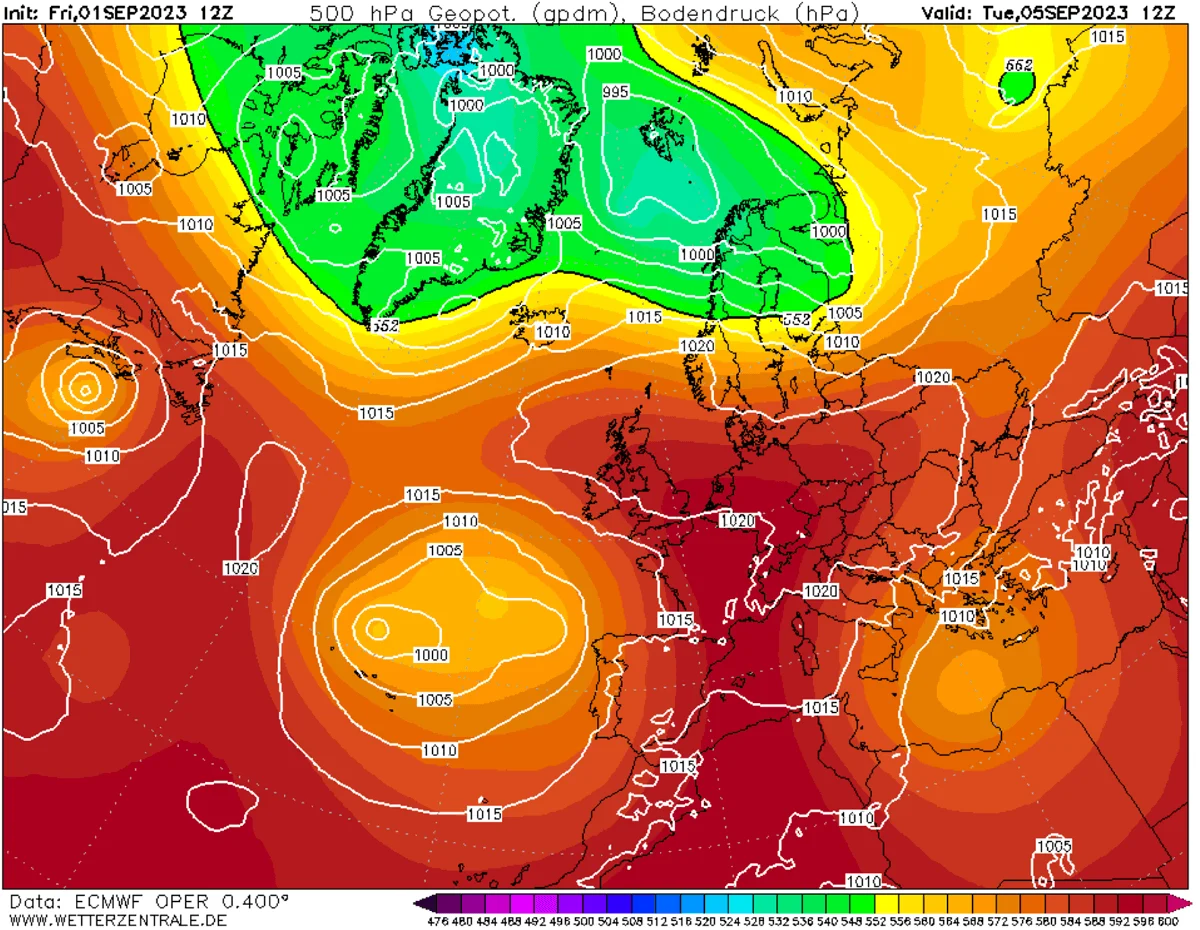
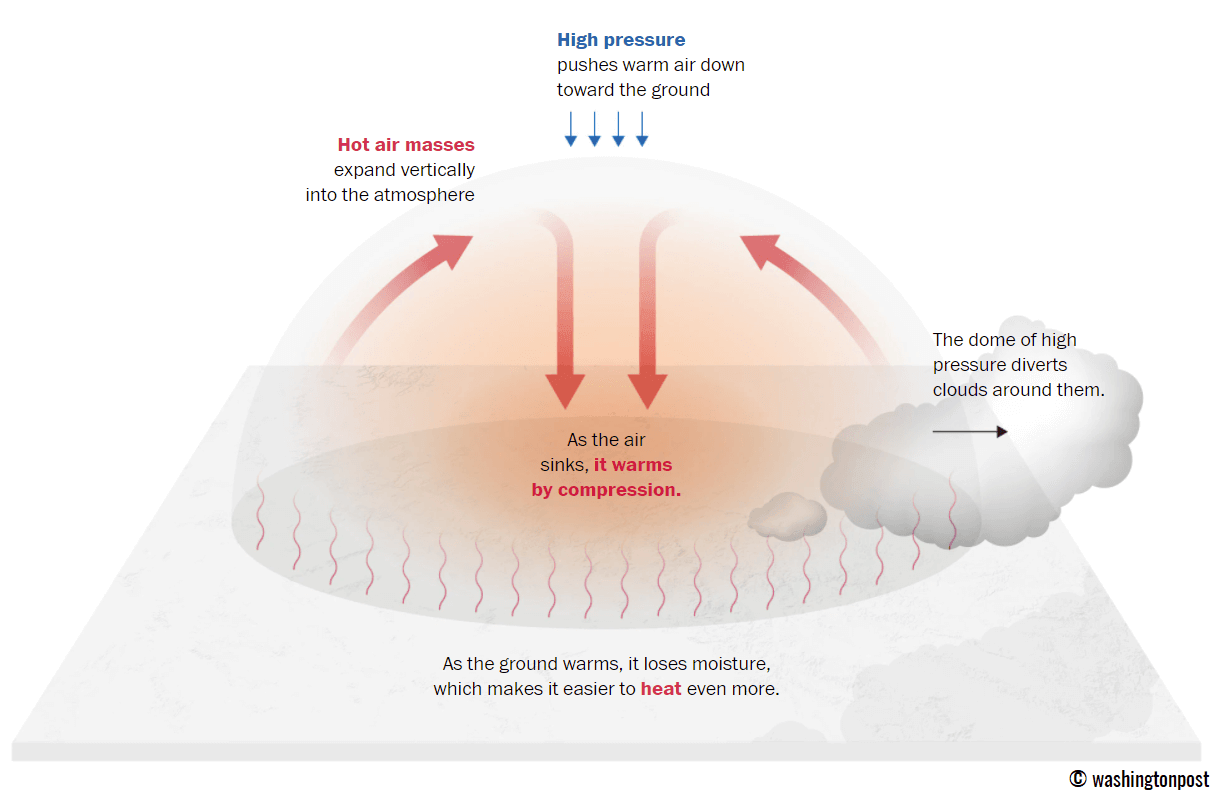
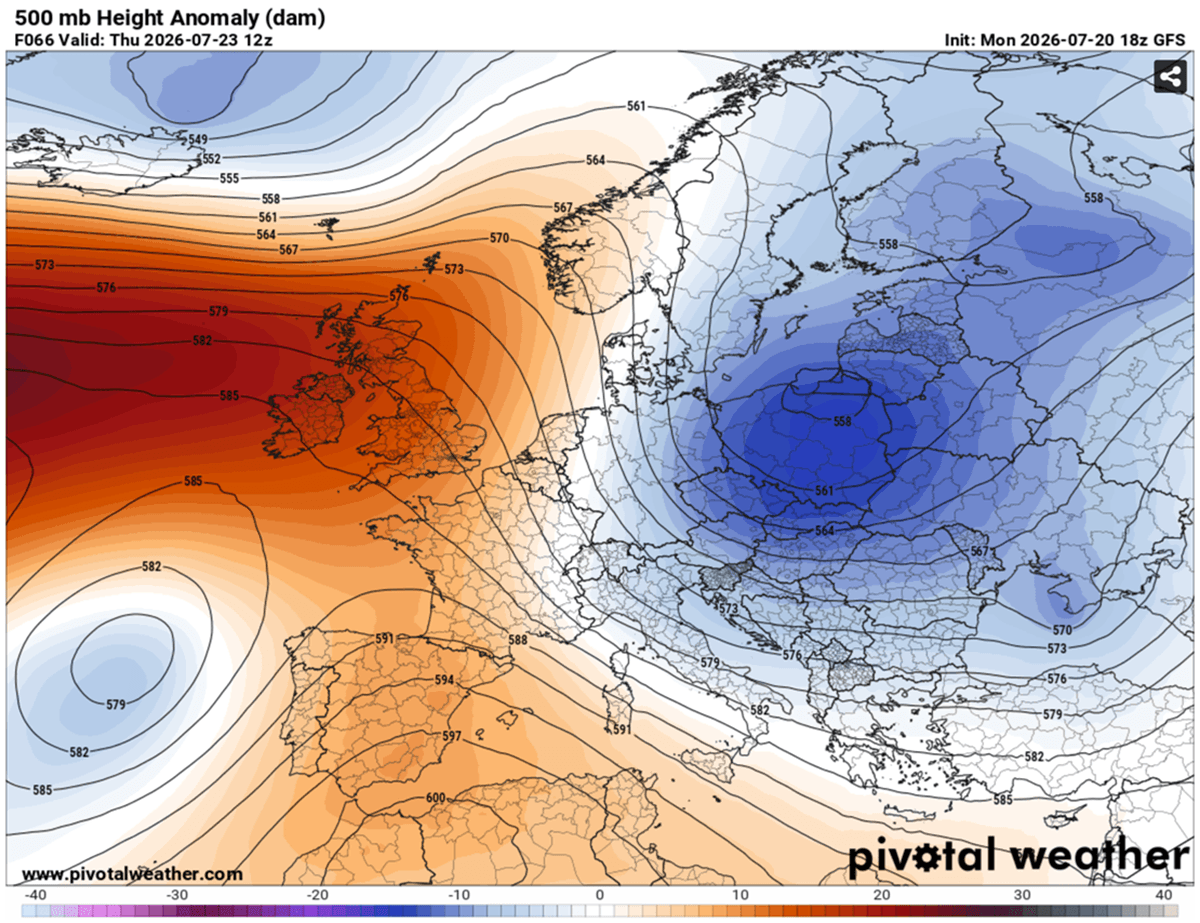
The primary driver behind this extreme event is a robust atmospheric blocking pattern—a classic "heat dome." In meteorological terms, this occurs when a massive, stubborn ridge of high pressure parks over a specific geographic area, acting as a lid on a pot. This configuration traps warm air at all levels of the atmosphere, causing it to sink and compress toward the ground.

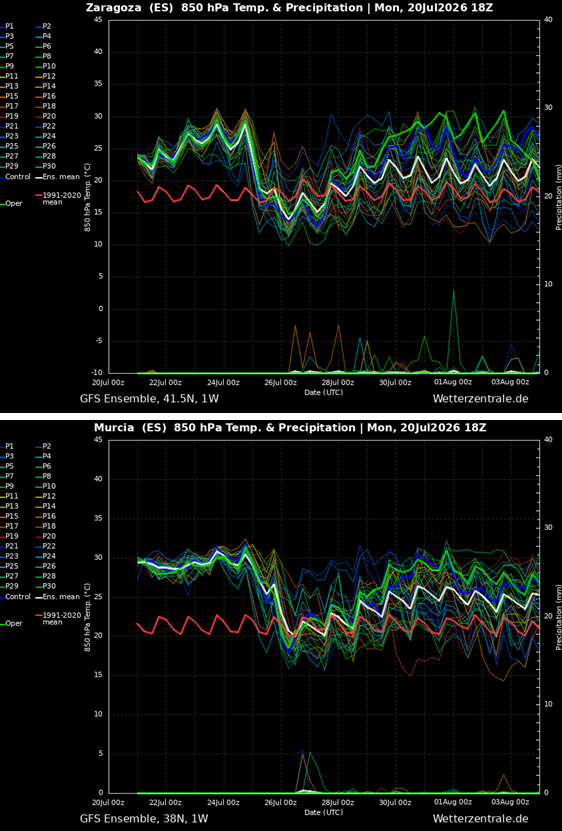
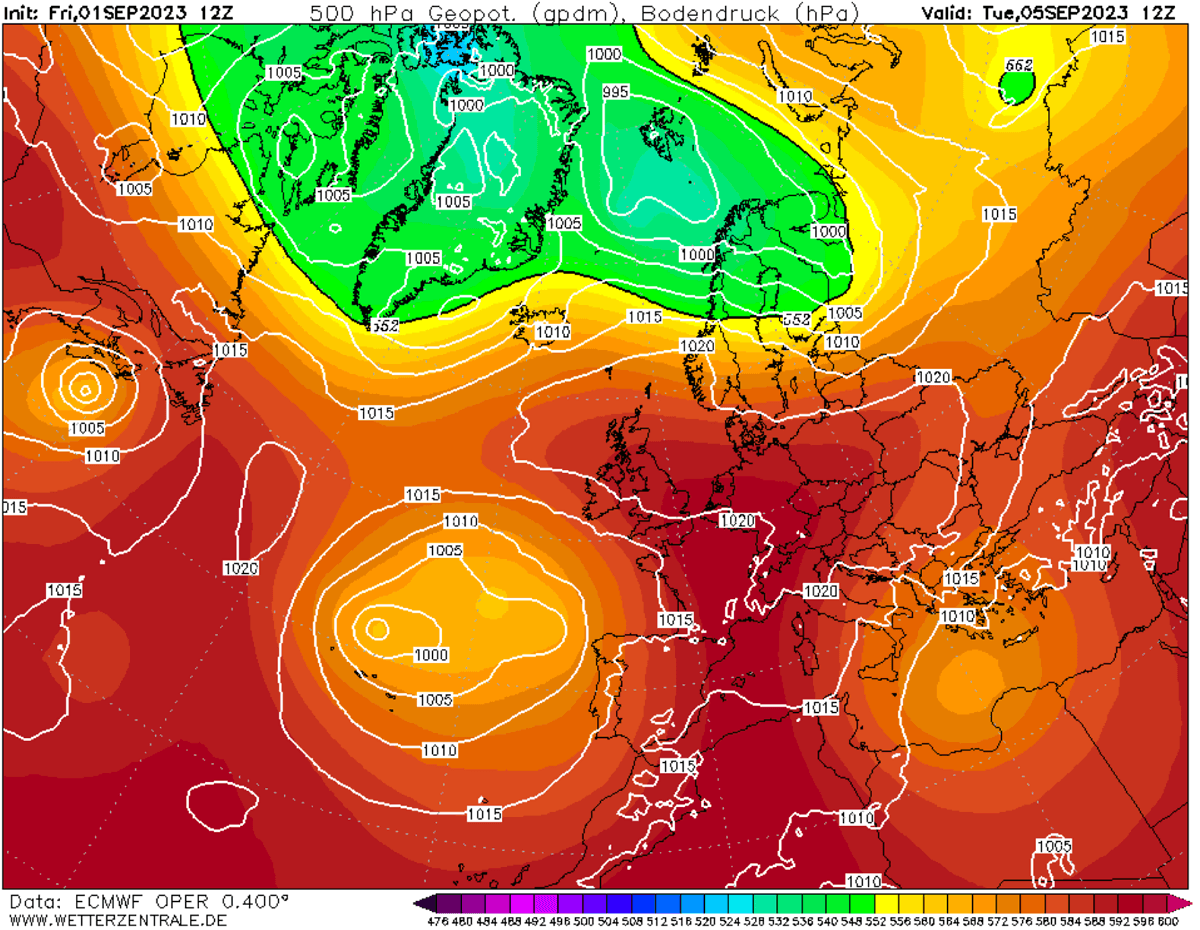
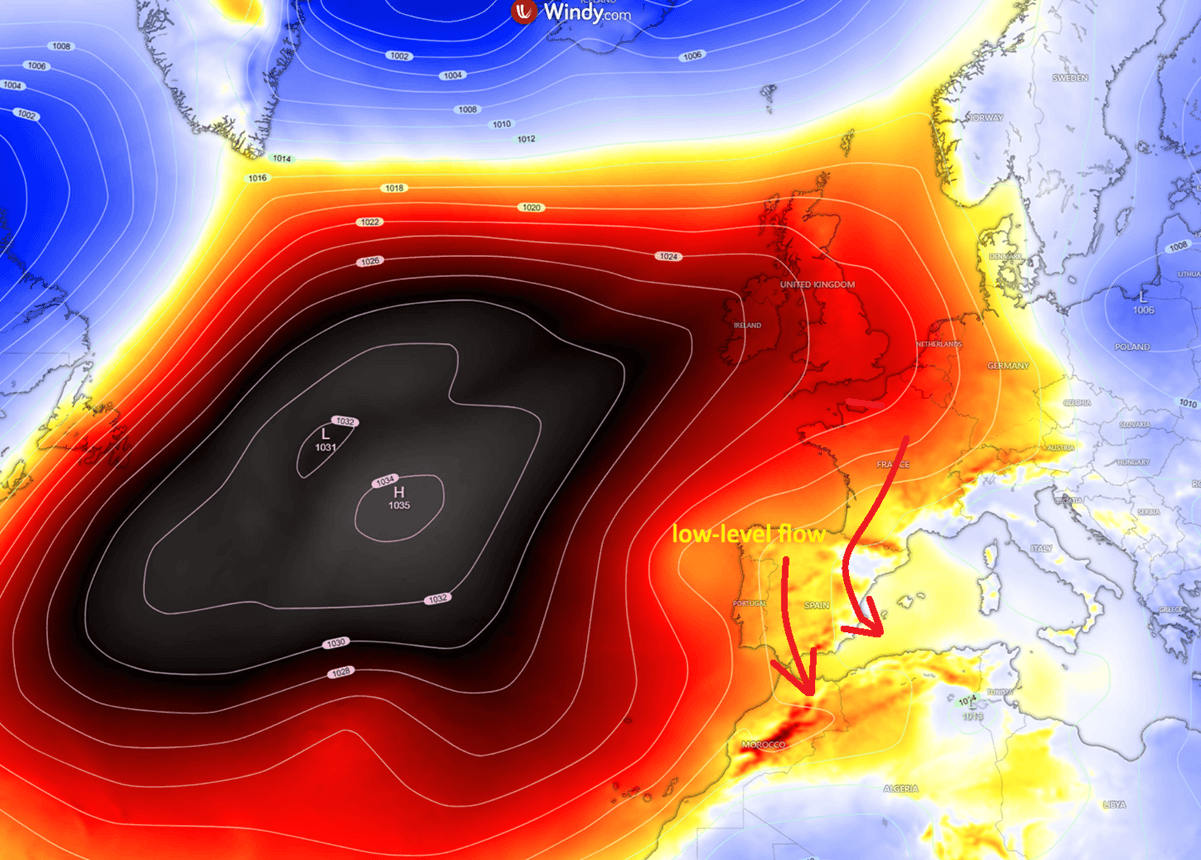
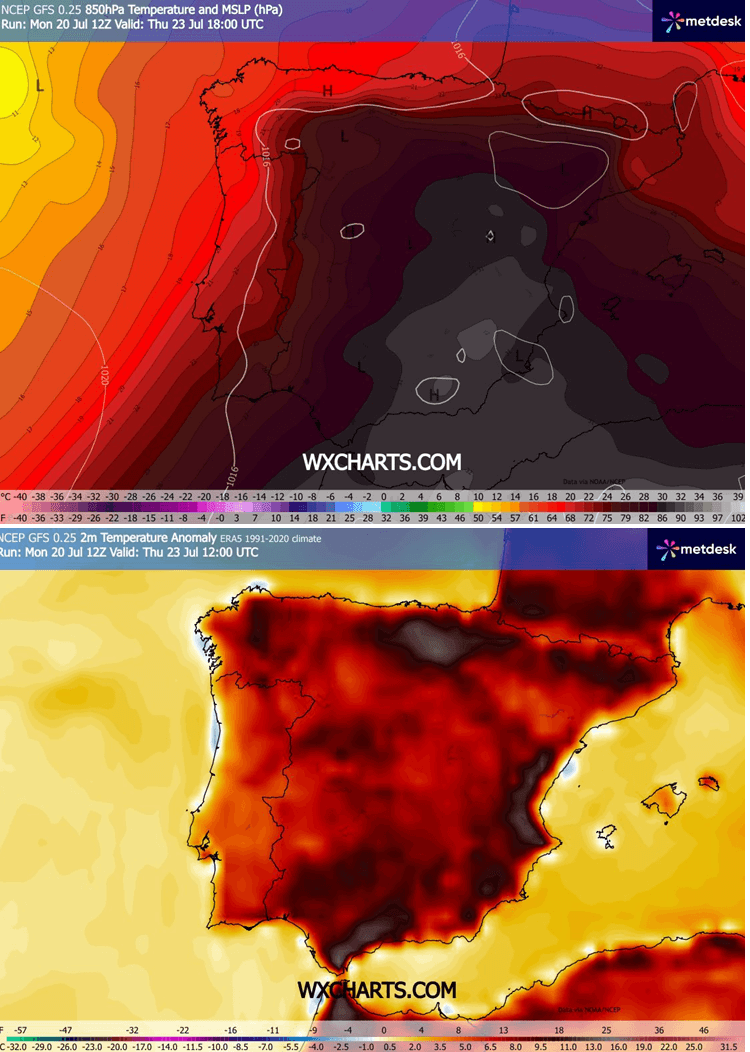
As the air sinks, it undergoes adiabatic warming, stripping away moisture and supercharging the temperature. This particular heat dome is being fueled by a direct influx of superheated air currents pulled northward from the heart of the Sahara Desert. Reinforced by a cut-off low-pressure system to the west, this synoptic setup creates a conveyor belt of extreme heat, with models suggesting temperatures at the 850 mbar level—a standard benchmark for monitoring air mass intensity—could exceed 30°C. For mid-July, such a reading is significantly above seasonal norms, positioning this event as a rare and dangerous thermal extreme.
A Chronology of the Heatwave: The Mid-Week Surge
The progression of this heatwave is rapid and highly aggressive, with the most severe impacts concentrated in the middle of the week.
Early Week: The Initial Incursion
By the start of the week, the blocking high began to retrograde westward, shifting its axis directly over the Iberian Peninsula. This shift allowed for an immediate escalation in temperatures, particularly in the inland regions of Spain. While coastal areas benefit from moderate maritime influences, the interior plains and valleys—specifically the Guadalquivir and Ebro valleys—began to experience a sharp, sustained rise in mercury levels.
Mid-Week: The Peak of the Furnace
Wednesday served as the transition into the most hazardous phase of the event. Global forecast models, including the GFS and the regional ARPEGE, indicated widespread daytime highs ranging from 42°C to 44°C across central and southern Spain.
Thursday is expected to mark the absolute zenith of the event. As the air mass reaches peak compression, areas in the eastern and southern lowlands—including Murcia, Alicante, and Valencia—are forecasted to reach between 44°C and 46°C. In localized valleys where topography enhances downslope (foehn) winds, temperatures could realistically touch 47°C. This is not merely uncomfortable; it is a hazardous threshold where the human body struggles to regulate its internal temperature.
Friday: The Slow Retreat
By Friday, signs of relief begin to emerge in the west. A shift in the atmospheric flow will introduce more humid air from the Atlantic, providing a modest cooling effect for Portugal and western Spain. However, the eastern provinces and the Ebro Valley are expected to remain in the grip of the heat, with temperatures hovering near 45°C for one final day before the ridge finally begins to dissipate.
Supporting Data: Historical Context and Benchmarks
To understand the severity of this heatwave, one must look at the historical record. Spain is no stranger to heat, but the frequency and intensity of recent events have been alarming.
- The National Benchmark: The official record for Spain stands at 47.6°C, recorded at La Rambla in the Córdoba countryside. This figure was validated by AEMET (the Spanish State Meteorological Agency). Other notable high-water marks include 47.4°C at Montoro and 46.9°C at Córdoba Airport.
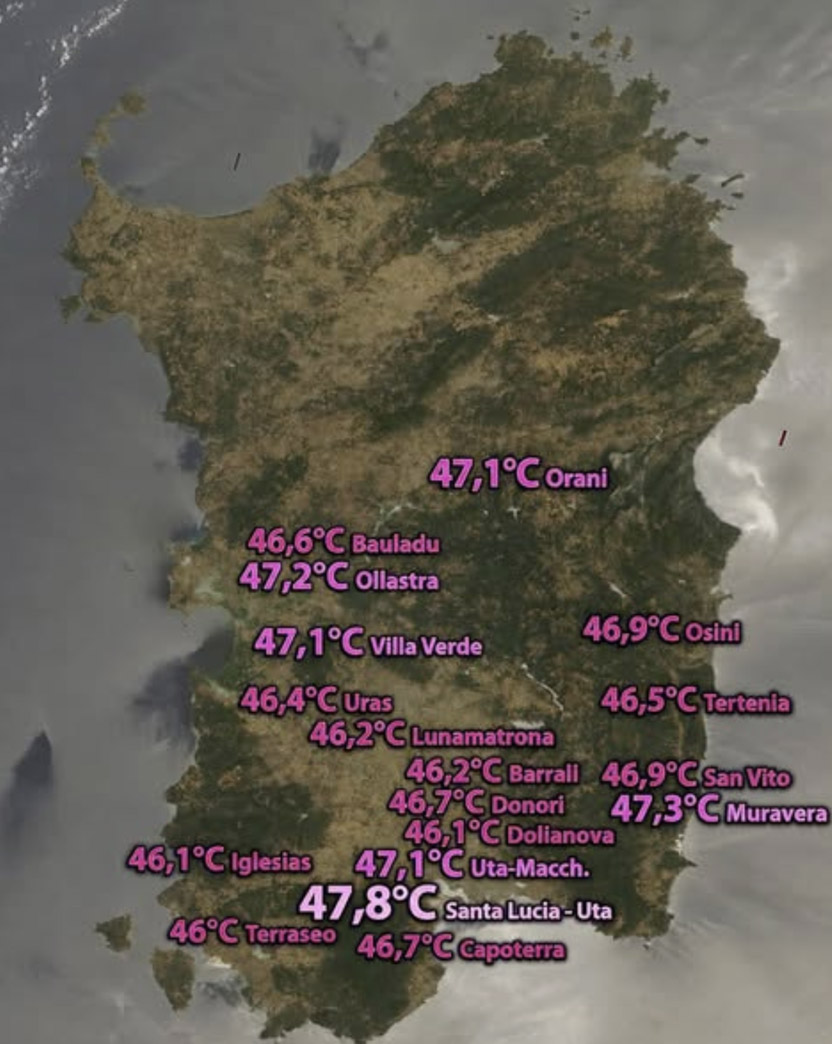
- The European Context: The current European record is 48.8°C, observed in Syracuse, Sicily, in August 2021. The Iberian Peninsula is currently flirting with values only 1.2°C to 2°C shy of that continental record.
- Regional Vulnerability: Historical data confirms that the Guadalquivir basin and the Murcia region are the "hot spots" of Europe. In August 2021, the Alcantarilla Air Base recorded 47.0°C, while Murcia city reached 46.2°C. These areas are uniquely susceptible to the downslope winds that characterize the current event, making them the most likely candidates for new record-breaking spikes this week.
Official Responses and Public Safety
Government agencies across Spain and Portugal have moved to a state of high alert. AEMET has issued "Red" level warnings for several provinces, urging citizens to avoid outdoor activity during the peak hours of 12:00 PM to 7:00 PM.
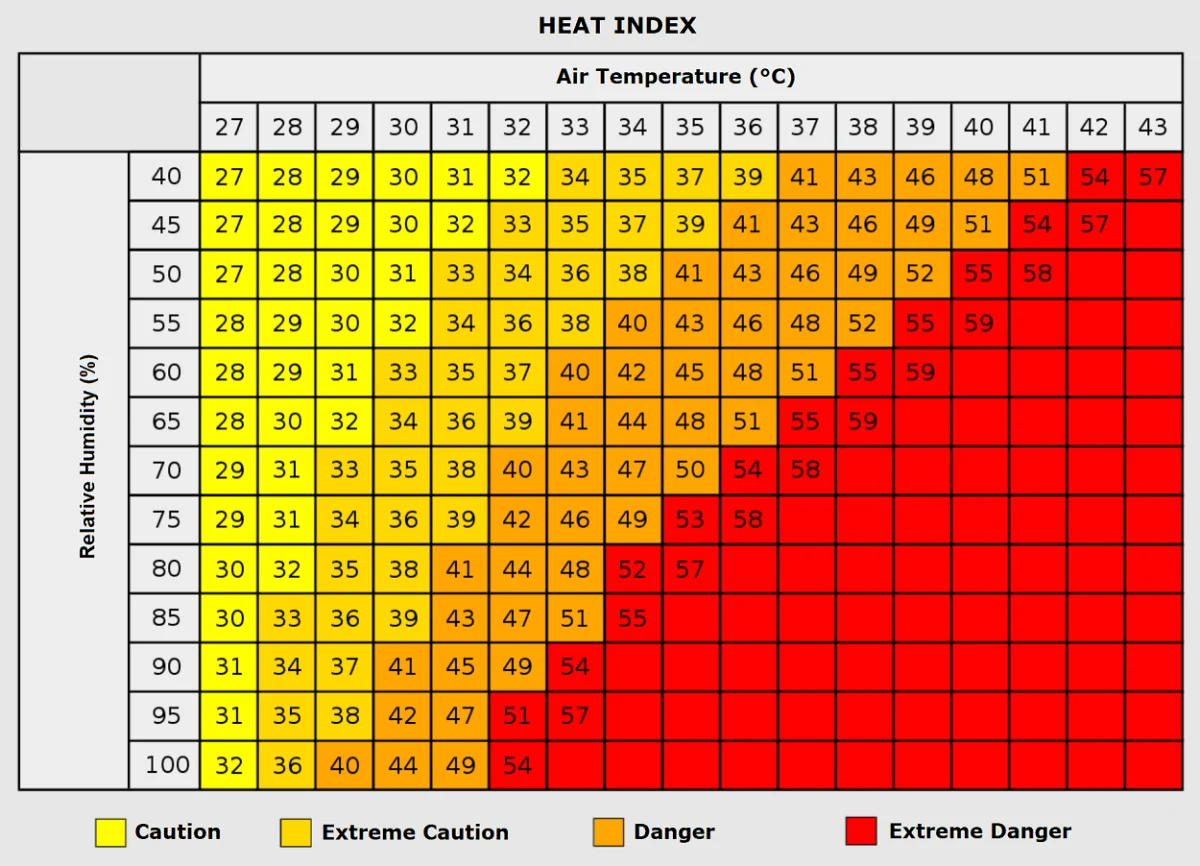
Health officials are emphasizing the "nocturnal stress" factor. Nighttime relief will be virtually nonexistent, with overnight lows remaining in the mid-to-upper 20s. This prevents the human body from recovering from the heat absorbed during the day, significantly compounding the risk of heat exhaustion and heatstroke for vulnerable populations, particularly the elderly and those with pre-existing cardiovascular conditions.
Emergency services have increased staffing levels, anticipating a spike in calls related to heat-related illnesses and dehydration. Municipalities in the Ebro and Guadalquivir valleys have established "cooling centers"—public buildings with industrial-grade air conditioning—to provide a refuge for those who lack adequate climate control in their homes.
Implications: Fire Risk and Infrastructure
The threat of this heatwave extends far beyond the human health impact; it is an existential threat to the landscape.
Explosive Wildfire Potential
The combination of extreme heat, high wind speeds, and exceptionally low relative humidity creates the perfect environment for "explosive" wildfire growth. The vegetation across the Iberian interior is currently parched, and the introduction of a high-pressure, dry air mass acts as a catalyst for ignition. Fire management agencies are currently operating at maximum capacity, with aerial fire-suppression units pre-positioned in high-risk zones like Castilla-La Mancha and the mountainous regions surrounding the Ebro Valley.
Infrastructure and Energy Stress
The heatwave poses a significant challenge to the region’s electrical grid. As households and businesses crank up air conditioning systems, the demand for electricity is expected to peak at record levels. Grid operators are balancing this surge in demand with the fact that solar energy production—while high—can become inefficient when photovoltaic panels exceed their optimal operating temperature. Furthermore, water resources are under immense strain; agricultural sectors in southern Spain are already reporting severe water stress, and this heatwave will only exacerbate the depletion of reservoirs.
Socio-Economic Impact
The economic cost of such heatwaves is multi-faceted. Agricultural yields are at risk, particularly for heat-sensitive crops. Labor productivity, particularly in the construction and agricultural sectors, is expected to plummet, with many businesses opting to adjust working hours to early morning or late evening shifts to avoid the worst of the heat.
Conclusion: A New Normal?
While this heatwave is a distinct, high-impact weather event driven by a specific Omega-blocking pattern, it arrives against the backdrop of a warming climate. Meteorologists are already analyzing whether the intensity of this current ridge is a sign of a new, more aggressive trend in European summer weather. As the Iberian Peninsula endures the coming days of 45°C+ temperatures, the focus remains on immediate survival and the prevention of catastrophe. Beyond that, the event serves as a stark reminder of the urgent need for long-term adaptation strategies to protect both society and the environment from the encroaching heat of a changing world.