In the high-stakes world of river running, the margin between a successful multi-day expedition and a life-threatening catastrophe is often measured in inches of rope and the structural integrity of a pulley. For those who navigate the whitewater of the American West—or any technical river system—a “pin kit” is considered essential equipment. However, a growing consensus among professional river guides and rescue experts suggests that the industry-standard, commercially available pin kit is not merely insufficient; it is fundamentally designed for scenarios that rarely match the realities of modern river rescue.
The Reality of River Dynamics: A Case Study in Failure
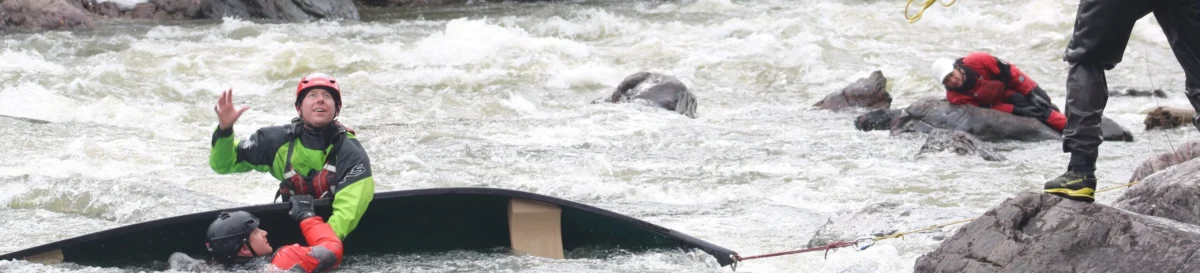
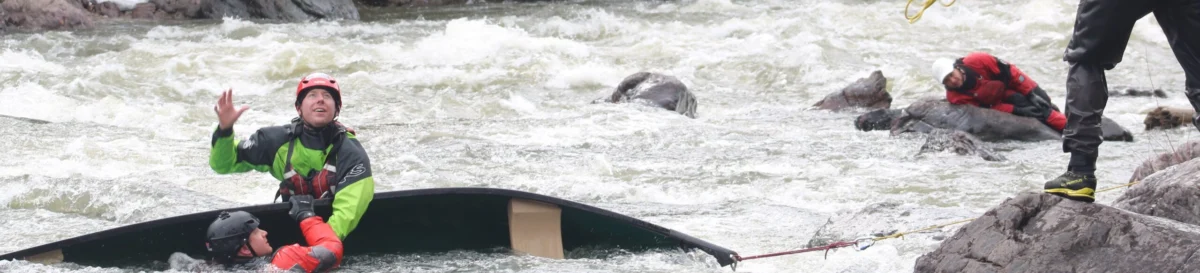
To understand the inadequacy of standard kits, one must examine the geography of a typical rescue scenario. Consider a trip down the Middle Fork of the Salmon River. A raft, laden with the group’s kitchen equipment, food, and supplies, strikes a rock in the churning water of Haystack Rapid. The boat pins, broadside to the current, pinned firmly against an obstacle.
The river at this point is 250 feet wide. The boat is stranded 100 feet from the nearest bank. Your team deploys the standard commercial pin kit, which typically contains 150 feet of static line. The math of the rescue quickly unravels.
First, the rope must travel from the anchor point to the boat and back to the mechanical advantage system. If you tie a standard Figure-8 on a bight, you have already sacrificed four feet of rope. As you set up a Z-drag (a 3:1 mechanical advantage system), the physics of the system dictates that you lose up to one-third of your line length. When the anchor point is not perfectly situated—which, in the rugged terrain of a canyon, is almost always the case—you quickly realize that 150 feet of rope is not just short; it is useless. The team finds itself at the edge of the bank with a taut line, no mechanical advantage, and no way to reach the target. The "standard" kit, purchased off the shelf, has failed in its primary duty.
Chronology of a Rescue: From Preparation to Execution
The lifecycle of a river rescue begins long before the first drop of water hits the boat. It begins in the garage, during the packing phase.
- Preparation: The kit is assessed. If it is a generic, pre-packaged unit, the user often assumes it is "rated" for the job.
- Deployment: The pin occurs. Adrenaline spikes. The kit is retrieved from the sweep boat.
- Establishment of Anchors: In the field, trees are often sparse or set back deep in the brush, requiring long extensions.
- Rigging: The rope is thrown, knots are tied, and the mechanical advantage system is constructed.
- The Pull: If the gear is insufficient, the system binds or the rope runs out. The rescue stalls, increasing the risk to both the pinned craft and the rescuers.
This chronology highlights that rescue is not a singular event; it is a sequence of dependencies. If any link in the chain—rope length, anchor webbing, or pulley efficiency—is compromised, the entire operation becomes a liability rather than a solution.
Supporting Data: Why "Standard" Isn’t Enough
The "half-inch static line" has long been the gold standard for commercial kits, capable of handling nearly 10,000 pounds of load (40 KN). While strength is a virtue, it often comes at the cost of utility. Professionals are increasingly moving toward 9mm rope with a 5,000-pound (22 KN) rating.
The advantage here is twofold: weight and volume. By switching to a 9mm line, a guide can carry 330 feet of rope in the same space and weight footprint as a 150-foot, half-inch line. This doubling of reach fundamentally changes the tactical options available to a rescue team. It allows for the construction of complex systems, such as redirects, which are essential when the pull angle needs to change to pop a boat off a rock without capsizing it.
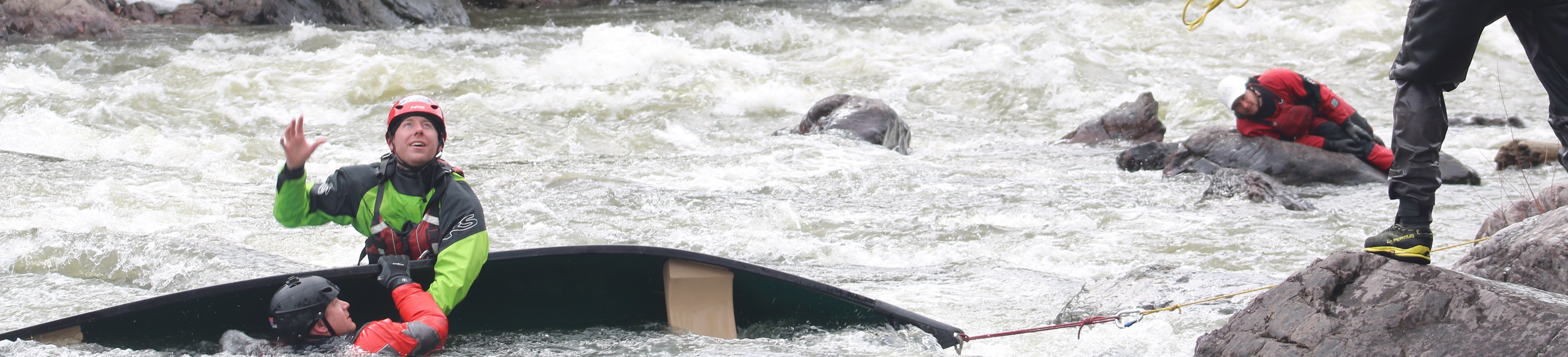
Furthermore, the mechanical components—pulleys and carabiners—often found in budget kits are frequently of "entry-level" quality. A Prusik Minding Pulley (PMP) is not a luxury; it is a necessity. Standard, non-PMP pulleys can allow the Prusik knot to get sucked into the pulley housing, binding the system and creating a secondary, more dangerous problem.
Official Perspectives and Professional Standards
Leading river rescue organizations and professional guides emphasize that there is no "one size fits all" kit. The components of your kit should be dictated by the specific river environment. A high-volume, wide-channel river like the Salmon requires different tools than a tight, technical, low-flow creek in the Southeast.
Experts advocate for a modular approach:
- Webbing: Abandon the 10-foot limitation. Carrying 25 feet of tubular webbing, combined with high-strength manufactured slings (like Dynex Rabbit Runners), provides the necessary versatility to anchor to awkward rock features or distant timber without the risk of system failure.
- Prusiks: These should be pre-tied or pre-sewn. Fumbling to tie a Prusik knot while standing in a rapid or on a wet, slippery bank is an invitation to error. The diameter of the Prusik cord must be 70–80% of the diameter of the main line to ensure proper grip.
- Carabiners: The "water bottle carabiner" rule is absolute. Every piece of hardware in a pin kit must be a rated, locking carabiner. Cross-loading or using non-rated equipment in a high-tension rescue system is a leading cause of gear failure.
The Implications of Neglect: Maintenance and Storage
The most sophisticated gear is useless if it is degraded by poor storage. The life of a rope is significantly shortened by exposure to ultraviolet light and, more importantly, residual moisture and grit.
Many guides are moving toward dedicated, high-quality dry bags, such as those produced by Watershed, to store their rescue kits. The investment in a waterproof, floating bag is not just about keeping the rope dry; it is about keeping it free of sand and silt. Sand acts as an abrasive, cutting the fibers of the rope from the inside out and clogging the bearings of pulleys. A clean, dry, and easily accessible kit is the hallmark of a prepared professional.
Conclusion: Designing for the Worst-Case Scenario
The philosophy of the modern river runner must shift from "buying a kit" to "building a system." While commercially available kits serve as a baseline, they are rarely sufficient for the "worst-case scenario." When the stakes involve the safety of a crew, the integrity of a vessel, and the success of an expedition, reliance on a generic product is a strategic error.
Assess your local river. Measure the distance from the furthest likely anchor point to the center of the channel. Calculate the rope length required for a Z-drag, accounting for knots and redirects. If your current kit cannot handle the math, it is time to upgrade.
Safety in the outdoors is not found in a box purchased from a catalog; it is found in the thoughtful assembly of tools that you have tested, maintained, and—most importantly—understand how to use under pressure. Do not wait for the sound of a boat hitting a rock to discover the limitations of your gear. By then, it will be far too late to add an extra 100 feet of rope to your bag.