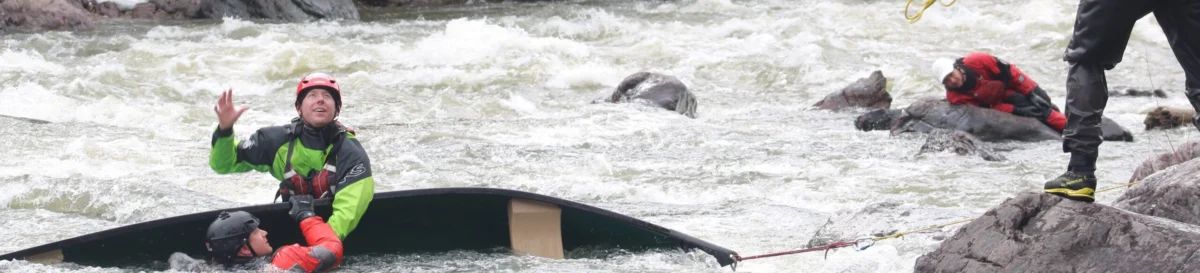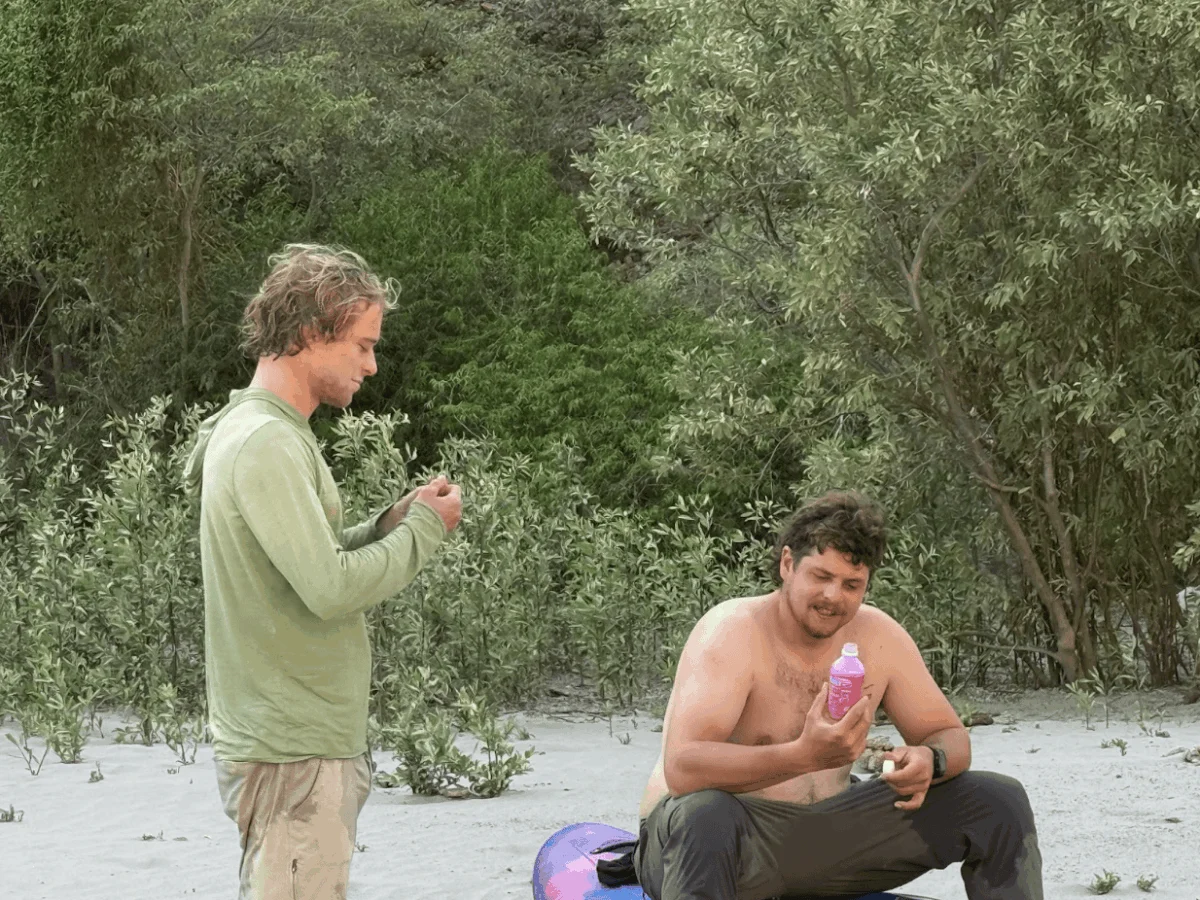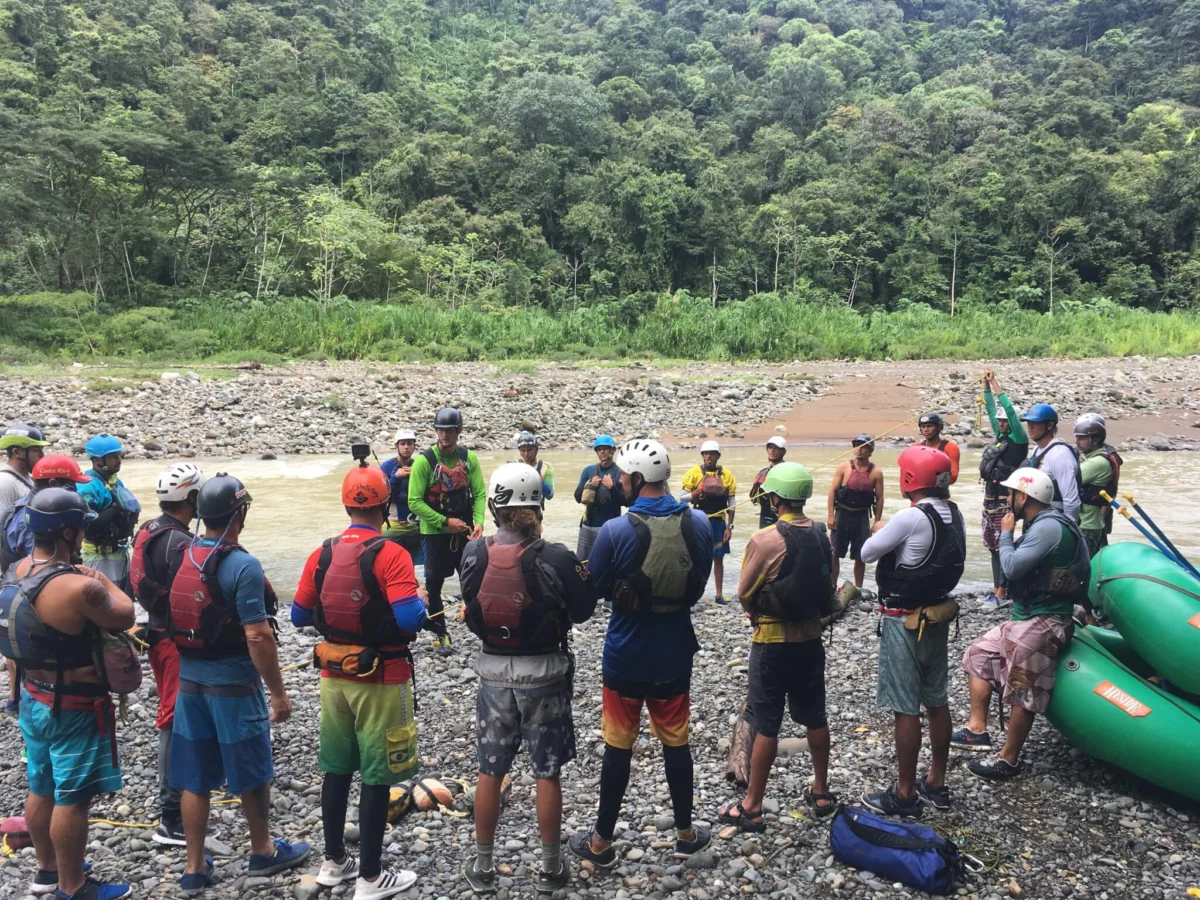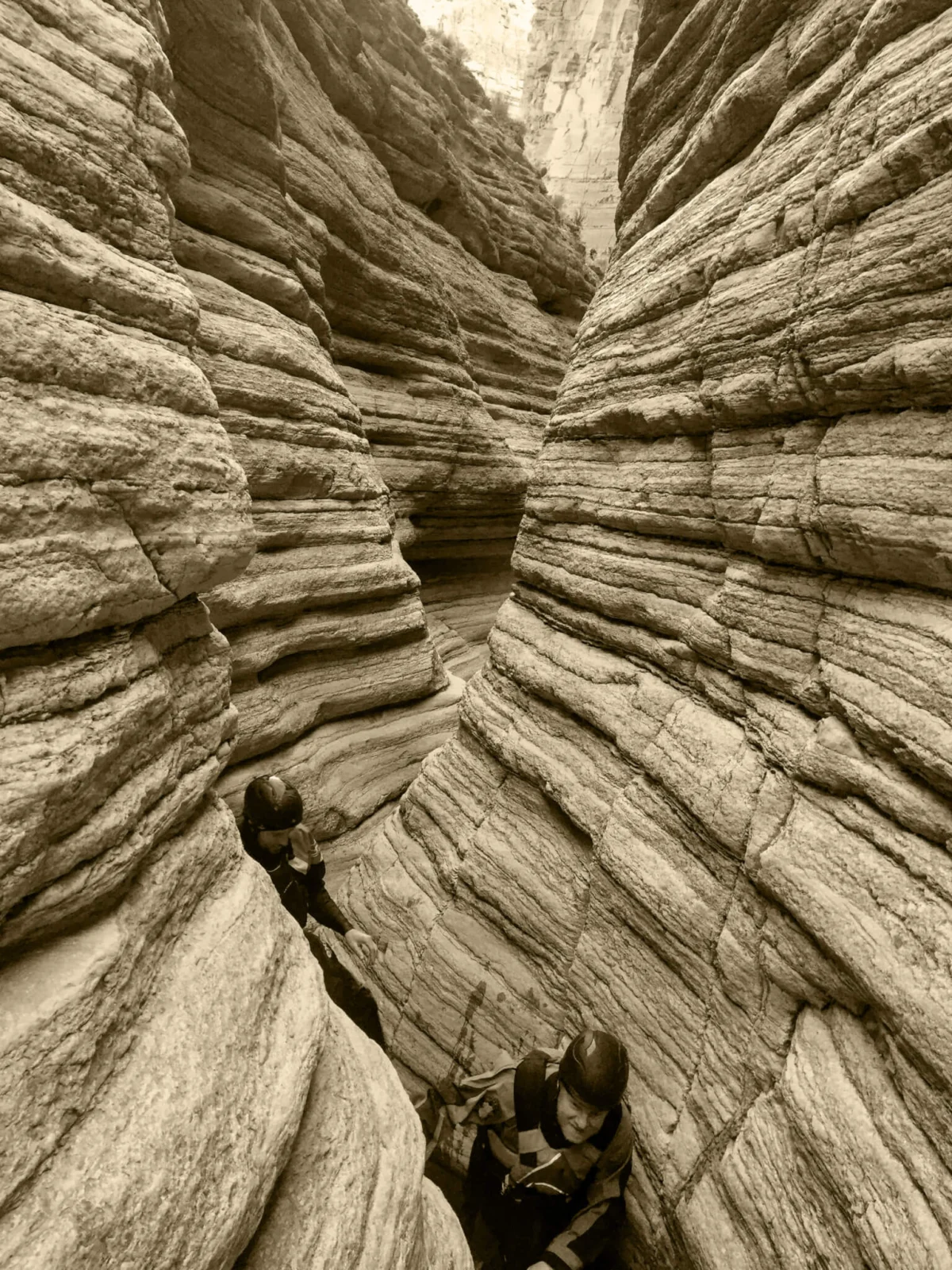
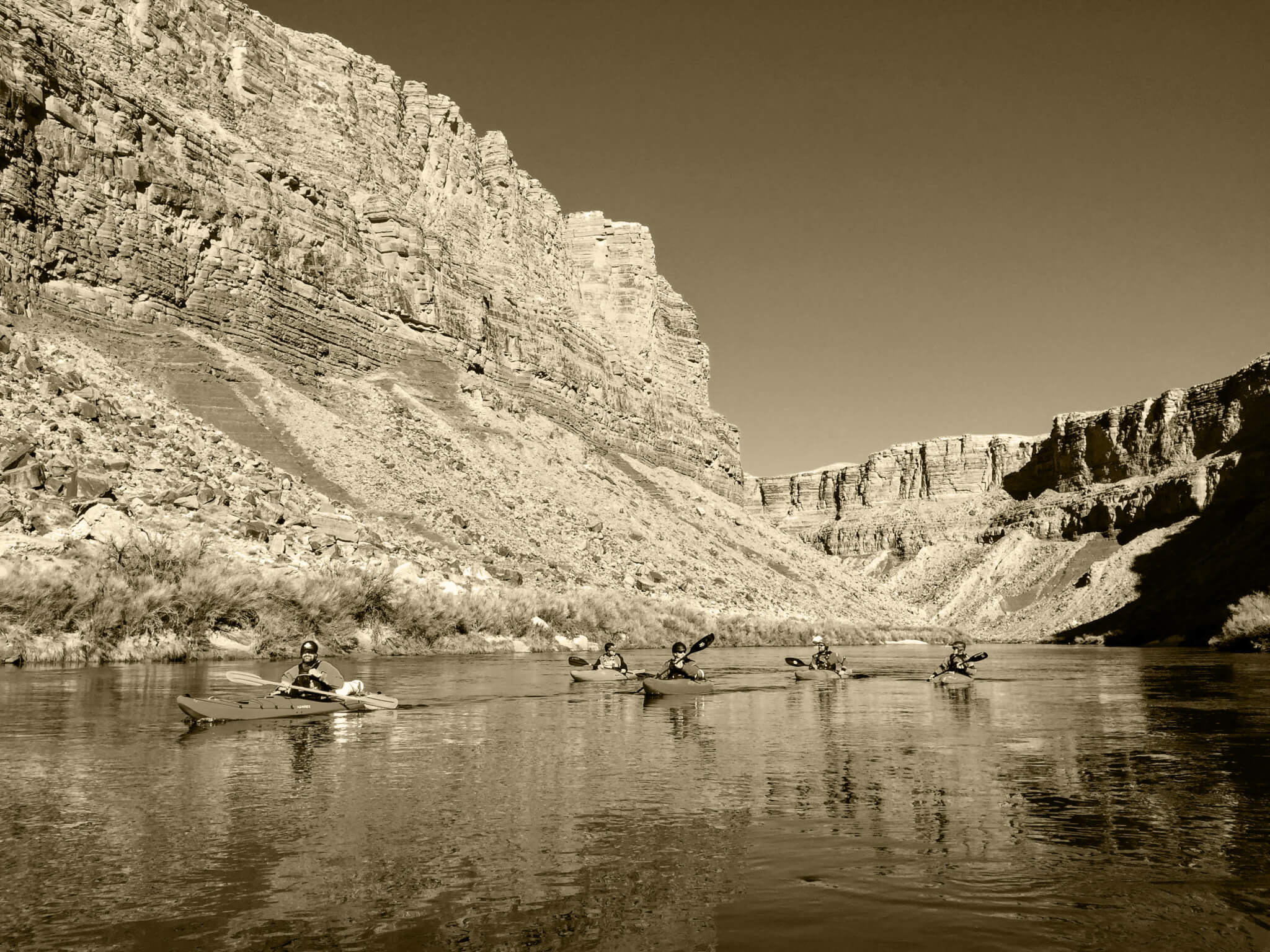
On January 26, a team of four elite instructors from Whitewater Rescue Institute (WRI)—Paul Heffernan, Matt O’Reilly, Frank Preston, and Cody Harris—embarked on a monumental 10-day self-supported kayak expedition down the Colorado River. Launching from Lees Ferry, Arizona, the crew navigated the full length of the Grand Canyon to Pearce Ferry, covering approximately 280 miles of some of the most challenging and iconic whitewater in the world.
What makes this expedition particularly unique is not just the technical prowess required to navigate the river, but the discovery of a series of intimate, handwritten letters recovered from a drybag post-trip. Penned by an anonymous member of the ten-person expedition team, these documents offer a rare, unfiltered look at the psychological, physical, and logistical realities of a self-supported Grand Canyon descent.
The Logistical Challenge: Self-Sufficiency in the Wilderness
A self-supported trip through the Grand Canyon is the pinnacle of river expeditioning. Unlike commercial trips that rely on motorized rafts or support boats to haul heavy gear, food, and waste, a self-supported kayak trip requires every individual to carry their entire life on their back—or rather, inside their boat.
For the WRI team, the logistics were staggering. With ten paddlers, the group faced the daunting task of packing food, kitchen equipment, camp kits, and waste management systems (the infamous "groovers") into small whitewater kayaks. The average boat weight upon departure from Lees Ferry was estimated between 175 and 200 pounds.

"They responded about as well as a hungry burro in sight of a barn," the anonymous author noted in their first dispatch. The initial struggle of balancing these "unwieldy crafts" served as the first major hurdle of the journey. The group opted for a decentralized model: each paddler was responsible for their own kitchen and food supply, with only communal fire pans, first-aid kits, and repair tools shared among the group.
Chronology: A River Runs Through It
The Launch and the "Roaring 20s" (Days 1–2)
The journey began under clear, 70-degree skies. Despite a delayed launch due to the complexity of loading gear, the team covered 21 miles on the first day, navigating House Rock Rapid. The first few days introduced the group to the "Roaring 20s"—a legendary section of the canyon defined by frequent, high-energy rapids. The author noted a poetic comparison: "Just as the 1920s were followed by a period of slow economic growth, so too are the 20s on the river followed by a flat section of water."

Entering the Inner Gorge (Days 3–5)
By day three, the canyon walls began their dramatic ascent, signaling the transition into the Inner Gorge. This is where the Grand Canyon changes character, with the dark, ominous schist and granite layers squeezing the river into narrow, powerful corridors. The team navigated significant features, including Hance, Horn Creek, Granite, Hermit, and Crystal rapids.
For the team, these days were a masterclass in leadership. The anonymous author frequently credited the expedition’s lead instructors for their "dominance" and "fortitude," noting that while others skirted the "meat" of the larger rapids, the leaders charged through with unwavering confidence, setting a standard for the rest of the group to emulate.

The Mid-Trip Reflection (Days 6–8)
The middle of the trip was defined by physical exhaustion and the reality of long-distance self-support. The group hit a personal record on Day 7, covering 34 miles while incorporating hikes to Matkatamiba and Havasu. By Day 8, the weather turned, bringing the first wind and rain of the trip. The camaraderie was tested as the team huddled in tents, playing cards and managing the toll of the previous days. The author noted a shift in perspective, moving from an obsession with physical output to a deeper appreciation for the environment.
The Legacy of Powell and the End of the Wild (Days 9–10)
As the team reached Separation Canyon—the site where three members of John Wesley Powell’s 1869 expedition famously decided to hike out rather than face the unknown rapids below—the mood turned somber and reflective. The anonymous author wrote of the weight of that historical decision, noting that had it not been for the mentorship of the WRI instructors, they, too, might have been tempted to abandon the river.

The final leg to Pearce Ferry saw the team transition from the wild Colorado to the remnants of the silt-filled, dam-controlled waters of Lake Mead. This final stretch served as a poignant lesson on the intersection of human engineering and geological time.
Supporting Data: Managing the "Groover" and the Calorie Burn
The letters provide invaluable insight into the granular details of wilderness survival. One of the most significant challenges for any Grand Canyon paddler is waste management. The group utilized 16-inch PVC pipes, with the author noting the psychological pressure of tracking their own waste production over the 10-day period.

Dietary choices were equally varied. The team’s approach ranged from lightweight, freeze-dried meals—which the author credited with "slowing down the speed with which my groover will be filled"—to vacuum-sealed, pre-made fresh food. These choices dictated not only the weight of the boats but also the morale of the team during evening camp hours.
The team’s water management was aided by the unusually clear conditions of the river during their transit. By utilizing springs and side tributaries, the group was able to maintain hydration without the typical labor of settling out heavy river silt, a luxury rarely afforded to travelers in warmer months.

Professional Insights: Leadership and Mentorship
The role of the WRI instructors cannot be overstated. Throughout the correspondence, the anonymous writer repeatedly highlights the importance of the "fearless leader." This dynamic is a cornerstone of WRI’s mission: providing real-world, high-stakes instruction that translates into personal growth.
The instructors didn’t just guide the group; they coached them. By providing tactical pointers on boat packing and rapid-reading, the leaders turned a grueling physical challenge into a successful educational experience. This "daily coaching" allowed less experienced members of the group to overcome the intimidation factor of massive, canyon-confined rapids.

Implications: The Future of Self-Supported Expeditions
The WRI expedition proves that despite the commercialization of many outdoor spaces, the spirit of self-supported, human-powered exploration remains alive and well. The insights gleaned from these letters serve as a manual for future paddlers:
- Preparation is Parity: The weight of one’s boat is the primary variable in performance. Mastering the art of the "tight pack" is as vital as paddling technique.
- Leadership is Essential: In high-consequence environments, having experienced mentors who can remain calm under pressure is the difference between a successful expedition and an emergency evacuation.
- Humility in the Face of Nature: The final 60-mile stretch, impacted by the Hoover Dam and the fluctuating levels of Lake Mead, serves as a reminder of the fragility of the wilderness. The river continues to carve its path, undaunted by human infrastructure.
As the team concluded their journey at Pearce Ferry, the feeling was one of profound accomplishment. The Grand Canyon is not just a destination; it is a test of character. By documenting their struggle, the team has left behind a resource that will help future generations of paddlers understand that the true reward of the Grand Canyon is not the rapids you run, but the resilience you discover within yourself when the canyon walls close in and the only way forward is through.