By Sam Johnston
Lead Guide and Instructor, Montana River Guides; Instructor and Spill Responder, WRI
The Marañón River, the primary headwaters of the Amazon, is not merely a body of water; it is a gargantuan, geological force of nature that has carved its way through the Andes for millions of years. To paddle its length is to accept a pact with the unknown. In March 2026, I embarked on a self-supported kayak expedition into this remote stretch of Peru. What began as a test of athletic endurance and navigational skill quickly transformed into a profound masterclass in swiftwater safety, risk management, and the fragility of human judgment when stripped of modern conveniences.
The Anatomy of an Expedition: Main Facts
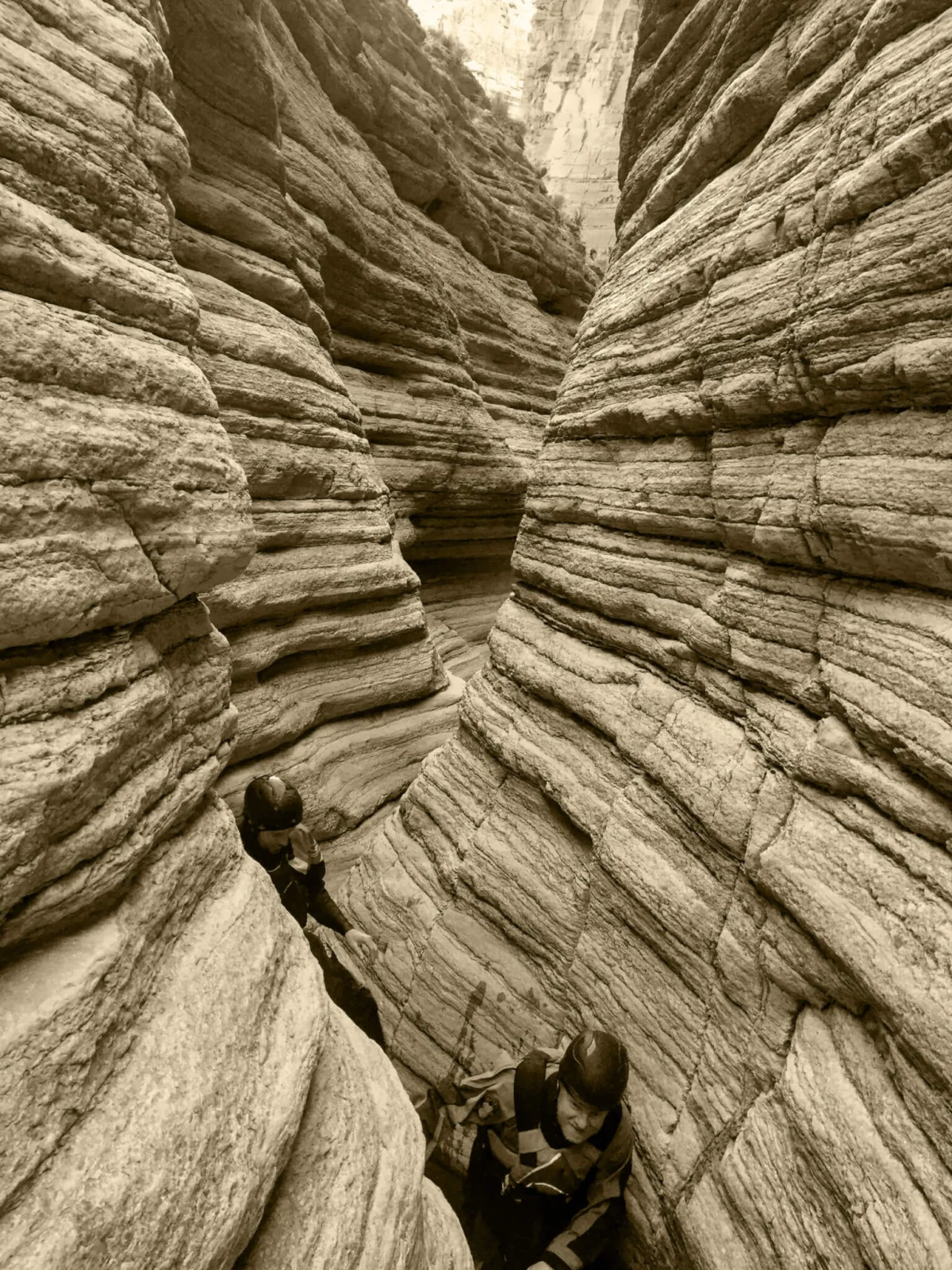
The expedition focused on the Inner Gorge of the Marañón, a region defined by its extreme isolation. In this canyon, walls rise vertically for hundreds of feet, and the gradient creates continuous, high-consequence whitewater. The technical challenge is compounded by the environment: scorching temperatures, limited access to potable water, and a complete absence of cellular service or professional emergency infrastructure for hundreds of miles.

The primary lesson of the trip was not technical; it was psychological. We often speak of "mastering" the river, but the Marañón demands a more nuanced approach. It requires a constant, rigorous adherence to safety protocols that remain the same whether you are on a local training run in Montana or deep within an Andean canyon.
Chronology of the Marañón Run
The expedition was a multi-week endeavor characterized by fluctuating conditions and the logistical strain of self-support.
- The Approach: Initial entry into the headwaters was manageable, allowing the team to acclimate to the river’s volume and the specific hydraulic behavior of the Andean meltwater.
- The Incident at Wasson’s Slide: While scouting the portage at Wasson’s Slide, a critical lapse occurred. While navigating unstable granite, I dislodged a multi-hundred-pound boulder. It narrowly missed a teammate, Dayton, stopping only inches from his position in the water. This served as a harrowing reminder that danger is not confined to the river’s current; it exists in the very ground we stand upon.
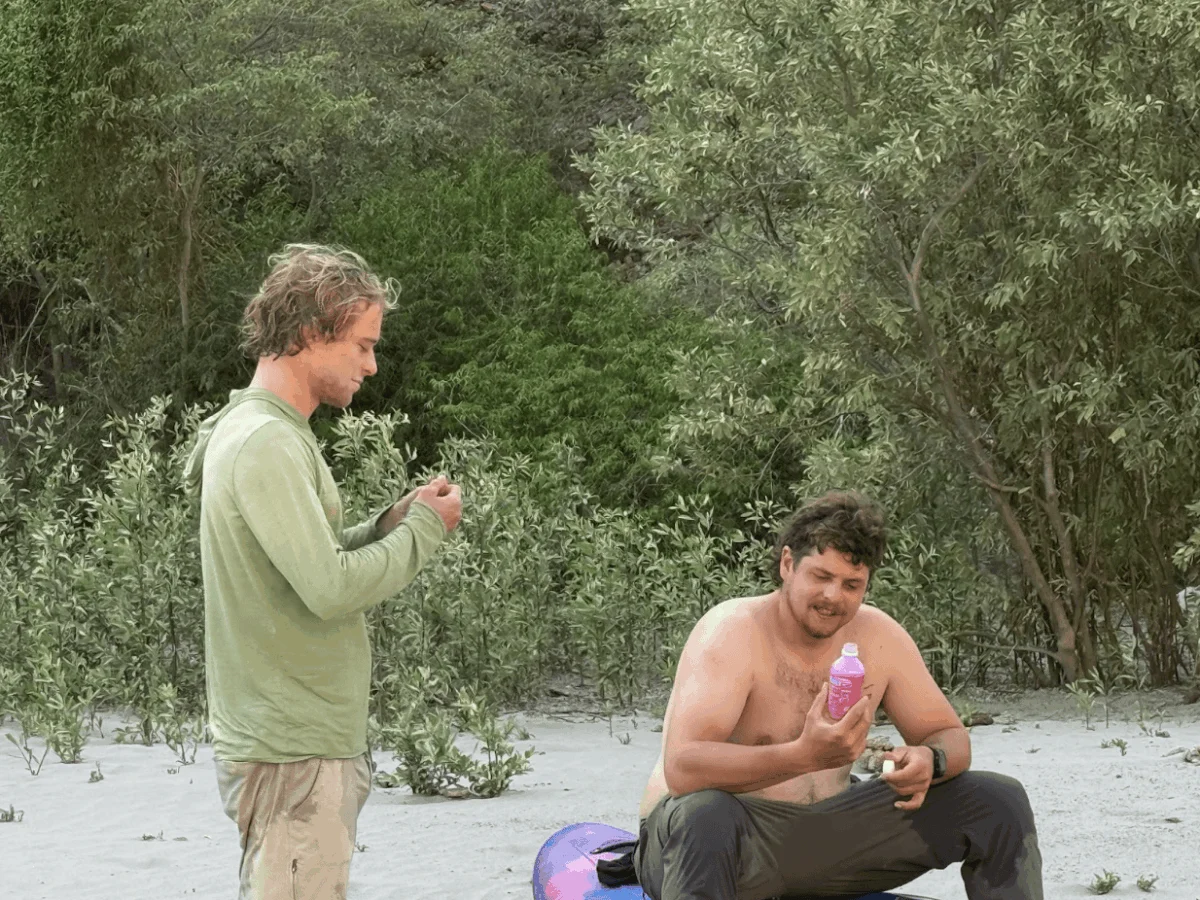
- The Health Crisis: Near the end of the Upper Canyon, the team faced a debilitating blow. Three of our five members contracted a severe gastrointestinal illness. The logistical challenge shifted from paddling to survival: managing hydration, finding clean water, and sourcing medicine in remote mountain villages where resources were scarce and local cooperation was fragile.
- The Samosera Run: The climax of the trip involved the Samosera Rapid. Here, the internal struggle between technical ability and ego was at its peak. Choosing to run the rapid was a deliberate decision, separated from the impulse to prove one’s worth—a distinction that separates experienced professionals from those who rely on luck.
Supporting Data: The Psychology of Swiftwater Safety
The experience on the Marañón highlighted five core pillars of swiftwater safety that are as applicable to a rescue team in Alberton, Montana, as they are to a remote expedition in South America.

1. Scene Size-Up: The Eternal Vigilance
We often teach that a "scene size-up" is a finite event performed upon arriving at an emergency. The Marañón proved that the scene is dynamic. Our near-miss with the boulder occurred during a "safe" moment—lunch. Safety is not a snapshot; it is a continuous, 360-degree environmental scan that must include the bank, the stability of the terrain, and the potential for secondary hazards.
2. Cognitive Degradation Under Pressure
The human brain is the first piece of equipment to fail in an emergency. When dehydrated, sleep-deprived, and under physical duress, our decision-making capacity drops significantly. The systems and checklists we teach in technical rescue courses are not just for convenience; they are life-saving scaffolds designed to support us when our own biological processing power is compromised by stress.
3. Containment as a Plan
Many paddlers operate on "hope" rather than "containment." A true containment plan answers the "what-if" questions before they occur: Who is tracking the swimmer? Where is the downstream safety? How many seconds do we have before a feature becomes lethal? If you cannot articulate your plan in seconds, you are operating on a prayer, not a strategy.

4. The Ego Current
Ego is the most dangerous variable on any river. During the Samosera Rapid, I had to confront why I wanted to run it. Was it based on a cold, calculated analysis of my own capability and the river’s features, or was it a reaction to peer pressure? Naming that motivation is the most effective way to neutralize the risk.
5. Respect Over Conquest
The narrative of "conquering" a river is a fallacy. The river does not care about your expedition goals. The most proficient rescuers I have worked with approach the water with a quiet, observant respect. They do not fight the river; they understand it.
Official Perspectives and Implications
My work with the Whitewater Rescue Institute (WRI) and Montana River Guides has always focused on these principles, but the Marañón crystallized their importance. The implications for anyone involved in water-based activity—from professional rescue responders to recreational kayakers—are clear: skills decay, and judgment decays faster.

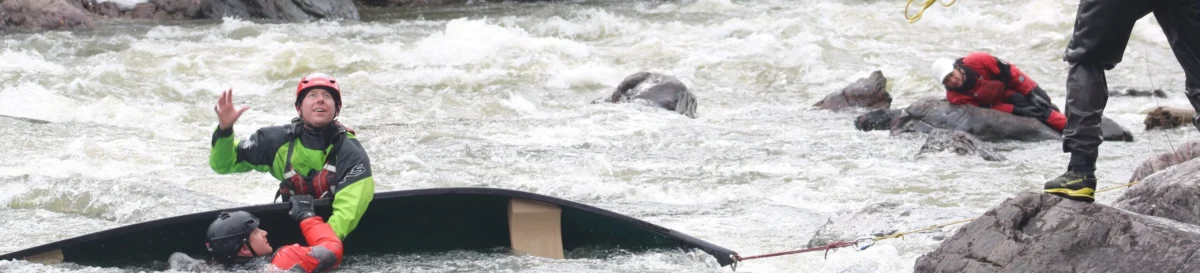
The industry standard for rescue is not stagnant. It is built upon the constant refinement of NFPA 1006 and 2500 standards, and the integration of real-world experience into training curricula. Whether we are conducting a spill response or a swiftwater extraction, the core requirements remain identical: humility, preparedness, and the willingness to treat every training session as if it were a high-stakes, real-world event.
Professional Recommendations for Continued Safety
For those looking to maintain their readiness, the following protocols are essential:
- Continuous Education: Never assume that a certification from a decade ago is sufficient. The technology, the understanding of hydrology, and the team dynamics have evolved.
- Drill to the Point of Tedium: When an emergency happens, you do not rise to the occasion; you sink to the level of your training. If the movements aren’t muscle memory, you are already behind the curve.
- The "Second-Look" Policy: In high-consequence environments, institute a mandatory second look at every anchor, every scout, and every safety plan. A team that questions its own assumptions is a team that survives.
Final Reflections
Returning from the Marañón, I am struck by the clarity that comes from isolation. The bug bites will fade, and the exhaustion will dissipate, but the lessons of the canyon remain. We are all guests on the river. The goal of any instructor or responder is not to master the water, but to ensure that everyone who enters it—whether for a sport or for a rescue—can return home to tell the story.

The Whitewater Rescue Institute continues to operate on the Clark Fork River in Alberton, Montana, providing training that meets the rigorous demands of USCG, HAZWOPER, and beyond. We invite those who value their safety and the safety of their teams to join us for our upcoming courses. The stakes of the river are high, but with the right training, the risks are manageable.
For those interested in professional-grade swiftwater, rope, and ice rescue training, the current course schedule is available at the Whitewater Rescue Institute website. See you out there.