In the quiet corners of the Finnish landscape, where the soil meets the sky, a unique intersection of horticulture, social well-being, and ecological restoration is taking place. Far from being a mere production site for vegetables, this garden in Korso has evolved into a thriving ecosystem that nurtures both the land and the human spirit. Through the implementation of "no-dig" gardening techniques, the stewardship of a local, diverse population, and the healing power of nature, this space offers a blueprint for sustainable living in a modern world.
The Rhythm of the Garden: A Chronology of Growth
The transformation of this plot began with a challenge: an overabundance of Jerusalem artichokes (Helianthus tuberosus). Upon the initial arrival at the property, nearly a quarter of the entire cultivation area was dominated by this aggressive, albeit delicious, perennial.
2021: The Foundations of Change
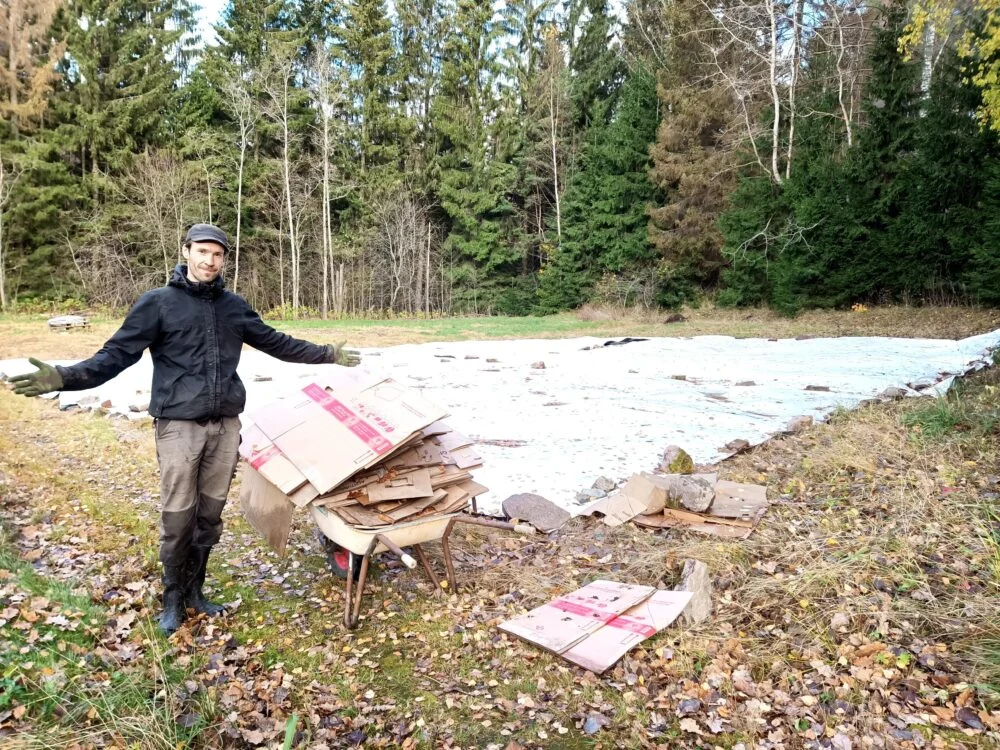
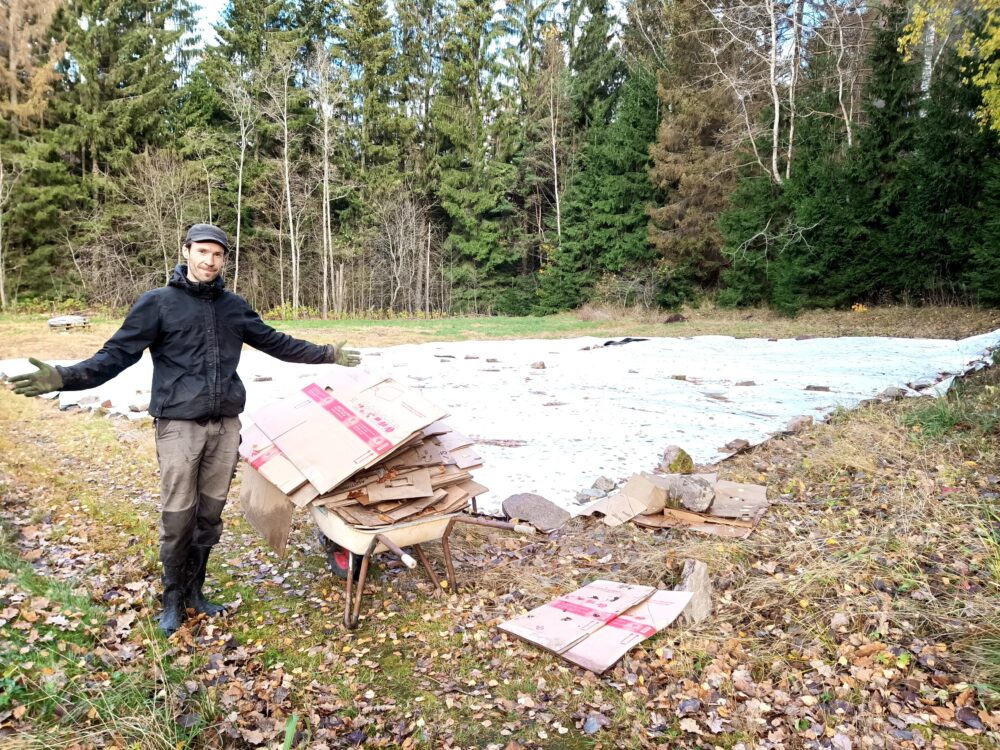
The initial phase of the project focused on land management. Using cardboard layering beneath compost—a hallmark of the "no-dig" method—the gardeners were able to suppress unwanted vegetation while building soil structure. This method preserves the intricate fungal networks and microbial life essential for healthy plant growth, a stark contrast to traditional tilling, which disrupts these delicate underground ecosystems.
2022–2024: Diversification and Social Integration
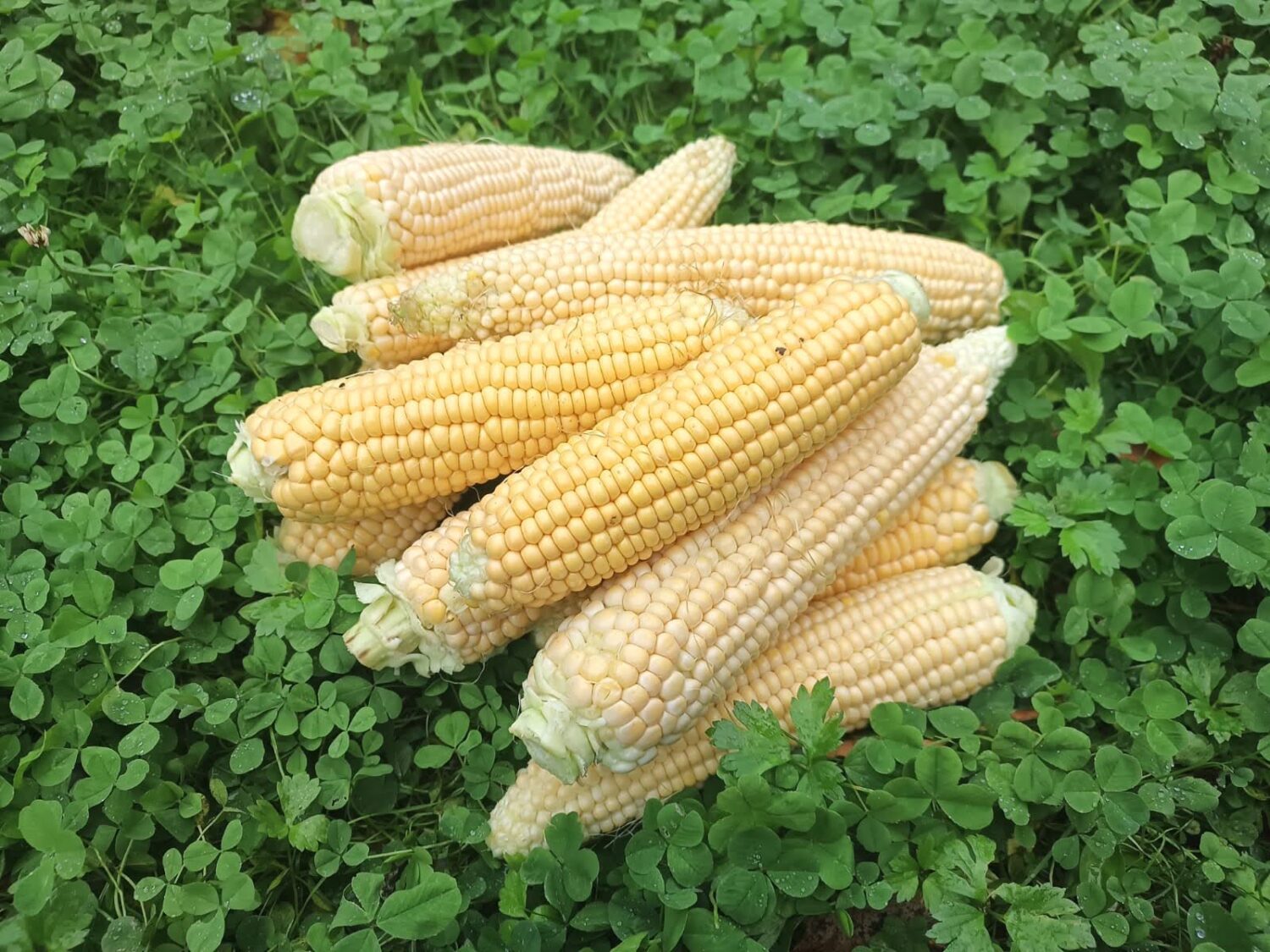
As the soil stabilized, the focus shifted toward biodiversity. By relocating the rampant Jerusalem artichoke to raised beds constructed from soil excavated for a new pond, the central plot was opened for a rotation of crops. This year, the cycle included garlic, followed by a late-summer sowing of fast-growing greens: radish, salad leaves, Chinese cabbage, daikon radish, and arugula. A standout addition has been the Brassica juncea, specifically the ‘Red Giant’ variety, which provides a spicy, mustard-like kick to salads and offers multiple harvests throughout the season.
The Therapeutic Landscape: Nature as a Social Catalyst
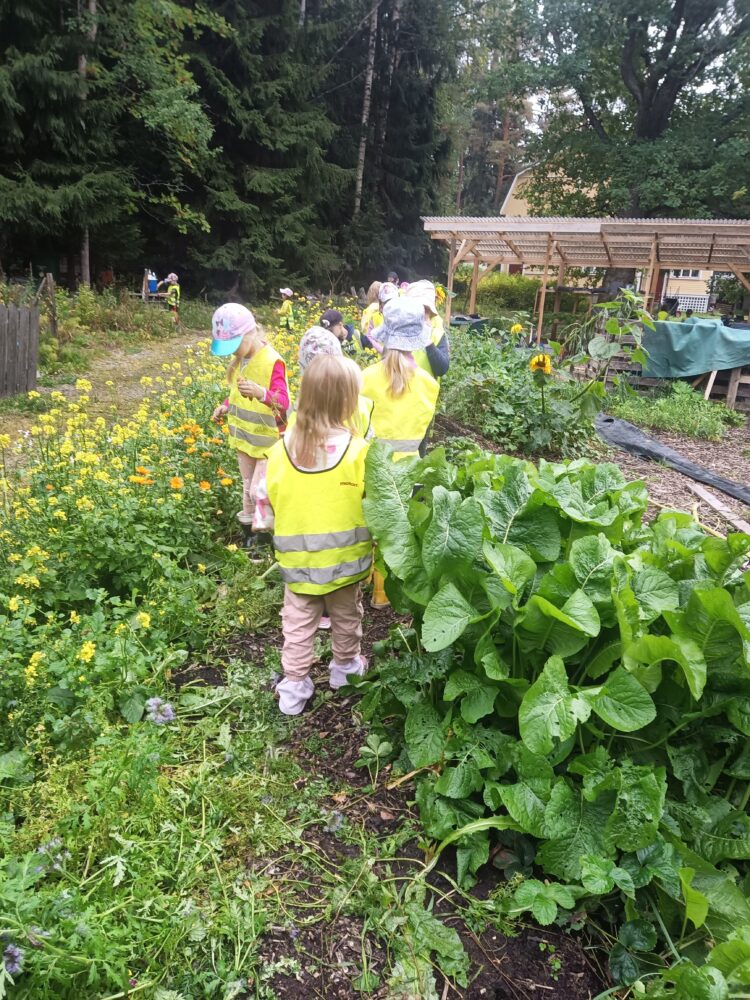
Beyond the harvest, the garden serves as a vibrant social hub. It has become a sanctuary for visitors ranging from local kindergarteners to residents of a nearby care home.
Bridging Generations
For several years, the garden has hosted groups seeking respite and connection. The kindergarteners visit four times a year, engaging with the soil in a way that is increasingly rare for urban children. Research suggests that exposure to the diverse microbiome of a healthy, natural environment is critical for the development of a robust immune system in young children.
For the elderly residents, the garden acts as a bridge to the past. Under the boughs of a grand oak tree, visitors often find themselves reminiscing about their own childhoods and the family plots they once tended. This "biophilic" interaction is not merely anecdotal; it is rooted in biological reality.
The Science of "Forest Bathing"
The health benefits of the garden are supported by the presence of trees and soil microbes. Compounds emitted by trees—terpenes such as limonene and pinene—are known to be absorbed into the bloodstream. Studies indicate that these forest-derived volatile organic compounds can significantly reduce stress, lower blood pressure, improve cognitive function, and enhance mood.
Furthermore, the presence of the garden’s resident cat, Siiri, serves as a catalyst for oxytocin production. The simple act of interacting with animals—watching, touching, and conversing with them—has been shown to reduce cortisol levels and promote a sense of calm among the elderly, proving that nature-based social intervention is a potent tool for public health.
Cultivating Sustainability: The Case of the Jerusalem Artichoke
While many gardeners view the Jerusalem artichoke as a nuisance, this project highlights its role as a "set-and-forget" superfood.
Ecological Resilience
The Jerusalem artichoke is a remarkably resilient plant. By moving it to the perimeter, the garden has utilized the plant’s vigor to act as a natural windbreak and a late-season pollen source for pollinators. When most other flowers have faded, the artichoke blooms, providing essential resources for bees and other insects as they prepare for winter.
Culinary Potential
The nutritional profile of the Jerusalem artichoke is significant, being rich in inulin—a prebiotic fiber. However, because inulin can be difficult for some to digest in large quantities, the garden advocates for roasting the tubers with their skins on alongside other root vegetables to balance the digestive load.

For those willing to put in the time, the vegetable transforms into a velvety soup, often served during "Kekri" (traditional Finnish harvest festivals). By pairing the soup with root vegetable chips—made from parsnip and artichoke—the gardeners have successfully minimized waste while maximizing flavor.
Implications for Future Land Use
The lessons learned in this Korso garden extend far beyond its fences. The success of this model suggests several implications for urban planning and public health:
- The No-Dig Revolution: By adopting no-dig practices, urban gardeners can sequester carbon more effectively and maintain higher levels of soil moisture, reducing the need for constant watering and synthetic fertilizers.
- Intergenerational Cohesion: Integrating nature into the daily lives of the elderly and the young fosters a sense of community that modern urban environments often lack.
- Local Resilience: Moving toward a diet that includes hardy, perennial, and high-yield crops like the Jerusalem artichoke reduces dependency on global food supply chains and enhances regional food security.
Supporting the Ecosystem: A Call to Action
The work being done in this garden is part of a larger movement to re-evaluate our relationship with the natural world. As we look toward a future defined by climate uncertainty, the ability to cultivate not just food, but also community and health, becomes a vital skill.
For those interested in supporting this type of environmental journalism and the advocacy of sustainable practices, organizations like Suomen Luonto continue to provide the research and discourse necessary to inform the public. As the seasons turn and the final harvests of the year are brought in, the message from the garden remains clear: when we care for the earth, the earth returns the favor—in health, in food, and in the quiet joy of a life lived in harmony with the natural cycle.
A Note on Best Practices
Whether you are a seasoned gardener or a novice, the principles applied here—minimizing soil disruption, fostering biodiversity, and engaging with the local ecosystem—are accessible to all. By turning a small patch of dirt into a place of life, we do more than grow vegetables; we grow a healthier, more connected society.
As the garden enters its winter rest, the legacy of the summer remains in the soil, the memories of the visitors, and the jars of preserves on the shelf. The garden stands as a testament to the fact that even in the smallest of spaces, one can cultivate a world of abundance.