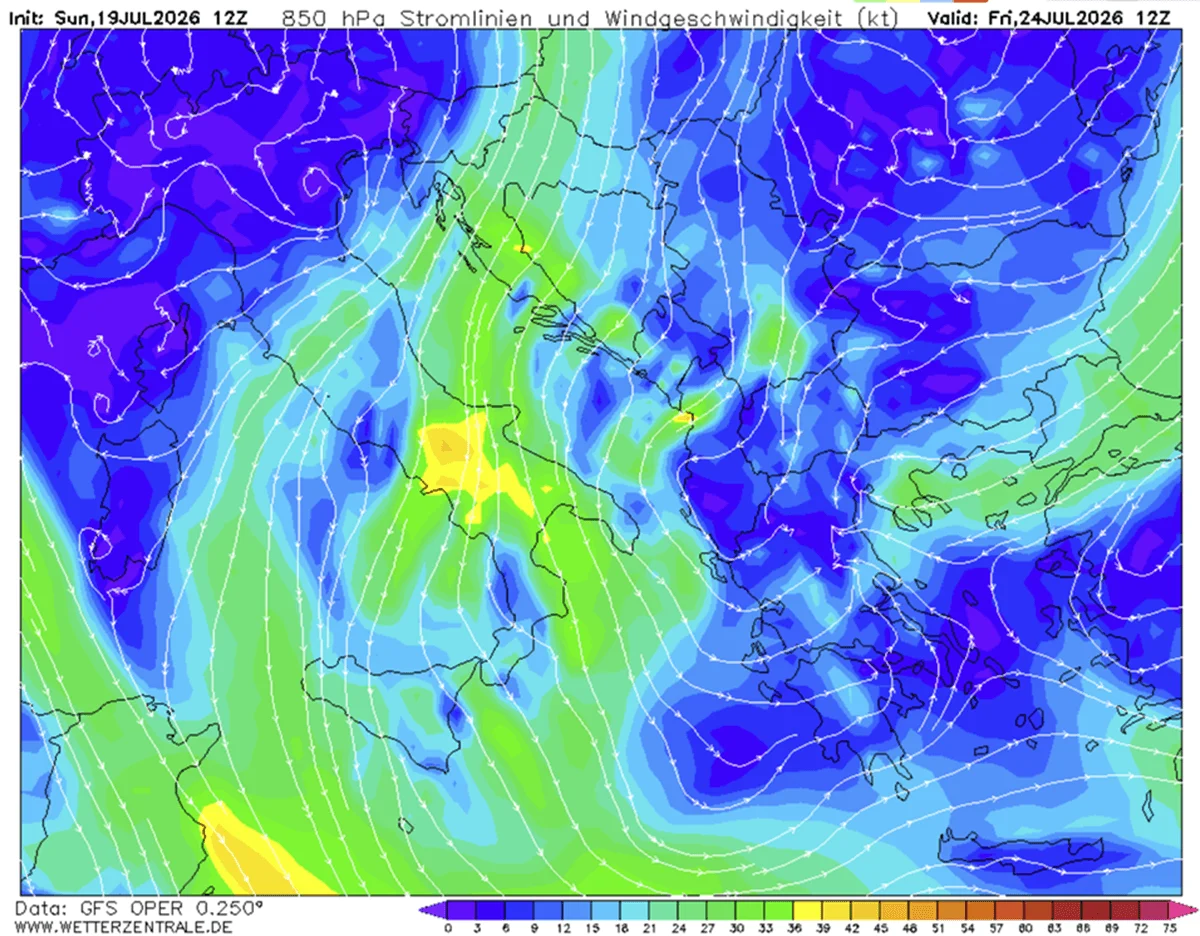
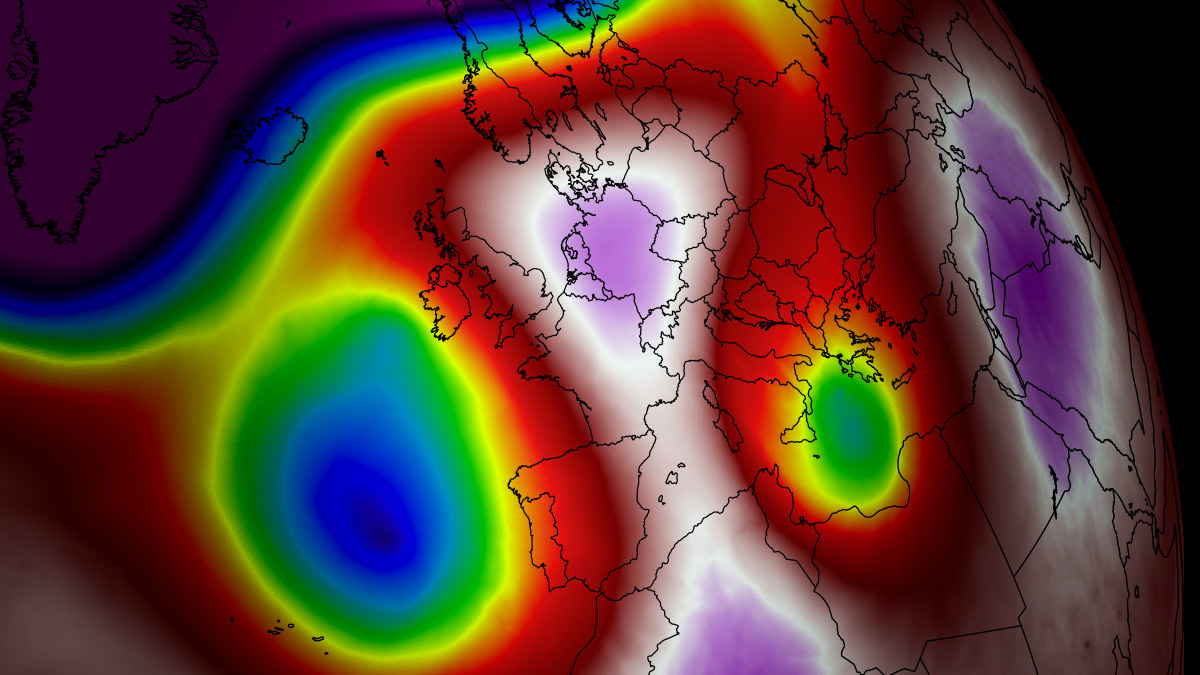
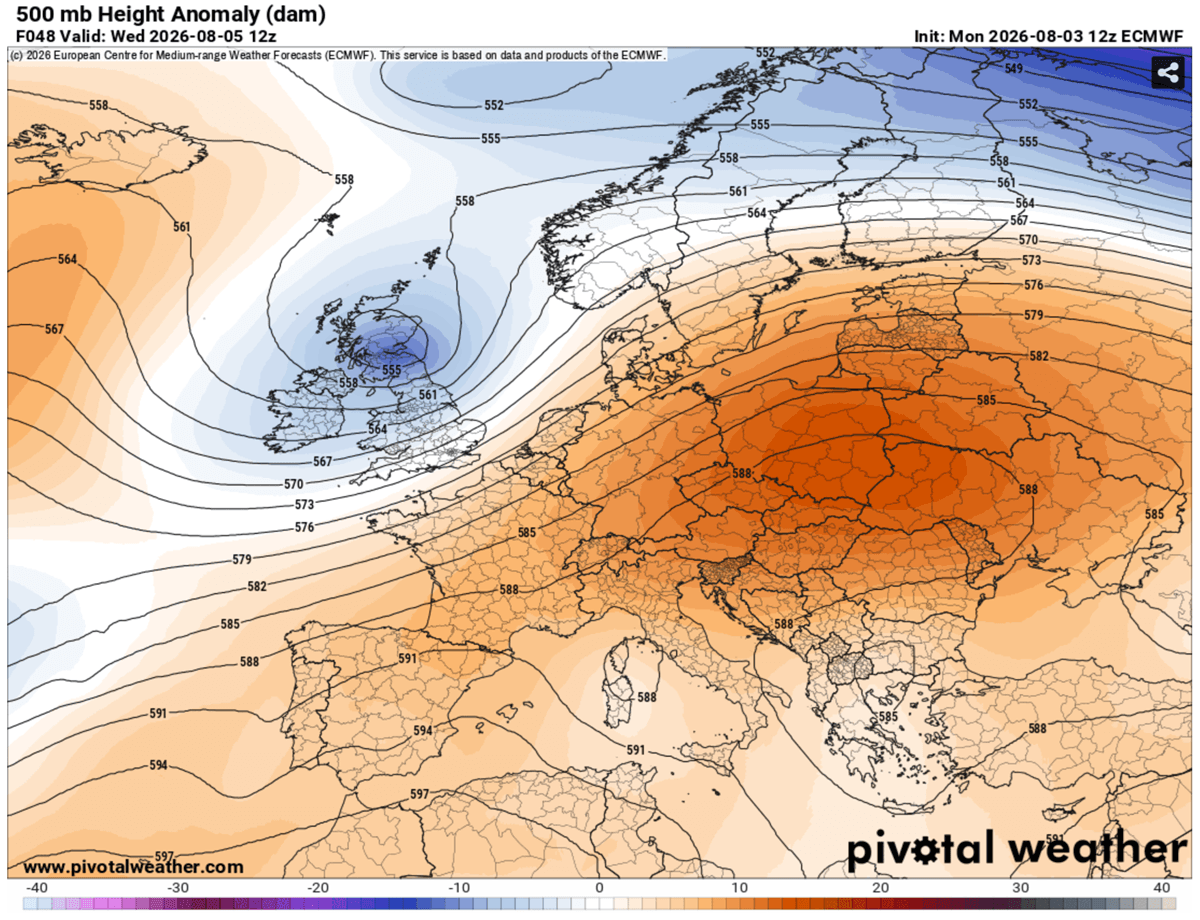
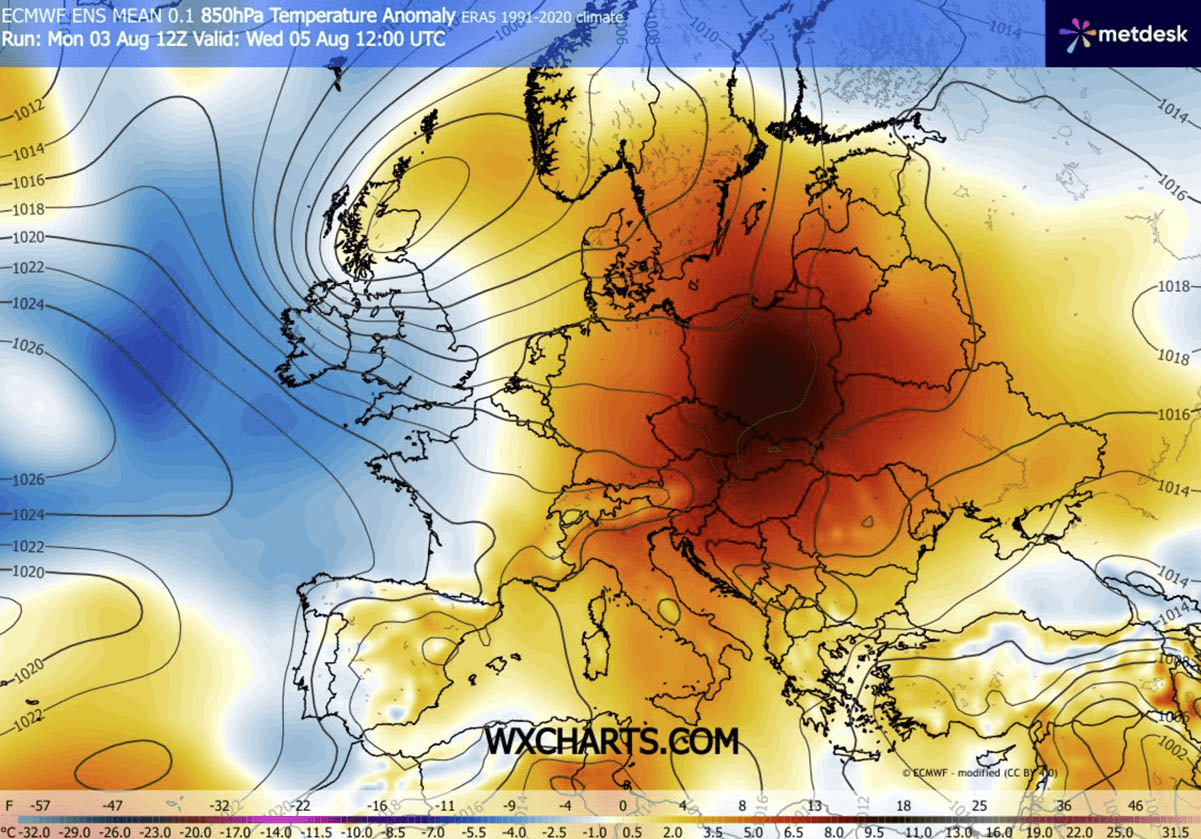
A high-amplitude, upper-level ridge is currently expanding eastward across Central Europe and the Balkan Peninsula, locking the continent into a widespread, life-threatening heatwave. As we move through the first week of August, daytime highs are projected to consistently soar above 40°C. Driven by a persistent "Heat Dome" synced with an Omega block pattern, an exceptionally warm and arid air mass—surging directly from North Africa—is pushing upper-air thermal anomalies into the 99th percentile. This atmospheric stagnation is bringing excessive, record-challenging heat to northern Italy, Hungary, Croatia, Serbia, and surrounding regions, creating a meteorological crisis that shows few signs of immediate abatement.
The Atmospheric Engine: Decoding the Heat Dome
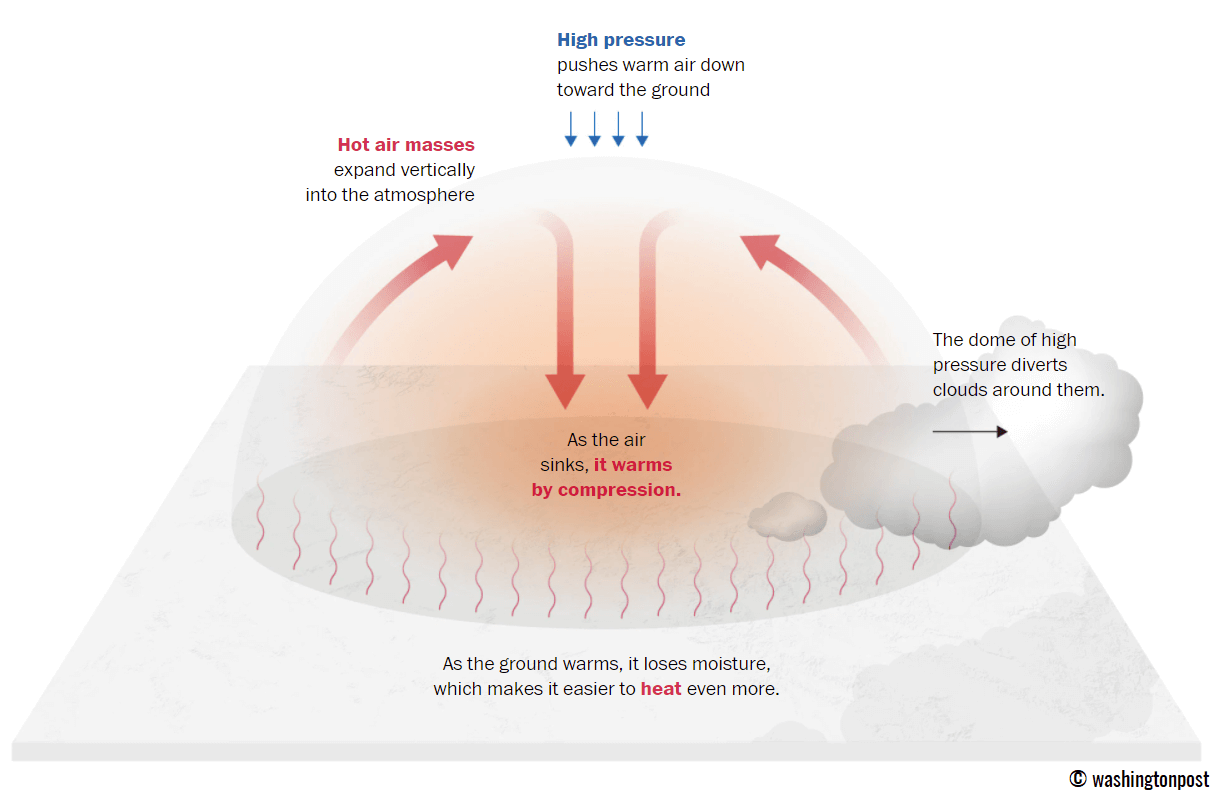
The primary driver of this multi-week thermal event is a stubborn, stationary high-pressure system parked directly over the heart of the continent. Meteorologically, this functions as an "atmospheric lid" on a pot. As sinking air compresses and warms the lower troposphere, it creates a feedback loop that traps heat at the surface, preventing cooling cycles and blocking incoming, cooler maritime air from the Atlantic.

In low-lying river basins—specifically the Po Valley and the Pannonian Basin—peak surface temperatures are forecast to range between 40°C and 43°C. Simultaneously, continental dry winds are stripping the land of moisture, accelerating agricultural drought and creating conditions ripe for explosive wildfire activity.
This is not merely a daytime phenomenon. The system is characterized by a lack of nocturnal relief, as urban centers grapple with "tropical nights," where temperatures refuse to dip below 22°C to 26°C. For millions of residents, this means the body is denied its vital nightly recovery period, compounding physiological stress and increasing the risk of heat-related mortality.
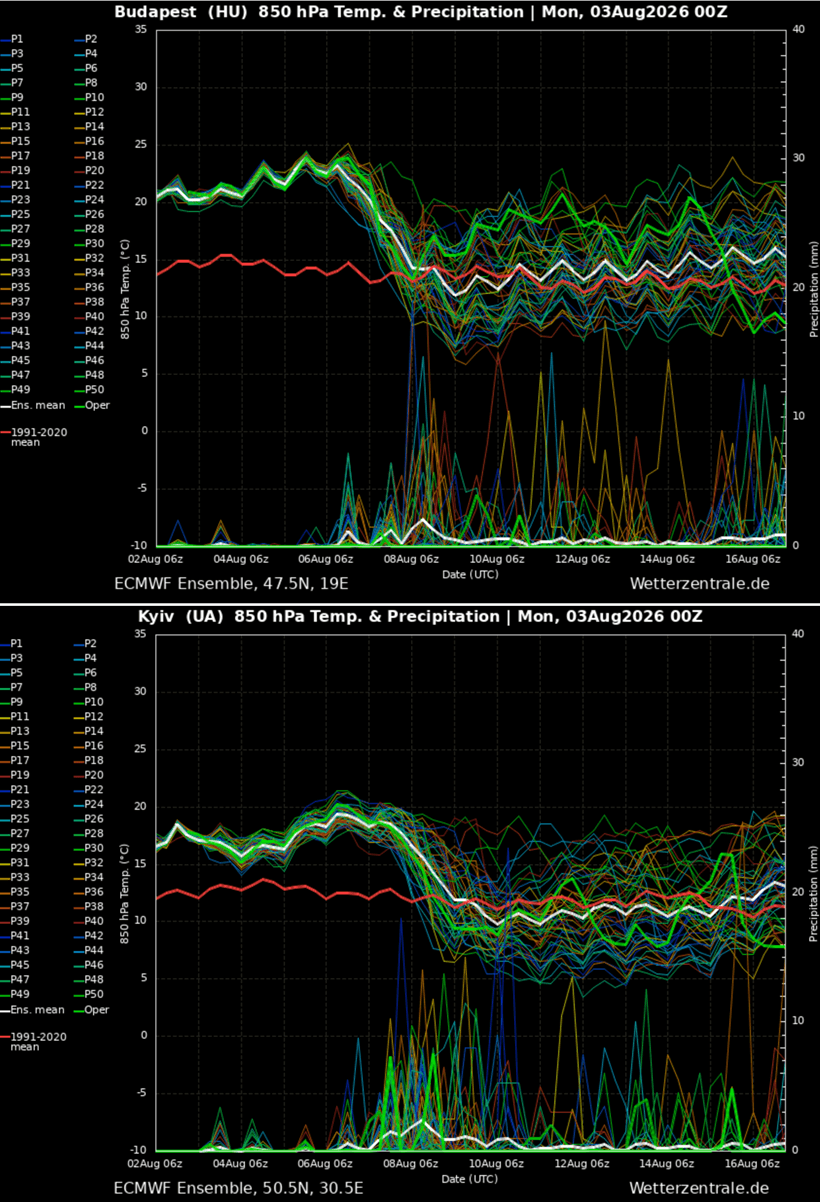
Chronology of the Heat Surge: A Week of Extremes
The progression of this heatwave is methodical, moving from west to east as the Omega block adjusts its position.
- Tuesday (The Central Push): The ridge exerted maximum pressure over Germany, the Czech Republic, and Eastern Austria. Temperatures peaked between 36°C and 40°C in these regions, with Hungary and Slovakia experiencing the most rapid escalation of heat.
- Wednesday (The Eastern Shift): As the core of the dome moved eastward, the most anomalous heat migrated into Croatia, Serbia, and Romania. While Western Europe saw marginal relief due to a strengthening maritime flow from the Atlantic, the eastern half of the continent entered the "danger zone."
- Thursday (The Peak): This represents the zenith of the heatwave for the northern Balkans and Eastern Europe. With temperatures expected to reach 43°C in the heart of the Pannonian plains, infrastructure and human health are being pushed to their absolute limits.
- Friday and Beyond: The excessive heat will further expand into western Russia, Bulgaria, and Greece. The atmospheric stagnation ensures that even as the weekend approaches, the relief remains minimal for the Balkan Peninsula, which has been under consistent thermal assault since mid-July.
Supporting Data: Why "Feels Like" Matters
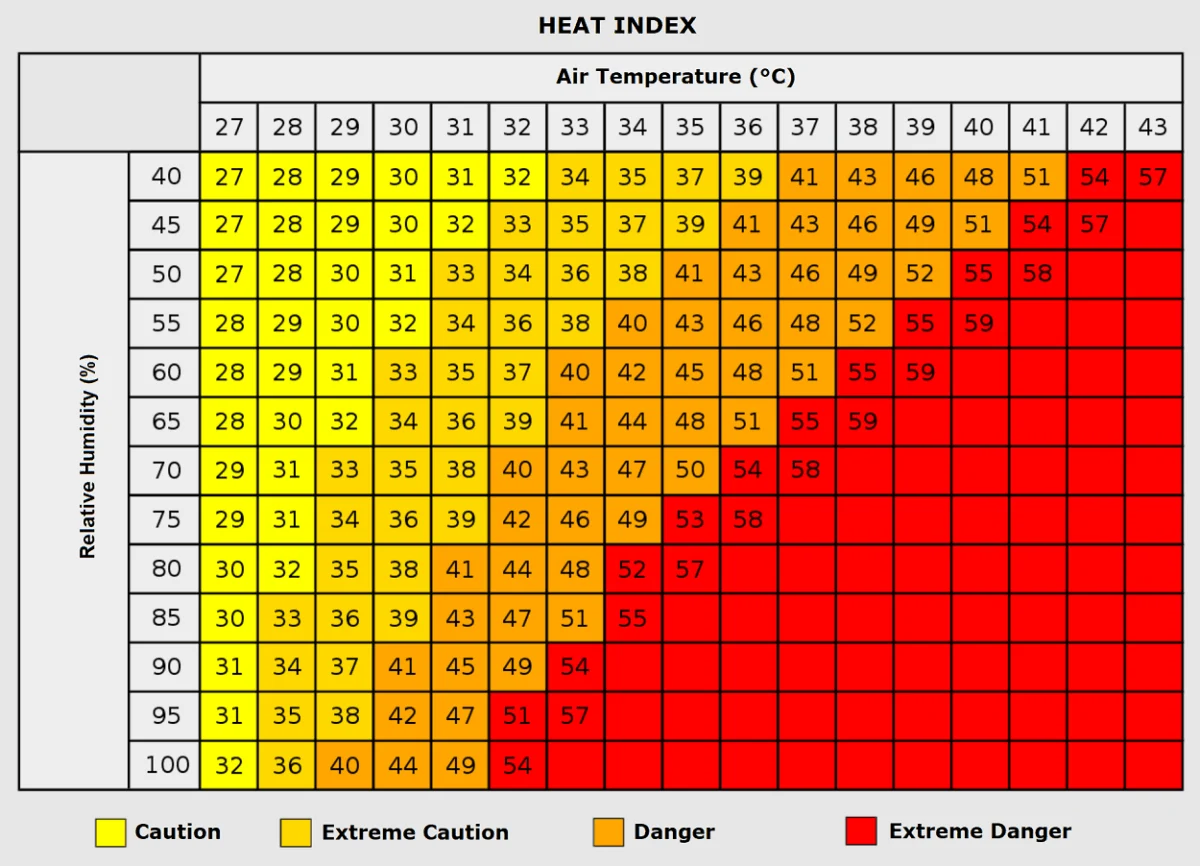
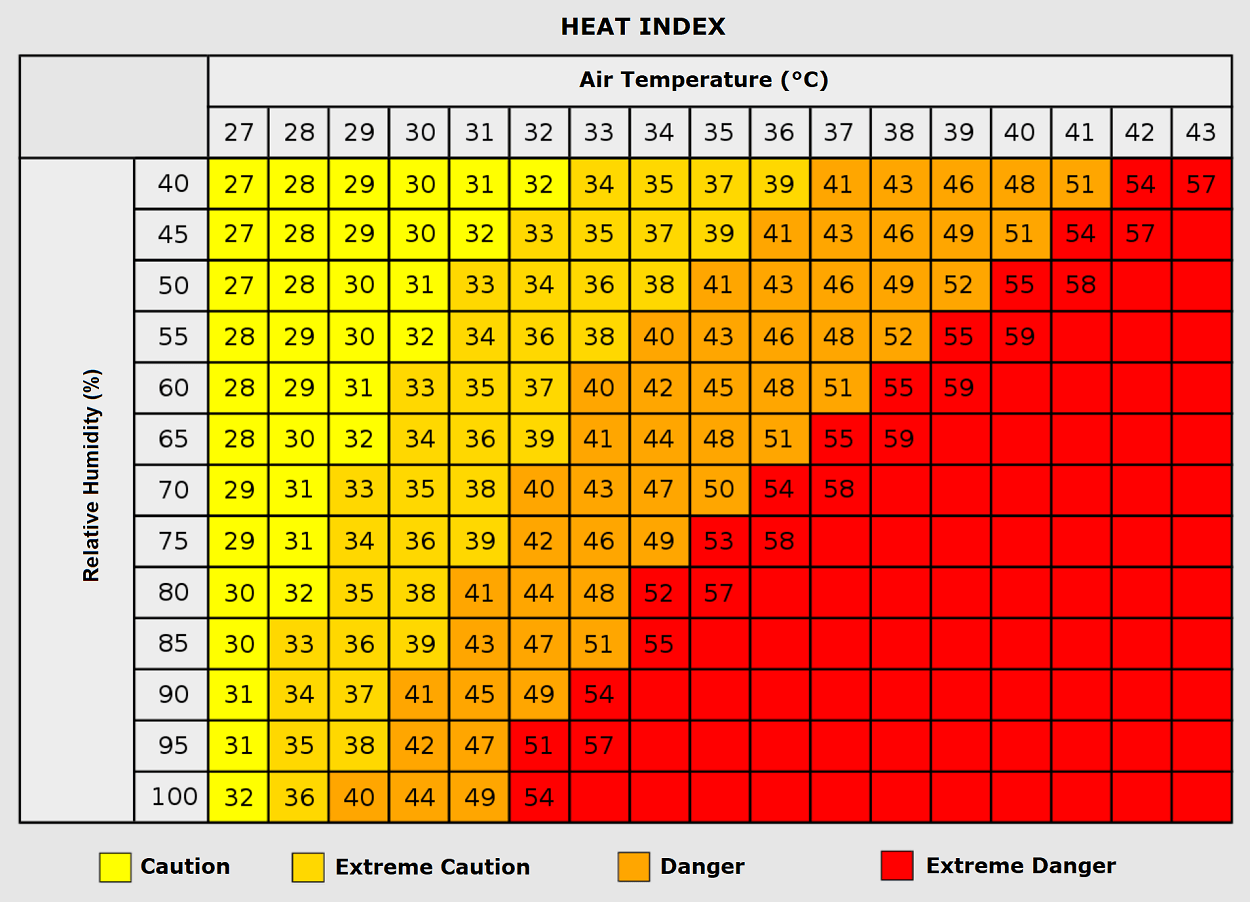
Meteorologists are increasingly emphasizing the "Heat Index" over raw thermometer readings. When an air mass hits 35°C, the relative humidity becomes the deciding factor in survival.
According to data modeling, when humidity levels exceed 60%—and certainly when they push toward 80%—the human body’s primary cooling mechanism, perspiration, fails to evaporate. In these scenarios, the "real-feel" temperature can soar toward 50°C. This level of environmental stress is not merely uncomfortable; it is a clinical trigger for heat exhaustion and heat stroke, particularly among the elderly and those with pre-existing cardiovascular or respiratory conditions.
Urban heat island effects exacerbate these conditions. In dense cities, concrete and asphalt act as thermal batteries, absorbing solar radiation during the day and re-radiating it throughout the night. This ensures that the ambient air remains stifling, preventing buildings from cooling down and placing immense strain on power grids as air conditioning demand spikes to record levels.
Implications: Health, Agriculture, and Energy
The implications of this heatwave extend far beyond the inconvenience of hot weather.
Public Health Risks
Medical experts warn that prolonged exposure to such temperatures leads to a cascade of health crises. Dehydration is the primary concern, followed by the rapid onset of heat stroke. Furthermore, hospitals often see a significant uptick in heart attacks and strokes during these events, as the cardiovascular system works overtime to regulate internal body temperature. The most vulnerable populations—construction workers, farmers, and those living in substandard housing without adequate ventilation—are at the highest risk.
Agricultural Consequences
The combination of record-breaking heat and dry, continental winds is catastrophic for soil moisture. Crops in the Pannonian Basin—a vital breadbasket for Europe—are suffering from premature desiccation. This drought, paired with the risk of wildfires, threatens the food supply chain and highlights the growing vulnerability of European agriculture to extreme weather shifts.
Grid Stability
Energy providers across Central and Eastern Europe are operating under high alert. As households and industries increase consumption to combat the heat, the risk of localized brownouts or grid failure grows. The reliance on electricity for cooling during tropical nights creates a sustained load that traditional grid infrastructures were not designed to support for such extended durations.
Official Responses and Long-Range Outlook
While regional governments have issued "Red Level" heat warnings and urged citizens to avoid outdoor activity between 11:00 AM and 6:00 PM, the systemic challenge remains daunting. Local authorities have initiated hydration stations and "cool zones" in major cities, but the sheer geographic scale of this heat dome makes comprehensive mitigation difficult.
Looking toward the horizon, climate modeling offers little solace. Current data indicates that following the collapse of this ridge next weekend, a secondary, potentially more powerful ridge may develop. Ensemble models suggest a new heat dome could expand into southwestern and western Europe by mid-August. This shift would likely move the focus of the extreme heat toward Portugal, Spain, France, and eventually the British Isles.
This pattern of "stuck" weather systems is becoming an increasingly common feature of the European summer. The current event serves as a stark reminder of the sensitivity of modern infrastructure to atmospheric blocking patterns. As the scientific community continues to monitor these developments, the consensus is clear: the climate of Europe is entering a new phase of volatility, where heatwaves are not merely transient weather events but prolonged, multi-week crises that require a fundamental shift in urban planning, energy policy, and public health preparedness.
For now, the advice remains universal: stay hydrated, avoid direct sun exposure, and check on vulnerable neighbors. As the heat dome continues its transit across the continent, the resilience of both the population and the environment is being tested on an unprecedented scale.