Since its inception in 1965, the “Olympia” name has served as the definitive gold standard in the world of professional bodybuilding. More than just a competition, it is a cultural phenomenon that has transformed the perception of human aesthetics, discipline, and physical potential. From the rugged, nascent days of the Brooklyn Academy of Music to the high-octane, multi-million-dollar spectacles currently hosted in Las Vegas, the Olympia has been the crucible where legends are forged.
As we look toward the 2026 Olympia final—set to take place in Las Vegas from September 24 to 27—it is essential to understand the history, the milestones, and the figures that have defined this prestigious show. Before the next Sandow is hoisted into the air, we dive deep into the records, the rivalries, and the evolution of bodybuilding’s most coveted prize.
The Genesis: Larry Scott and the Birth of a Dynasty
The Olympia was born from a simple yet ambitious vision: to create a platform for the winners of the Mr. Universe competition to continue competing professionally and to earn a livelihood for their efforts. Joe Weider, the architect of the modern fitness industry, saw a gap in the landscape where retired champions had nowhere to showcase their continued progress.
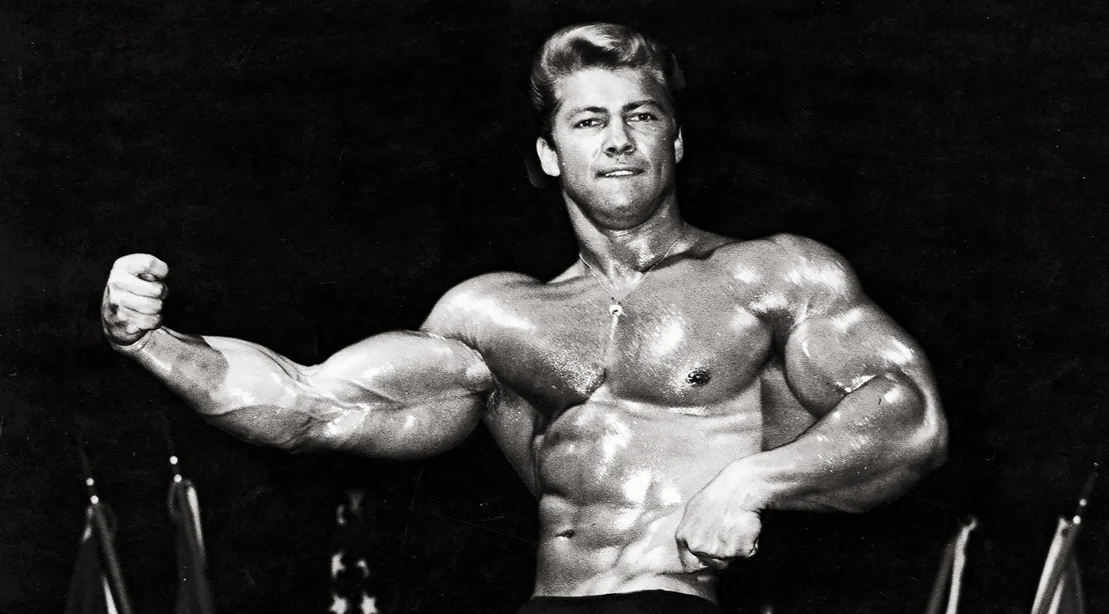
The inaugural Mr. Olympia took place in 1965, and the man who etched his name into history was Idaho’s “The Golden Boy,” Larry Scott. Scott was the quintessential champion of his era, possessing a physique that redefined mass and symmetry, particularly his legendary triceps.
It is a common misconception that the Sandow Trophy has always been the prize. In reality, the first-ever winner was presented with a literal crown and a check for $1,000. When Scott repeated his victory in 1966, he earned another $1,000, but the crown was replaced by a commemorative silver plate. It would take over a decade for the iconic Sandow to become the standardized symbol of Olympia excellence.
The Evolution of the Sandow Trophy
The Sandow Trophy is arguably the most recognizable piece of hardware in all of sports. Named after Eugen Sandow, the “Father of Modern Bodybuilding,” the trophy pays homage to the man who organized the world’s first major bodybuilding competition at London’s Royal Albert Hall in 1901.
The figure itself is a sculptural masterpiece, originally designed by Frederick W. Pomeroy. In its initial iteration, the statue was awarded in gold, silver, and bronze at the 1901 London show. While it appeared sporadically in later years—most notably at the 1950 Mr. Universe—it wasn’t until 1977 that the Sandow became the permanent, standardized emblem of the Mr. Olympia. That year, the legendary Frank Zane became the first to hold the modern incarnation of the trophy.
Olympia President Dan Solomon has often emphasized the weight of this tradition, noting, “We award the iconic Sandow Trophy to the #1 bodybuilder in the world. The winner of this trophy is known for the rest of his life as Mr. Olympia.”
Chronology of Dominance: The Eras of the Icons
The history of the Olympia is marked by eras of absolute dominance, where a single athlete would hold the throne for years, forcing the rest of the field to evolve or fade away.
The Haney and Coleman Epochs
Two men stand atop the mountain with eight consecutive victories each: Lee Haney and Ronnie Coleman.
- Lee Haney (1984–1991): Emerging from Spartanburg, South Carolina, Haney brought a level of mass and back development that had never been seen before. After winning his first Teen Mr. America in 1979, Haney dominated the 80s, holding the title for eight straight years until his retirement in 1991.
- Ronnie Coleman (1998–2005): Known as “The King,” this former police officer shifted the paradigm of the sport toward extreme, peeled conditioning coupled with unprecedented size. His reign saw him fend off legendary competitors like Flex Wheeler, Kevin Levrone, and Jay Cutler, cementing a legacy that arguably represents the peak of professional bodybuilding.
The Most Decorated: Iris Kyle
While the men’s Open division often commands the spotlight, the true record-holder for the most Olympia titles across any division is Iris Kyle. Between 2001 and 2014, Kyle dominated the Heavyweight and Open groupings, securing an astonishing 10 titles. Her ability to remain at the top for over a decade speaks to an unmatched level of mental fortitude and physical consistency.
The Marathon Men: Longevity in the Arena
Bodybuilding is a sport that takes a severe toll on the human body, making the careers of those who compete in multiple Olympia finals all the more impressive.
Dexter Jackson, affectionately known as “The Blade,” holds the record for the most Olympia final appearances with 21. From his debut in 1999 to his final bow in 2020, Jackson remained a top-tier threat. His 2008 win was the culmination of relentless persistence; he competed in the event eight times before finally seizing the Sandow. By the time he retired, he had amassed 16 top-six finishes—a record that highlights a level of sustained excellence that may never be replicated.
Financial Stakes: The Price of Glory
The financial landscape of the Olympia has shifted dramatically over the decades. What began as a $1,000 prize in 1965 has ballooned into a purse reaching $600,000 for the winner of the 2025 Mr. Olympia.
However, when calculating the "all-time earner," we must look beyond a single year’s paycheck. While Derek Lunsford’s 2025 victory represents the highest single-event prize in history, the career earnings of Phil Heath—"The Gift"—remain a benchmark. Winning seven consecutive titles between 2011 and 2017, combined with consistent high-tier earnings throughout his tenure, places Heath at the top of the financial hierarchy in the modern era, with career earnings estimated well over $2 million from the Olympia stage alone.
Official Perspectives: The Future of the "O"
As we approach the 2026 event, the atmosphere is electric. The Olympia has transitioned from a niche exhibition into a global entertainment powerhouse. According to Olympia organizers, the goal for 2026 is to expand the reach of the sport to new demographics while maintaining the integrity of the judging process.
The sport is currently in a state of rapid evolution, with advancements in sports science, nutrition, and recovery protocols allowing athletes to reach new levels of muscularity and definition. However, the core of the event remains the same: the struggle of the individual against their own limitations.
Implications for the 2026 Final
As the 2026 Olympia approaches, the industry is buzzing with speculation. Can a new generation of talent usurp the current guard? Will we see the emergence of a new dynasty, or will the title continue to trade hands in a more competitive, parity-driven environment?
The history of the Olympia tells us one thing: the sport is cyclical. Every era of dominance eventually gives way to a challenger who has studied the blueprints of their predecessors. Whether it is the tactical perfection of a veteran or the raw, untamed potential of a newcomer, the stage in Las Vegas will once again reveal who has the "Sandow spirit."
For the fans, the 2026 event promises more than just a crowning; it represents the latest chapter in a 60-year saga of human excellence. As we prepare to watch the world’s best step into the light, remember that each man and woman on that stage is competing not just against one another, but against the ghosts of Larry Scott, Lee Haney, Ronnie Coleman, and Iris Kyle.
To stay updated on the qualifying events, ticket information, and athlete profiles for the upcoming 2026 Olympia, fans are encouraged to monitor official channels and the primary Olympia website. The road to the 2026 title is paved with sacrifice, and come September, the world will be watching to see who earns their place in the pantheon of iron.