For decades, the concept of American health has evolved from a narrow focus on physical ruggedness to a sophisticated, holistic understanding of human performance. While the foundational goal remains the same—to foster a resilient, capable citizenry—the methodology has undergone a profound transformation. Today, as we observe National Wellness Month this August, it is clear that optimal health is no longer a luxury or a segmented pursuit; it is a vital national imperative that bridges the gap between physical capability and mental fortitude.
The Evolution of the "American Standard"
The narrative of American health arguably reached a turning point in the mid-20th century. President John F. Kennedy, ever the advocate for vigor, famously worried that the nation was becoming "soft." In his seminal December 1960 Sports Illustrated essay, "The Soft American," the President-elect argued that physical fitness was not merely a private aesthetic goal but a foundational requirement for intellectual and national achievement.
Kennedy wrote, "Physical fitness is not only one of the most important keys to a healthy body; it is the basis of dynamic and creative intellectual activity." This vision set the tone for a generation, linking the health of the individual to the stability and capability of the Republic.
A Paradigm Shift: The Integration of Mental Health
As we moved into the 21st century, the definition of "wellness" expanded to account for the complexities of modern life. In 2002, President George W. Bush marked a watershed moment for mental health awareness when he established the New Freedom Commission on Mental Health. His administration dismantled the stigma surrounding psychological struggles, asserting that, "Mental disability is not a scandal; it is an illness. And like physical illness, it is treatable, especially when the treatment comes early."
This shift recognized that physical training—while essential—could not sustain a person if the mind remained neglected. Modern leaders, health professionals, and citizens now understand that wellness requires a dual-track approach. One cannot simply divide their attention into two 50-percent segments; rather, one must devote 100 percent of their commitment to both physical and mental well-being simultaneously.
The Synergy of Mind and Body: Supporting Data and Real-World Application
The most compelling evidence for this dual-approach comes from those who operate under the highest levels of stress: our military personnel. For the past five years, Muscle & Fitness and Fit to Serve have collaborated to analyze how military and government leaders optimize their wellness. The findings suggest a reciprocal relationship: physical activity serves as a powerful recovery tool for mental trauma, while a healthy mental state provides the motivation necessary for consistent physical training.
Case Study: The Recovery of Senior Master Sergeant Aaron Lin
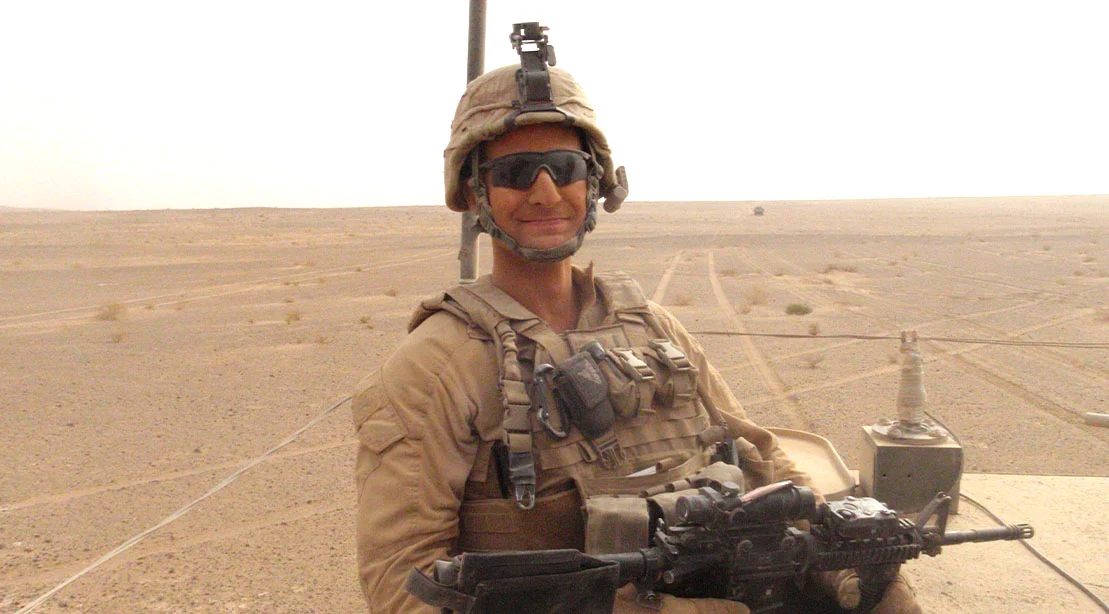
The story of Air Force Senior Master Sergeant Aaron Lin serves as a masterclass in the synergy of wellness. During his career, Lin faced the debilitating challenges of Post-Traumatic Stress Disorder (PTSD). His recovery was not found in a pill alone, but through the Air Force Wounded Warrior (AFW2) program, which introduced him to competitive sports.
"Sports and fitness elevated my recovery to a place where I never thought possible," Lin noted. By engaging in the physical rigors of competition, Lin found a renewed sense of purpose. The goal of winning gold provided a cognitive focus that allowed him to process his experiences in a supportive, team-oriented environment.
The Compound Effect: Perspective from Give an Hour
Trina Clayeux, CEO of the nonprofit Give an Hour, emphasizes that this formula functions in reverse as well. When individuals—particularly veterans—realize that maintaining their physical health is a form of civic responsibility, their motivation skyrockets. "I have seen it in my life, and others will as well," Clayeux explains. "The practice of it is so important because of the compound effect." When an individual views their physical fitness as a contribution to the community rather than a vanity project, they become more resilient and disciplined.
Strategies for Sustainable Wellness
Embarking on a wellness journey often feels overwhelming. However, the secret to longevity is consistency, not intensity. Building momentum requires starting with actionable, simple habits that reinforce both spheres of health.
Nutrition as Camaraderie
Nutrition is frequently treated as a scientific equation of calories and macros, but the social aspect of eating is equally vital to mental health. The philosophy shared by experts like Mohan and Irvine is that food is a tool for building teams. When families or units gather to break bread, they create social bonds that act as a buffer against isolation and stress. By viewing nutrition as an experience to be shared, we elevate a biological necessity into a community-building activity.
Service: The Ultimate Mental Anchor
Perhaps the most potent strategy for mental health is contributing to a cause larger than oneself. This concept is central to the military ethos, but it is equally applicable to civilians, teenagers, and students. As the fourth Senior Enlisted Advisor to the Chairman of the Joint Chiefs of Staff (SEAC), Ramón Colón-López (known as "CZ"), suggests, the concept of service is the antidote to self-centered anxiety.
"Service is a choice that younger people can make that can make them feel a part of something bigger than themselves," CZ stated. "The more you get the concept of it being not about you but the mission and team in your head, the more successful you are going to be." By aligning personal fitness goals with the ability to serve others, individuals find a higher level of motivation that sustains them through difficult times.
Implications for the Future of the Nation
The importance of this discussion extends far beyond August, which serves merely as a focal point for an annual conversation. The collective health of the American people is the primary engine of our national strength. When we adopt a holistic definition of wellness, we move away from reactive healthcare and toward proactive performance.
The Duty of the Individual
Taking ownership of one’s well-being is not an act of selfishness; it is an act of patriotism. A citizen who is physically capable and mentally sound is better equipped to support their family, contribute to their workplace, and participate in their community. The "softness" that Kennedy warned against is not just about lack of muscle; it is about a lack of resilience. By honoring our bodies and nurturing our minds, we build a nation that is enduring and prepared for the challenges of an uncertain future.
Institutional Support and Policy
While the responsibility begins with the individual, institutional support is critical. From the policies enacted by the Bush administration to the programs currently championed by the Department of Defense, the trajectory of public health policy is clear: we must continue to integrate mental health resources into the fabric of everyday life. We must ensure that access to physical fitness facilities, nutritional education, and psychological support are not siloed, but presented as a cohesive package of "wellness infrastructure."
Conclusion: A Year-Round Commitment
As we look toward the future, the integration of physical and mental health must remain at the forefront of our national agenda. We are a nation defined by our ability to overcome adversity, a trait that is fundamentally linked to our individual and collective health.
Whether it is the veteran finding peace on the field of play, the student learning the value of service, or the professional prioritizing their nutrition to better serve their team, every act of wellness contributes to the national fabric. We must remember the words of our leaders past and present: wellness is the basis of creative activity, the foundation of recovery, and the prerequisite for success. By committing to this holistic path, we ensure that the American spirit remains as robust, resilient, and ready as it has ever been.
As we close out National Wellness Month, let the focus shift from temporary goals to a permanent, sustainable lifestyle—one that treats health not as a destination, but as a continuous, vital contribution to the greater good.
This article was prepared with contributions from M&F Senior Military Editor Rob Wilkins.