

For decades, the genre of "how-to" literature regarding outdoor recreation has been characterized by a distinct duality: technical manuals that are often dry and jargon-laden, or glossy, aspirational coffee-table books that provide inspiration but little practical utility. Bridging this gap is a challenge that few authors manage to navigate successfully. However, when Wiley—the venerable publisher behind the iconic For Dummies series—approached renowned hiker and adventurer Cam Honan to contribute to their catalog, the result was a departure from the status quo.
The resulting volume, Hiking & Backpacking for Dummies, seeks to marry the hallmark lighthearted, accessible tone of the Dummies franchise with four decades of rigorous, real-world wilderness expertise. It is a comprehensive roadmap for both the novice who has never stepped off the pavement and the intermediate hiker looking to refine their backcountry repertoire.
The Intersection of Legacy and Modern Adventure
A Storied Publishing Pedigree
To understand the significance of this release, one must look at the partner behind the project. Wiley, founded in 1807, holds a unique place in the history of global education. While the company initially established its reputation by publishing literary giants such as Herman Melville and Edgar Allan Poe, it pivoted significantly in the latter half of the 19th century toward academic and instructional materials.
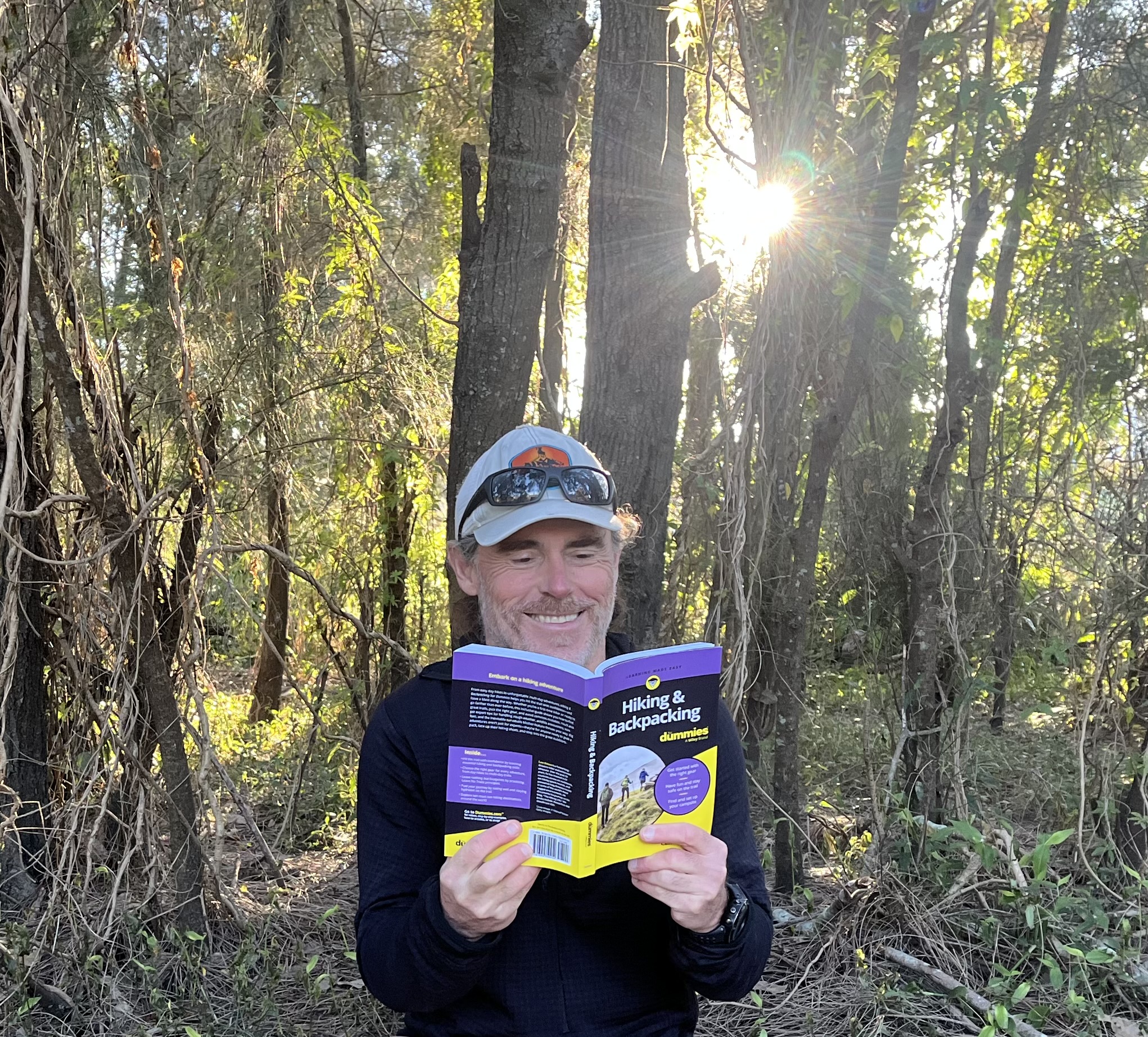
This trajectory culminated in the 1991 launch of the For Dummies series. Since its inception, the franchise has become a cultural touchstone, encompassing over 2,400 unique titles and selling more than 250 million copies worldwide. By integrating hiking and backpacking into this massive library, Wiley has effectively signaled that outdoor recreation is a foundational skill set accessible to the general public, rather than an exclusive domain for the elite mountaineer.
The Author’s Philosophy: Education Over Inspiration
Unlike Honan’s previous Wanderlust series, which leans heavily into the evocative and inspirational power of the landscape, Hiking & Backpacking for Dummies is strictly educational. Honan, whose wilderness experience spans thousands of miles across diverse terrains—from the Alps to the Andes, and the Continental Divide to the remote canyons of Mexico—designed the book to be modular. Readers are not required to read it cover-to-cover; instead, the 300-plus pages are divided into six distinct, navigable parts, allowing users to dive into specific chapters based on their immediate needs.
A Structural Breakdown of the Guide
The book’s architecture is designed for utility. By breaking down the complex realities of long-distance hiking into manageable sections, Honan provides a scaffold for success.

Part 1: The Foundations of Preparation
For the uninitiated, the prospect of planning a multi-day trek can be overwhelming. Part 1 focuses on the "what," "where," and "how" of trip planning. It covers the fundamentals of fitness training, the essential principles of Leave No Trace ethics, and a comparative analysis of different hiking styles—solo, group, and the increasingly popular "furry" trail companion model (hiking with dogs).
Part 2: The Gear Science
Perhaps the most daunting aspect of modern hiking is the sheer volume of equipment available. Honan demystifies the "Big Four" (backpack, shelter, sleeping bag/quilt, and pad) and offers a masterclass in weight management. Rather than merely listing products, the text explains the physics of load distribution and the importance of center-of-gravity management. Crucially, it tackles the "boots vs. trail runners" debate with a pragmatic lens, focusing on durability and value.
Part 3: Skill Acquisition in the Backcountry
Once the gear is packed, the focus shifts to field craft. This section is arguably the most critical for safety, covering everything from river fording techniques to managing wildlife encounters. Honan draws on his own experiences, including his time studying the movement patterns of the Raramuri/Tarahumara in Mexico’s Copper Canyon, to teach readers how to move efficiently across difficult terrain.

Part 4: The Art of Campsite Management
"Home away from home" is more than a cliché in the backcountry; it is a vital component of recovery. Honan delineates the nuances between designated and dispersed camping, providing clear protocols for setting up a shelter in adverse weather. His focus on evening and morning routines is designed to eliminate the chaos that often plagues novice hikers, turning the camp into an organized, efficient base of operations.
Part 5: Health, Safety, and Thermoregulation
Physical well-being is the engine of any hike. This section addresses the metabolic requirements of the trail—specifically the "hangry" phenomenon—and provides a deep dive into hygiene, blister prevention, and the management of natural hazards like flash floods and electrical storms. The inclusion of high-altitude acclimatization protocols, drawn from his traverses in the Cordillera Blanca, adds a level of expert detail rarely found in entry-level guides.
Part 6: The "Part of Tens"
In true Dummies fashion, the final section offers bite-sized insights. This includes a debunking of common hiking myths, a post-mortem on the most frequent beginner mistakes, and a curated list of ten dream hiking destinations. From the Canadian Rockies to the Nepal Himalaya, these suggestions serve as the "carrot" at the end of the technical stick, encouraging readers to apply their newfound skills on a global stage.

Implications for the Outdoor Community
The publication of Hiking & Backpacking for Dummies arrives at a pivotal moment in the growth of outdoor recreation. As more people seek refuge and challenge in the wilderness, the need for standardized, safe, and accessible knowledge has never been higher.
Accessibility and Inclusion
By adopting the For Dummies format, the author removes the "gatekeeping" language often found in technical mountaineering literature. The book effectively lowers the barrier to entry, potentially diversifying the demographic of those who head into the backcountry. When the information is presented in a "no-nonsense, friendly" manner, the fear of the unknown is mitigated, leading to a more prepared and safer community of outdoor enthusiasts.
A Repository of Proven Experience
The book serves as a condensed version of a forty-year career. By distilling lessons from his "12 Long Walks"—a project that spanned over 14,000 miles—Honan provides a level of verification that is often missing from purely academic or theoretical guides. The book is not merely a collection of tips; it is a repository of empirical data learned through trial and error in some of the most unforgiving environments on the planet.

A Reflective Conclusion: The Author’s "Confession"
Despite the depth of the content, the author remains characteristically humble, or perhaps self-deprecating, regarding the promotional phase of the project. "I’m about as good at promoting stuff as I am at line dancing, macramé, and macroeconomics," Honan notes.
In fact, his "master strategy" for the book’s launch was to depart on a hiking trip, prioritizing the very activity he writes about over the traditional marketing circuit. This approach, while perhaps unconventional in the publishing world, reinforces the authenticity of the voice behind the text. The book is not the result of a desk-bound editor’s request for content; it is the culmination of a life lived on the trail.
As it stands, Hiking & Backpacking for Dummies is poised to become a staple for anyone looking to transition from a weekend walker to a proficient backpacker. It is a resource that balances the practical with the philosophical, ensuring that the reader is not only prepared for the challenges of the trail but is also equipped to appreciate the profound, transformative nature of the wilderness.

Where to Access
For those looking to secure a copy, the book is available in both paperback and Kindle formats. Readers are encouraged to support local independent bookstores by requesting the title via its ISBN: 978-1394350254.
As the author notes, the goal is not just to sell a book, but to create a "trusted companion" for hikers for years to come—a goal that, given the depth and clarity of the work, seems well within reach.
Disclosure: This article contains information regarding affiliate-linked resources. Purchases made through these channels help sustain independent outdoor journalism and the continued creation of educational content for the global hiking community.