Date: June 15, 2026
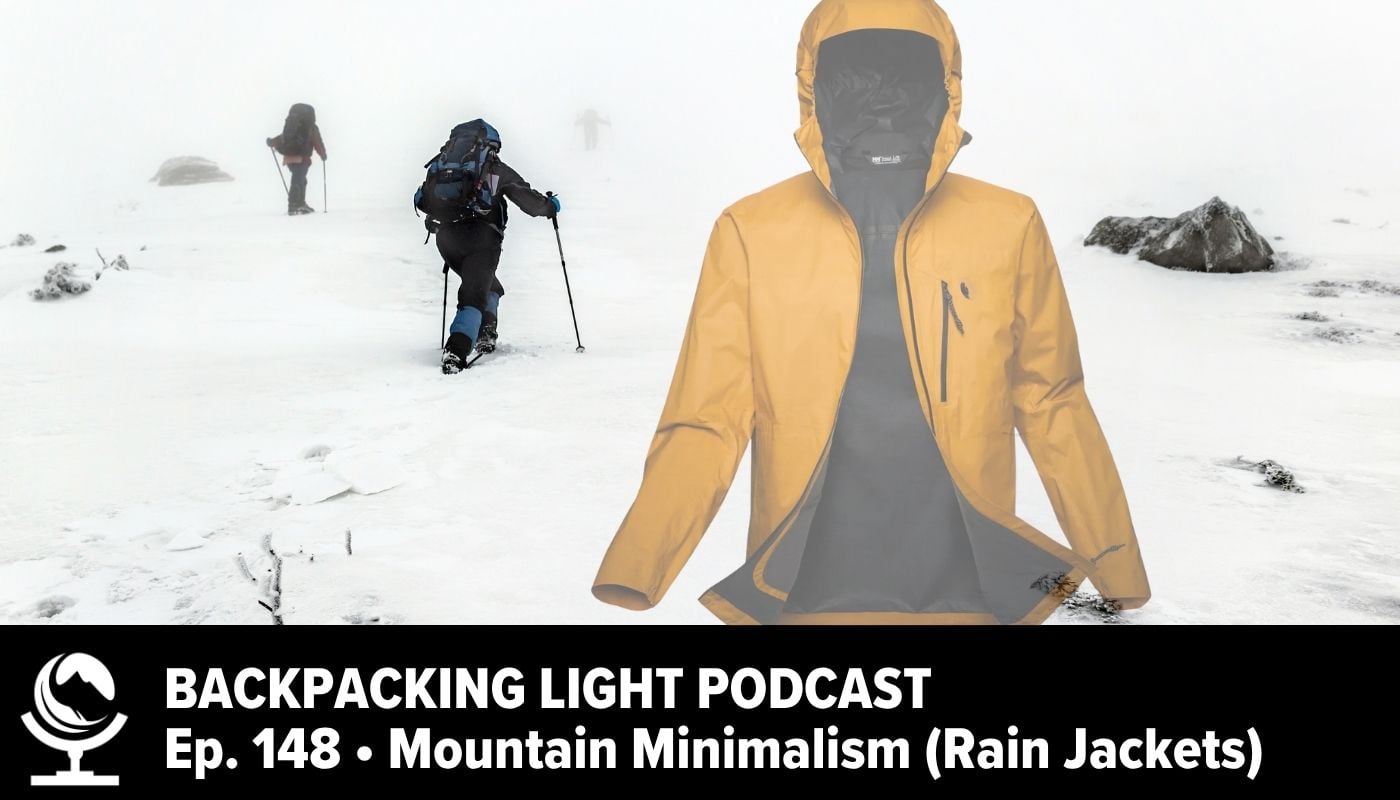
Subject: Backpacking Light Podcast Episode 148: Rethinking Rain Gear for High-Exposure Environments
In the evolving world of backcountry travel, the mantra of "lighter is better" has pushed innovation to the brink of what is physically possible. However, as gear weights drop, the margin for error in high-alpine environments grows increasingly thin. In the latest episode of the Backpacking Light podcast, the editorial team tackles a critical intersection in outdoor safety: the role of the "mountain minimalist" rain shell and the dangerous misconception that an ultralight jacket is a universal solution for all weather conditions.
The Paradigm Shift: Mild Trails vs. Exposed Peaks
For the average weekend hiker on a well-maintained forest trail, a lightweight, packable rain shell is often more than sufficient. These jackets serve as an insurance policy against moderate precipitation and light wind. However, the podcast highlights a growing trend among hikers who carry these same minimalist pieces into exposed, high-altitude terrain where the stakes are significantly higher.
The core thesis of the discussion is that "ultralight" is not a synonym for "all-weather." While a 200-gram shell may keep a hiker dry during a localized summer thunderstorm, it may prove catastrophically inadequate when faced with the sustained, wind-driven moisture and plummeting temperatures of an exposed mountain ridge.
A Decision Framework for Mountain Minimalism
To bridge the gap between weight-saving philosophy and survival, the podcast introduces a comprehensive "Decision Framework." This tool is designed to help hikers evaluate whether their gear selection aligns with the actual risks of their itinerary.
1. Exposure Duration
The duration of a weather event is perhaps the most overlooked factor. A shell that maintains its integrity for one hour of rainfall may succumb to saturation after six hours of relentless exposure. The framework asks hikers to consider the "wet-out" threshold of their membrane and the moisture-management capabilities of their layering system.
2. Retreat Options
How quickly can you exit the terrain? In a deep valley with clear trail access, your risk profile is low. On a technical ridgeline or an exposed summit, retreat may take hours or even days. If you cannot retreat, your gear must become your primary shelter.
3. Terrain and Abrasion
Minimalist gear often utilizes thinner, lighter face fabrics—frequently in the 10-denier to 20-denier range. While these fabrics are marvels of modern textile engineering, they are not invincible. In terrain involving rock scrambling, bushwhacking, or heavy pack-strap friction, the structural integrity of these thin shells can be compromised quickly, leading to leaks exactly when you need protection most.
4. Wind and Thermal Margin
Waterproof-breathable fabrics are only half the battle. The podcast emphasizes that the true test of a mountain shell is its ability to serve as a wind barrier. When wind speeds increase, the effective temperature (wind chill) drops rapidly. A shell that lacks the structural robustness to block sustained gusts can lead to thermal regulation failure, even if the wearer remains technically "dry."
Featured Gear: The New Standard in Minimalist Shells
The episode highlights three specific products that exemplify the current state of the art in high-performance, lightweight shells. Each represents a distinct approach to balancing weight with alpine-grade protection.
Helly Hansen Odin Infinity Minimalist Jacket
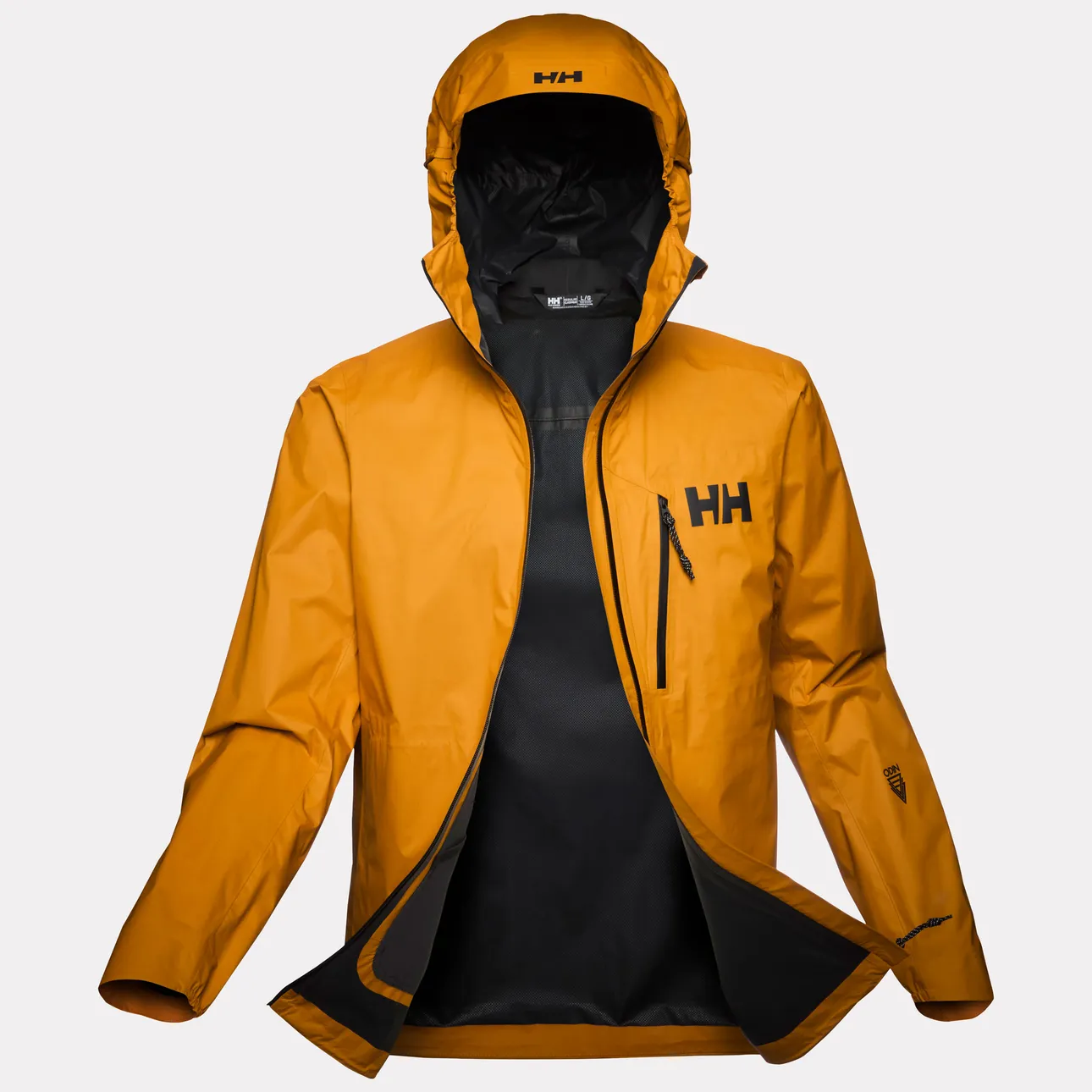
At 250 grams, this 3.5-layer shell utilizes HELLY TECH PROFESSIONAL technology. It is a prime example of "mountain minimalism," offering a balance of 2-way stretch for mobility and a robust waterproof-breathable construction. Its inclusion of a RECCO reflector and a helmet-compatible hood signals that it is designed with the technical user in mind, rather than just the casual hiker.
Arc’teryx Alpha SL Jacket
Coming in at a trim 232 grams, the Alpha SL is a masterclass in weight reduction. By utilizing GORE-TEX PRO ePE and a 20D Hadron face fabric, it offers professional-grade protection in a package that feels almost weightless. Its focus on PFAS-free construction aligns with current environmental standards without sacrificing the durability required for alpine pursuits.
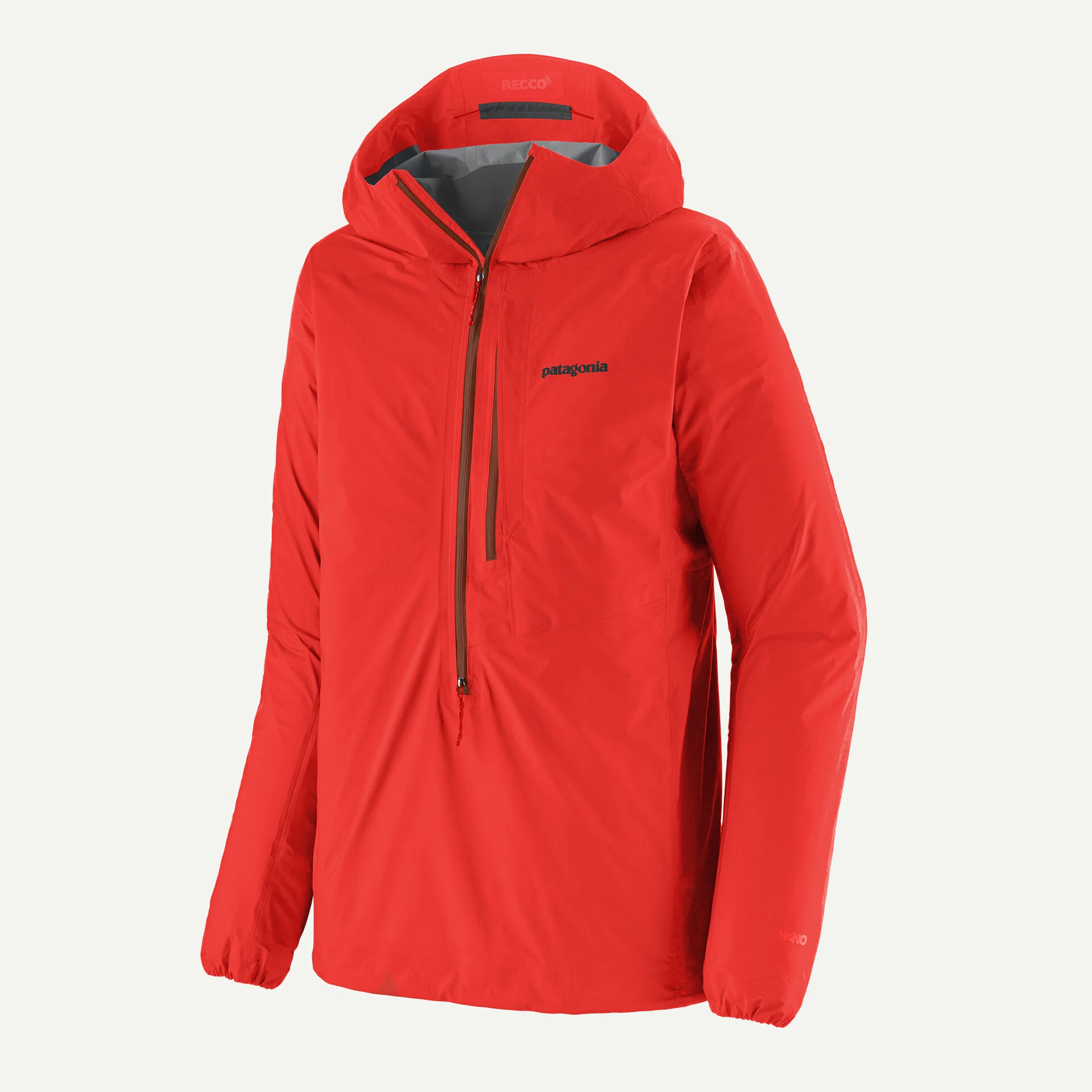
Patagonia M10 Anorak
Representing the heavier, more specialized end of the spectrum at 300 grams, the M10 Anorak utilizes an Xpore nanoporous membrane. The choice of a 20-denier recycled nylon ripstop face fabric suggests a slightly higher emphasis on durability, making it an ideal choice for climbers or off-trail travelers who expect their gear to withstand the rigors of the mountain.
Chronology of the Ultralight Movement
To understand why these products matter, one must look at the trajectory of backpacking gear over the last two decades. The early 2000s saw the birth of the "ultralight revolution," where weight was the primary metric of success. Brands stripped away zippers, pockets, and heavy-duty membranes to create "emergency" shells.
By 2015, the industry saw a surge in "fast and light" alpinism, where athletes demanded gear that could handle technical climbs without the bulk of traditional mountaineering jackets. We are now in the third wave: "Mountain Minimalism." This era is defined by the integration of sophisticated membranes and recycled materials that provide near-expedition levels of protection at weights that were once considered impossible.
Supporting Data: The Physics of Breathability
The podcast dives into the technical specifications of these jackets, noting that the "breathability" rating of a jacket is often a marketing figure rather than a practical guarantee. In high-output activities—such as ascending a steep mountain pass—the amount of sweat produced by the body often exceeds the Moisture Vapor Transmission Rate (MVTR) of the fabric.
Data presented in the episode suggests that for high-exertion mountain travel, the "minimalist" approach should include features that allow for mechanical venting, such as two-way zippers or strategic placement of pockets, to complement the chemical breathability of the membrane. Relying solely on the fabric to "breathe" during a high-intensity climb is a common point of failure for inexperienced hikers.
Official Industry Responses and Sustainability
A notable trend highlighted in the show notes is the shift toward PFAS-free membranes. Both the Arc’teryx Alpha SL and the Patagonia M10 demonstrate a significant industry commitment to removing "forever chemicals" from outdoor apparel.

When reached for comment on the industry’s direction, representatives from the featured brands indicated that the challenge lies in maintaining performance. Creating a waterproof membrane that is both durable, lightweight, and environmentally friendly is the "holy grail" of current textile research. The products discussed in this episode represent the first generation of gear that truly balances these competing demands.
Implications for the Future of Backpacking
The implications of this discussion are clear: as the barrier to entry for mountain travel drops due to increasingly accessible and lightweight gear, education must keep pace. The danger lies not in the gear itself, but in the lack of a "decision framework" among the users.
"Mountain minimalism" is not merely a gear list; it is a philosophy that requires a deep understanding of one’s own limitations, the specific terrain being traversed, and the unpredictable nature of alpine weather. Hikers who invest in these high-end, ultralight pieces must also invest the time to learn how to layer effectively, monitor weather patterns, and recognize when to turn back.
Key Takeaways for the Modern Hiker:
- The 3-Layer Rule: For sustained mountain exposure, prioritize 3-layer construction over simpler 2.5-layer shells, even if it adds a few grams.
- Mechanical Venting: Always look for jackets with adjustable cuffs, hems, and hoods to seal out wind or vent heat.
- Know Your Membrane: Understand the difference between the hydrostatic head (waterproofness) and the MVTR (breathability) of your chosen gear.
- Respect the Environment: Even the most expensive jacket is a temporary barrier. Your primary survival tool is your ability to read the terrain and make conservative decisions in the face of shifting weather.
As Backpacking Light continues to document the evolution of gear, the message remains consistent: pack less, but know more. By adopting a thoughtful, framework-based approach to equipment, hikers can enjoy the benefits of mountain minimalism without compromising their safety in the world’s most demanding environments.
For more in-depth journalism, technical gear reviews, and expert advice on mountain safety, listeners are encouraged to become a Backpacking Light member. Members receive full access to over 2,300 articles, the community forums, and exclusive online educational courses.