In the world of ultralight backpacking and technical mountaineering, gear enthusiasts are often obsessed with "spec sheets." We pore over denier ratings, hydrostatic head measurements, and the chemical composition of DWR (Durable Water Repellent) coatings. Yet, there is a recurring disconnect between the lab-tested resilience of a textile and the reality of a rainy afternoon on the trail. A backpack may be constructed from the most advanced, bombproof laminate on the market, but that material is only as effective as the seams, zippers, and structural junctions that hold it together.
To bridge this gap between marketing specs and real-world performance, a new standardized, yet accessible, testing methodology has emerged. By utilizing a simple shower-based simulation, gear analysts are exposing the hidden vulnerabilities in backpack construction, proving that when it comes to keeping gear dry, the design of the pack—not just the fabric—is the ultimate arbiter of success.
The Illusion of Waterproofing
The industry-wide marketing of "waterproof" packs is, more often than not, a linguistic sleight of hand. When a consumer reads that a pack is made from high-tech, impermeable fabric, the implication is that the contents will remain dry during a deluge. However, the reality of pack architecture tells a different story.
Water ingress rarely occurs through the face fabric of a modern technical pack. Instead, it exploits the structural weaknesses inherent in complex manufacturing. Stitch holes—thousands of them on a single pack—act as microscopic funnels for moisture. Zippers, even those marketed as "water-resistant," are frequent failure points. Roll-top closures, if not meticulously folded and secured, can funnel water directly into the main compartment. Furthermore, hydration ports, compression strap anchors, and external pocket interfaces represent potential "leaks in the dam" that are rarely accounted for in the fabric’s individual lab test.
Chronology of a Controlled Shower Test
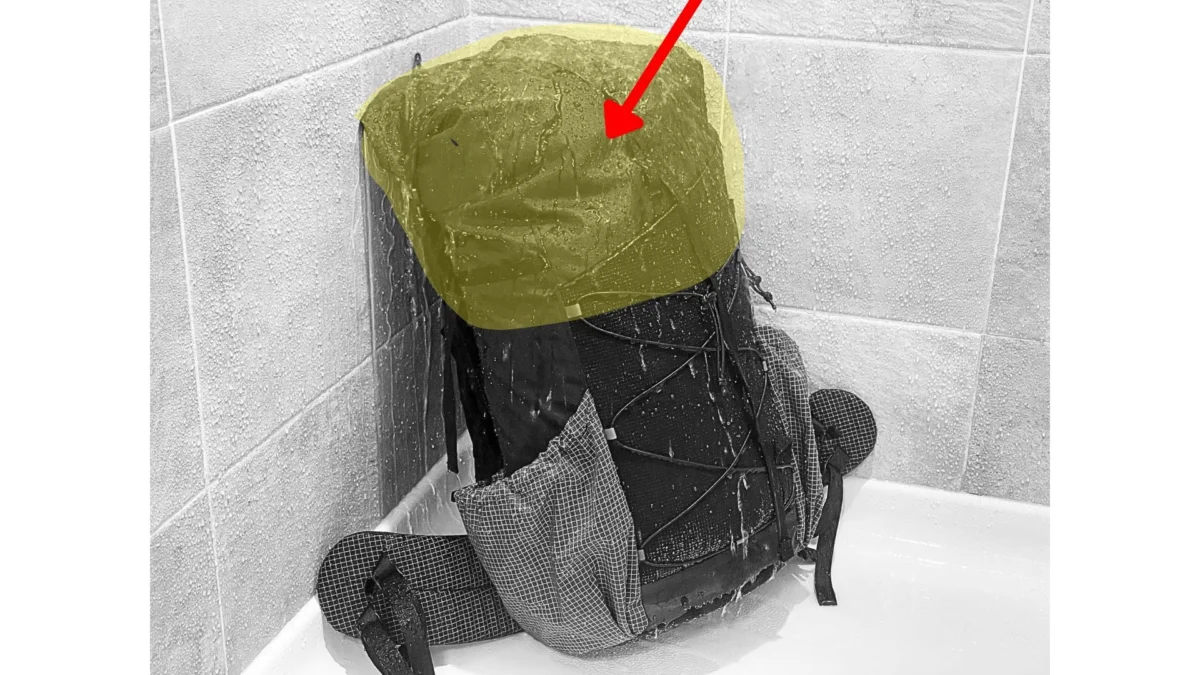
To quantify these failures, analysts have developed a repeatable, 30-minute stress test designed to expose the difference between laboratory theory and structural reality. The methodology is straightforward, utilizing household equipment to mimic the intensity of a high-altitude downpour.
The Methodology
- Preparation: The pack is stuffed to capacity to ensure that fabrics are tensioned, which mimics how the pack sits on a hiker’s back. A large, dry cotton pillowcase is placed inside the main compartment. This serves as the "witness material," providing an immediate, visual indicator of moisture penetration.
- The Shower Exposure: The pack is positioned under a standard household showerhead. The water is set to a constant, high-intensity flow, ensuring full coverage over the pack’s exterior surfaces, particularly the top closures and critical seams.
- The Duration: A strict 30-minute timer is set. This duration is long enough to overcome the initial hydrophobic surface tension of the pack’s exterior, forcing the water to seek out entry points through seams and zippers.
- Post-Test Inspection: Upon completion, the pack is carefully opened. The pillowcase is removed and examined for wet spots, which are then mapped to identify exactly which design features (e.g., a specific shoulder strap attachment or a zipper flap) failed to keep the water out.
Supporting Data: Why Fabric Specs Aren’t Enough
The primary goal of this testing is not to provide a "waterproof certification," but to act as a comparative screening tool. By comparing various pack designs under identical conditions, testers have identified a clear hierarchy of failure.
Key Vulnerability Points
- The Seam Interface: Even with taped seams, the geometry of the stitch—where multiple layers of heavy webbing meet the main pack body—often creates a "wicking bridge" that allows water to bypass the tape entirely.
- Zipper Failure: In the 30-minute test, standard zippers—even those protected by a fabric "garage" or flap—frequently show significant water ingress within the first ten minutes.
- Closure Systems: Drawcord collars, while common, are almost universally prone to leakage in heavy rain. Conversely, roll-top closures that include a secondary stiffener perform significantly better, though they are highly sensitive to user error in the field.
The data suggests that for packs intended for extreme conditions, the "construction-first" approach—where the designer prioritizes seam placement away from high-flow areas—outperforms packs that rely solely on expensive, waterproof fabrics but utilize complex, high-stitch-count designs.
Official Industry Perspectives
Manufacturers have long faced a dilemma: how to balance the demand for feature-rich, accessible packs with the need for total environmental protection. When presented with the findings of these shower tests, industry insiders emphasize the trade-offs involved in backpack design.
"We are constantly navigating the tension between weight, durability, and weather resistance," says a representative from a leading outdoor gear manufacturer. "If we were to make a pack that was 100% impervious to water, we would have to remove all zippers, eliminate hydration ports, and weld every single seam. While that creates a perfect dry bag, it results in a pack that is functionally difficult to use on the trail. Our goal is to provide enough resistance for 95% of use cases, while encouraging users to utilize internal dry bags for their most critical gear."
This sentiment underscores a vital shift in the industry: the move away from the "all-in-one" waterproof pack toward a modular system where the pack serves as a durable chassis, and internal organization provides the waterproof barrier.
Implications for the Modern Backpacker
What does this mean for the average hiker or climber? The implications of these findings are twofold: they change how we select gear and how we prepare for the elements.
1. Shift Your Expectations
Stop expecting your pack to be a submarine. Even the most expensive, highly rated pack on the market is prone to ingress under sustained, high-intensity rain. Viewing a pack as a "water-resistant container" rather than a "waterproof dry bag" will save you from the disappointment of finding your sleeping bag damp after a long day in the mountains.
2. Adopt the "Dry Bag Strategy"
The most reliable way to keep gear dry is not to rely on the pack’s exterior, but to protect the contents individually. Using high-quality, lightweight dry bags (or even a simple trash compactor bag liner) is the only way to guarantee that your sleep system remains dry, regardless of how well your pack performs in a shower test.
3. Evaluate Construction, Not Just Specs
When shopping for a new pack, look beyond the fabric denier. Examine the seams. Are they reinforced? Is the roll-top closure simple and effective, or is it overly complicated with unnecessary buckles? Does the pack have external, exposed zippers that look like they would soak up water like a sponge? These are the indicators of how a pack will actually perform when the sky opens up.
4. Maintenance is Key
The test reveals that water resistance is not a static property. As DWR coatings wear off and seam tape begins to peel with age and abrasion, a pack’s performance will degrade. Regularly re-treating your pack with DWR sprays and, if necessary, resealing seams with products like Seam Grip, can significantly extend the life and water resistance of your gear.
Conclusion
The "shower test" serves as a sobering reminder that the outdoor gear industry is built on a foundation of compromise. While fabric technology has advanced at an incredible pace, the physics of water ingress remains stubborn. Stitching, zippers, and complex panel designs will always present paths of least resistance for moisture.
By moving beyond the marketing hype and understanding the structural vulnerabilities of our gear, we can become more informed consumers. We can stop chasing the impossible dream of a perfectly waterproof pack and start mastering the art of packing smart. In the end, the best way to keep your gear dry isn’t just about what your pack is made of—it’s about how you design your system to handle the inevitable reality that, eventually, everything in the backcountry gets wet.