In the high-stakes environment of backcountry exploration, few challenges are as pervasive—or as difficult to diagnose—as the onset of physiological distress at altitude. While Acute Mountain Sickness (AMS) is a well-documented medical phenomenon, the reality of wilderness medicine is rarely a textbook case. Often, symptoms are not the result of a single failure, but a "perfect storm" of converging factors.
A recent self-conducted case study by an experienced mountain guide serves as a cautionary tale for even the most seasoned adventurers. During a high-elevation trek in the Colorado wilderness, a simple overnight trip devolved into a diagnostic puzzle, highlighting how sleep deprivation, nutritional deficits, and excessive physical workload can mimic or exacerbate the effects of altitude.
The Event: A Case of "Moderate" AMS
The trek, which took place in the rugged terrain of Northern Colorado, involved a transit to a high-alpine lake at 11,500 feet. Despite the participant’s significant experience—having led backcountry expeditions for over three decades—the mission resulted in a severe physiological reaction.
Within hours of arriving at the 11,500-foot mark, the hiker began exhibiting a cluster of alarming symptoms: debilitating headaches, nausea, profound fatigue, dizziness, uncontrollable chills, tremors, and severe anxiety. Furthermore, the subject experienced acute temperature dysregulation, unable to maintain internal comfort despite appropriate gear.
Utilizing the Lake Louise Acute Mountain Sickness Score—the gold standard for clinical assessment in the field—the participant calculated a retrospective score of 7. According to medical guidelines, this score confirms a diagnosis of moderate Acute Mountain Sickness. However, as the subsequent data analysis revealed, the "altitude" label may have been an oversimplification of a much more complex metabolic failure.
Chronology of a Failed Ascent
The timeline of the trip provides a clear window into how the body began to fail.
- 05:30 AM: Departure from Estes Park (7,600 feet). The participant began the day with a pre-existing "sleep debt," a common but often overlooked variable in mountain safety.
- 08:11 AM: Commencement of the hike at 8,600 feet. The approach was immediately taxing.
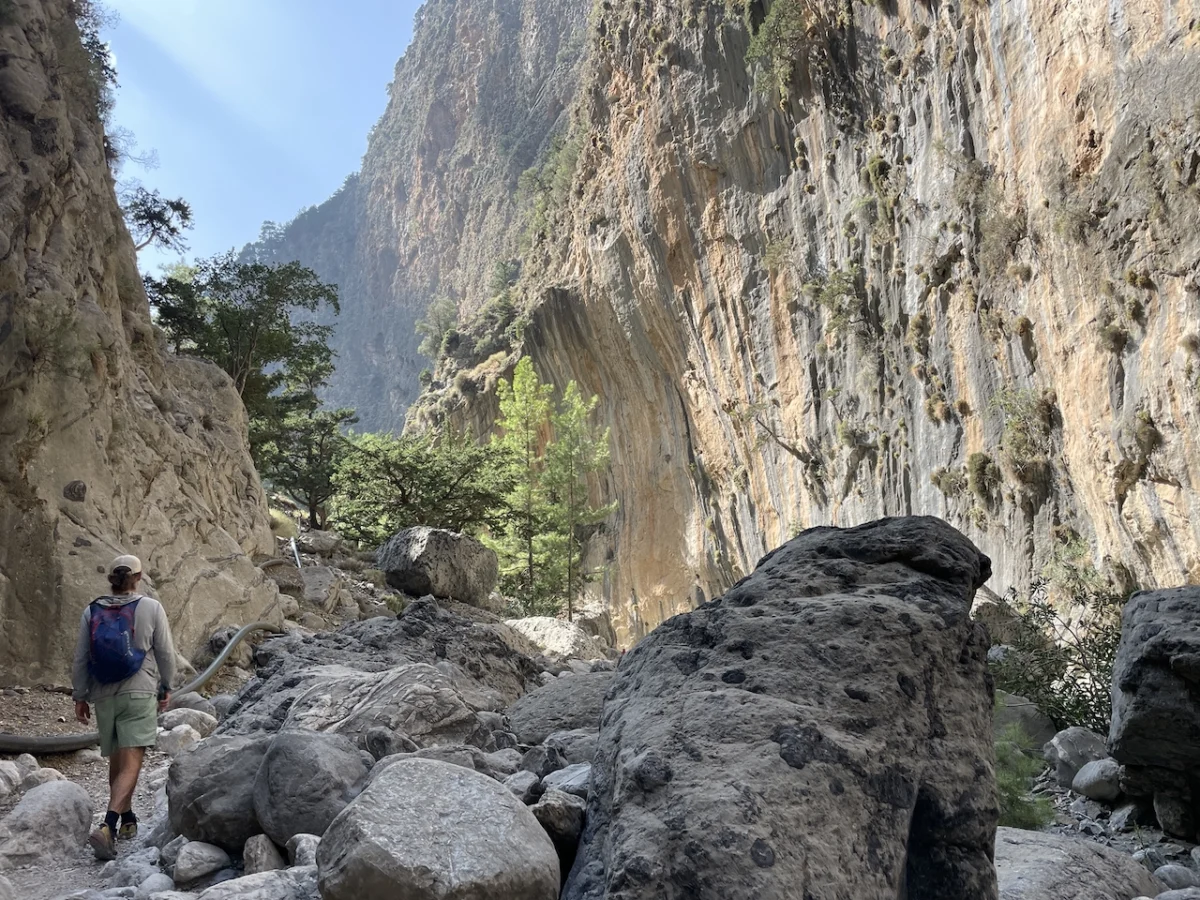
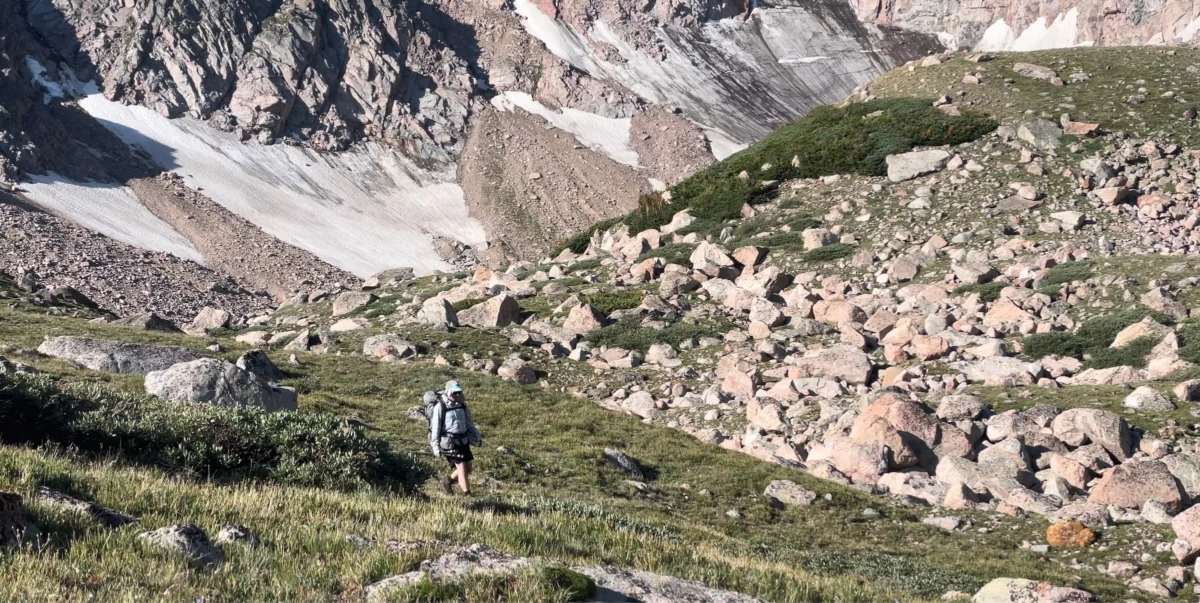
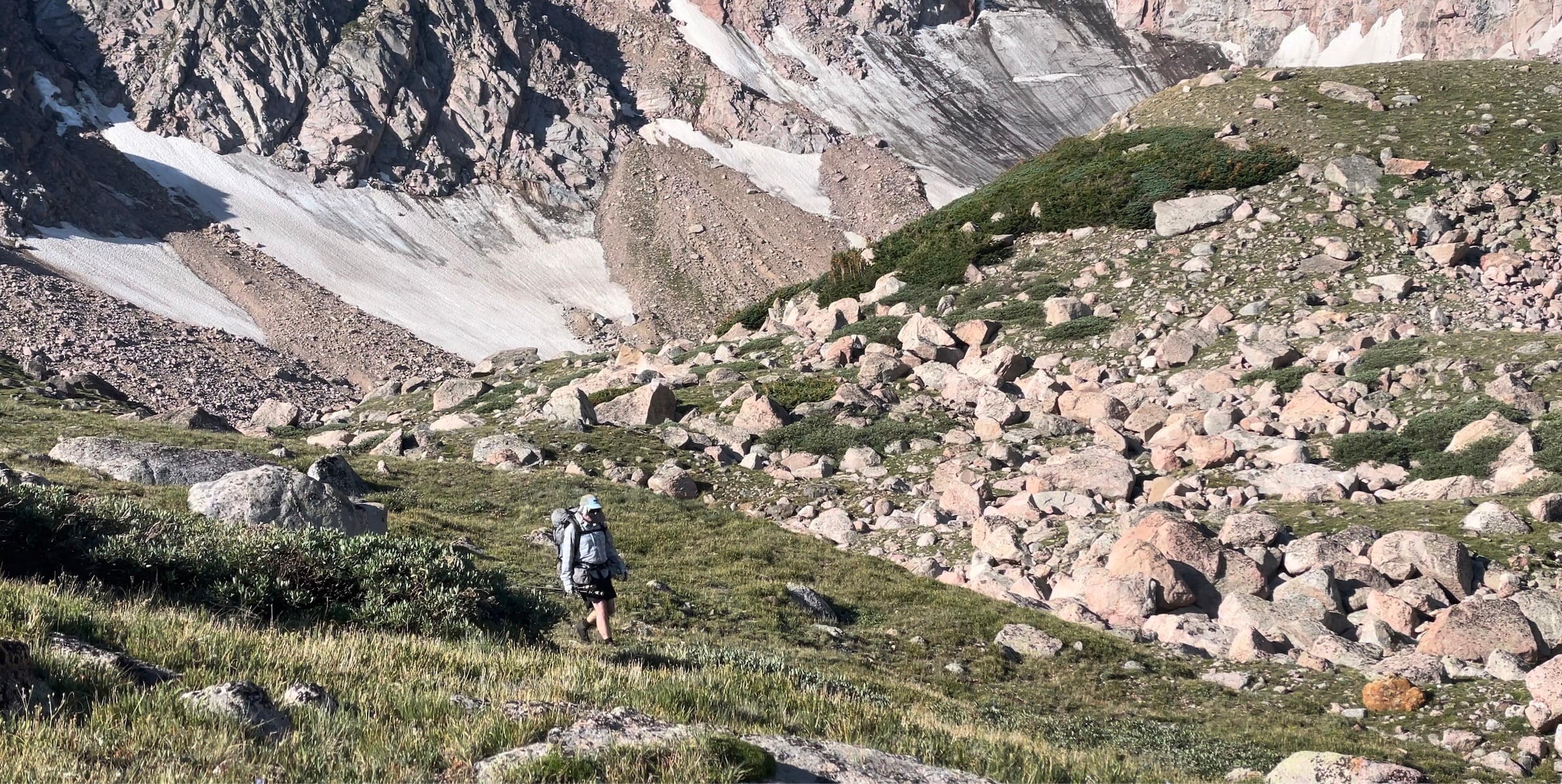
- 08:11 AM – 06:24 PM: The trek spanned 13 miles, much of which was navigated off-trail through dense, high-friction forest and rugged alpine terrain. The route required a cumulative elevation gain of 3,800 feet.
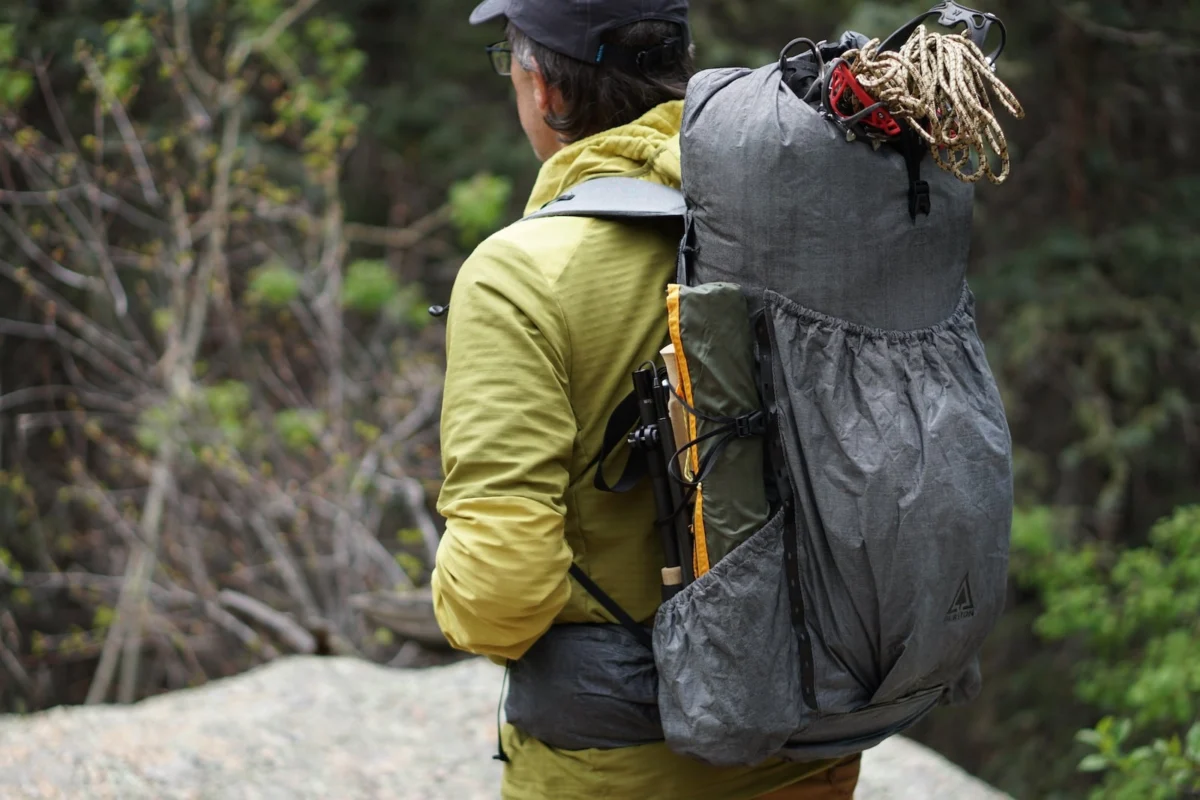
- The Weight Penalty: The subject carried a 48-pound pack, which, when combined with two liters of water, brought the total load to approximately 52 pounds. For a 165-pound hiker, this represented a load factor of 32% of their total body weight—a strenuous ratio that significantly increased metabolic demand.
- 06:24 PM: Arrival at 11,500 feet. The total net elevation gain from home base was 3,900 feet.
- Post-Arrival: Within the first few hours of settling into the high-alpine camp, the physiological crash occurred.
Supporting Data: Beyond the Altitude
The diagnostic breakthrough in this case came from the integration of wearable technology (Garmin data) and a rigorous post-trip reconstruction of the subject’s intake and exertion levels. By cross-referencing the heart rate, oxygen saturation, and calorie expenditure recorded by the wearable device with a journal of food and water intake, a different picture emerged.
Nutritional Depletion
The data revealed a substantial carbohydrate deficit. In the high-demand environment of high-alpine trekking, the body requires a constant supply of glucose to fuel both muscular work and the increased respiratory demands of thin air. The subject’s failure to adequately replenish glycogen stores created a "bonk" state that, when combined with altitude, significantly lowered the threshold for AMS symptoms.
The Hydration Gap
While the hiker carried two liters of water, the sheer caloric and physical output of the day meant that the intake was inadequate to maintain blood volume and cellular function. Dehydration acts as a force multiplier for altitude sickness; it thickens the blood, decreases cardiac efficiency, and impairs the body’s ability to thermoregulate, directly contributing to the "chills and shakiness" reported by the subject.
The Sleep Debt Variable
The subject entered the trip with pre-existing sleep deprivation. Research consistently shows that sleep quality is one of the most critical determinants of altitude tolerance. Lack of restorative sleep reduces the body’s ventilatory response to hypoxia, effectively making the hiker "feel" like they are at a higher elevation than the altimeter actually reads.
Implications for Wilderness Safety
This case study serves as a critical reminder that "acclimatization" is not a static state. Even those who live at 7,600 feet are not immune to the pressures of a 11,500-foot environment when the body is compromised by other stressors.
The Diagnostic Challenge
For hikers, guides, and medical professionals, the primary takeaway is the difficulty of identifying a single cause for illness in the backcountry. Nausea, headache, and fatigue are "shared symptoms." They appear in cases of dehydration, hypoglycemia, AMS, and physical exhaustion.
If a hiker treats these symptoms purely as AMS—perhaps by taking medication or rushing to descend—they may neglect the underlying cause, such as severe electrolyte imbalance or glycogen depletion. Proper field management requires a holistic approach: assessing the "Big Four" factors of backcountry health:
- Hydration status
- Glycogen/Caloric reserves
- Physical workload vs. capacity
- Baseline recovery (sleep/stress levels)
Rethinking Training and Preparation
The implications for the hiking community are clear. First, the "load-to-body-weight" ratio must be managed with greater discipline. Carrying 32% of one’s body weight on an off-trail, high-gain ascent is a high-risk activity that mandates a higher standard of nutritional preparation.
Second, the "acclimatization" assumption—the belief that living at a moderate altitude provides a blanket of safety—can lead to a false sense of security. When that base is combined with a "big day" (high mileage, high weight, and sleep debt), the body’s ability to process the physiological stress of higher altitudes is severely compromised.
Conclusion
The Northern Colorado case study underscores a vital lesson: the mountain does not care about your past experience if your current physiological foundation is unstable. By treating the symptoms of the trek as a complex, multifactorial equation rather than a singular medical event, the hiker was able to identify the specific behaviors that led to the collapse.
Moving forward, the backcountry community should view these symptoms not as a signal of a "bad altitude day," but as a potential warning sign of metabolic and systemic fatigue. Prioritizing rest, optimizing caloric intake for the specific workload of the day, and recognizing the cumulative effect of stress—whether physical, environmental, or psychological—is essential for safe and successful exploration. The "high lake" experience serves as a powerful reminder that while we cannot always control the altitude, we can certainly control the variables that allow our bodies to handle it.