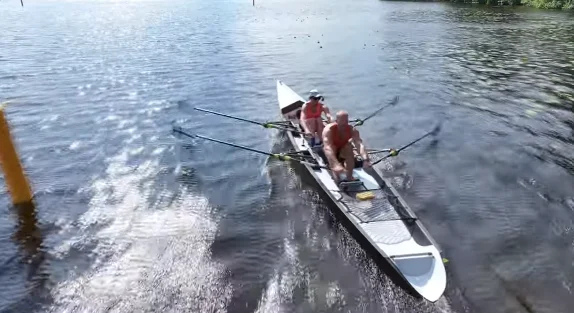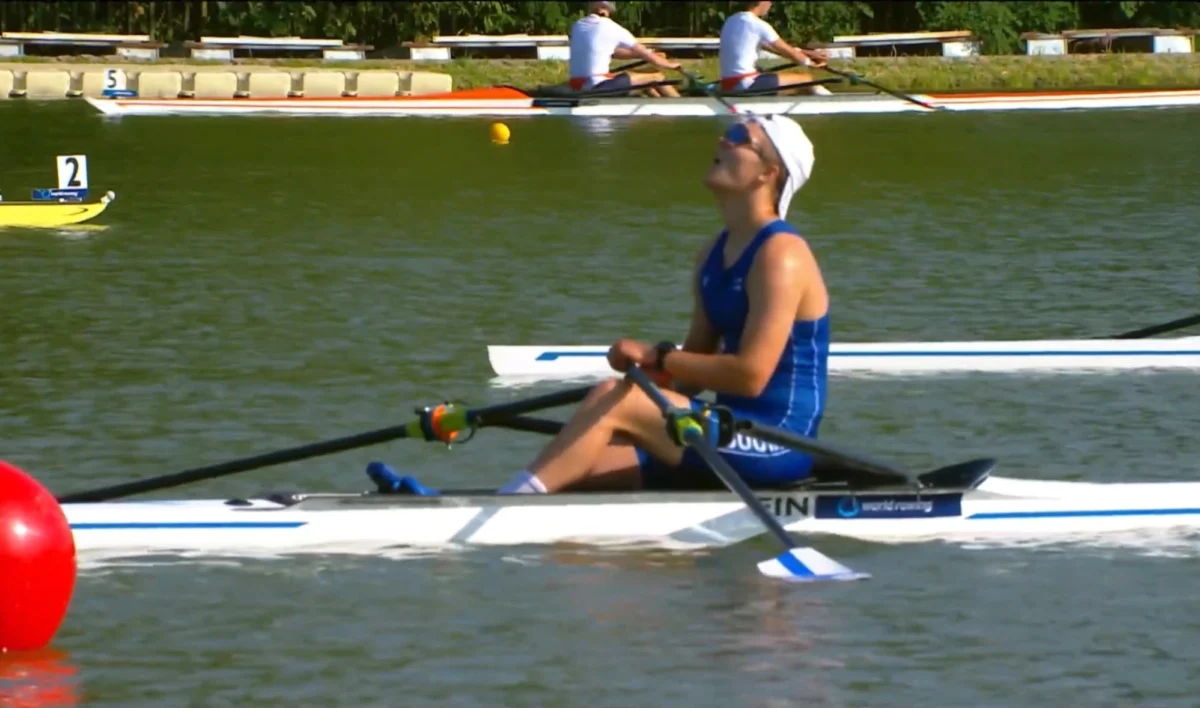
Bled, Slovenia – In a world increasingly captivated by reality television, where elite military units are put to the ultimate test in unforgiving environments, a different kind of "special forces" operation unfolded on the pristine waters of Lake Bled. This was not a televised dramatization, but the very real, visceral challenge faced by Finland’s Masters rowers at the World Masters Rowing Regatta. Pushing physical and mental limits, these dedicated athletes from various Finnish rowing clubs embarked on a journey that mirrored the intensity and camaraderie often depicted in high-stakes survival shows, albeit with a unique blend of competitive fire and community spirit.
The World Masters Rowing Regatta, a pinnacle event in classical Masters rowing, brought together an extraordinary assembly of athletes. For the Finnish contingent – drawing members from clubs like Nesteen Soutajat (NRC), Smark, Turun Soutajat, and Tako, augmented by a Finnish coxswain from Germany’s Ruderklub Hamburg Allemannia – it was an experience that transcended mere competition. It was a rigorous test of endurance, adaptability, and teamwork, where every stroke and every logistical hurdle became part of a larger, shared mission.
The Crucible of Bled: Main Facts and Setting
Lake Bled, nestled amidst the Julian Alps in Slovenia, is renowned globally not only for its breathtaking beauty – featuring a medieval castle perched atop a cliff and a charming island church – but also for its storied history as an international rowing venue. It has hosted numerous World Championships and is celebrated for its clear, turquoise waters and challenging yet fair racing conditions. This picturesque backdrop, however, belied the arduous nature of the competition awaiting the 4,600 Masters rowers who converged from every corner of the globe.
The World Masters Rowing Regatta is unique in its scale and spirit. Unlike elite competitions focused on a single championship race, this event offers Masters rowers (typically aged 27 and above, competing in age categories) multiple opportunities to race across various boat classes over several days. The format fosters both intense personal challenge and a pervasive sense of camaraderie, celebrating lifelong engagement with the sport. All races are 1,000 meters, a distance that, while shorter than the Olympic 2,000 meters, demands an explosive, sustained effort that pushes athletes to their absolute physiological limits.
For the Finnish "special forces" unit, the objective was clear: navigate the demanding schedule, perform at peak capacity in every race, and uphold the proud tradition of Finnish rowing. The event was a testament to their unwavering commitment to the sport, demonstrating that passion and competitive drive only intensify with experience. Turun Soutajat, a prominent Finnish club, notably achieved gold medals, a significant accomplishment in a field teeming with world-class Masters talent. This victory underscored the quality and dedication within the Finnish rowing community.
A Chronology of "Operations": Days in the Life of a Masters Rower
The daily rhythm of the World Masters Rowing Regatta in Bled was an unyielding sequence of "operations," a meticulous dance between preparation, execution, and recovery that began long before dawn. Much like the demanding routines of military special forces, every moment was critical, every task laden with potential pitfalls.
Pre-Dawn Reconnaissance and Logistical Challenges:
The mornings commenced "before the rooster crowed," plunging the rowers into a pre-dawn scramble that tested their organizational skills and patience. With sleep often abbreviated by the intensity of the previous day’s races and the anticipation of the next, the first mission was deceptively simple: locate two identical socks. This seemingly trivial task quickly escalated into a complex logistical challenge, requiring a clear head and sharp focus in the dim light of unfamiliar accommodations.
From there, the "operations" diversified. Securing the coffee maker in the downstairs kitchen was paramount for fueling the day’s exertions. Then came the search for a specific "kymppiavain" (a 10mm wrench), essential for boat rigging and adjustments. These small, seemingly mundane tasks were critical precursors to the main event, ensuring that every piece of equipment was ready for deployment.
The Heavy Lift and Terrain Navigation:
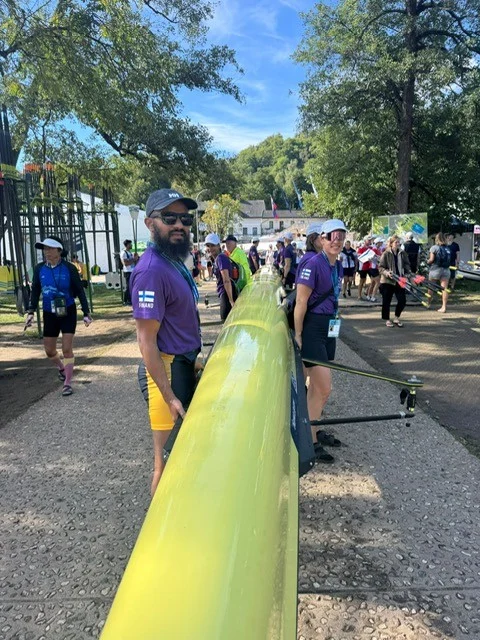
With personal gear sorted, the next phase involved the arduous task of transporting heavy rowing shells from their storage locations – often high up in fields adjacent to the lake – down to the water’s edge. This required navigating challenging terrain, sometimes muddy, sometimes uneven, all while coordinating with teammates to safely carry boats that could weigh upwards of 100 kilograms. This physical exertion, performed in the chill of the early morning, served as an immediate warm-up, a stark reminder of the physical demands that lay ahead.
Pre-Race Sprints and Dynamic Problem Solving:
Upon reaching the regatta site, the pace intensified. Rowers engaged in a series of "lung-opening sprint runs," not for training, but for practical necessities: collecting race numbers, locating oars, finding a missing bowman (a common pre-race anxiety), or securing a coveted spot on an ergometer in the crowded warm-up hall. Each sprint was a small test of agility and quick thinking, vital for staying on schedule in the tightly orchestrated regatta environment.
Enduring the Elements: Weather as an Adversary:
The weather at Bled presented its own set of extreme conditions, fluctuating wildly and demanding constant adaptation. The Finnish "special forces" encountered everything from a "14-degree downpour, ankle-deep in mud," transforming the staging areas into slippery quagmires, to "35-degree scorching sunshine" beating down on the turquoise lake. Through it all, there were no complaints. True to the spirit of elite units, these Masters rowers embraced the challenges, demonstrating their resilience and focus regardless of whether they were battling rain-soaked chill or relentless heat on "the world’s most beautiful rowing course." Their ability to perform honorably under such diverse and trying circumstances underscored their elite status within the Masters rowing community.
The Battlefield: 1000 Meters of Unyielding Effort
The true "combat missions" of the regatta were the 1,000-meter sprints. These races were not merely contests of speed but grueling tests of human capacity, where every rower was expected to deploy "100% of their oxygen intake and muscle work capacity." The intensity was relentless, whether navigating a single scull, synchronizing in a double, driving a quad, or commanding the raw power of an eight.
The Illusion of Distance:
While the official distance for Masters races is 1,000 meters, the cumulative effect of multiple races painted a different picture. As the article vividly describes, a 1,000-meter race could "feel like 2k," and by the fifth start of the day, it could stretch in perception to "like 3k." This subjective experience highlights the profound physiological and psychological toll exacted by repeated maximum efforts. Lactic acid build-up, muscle fatigue, and mental exhaustion combine to make each subsequent race an even greater challenge, demanding deeper reserves of willpower.
The Unwavering Commitment to the Finish Line:
Even when pre-race "control missions" (like rigging or warm-up) hadn’t gone perfectly, the Finnish crews maintained their commitment to excellence. A particular anecdote highlights this spirit: thanks to "Anne from VVV’s proactive coaching speech," every boat, including those from Tako, consistently rowed "all the way to the finish line." This emphasizes the importance of mental fortitude and the motivational power of leadership, ensuring that no effort was spared, regardless of perceived setbacks or the agony of the final meters. The concept of "leaving nothing in the tank" was not just a cliché but a lived reality for these athletes.
Uniting the Ranks: The Finnish Contingent and Global Camaraderie
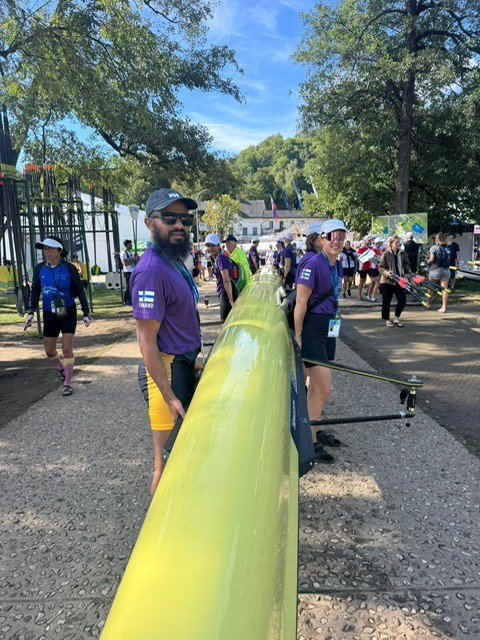
The Finnish "special forces" unit at Bled was a diverse yet cohesive group, drawing talent from multiple clubs and even international connections. The core contingent hailed from NRC, Smark, Turun Soutajat, and Tako. Adding a unique international flavor was a Finnish coxswain representing Ruderklub Hamburg Allemannia, illustrating the global reach and interconnectedness of the rowing community.
A Microcosm of Global Rowing:
The sheer scale of the event underscored this global connection. With 4,600 participants from across the world, and all starts over the five days completely sold out, the regatta was a vibrant tapestry of cultures and competitive spirits. The atmosphere on the racecourse was described as "warm and ‘we-spirited,’ with a sense of a great sporting festival, honest competition, but also intense global community." This balance between fierce rivalry and mutual respect is a hallmark of Masters sports, where the joy of participation often rivals the pursuit of victory.
Friendly Fire: The D-Category Mixed Eight Showdown:
Despite their shared nationality, the Finnish Masters teams also engaged in spirited internal competition. A particularly memorable clash occurred in the D-category mixed eights, where an "international crew from Smark" lined up against a "Tako/NRC combined boat." This head-to-head battle was not just about bragging rights; a friendly wager was placed before the start: "the loser would buy the winning boat victory drinks." This lighthearted yet competitive encounter perfectly encapsulated the blend of serious racing and deep camaraderie that characterized the Finnish contingent. The outcome of this particular race remains a suspenseful detail, with the article inviting readers to the autumn gala to discover "who clinks whose offered glass."
Beyond Club Lines: The Spirit of Mutual Aid:
Beyond the races, the Finnish teams demonstrated an exemplary spirit of "teamwork and mutual assistance across club and boat class boundaries." Whether it was helping with boat carrying, navigating the chaotic schedule, or even assisting with "nutrition and accommodation logistics," the sense of collective responsibility prevailed. This informal yet powerful network of support ensured that everyone had the best possible chance to perform, embodying the true essence of a cohesive unit.
Triumphs and Unforeseen Challenges: A Mixed Bag of Results
The efforts of the Finnish Masters rowers were not without their rewards. Turun Soutajat, in particular, distinguished themselves by accumulating "gold medals around their necks." This achievement was a source of immense pride for the entire Finnish delegation, a tangible symbol of their hard work and dedication.
However, the regatta also served as a reminder of the unpredictable nature of outdoor sports. The article notes that "more gold would certainly have been brought to Finland if thunderstorms hadn’t canceled our strongest starts." This unforeseen meteorological intervention highlights the fine margins that often separate success from missed opportunities in competitive rowing. While disappointing, such incidents are an inherent part of the sport, and the ability to accept and adapt to them is another mark of a true competitor. The resilience shown in the face of such cancellations further reinforced the "special forces" mentality – always ready for the unexpected, always prepared to re-evaluate and move forward.
The Birth of a Community: Masters Rowing Finland
The intense, shared experience of Bled 2026 had a profound and lasting impact on the Finnish Masters rowers, leading to an unexpected yet highly significant outcome: the formation of a lasting community. The "Masters Rowing Finland special forces unit" slowly recovered from the physical and mental demands of Bled, reflecting on what was universally agreed to be an "excellent trip!"
The Post-Regatta Reality:
The article humorously describes the post-regatta reality. The true nature of the "self-improvement retreat" or "Bled 2026" marked in Outlook calendars for annual leave weeks was "revealed in coffee rooms" upon returning to civilian life. The intensity of the experience was such that many found themselves without "permission to continue talking about rowing at the workplace or among civilian ranks." This common predicament, familiar to many passionate athletes, underscored the need for a dedicated space where the shared obsession could flourish without restraint.
A Lasting Legacy: The WhatsApp Community:
This need directly led to the establishment of a "longer-lasting Masters Rowing Finland community." The solution was simple yet effective: a WhatsApp group. This digital hub became a sanctuary for unrestricted rowing discussions, a place where the camaraderie forged on Lake Bled could continue to thrive. It offers a permanent connection for those who understand the unique blend of pain, passion, and triumph that defines Masters rowing. For anyone wishing to "join the Masters Rowing Finland special forces," a simple request for the WhatsApp link is all it takes to become part of this vibrant, supportive network.
Looking Ahead: The 2027 Season and Beyond
With the unforgettable memories of Bled 2026 firmly etched in their minds, the Masters Rowing Finland community has already turned its gaze towards the future. The focus is now squarely on the "2027 domestic competitions and international Masters regattas," signifying a continued commitment to the sport and to fostering the growth of the community.
Upcoming International Engagements:
The calendar for 2027 is already taking shape, promising new challenges and opportunities for the Finnish Masters rowers. The "Euromasters regatta" is scheduled to take place in Copenhagen from June 24th to 27th, 2027, offering a chance to compete closer to home while still experiencing the excitement of an international event. Later in the year, the "World Masters regatta" will be held in Varese, Italy, from September 8th to 12th, 2027, providing another opportunity to test their mettle against the world’s best Masters athletes.
Enhancing the "Special Forces" Experience:
The nascent Masters Rowing Finland community is not just planning participation; it is actively working to enhance the experience for all its members. Plans are already underway to acquire a dedicated "’Masters Rowing Finland’ tent" for these upcoming regattas. This tent will serve as a central hub, a visible symbol of their unity, and a practical base for operations. Furthermore, the community aims to secure "other amenities that ease conditions and enhance team spirit," reflecting a proactive approach to supporting its members and strengthening the collective bond. This forward-thinking strategy ensures that the spirit of mutual aid and camaraderie that shone so brightly in Bled will continue to define the Masters Rowing Finland experience for years to come.
Conclusion: The Enduring Spirit of Masters Rowing
The journey of the Finnish Masters rowers to the World Masters Rowing Regatta in Bled was more than just a series of races; it was an odyssey of physical exertion, mental fortitude, and profound camaraderie. Likened to a "special forces" operation, it tested their limits in every conceivable way, from navigating pre-dawn logistical puzzles to enduring extreme weather and pushing their bodies to the brink in 1,000-meter sprints.
The gold medals brought home by Turun Soutajat were a testament to their competitive prowess, but the true lasting legacy of Bled 2026 lies in the forging of the Masters Rowing Finland community. This new collective, born from shared experience and an unyielding passion for rowing, promises to nurture the sport and its enthusiasts for seasons to come. As they look ahead to Copenhagen and Varese in 2027, the message is clear: the Finnish Masters rowers, united and resolute, are ready for their next mission. "Thank you for the last one. Together towards the 2027 season!"
Text by: Maija Laurikkala-Dewes