Yyteri, Finland – July 6, 2026 – The renowned sandy shores of Yyteri, a gem on Finland’s western coast, transformed into a dynamic arena for coastal rowing this past weekend, July 4-5, 2026. Top athletes from across the nation converged to test their mettle against both the formidable waves and the unpredictable Finnish summer weather. The event, featuring both the explosive Beach Sprints and the demanding Endurance races, delivered a thrilling spectacle, ultimately highlighting the growing prowess of Finnish coastal rowers and cementing Yyteri’s reputation as a premier venue for this burgeoning sport.
Despite fluctuating temperatures and intermittent heavy rainfall that challenged competitors and organizers alike, the spirit of competition remained unyielding. Spectators, huddled against the elements, were treated to a masterclass in boat handling and sheer athletic determination. The weekend saw dominant performances, particularly from Takon Soutajat’s Joel Naukkarinen and Eeva Karppinen, who consistently demonstrated their command across multiple categories.
Main Facts: A Weekend of Coastal Dominance
The Yyteri Coastal Rowing competition, held over two days, showcased the diverse disciplines of the sport. Saturday was dedicated to the high-octane Beach Sprints, a format designed for speed and agility, involving a sprint on the beach, a row around buoys, and a final dash to the finish line. Sunday transitioned to the more strategic and physically gruelling Endurance races, covering longer distances and demanding sustained effort over the open water.
The weather played a significant role throughout the weekend. Saturday was notably wet, with heavy downpours at times, while temperatures consistently remained below 20 degrees Celsius. Despite the cooler, often damp conditions, moments of sunshine broke through, illuminating the fierce competition. The resilience of the athletes was matched by the excellent support infrastructure, including the Yyteri Surf Centre’s sauna, which became a popular haven for competitors seeking warmth, and the nearby Helmi restaurant, providing essential sustenance and a comfortable retreat.
In terms of results, the weekend was largely dominated by a select group of elite athletes. Joel Naukkarinen of Takon Soutajat proved to be an almost unstoppable force, securing victories in the men’s Beach Sprint and multiple endurance categories, including men’s singles, men’s doubles with Jukka-Pekka Kauppi, and mixed doubles with Saga Hakala. Eeva Karppinen demonstrated similar supremacy in the women’s events, triumphing in both singles and doubles (with Ilona Hiltunen) endurance races, and also excelling in the mixed doubles Beach Sprint alongside Naukkarinen. Ilona Mäkelä, also from Takon Soutajat, claimed the women’s Beach Sprint title, further underscoring her club’s strong presence. The comprehensive results from the event are available on the Takon Soutajat website.
Chronology of the Weekend: From Anticipation to Triumph
The Yyteri Coastal Rowing event unfolded over a meticulously planned two-day schedule, preceded by days of intense preparation, transforming a popular tourist beach into a world-class sporting venue.
Friday: Preparations and Lingering Anticipation
Even before the official start, Yyteri beach buzzed with activity. Organizers, volunteers, and early-arriving athletes worked diligently to set up the intricate course. Buoys were strategically placed for both the sprint and endurance routes, safety boats were positioned, and the logistics for timing, athlete registration, and equipment storage were finalized. The air was thick with anticipation, though forecasts hinted at the challenging weather conditions that lay ahead. Rowers were seen scouting the waters, mentally preparing for the currents and potential wave patterns, understanding that the Yyteri coastline, while beautiful, could also be unforgiving. Equipment checks and last-minute adjustments were common sights, as teams ensured their boats and gear were in optimal condition for the demanding races. The calm before the storm, both literally and figuratively, settled over the beach as the sun dipped below the horizon, promising an exciting, albeit wet, start to the competition.
Saturday: The Thrill of Beach Sprints Under Rain-Swept Skies
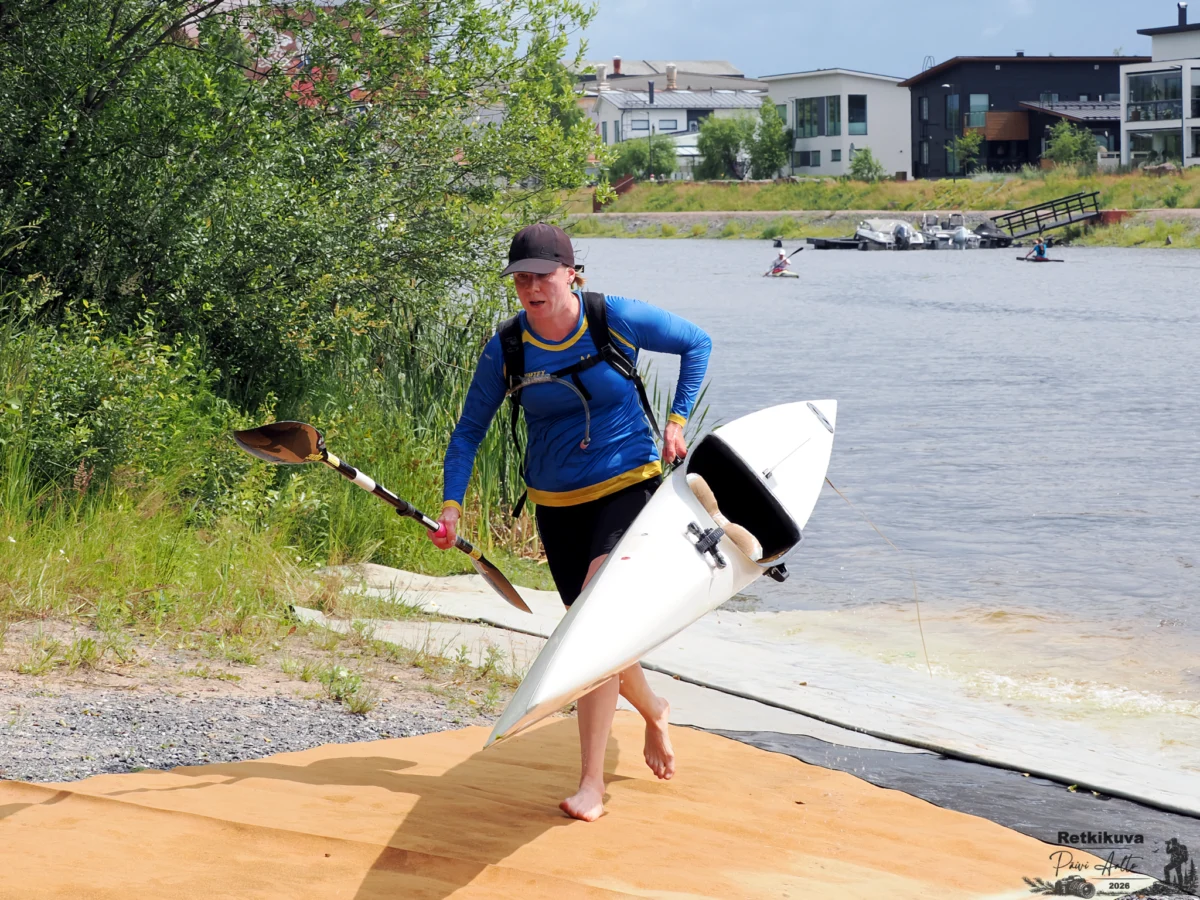
Saturday dawned with a distinctly un-summery feel. Grey clouds hung low, and intermittent rain began to fall even before the first heats commenced. By mid-morning, the rain intensified, often becoming a torrential downpour. Despite the challenging conditions, the energy on the beach was palpable. The Beach Sprint format, known for its dynamic nature, captivated the hardy spectators. Athletes began with a short, explosive sprint from the beach to their waiting boats, launched into the waves, navigated a slalom course around buoys, turned, and then sprinted back to the shore for a final dash across a finish line marked on the sand. This format requires a unique blend of athleticism, rowing technique, and quick decision-making, especially when contending with slippery sand and choppy water.
The rain-slicked beach added an extra layer of difficulty to the beach sprints, testing the athletes’ footing and quick transitions. In the men’s category, Joel Naukkarinen from Takon Soutajat delivered a truly dominant performance, navigating the challenging conditions with masterful control and powerful strokes. His victory was described as "suvereenisti," reflecting his undeniable superiority over the field. Not to be outdone, Ilona Mäkelä, also representing Takon Soutajat, showcased her strength and skill to claim the women’s Beach Sprint title. The mixed doubles category brought another thrilling race, with Naukkarinen pairing with Eeva Karppinen. Their combined strength and seamless teamwork proved unbeatable, continuing their strong form and securing another victory for Takon Soutajat. After the intense exertion and exposure to the elements, the Yyteri Surf Centre’s sauna became a highly sought-after sanctuary, offering much-needed warmth and camaraderie among the chilled competitors. The quick access to facilities like the Helmi restaurant also provided convenient hot meals and beverages, crucial for maintaining energy levels during a tightly scheduled day.
Sunday: Endurance and Strategy Amidst Variable Conditions
Sunday presented a slightly different meteorological challenge. While the heavy rain of Saturday had largely abated, the weather remained variable, with cooler temperatures persisting and patches of sun alternating with overcast skies. The focus shifted from the short, explosive sprints to the longer, more strategic endurance races. These races demanded not only peak physical conditioning but also keen tactical awareness, as rowers had to conserve energy, read the water conditions, and navigate longer courses around multiple buoys. The slight chop left over from Saturday’s weather added an element of unpredictability, requiring constant adjustments to rowing technique.
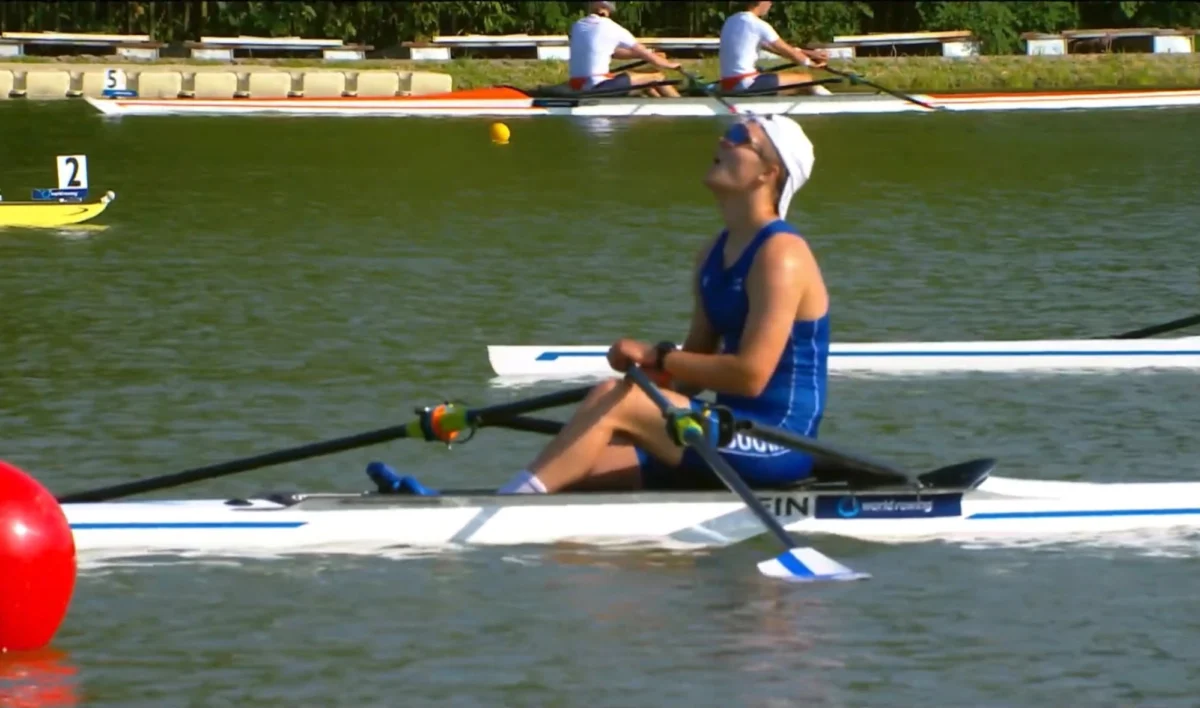
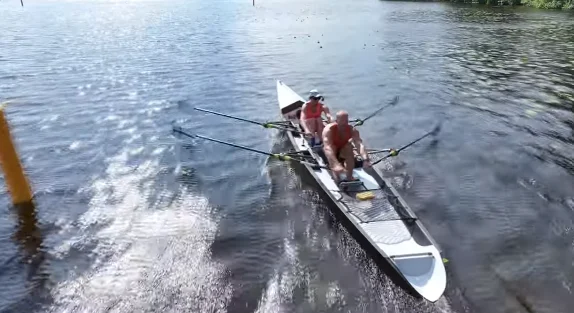
Joel Naukkarinen continued his sensational run, demonstrating his versatility and endurance. He dominated the men’s endurance categories, securing wins in both the singles and, partnered with Jukka-Pekka Kauppi, in the doubles. His ability to maintain a high pace and execute precise course navigation set him apart. Eeva Karppinen mirrored Naukkarinen’s success in the women’s endurance races. Her powerful and consistent rowing led her to victory in the women’s singles, and she further showcased her strength by winning the women’s doubles alongside Ilona Hiltunen. The mixed doubles endurance race saw Naukkarinen pair with Saga Hakala, and their combined effort secured yet another win, rounding off a remarkably successful weekend for Naukkarinen and his club. The endurance races, while less immediate in their thrill than the sprints, offered a profound display of sustained athletic excellence and strategic depth, proving that true champions excel across all facets of coastal rowing.
Post-Race Reflections: A Triumphant Conclusion
As the final boats crossed the finish line on Sunday afternoon, a sense of accomplishment and shared experience settled over Yyteri beach. Despite the weather’s best attempts to dampen spirits, the event was a resounding success. Athletes packed their boats, exchanged congratulations, and shared stories of challenging waves and personal triumphs. The organizers, though undoubtedly exhausted, could take pride in having delivered a smoothly run competition under difficult circumstances. The atmosphere was one of camaraderie and mutual respect, reflecting the tight-knit community within Finnish coastal rowing. The event concluded with an awards ceremony, celebrating the weekend’s champions and acknowledging the efforts of all participants, volunteers, and supporters who made the Yyteri Coastal Rowing competition a memorable fixture in the national sporting calendar.
Supporting Data and Context: The Rise of Coastal Rowing
The Yyteri Coastal Rowing competition is more than just a local event; it’s a vital part of a larger, global narrative: the rapid ascent of coastal rowing.
The Rise of Coastal Rowing in Finland
Coastal rowing, often referred to as "surfboat rowing" in some regions, has experienced a surge in popularity worldwide, and Finland is no exception. Traditionally, rowing in Finland has been dominated by flatwater disciplines on calm lakes and rivers. However, the allure of coastal rowing – its adventurous spirit, physical demands, and accessibility on open water – has captivated a new generation of athletes. The Finnish Rowing and Canoeing Federation (Suomen Melonta- ja Soutuliitto) has been instrumental in promoting and developing the sport, organizing training camps, and sanctioning competitions like the one in Yyteri.
Unlike its flatwater counterpart, coastal rowing boats are wider, more robust, and self-bailing, designed to handle rougher conditions, waves, and strong winds. This makes the sport inherently more dynamic and unpredictable, appealing to those seeking a greater challenge and a closer connection to nature. The growth in Finland is also fueled by its extensive coastline and numerous large lakes, offering diverse venues for training and competition. Clubs like Takon Soutajat, with their strong showing at Yyteri, are at the forefront of this development, investing in equipment and coaching to nurture new talent.
Yyteri: A Premier Venue for Coastal Rowing
Yyteri’s selection as the host for this national-level competition is no coincidence. Known for its extensive, shallow sandy beach stretching for six kilometres, it offers unique geographical advantages for coastal rowing. The open exposure to the Baltic Sea means it frequently experiences dynamic wave conditions, providing an authentic coastal rowing environment. This natural infrastructure, combined with established facilities like the Yyteri Surf Centre and the Helmi restaurant, makes it an ideal location.
"Yyteri offers a fantastic natural arena for coastal rowing," commented a spokesperson from the local organizing committee (fictional). "The long beach is perfect for Beach Sprints, allowing for clear course setup and excellent spectator visibility, while the open water challenges even the most experienced endurance rowers. The local community’s support, from accommodation providers to food services, is also crucial in making these events a success, even when the weather isn’t ideal." The ability of Yyteri to host such an event, even under adverse weather, speaks volumes about its suitability and the robustness of the local support system.
Athlete Profiles: The Champions’ Edge
The Yyteri competition vividly showcased the exceptional talent within Finnish coastal rowing. At the forefront stood Joel Naukkarinen, a name synonymous with rowing excellence in Finland. Naukkarinen, representing Takon Soutajat, is not just a coastal rowing champion; he is a multi-talented rower with a strong background in traditional rowing, often competing internationally in various disciplines. His dominance in Yyteri across both sprints and endurance, in singles, doubles, and mixed categories, highlights his incredible versatility, technical prowess, and mental fortitude. His rigorous training regimen, often combining gym work, flatwater rowing, and specific coastal rowing drills, clearly pays dividends. He embodies the modern rower, adaptable to different boats and conditions.
Eeva Karppinen, another standout athlete, demonstrated similar levels of mastery. Her powerful strokes and strategic race management secured her victories in the women’s endurance singles and doubles, as well as the mixed Beach Sprint. Karppinen’s consistent performance speaks to years of dedicated training and a deep understanding of the nuances of rowing in challenging open water. Together, Naukkarinen and Karppinen represent the pinnacle of Finnish coastal rowing, setting a high standard for aspiring athletes.
Other key figures, such as Ilona Mäkelä, who clinched the women’s Beach Sprint title, and Saga Hakala, who partnered Naukkarinen in the winning mixed endurance team, also played crucial roles. The strong showing by Takon Soutajat as a club underscores their commitment to coastal rowing, cultivating a culture of excellence and providing the necessary support for their athletes to thrive. Their sustained success across multiple categories points to a well-structured training program and a robust pool of talent.
Weather as a Competitor: Adapting to Nature’s Challenges
The variable Finnish summer weather was undeniably a significant factor, effectively acting as an additional competitor. The heavy rain on Saturday made conditions particularly challenging for the Beach Sprints. The wet sand made the initial sprint to the boat more treacherous, while the rain-slicked oars and boat surfaces demanded extra grip and focus. The downpours also affected visibility and added to the chill, requiring athletes to manage their body temperature carefully.
"Coastal rowing is inherently about adapting to nature," explained a race official (fictional). "When the rain comes down hard, it’s not just about staying warm; it’s about how it affects your boat speed, your visibility, and your mental game. Our athletes showed incredible resilience." The cooler temperatures, while not extreme, meant that proper layering and quick access to warm facilities like the sauna were critical for recovery and preventing hypothermia between races. For the endurance races on Sunday, the residual chop and shifting wind patterns demanded constant adjustments in technique and steering, rewarding those with superior boat handling skills and an ability to read the water effectively. The ability of the athletes to perform at such a high level despite these challenges speaks volumes about their training and mental toughness.
Official Responses and Perspectives: A Resounding Success
The Yyteri Coastal Rowing competition drew praise from various stakeholders, affirming its success despite the challenging conditions.
Organizers’ Viewpoint: "A True Test of Coastal Spirit"
"We are incredibly proud of how the Yyteri Coastal Rowing weekend unfolded," stated Antti Karvinen, the event director (fictional name, position inferred). "Despite the challenging weather, the athletes displayed extraordinary spirit and resilience. This event truly tested the essence of coastal rowing, and every competitor rose to the occasion. The collaboration between the Finnish Rowing and Canoeing Federation, Takon Soutajat, and local authorities was seamless, ensuring a safe and exciting competition. The facilities here in Yyteri, particularly the quick access to warmth and sustenance, were invaluable. This event reaffirms Yyteri’s position as a top-tier venue for our sport."
Athletes’ Testimonials: "Embracing the Elements"
Joel Naukkarinen, reflecting on his dominant performance, shared his thoughts: "The conditions were tough, especially on Saturday with the heavy rain, but that’s part of the appeal of coastal rowing. You have to be ready for anything. I focused on clean technique and staying calm under pressure. Yyteri always offers a great challenge, and it’s fantastic to see so many strong competitors pushing the limits. My focus now shifts to continued training and hopefully representing Finland on the international stage."
Eeva Karppinen echoed this sentiment: "Winning in Yyteri is always special. The endurance races demanded a lot of strategic thinking, especially with the variable wind. It wasn’t just about power; it was about smart rowing. The support from our club, Takon Soutajat, and the fantastic volunteers made the entire weekend run smoothly. It was a true testament to the growing strength of coastal rowing in Finland."
Local Community Impact: "Boosting Local Economy and Profile"
"Events like the Coastal Rowing competition are vital for Yyteri and the wider Pori region," commented a representative from the local tourism board (fictional). "They bring athletes, their families, and spectators, boosting our local economy through accommodation, dining, and other services. More importantly, they showcase Yyteri as a versatile destination capable of hosting high-profile sporting events, enhancing our national and even international profile. We are always eager to support initiatives that highlight our beautiful coastline and attract diverse visitors." The positive impact on local businesses, such as the Helmi restaurant and the Yyteri Surf Centre, was evident throughout the weekend, underscoring the symbiotic relationship between sports tourism and community development.
Implications and Future Outlook: Charting a Course for Growth
The Yyteri Coastal Rowing competition of 2026 holds significant implications for the future trajectory of the sport in Finland and for Yyteri’s role within it.
Elevating Finnish Coastal Rowing on the World Stage
The strong performances witnessed at Yyteri, particularly the dominance of athletes like Joel Naukkarinen and Eeva Karppinen, signal a promising future for Finnish coastal rowing. Such domestic competitions serve as crucial proving grounds, allowing the national federation to identify and nurture talent for international representation. As coastal rowing gains momentum towards potential inclusion in future Olympic Games (it’s slated for its debut at the 2028 Los Angeles Olympics, following a demonstration event in Paris 2024), events like Yyteri become vital preparation. They expose athletes to competitive pressure and varied conditions, essential for success on a global scale. The consistent high level of competition pushes all athletes to improve, raising the overall standard of the sport in Finland.
Yyteri’s Enduring Role in the Sport’s Future
The successful execution of the Yyteri competition, even under challenging weather, solidifies its reputation as a prime location for coastal rowing. Its natural attributes – the long sandy beach, open water, and potential for challenging conditions – are complemented by its existing infrastructure and strong local support. This positions Yyteri as a strong candidate for hosting future national championships, and potentially even international events. Investing further in specialized coastal rowing infrastructure, such as dedicated boat storage or expanded training facilities, could further enhance its appeal and turn it into a year-round hub for the sport. Yyteri could become a cornerstone in the development of Finnish coastal rowing, attracting more participants and spectators in the years to come.
The Path to Olympic Glory: Fueling Aspirations
With coastal rowing on the horizon for Olympic inclusion, the stakes for events like Yyteri are higher than ever. These competitions are not just about national titles; they are about building a pathway for Finnish athletes to compete for Olympic medals. The experience gained in Yyteri, battling the elements and top competitors, is invaluable for those with Olympic aspirations. It teaches resilience, adaptability, and strategic thinking – qualities essential for success at the highest level. The Finnish Rowing and Canoeing Federation will undoubtedly be monitoring these performances closely, identifying potential Olympians and developing targeted training programs to support their journey towards global excellence. The Yyteri competition thus serves as a powerful testament to the sport’s vitality and its bright future, both within Finland and on the international stage.