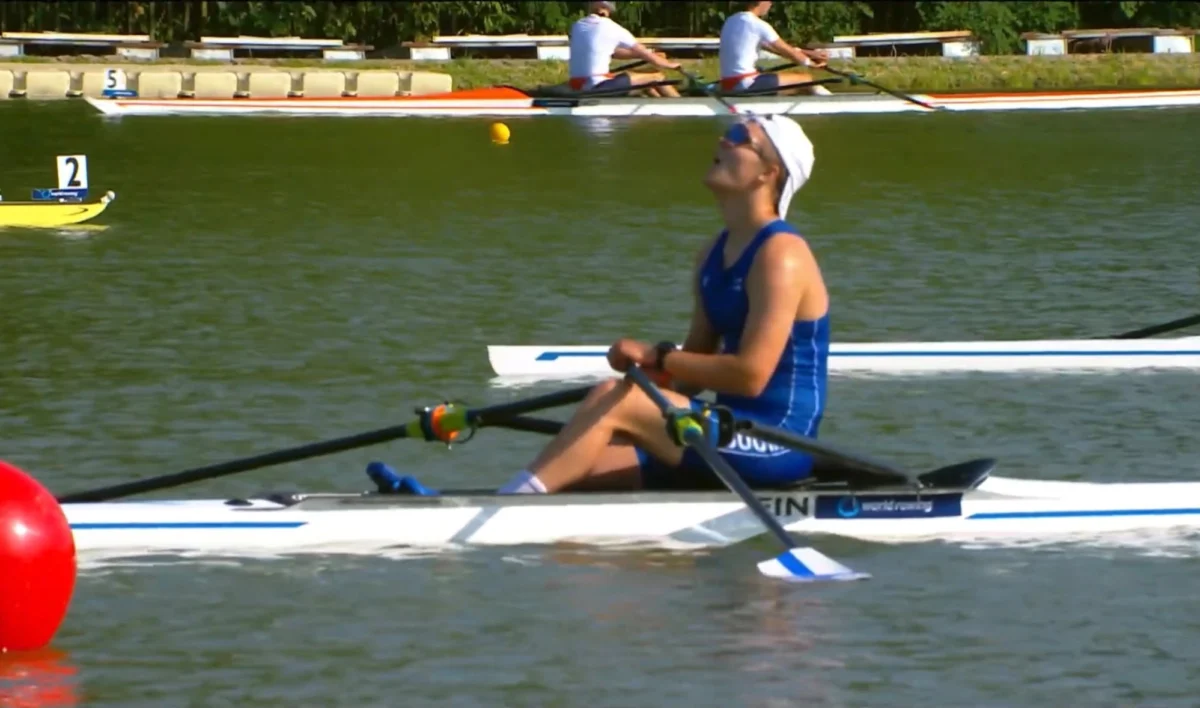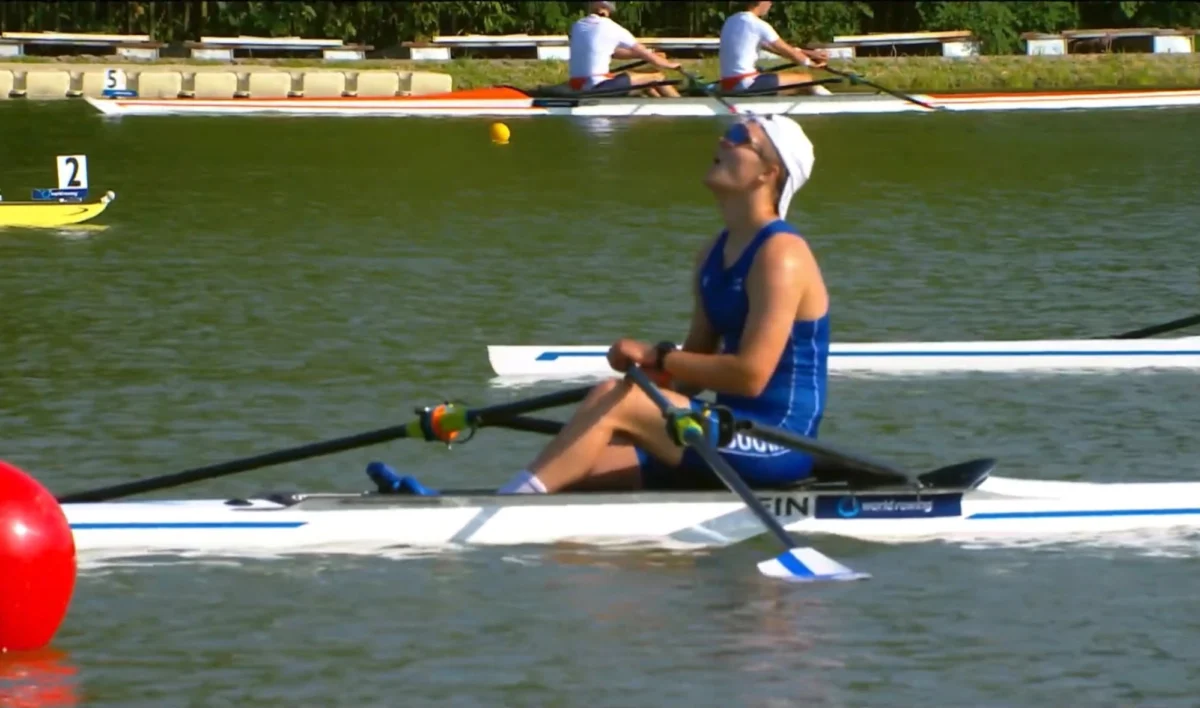
Plovdiv, Bulgaria – August 9, [Recent Year] – Finnish rowing talent William Åhman concluded a demanding and ultimately successful campaign at the World Rowing Under 19 Championships held on the sun-drenched waters of Plovdiv, Bulgaria. Competing in the highly competitive Boys’ Single Sculls event, Åhman navigated a challenging series of races to secure an impressive 21st place overall amongst the world’s elite junior rowers. His journey, marked by resilience and a personal best performance, underscores the burgeoning potential within Finnish rowing.
The four-day regatta, which ran from August 6th to 9th, brought together 660 athletes from 55 nations, all vying for global recognition in the pinnacle event for under-19 rowers. Amidst scorching 35-degree Celsius temperatures, Åhman demonstrated remarkable composure and strength, advancing steadily through the initial stages and leaving an indelible mark on the international rowing scene.
Main Facts: A Resilient Performance on the World Stage
William Åhman, representing Finland, delivered a commendable performance at the recent World Rowing Under 19 Championships in Plovdiv, Bulgaria. Competing in the demanding Boys’ Single Sculls category, Åhman finished 21st overall, a significant achievement in a field comprising the best young rowers from around the globe. His path to this ranking involved navigating through heats and quarter-finals, ultimately culminating in a spirited third-place finish in the D-final.
The championships, widely regarded as the most prestigious event for junior rowers internationally, saw Åhman push his limits under challenging conditions. His ability to progress beyond the initial heats and into the quarter-finals speaks volumes about his preparation, skill, and competitive spirit. Despite narrowly missing out on the higher-tier finals, Åhman’s performance in the D-final, where he battled fiercely to secure a podium spot within that specific race, showcased his determination.
Crucially, Åhman also managed to achieve a new personal best time during the competition, a testament to his unwavering commitment and the high-pressure environment of a World Championship race. His reflections post-race highlighted both his satisfaction with the event’s organization and his own effort, even as he acknowledged the unfulfilled ambition of winning his final race. This blend of ambition and contentment with a maximal effort encapsulates the spirit of an elite junior athlete on the rise.
Chronology: Åhman’s Journey Through the Plovdiv Regatta
The road to the World Rowing Under 19 Championships is a long and arduous one, demanding years of dedication, countless hours of training, and a rigorous selection process at the national level. For William Åhman, his presence in Plovdiv was the culmination of this intense preparation, representing Finland on the biggest stage for junior rowers. His regatta unfolded in a series of high-stakes races, each requiring meticulous strategy and peak physical output.
Thursday: The Opening Heats – Laying the Foundation
The championships kicked off on Thursday, August 6th, with the initial heats across all categories. For Åhman, this was his first opportunity to test his speed against international competitors. The heats are crucial; a strong performance can secure a direct path to the quarter-finals or semi-finals, bypassing the physically taxing repechage rounds. Åhman rose to the occasion, demonstrating his prowess by securing a position that allowed him to advance directly to the quarter-finals. This initial success was a significant confidence booster, confirming his form and ability to perform under pressure. It also conserved vital energy, a critical factor in a multi-day regatta where athletes must maintain peak performance through several races. His satisfaction with this initial result, as he later commented, was palpable, setting a positive tone for the remainder of his competition.
Friday: Quarter-Finals – The Stakes Intensify
Friday brought the quarter-finals, where the competition significantly intensified. The field narrows, and only the fastest crews progress further, making every stroke count. Åhman faced formidable opponents, each having proven their speed in the heats. These races are often decided by fractions of a second, demanding not only raw power but also strategic pacing and mental fortitude. While Åhman put forth a valiant effort, the margins at this elite level are incredibly fine. Despite a strong row, he did not secure one of the top spots required to advance to the A/B semi-finals, which would have placed him in contention for the top twelve overall positions. Instead, his result in the quarter-finals directed him towards the C/D semi-finals, setting his sights on the D-final. This progression is a standard part of rowing regattas, ensuring that all competitors race through to a final ranking.
Saturday: Semi-Finals – Securing a Final Berth
Saturday’s racing saw Åhman compete in the D-semi-final. The objective here was clear: secure a top-three finish to earn a spot in the D-final, thereby guaranteeing a final ranking between 19th and 24th place. These races, while not for the ultimate medals, are fiercely contested as athletes push to end their championship campaign on a high note and achieve the best possible ranking. Åhman once again delivered, showcasing his consistency and determination to earn his place in the D-final. This confirmed his position among the top 24 junior single scullers in the world, a significant achievement in itself.
Sunday: The D-Final – A Strong Finish and Personal Best
The final day of the championships, Sunday, August 9th, was reserved for all the finals. For William Åhman, this meant competing in the D-final. The D-final brings together the rowers ranked 19th through 24th, and while the medals are out of reach, the race for pride and ranking is intense. Åhman entered this final race with a clear objective: to win it. He pushed himself to the absolute limit, engaging in a tight battle with his competitors. His relentless effort paid off as he crossed the finish line in third place within the D-final. This strong finish not only solidified his overall 21st position in the world but also saw him achieve a new personal best time. This personal record, achieved under the immense pressure of a World Championship final, is a testament to his growth and peak performance at the most crucial moment. It underscored his physical and mental development throughout the regatta and served as a tangible marker of his progress as an athlete.
Supporting Data: The Grand Stage of Junior Rowing
The World Rowing Under 19 Championships are far more than just another regatta; they are a crucible where future Olympic champions are forged and a vital benchmark for national rowing federations worldwide. The event’s significance, the challenging environment, and the sheer scale of participation provide crucial context to William Åhman’s commendable performance.
The World Rowing Under 19 Championships: A Legacy of Excellence
Annually organized by World Rowing (formerly FISA), the Under 19 Championships represent the pinnacle of junior rowing. For aspiring rowers, it is the highest-level competition available in their age category, serving as a critical stepping stone towards U23 and senior international racing. Many Olympic and World Championship medalists began their illustrious careers at this very event, making it a key talent identification platform. The championship’s long history is rich with stories of young athletes pushing their limits, making it a revered fixture in the international rowing calendar. Competing here means facing the best of your generation, testing not only physical prowess but also mental fortitude and race strategy. The pressure is immense, and the experience gained is invaluable, shaping athletes for years to come.
Plovdiv as a Host: A Venue Steeped in Rowing History
The city of Plovdiv, Bulgaria, is a renowned hub for international rowing, boasting a purpose-built rowing canal that has hosted numerous World Cups, European Championships, and World Championships across various age categories. Its facilities are consistently praised for their quality and efficiency. Åhman himself commented on the "excellent facilities and superb organization," a common sentiment among athletes who compete there. The Plovdiv Regatta Venue is known for its fair racing conditions, though the August timing often brings with it significant heat.
Battling the Elements: The Impact of 35-Degree Heat
The reported 35-degree Celsius heat and relentless sunshine added an extra layer of difficulty to an already demanding sport. Rowing requires sustained high-intensity effort, and extreme heat significantly exacerbates the physical toll. Dehydration, heat exhaustion, and muscle cramps become very real threats. Athletes must meticulously manage their hydration, nutrition, and recovery between races. The heat not only drains physical energy but also places immense mental strain, requiring rowers to maintain focus and composure when their bodies are screaming for relief. For Åhman to achieve a personal best under such punishing conditions speaks volumes about his physical conditioning, heat acclimatization strategies, and mental resilience. These are the moments that truly define an athlete’s character.
Global Scale and Competitive Depth: 660 Athletes from 55 Nations
The sheer scale of the championships, with 660 athletes representing 55 countries, underscores the global popularity and competitive depth of rowing. In the Boys’ Single Sculls, this typically means a field of 30-40 athletes, each having won national trials and representing their country as its single fastest junior sculler. To finish 21st in such a vast and talented pool is a remarkable feat. It demonstrates that Åhman is firmly among the top echelon of junior rowers worldwide. The diversity of nations also highlights the varying styles and strengths of rowing programs globally, from traditional powerhouses like Germany, Great Britain, and the USA, to emerging nations, all converging in a fierce yet respectful competition. This global gathering fosters cultural exchange and sportsmanship, enriching the experience for all participants.
The Demands of Single Sculling: A Test of Solitude and Strength
The Boys’ Single Sculls (1x) is arguably the most demanding boat class in rowing. Unlike crew boats, there is no one else to rely on; every stroke, every decision, every ounce of power comes solely from the individual rower. It requires an unparalleled blend of physical endurance, explosive power, technical precision, and mental toughness. The race pace is brutal, pushing the cardiovascular system to its absolute limit for 2,000 meters. The psychological aspect is equally challenging, as rowers must maintain focus, manage pain, and execute their race plan in isolation. Åhman’s performance in this event is therefore a profound testament to his comprehensive athletic development.
Official Responses: Athlete’s Reflection and National Perspective
William Åhman’s immediate reactions following his races offered a candid glimpse into the mind of a young athlete performing at the peak of his sport. His comments, while concise, revealed a blend of appreciation for the event, satisfaction with his effort, and an innate drive for continuous improvement.
Åhman’s Personal Reflections: Satisfaction, Ambition, and a New Benchmark
Following his successful progression through the initial rounds, Åhman expressed clear satisfaction with his performance in the heats. "The facilities here are excellent, and the organization is superb," he commented, acknowledging the high standards set by the host city. This appreciation for the external environment likely contributed to his ability to focus on his racing. He further noted his contentment with securing advancement from the heats, understanding the importance of that initial step in a multi-day regatta.
Looking ahead to the D-final, Åhman’s competitive spirit shone through. "Of course, I aimed to win my final," he stated, a common sentiment among elite athletes who always strive for the top spot, regardless of the tier of the final. While the outright victory in the D-final eluded him, he ultimately placed third, a strong result in a closely contested race.
More importantly, Åhman found profound satisfaction in his overall effort and the tangible outcome of his hard work. "It didn’t happen, but I am still satisfied that I gave everything I had on the course, and I set a new personal best," he affirmed. This sentiment is crucial for an athlete’s long-term development. The ability to find value in maximal effort and personal growth, even when the ultimate desired outcome isn’t achieved, is a hallmark of resilience and a healthy competitive mindset. Setting a new personal best on the world stage, under intense pressure and challenging conditions, speaks volumes about his physical and mental peak performance. It validates his training and serves as a powerful motivator for future endeavors.
The National Federation’s Implicit View: A Promising Indicator
While no direct official statement from the Finnish Rowing Federation was provided in the original dispatch, Åhman’s performance would undoubtedly be viewed as a highly positive indicator for Finnish junior rowing. For a nation with a smaller rowing contingent compared to global powerhouses, having an athlete finish 21st in the fiercely competitive Boys’ Single Sculls at the U19 World Championships is a significant achievement. It suggests that the national junior development programs are effectively identifying and nurturing talent.
This level of performance provides valuable data for national coaches, allowing them to assess the athlete’s potential for progression to the U23 and senior ranks. It also serves as inspiration for other young Finnish rowers, demonstrating that with dedication and hard work, it is possible to compete successfully at the highest international junior level. Åhman’s ability to perform consistently and achieve a personal best under championship pressure validates the federation’s investment in its youth athletes and strengthens the belief in Finland’s capacity to produce future international rowing stars. His experience in Plovdiv will be carefully analyzed by national coaches to identify areas of strength and opportunities for further development, not just for Åhman himself, but for the entire junior rowing cohort.
Implications: Future Strokes and Broader Impact
William Åhman’s 21st-place finish at the World Rowing Under 19 Championships in Plovdiv carries significant implications for his individual athletic trajectory and potentially for the broader landscape of Finnish rowing. This experience, marked by both challenge and personal triumph, serves as a pivotal moment in his burgeoning career.
Åhman’s Future Trajectory: A Stepping Stone to Higher Honors
For William Åhman, the Plovdiv championships are not an end but a crucial stepping stone. His performance has firmly established him as one of the world’s most promising junior single scullers. This experience provides an invaluable foundation for his progression to the U23 category, where he will face even tougher competition from slightly older and more physically mature athletes. The lessons learned in Plovdiv – managing pre-race nerves, adapting to international race strategies, coping with extreme conditions, and maintaining focus across multiple high-stakes races – will be indispensable.
National coaches will now likely focus on a structured development plan for Åhman, aiming to refine his technique, enhance his physical conditioning, and further develop his race-day psychology. The goal will be to transition him smoothly into U23 World Championships and eventually, the senior international circuit, with aspirations of representing Finland at European Championships, World Championships, and ultimately, the Olympic Games. His personal best achieved in Plovdiv offers a clear benchmark for future training cycles, indicating the level of performance he is capable of reaching.
Inspiration for Finnish Rowing: Nurturing a New Generation
Åhman’s success resonates beyond his individual achievement. For a relatively smaller rowing nation like Finland, every international success, especially at the junior level, is a powerful source of inspiration. It demonstrates to other young Finnish rowers that competing and succeeding on the world stage is an attainable goal. His journey can motivate aspiring athletes to commit to the rigorous demands of the sport, fostering a new generation of talent.
The visibility of Åhman’s performance also helps to raise the profile of rowing within Finland, potentially attracting new participants to clubs and increasing public interest and support for the sport. This positive momentum is vital for the long-term health and growth of Finnish rowing, ensuring a continuous pipeline of talent for national teams across all age categories.
The Invaluable Experience: Beyond the Medals
Perhaps the most profound implication of Åhman’s participation is the invaluable experience gained. Competing at a World Championship is a transformative event for any athlete. It exposes them to different cultures, diverse racing styles, and the immense pressure of global competition. These experiences build character, foster independence, and provide a deep understanding of what it takes to excel at the highest level.
The challenges overcome, the personal best achieved, and the connections made with fellow athletes from around the world all contribute to a holistic development that extends far beyond athletic performance. This experience will serve Åhman well not only in his rowing career but in all aspects of his life, equipping him with resilience, self-belief, and a global perspective.
In conclusion, William Åhman’s performance at the World Rowing Under 19 Championships in Plovdiv was a testament to his dedication and talent. His 21st-place finish, secured through a series of determined races and capped with a personal best, marks him as a significant prospect for Finnish rowing. As he looks to the future, the lessons and triumphs from Plovdiv will undoubtedly propel him towards even greater achievements on the international rowing stage.