Introduction: A New Paradigm for Azerbaijani Tourism
In a landmark development for the South Caucasus, a consortium of seasoned industry professionals has officially announced the formation of the Azerbaijan Ecotourism Association (AETA). This strategic initiative, spurred by the government of President Ilham Aliyev’s recent mandate for sustainable national development, seeks to fundamentally reshape Azerbaijan’s tourism landscape. By shifting the focus from traditional, high-impact tourism to a model defined by ecological stewardship, biodiversity conservation, and sustainable development, the AETA aims to position Azerbaijan as a premier destination for conscious global travelers.
The creation of the AETA is not merely an organizational milestone; it represents a comprehensive commitment to institutionalizing an "ecological culture" within the nation. As the country looks to diversify its economy, the association serves as the bridge between environmental preservation and the burgeoning demand for high-quality, nature-based travel experiences.
Main Facts: The Vision of the AETA
The Azerbaijan Ecotourism Association is built on a foundational belief that economic prosperity and environmental protection are not mutually exclusive but rather mutually reinforcing. The core mandate of the AETA is to facilitate a transition toward sustainable tourism that honors the unique landscape and cultural heritage of Azerbaijan.
Key Objectives
- Policy Advocacy: Working closely with government bodies to draft and implement regulations that protect natural habitats from over-commercialization.
- Product Diversification: Moving beyond conventional hotel stays to foster a diverse array of ecotourism products, including agritourism, rural cultural immersion, and eco-hospitality.
- International Positioning: Launching branding campaigns that showcase Azerbaijan as a pristine, nature-oriented destination on the global stage.
- Capacity Building: Educating local stakeholders on the intricacies of eco-friendly hospitality, from waste management to local supply chain integration.
Chronology: From Concept to Commitment
The genesis of the AETA did not occur in a vacuum. It was the result of a deliberate, multi-year process of consultation and coalition-building.
- Alignment with National Policy: Following the government’s shift toward sustainable reform, industry leaders identified a critical need for an independent, professional body to bridge the gap between policy and practice.
- Expert Consultations: The founders spent months in rigorous discussions with global leaders in the field, including The International Ecotourism Society (TIES), the World Wide Fund for Nature (WWF), and the Caucasus Regional Eco Center. These consultations were essential to ensure that the AETA’s framework met international gold standards.
- Cross-Sectoral Collaboration: Engagement with domestic stakeholders—specifically the State Tourism Agency and the Ministry of Ecology and Natural Resources—ensured that the association’s vision is firmly anchored in the national regulatory framework.
- Foundational Phase (Current): Led by Samir Dubendi, the association is currently finalizing its operational structure. The team aims to be fully functional within a one-month window, establishing a permanent secretariat that will serve as a hub for eco-innovation.
Supporting Data: Why Ecotourism?
The decision to focus on ecotourism is supported by both global market trends and local economic necessity. According to international tourism data, the "conscious traveler" segment is the fastest-growing demographic in the industry. These travelers prioritize carbon footprints, local community impact, and authentic ecological engagement.
The Azerbaijani Advantage
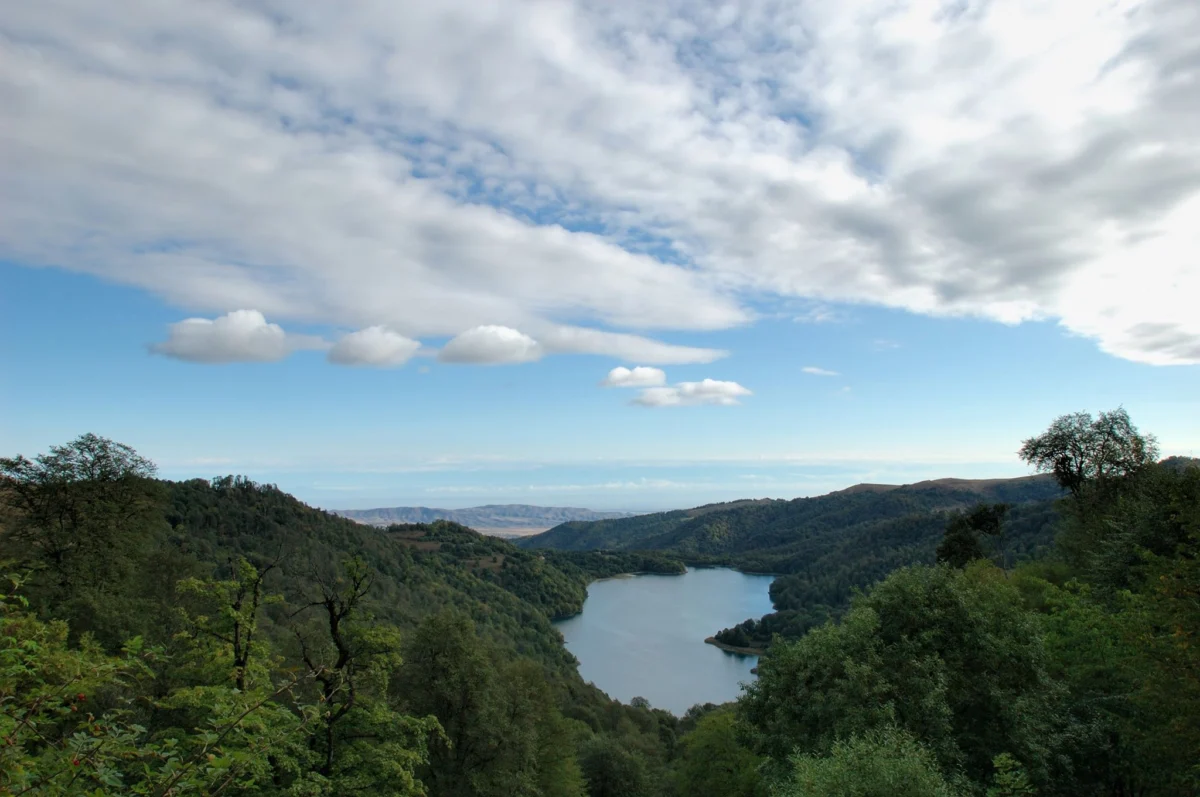
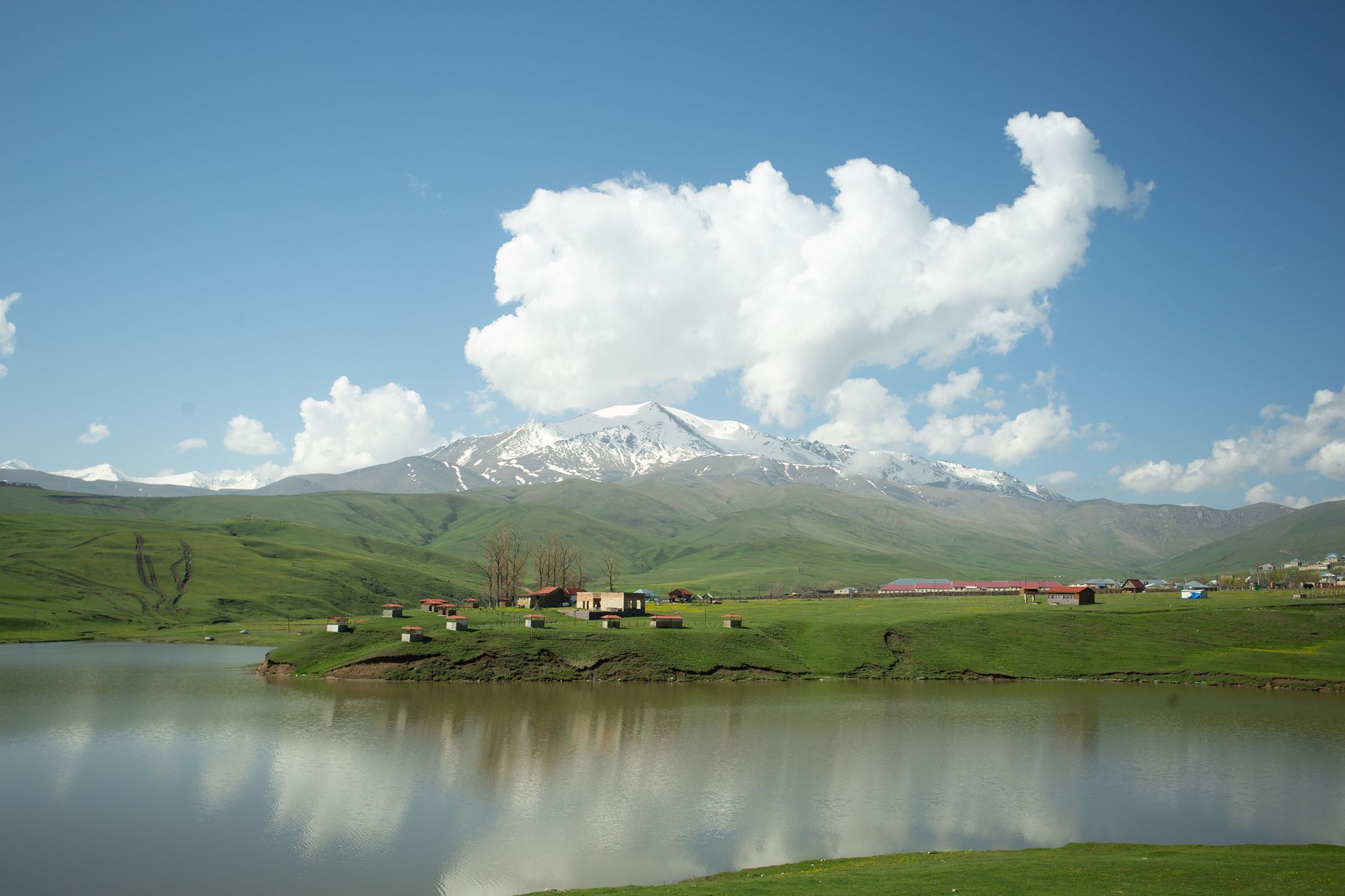
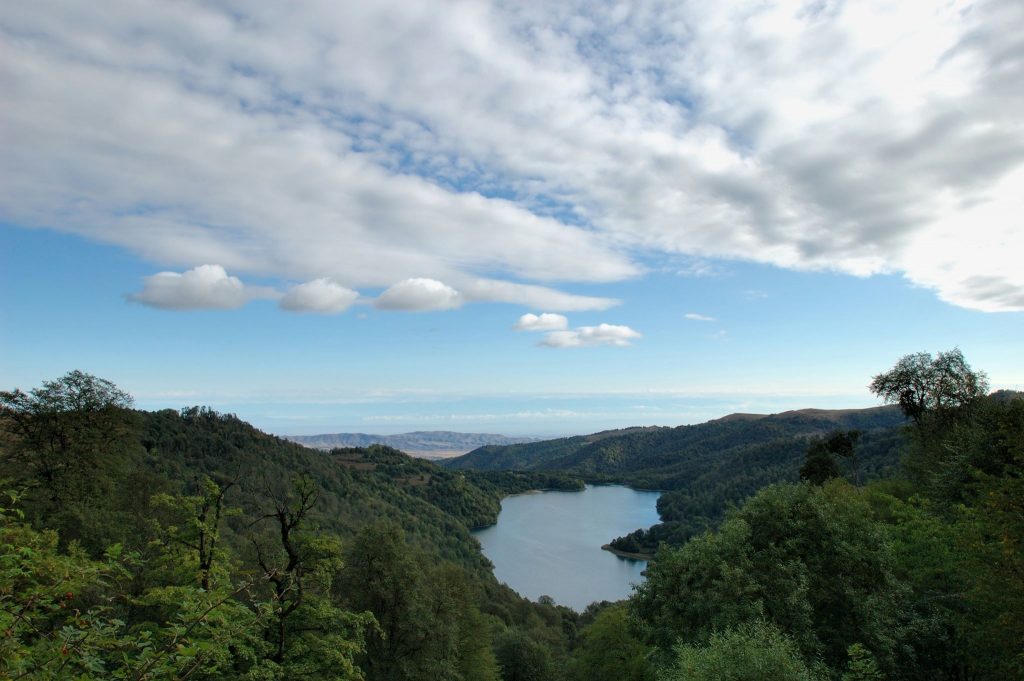
Azerbaijan boasts a diverse range of ecosystems, from the Caspian Sea coastline to the rugged peaks of the Greater Caucasus. This geographic variety provides an ideal canvas for the specific products the AETA intends to promote:
- Healthy and Ecological Food Systems: By linking tourism to rural agriculture, the AETA intends to support local farmers and promote farm-to-table dining experiences.
- Outdoor Adventure Tourism: Trekking, birdwatching, and nature photography are being developed as low-impact, high-value activities that provide income for rural communities.
- Green Infrastructure: The shift toward "eco-hotels"—accommodations that utilize renewable energy, water recycling, and sustainable construction materials—will serve as a model for future real estate development.
Official Responses and Leadership Profiles
The leadership of the AETA comprises individuals with deep academic and practical experience.
Samir Dubendi: Leading the Charge
As the Chairman of the Executive Board of the DAIR Hotels and Restaurants Association and a head lecturer at the Azerbaijan Tourism and Management University (ATMU), Samir Dubendi brings a unique blend of pedagogical insight and industry authority.
"We are working hard to do everything as rapidly as we can," Dubendi stated during the announcement. He emphasized that the association is not an island, but rather a hub for international exchange. "My colleagues and I hope to be in permanent touch with TIES to adopt and share your indispensable experience. Our success depends on our ability to listen to global experts while tailoring those lessons to the specific realities of the Azerbaijani terrain."
A Core Team of Experts
The association is further strengthened by the leadership of Zurab Israfilov, Rufat Gojayev, and Vugar Dargahov. Each founder brings a specific domain of expertise, ranging from hospitality management and regulatory compliance to environmental conservation. Their collaborative approach is designed to prevent the silos that often hinder the development of tourism in developing nations.
Implications: The Long-Term Impact
The establishment of the AETA has profound implications for the future of Azerbaijan.
1. Societal Shift toward Sustainability
By emphasizing "eco-culture," the association aims to influence public behavior. A key component of their mission is the active engagement of young people. By providing educational pathways and career opportunities in sustainable hospitality, the AETA is fostering a new generation of Azerbaijani professionals who view environmental protection as a competitive advantage rather than a regulatory burden.
2. Economic Resilience
Traditional tourism is susceptible to seasonal volatility. Ecotourism, particularly in rural areas, tends to offer a more stable year-round economic impact. By promoting agritourism and rural hospitality, the AETA is helping to decentralize the tourism economy, bringing investment into regions that have historically been bypassed by mainstream tourism development.
3. Biodiversity Conservation
Perhaps the most significant implication is the indirect protection of the environment. As local communities begin to realize that their natural landscapes—the forests, rivers, and mountains—have tangible economic value through ecotourism, they become the most effective guardians of those resources. This creates a powerful economic incentive for conservation that is far more sustainable than top-down policing alone.
A Call to Action
The founders of the AETA have issued a clear call to the public: they are seeking supporters, partners, and advocates. The transformation of a nation’s tourism sector is not a task for a few; it requires the participation of local entrepreneurs, nature lovers, educators, and the youth.
As the AETA prepares for its full launch, the global community, represented by bodies like The International Ecotourism Society (TIES), has extended its congratulations. This partnership is a clear signal that the world is watching, and that there is a ready market for the authentic, sustainable, and ecologically rich experiences that Azerbaijan is now poised to offer.
In conclusion, the launch of the Azerbaijan Ecotourism Association marks the beginning of a vital chapter in the country’s history. By aligning with global sustainability standards and leveraging the unique biodiversity of the Caucasus, Azerbaijan is set to transform its tourism identity. The roadmap is ambitious, the leadership is experienced, and the goal—a sustainable, prosperous, and green future—is within reach. As Mr. Dubendi and his team continue their work, the world can expect to see a new, greener face of Azerbaijan emerging in the international marketplace.