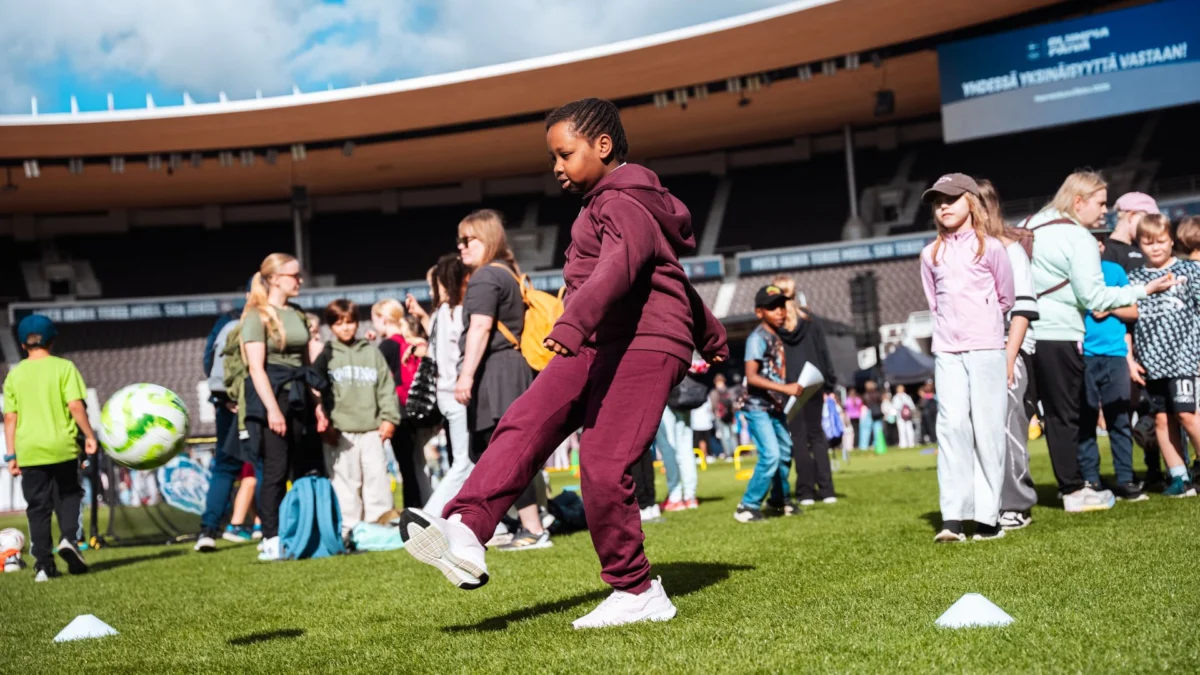
On September 4, 2026, the historic Helsinki Olympic Stadium transformed into a sprawling playground of discovery. The annual "Olympiapäivä" (Olympic Day) event drew 8,000 attendees, ranging from enthusiastic primary school students to local families, all united by a common goal: to explore new athletic horizons and celebrate the intrinsic joy of movement. With nearly 40 different sports on offer, the event served as a vibrant reminder of how physical activity acts as a cornerstone for community building, personal well-being, and social inclusion.
The Event in Numbers: A Day of Discovery
The scale of the event was nothing short of impressive. Over the course of the day, thousands of "first-time" trials were recorded, as attendees navigated a wide array of activities—from traditional field sports to niche disciplines that many had never encountered before.
The primary demographic consisted of over 6,000 schoolchildren who arrived as part of their school day, turning the stadium into a massive, open-air classroom. For these students, the opportunity to experiment with new sports in a safe, guided, and pressure-free environment was the day’s highlight. By removing the traditional barriers to entry—such as the need for specialized equipment or the intimidation factor of joining a new club—the organizers successfully lowered the threshold for youth participation in organized sports.
Chronology: A Day Structured for Engagement
The day was meticulously organized to maximize participation while maintaining the integrity of the Olympic spirit.
- Morning Kick-off (09:00 – 11:30): The stadium gates opened to a sea of school groups. The morning session was dedicated to structured rotations, ensuring that as many students as possible could cycle through the diverse "sport stations." Coaches and volunteers from local sports clubs were on hand to provide introductory lessons, focusing on the basics of skill acquisition and safety.
- Mid-day Activation (12:00 – 14:00): As the school groups transitioned to lunch and reflection, the event opened more broadly to the general public. This period was characterized by spontaneous interaction, with families and individuals navigating the various booths and demonstration areas.
- Afternoon Outreach (14:00 – 17:00): The final hours of the event focused on long-term engagement. Representatives from national governing bodies and local sports clubs provided information on how to join permanent programs. The focus shifted from mere trial to "what’s next," providing attendees with clear pathways to continue their newfound interests in their own neighborhoods.
Supporting Data: Why Low-Threshold Events Matter
The importance of Olympiapäivä extends beyond a single day of fun. According to the Finnish Olympic Committee, the event serves as a vital tool in the broader national strategy to combat physical inactivity and social isolation.
Recent studies within the Finnish sporting community highlight a growing "barrier to entry" phenomenon. Many children and adolescents report that they are hesitant to join a new club because they lack foundational experience in a specific sport. By providing a "safe-fail" environment—where participants can try, fail, and succeed without the pressure of competition—Olympiapäivä effectively dismantles this psychological hurdle.
Furthermore, the event aligned perfectly with the national "Together Against Loneliness" (Yhdessä yksinäisyyttä vastaan) campaign. Sports clubs are increasingly recognized not just as training grounds for athletes, but as social infrastructure. By fostering an environment where different age groups, backgrounds, and ability levels mingle, the event strengthened the social fabric of Helsinki.
Official Responses: Voices from the Heart of the Stadium
The success of the day was underpinned by a collaborative effort between the Finnish Olympic Committee, the City of Helsinki, and a wide array of sports organizations.
The Perspective of the Olympic Committee
Liisa Ahlqvist-Lehkosuo, Sports Director at the Finnish Olympic Committee, emphasized the philosophy behind the event’s design. "We wanted to make Olympiapäivä a place where trying something new is easy and where everyone feels comfortable being themselves," she noted. "When diverse sports, individuals, and communities converge, it creates a unique momentum. It isn’t just about the day itself; it’s about sparking an interest that persists long after the gates close. We believe that the joy of movement is most often ignited through shared experiences."
The Municipal Vision
Tarja Loikkanen, Director of Sports for the City of Helsinki, underscored the historical significance of the venue. "Olympiapäivä provided a concrete demonstration of how vital it is to offer youth and families opportunities to find meaningful hobbies," she stated. "It was particularly special to host this at the Helsinki Olympic Stadium, an iconic environment for Finnish sport. As we look toward next year’s 75th anniversary of the 1952 Summer Olympics, this event served as a bridge between that golden legacy and the future of Finnish activity. It reminded us that the spirit of ’52 lives on in the daily lives of Helsinki residents through grassroots sports and community participation."
Implications: Moving Toward a More Active Future
The legacy of this year’s Olympiapäivä is intended to be lasting. While the event concluded at sunset, the organizers have provided several digital and physical tools to ensure the momentum continues.
Bridging the Gap to Permanent Membership
A key component of the event’s success was the integration of the "Sporttihaku" (Sport Search) tool via the Suomisport platform. Attendees were encouraged to use this digital interface to find local clubs near their homes that offer the sports they enjoyed during the day. By linking the excitement of the stadium experience to local "Tähtiseura" (Star Clubs), the committee aims to turn curiosity into long-term commitment.
The Role of Sports Clubs as Social Anchors
The event highlighted that sports clubs are often the unsung heroes of social integration. In an era where digital connection often replaces physical interaction, the physical sports club offers a unique environment for face-to-face community building. The organizers emphasized that joining a club is not just about physical training; it is about finding a group where one belongs, building friendships, and gaining the confidence that comes with mastering a new skill.
A Collaborative Triumph
The scale and logistical success of the event would not have been possible without a broad coalition of partners. Beyond the lead organizers—the Finnish Olympic Committee, the City of Helsinki, the Olympic Stadium, and the Sports Museum of Finland (Tahto)—the event was supported by a wide network of national sports federations and commercial partners.
Brands such as HK and Jenkki contributed to the atmosphere, while media partners like Ocean Outdoor, Bauer Media, and Aktiivimedia ensured that the message of the event reached far beyond the stadium walls. This multi-sectoral support highlights the consensus among public, private, and non-profit entities: that the health and vitality of the nation are directly linked to the accessibility of sports.
Conclusion: The Long-Term Impact
As the sun set over the iconic tower of the Helsinki Olympic Stadium, the impact of the day was clear. For 8,000 individuals, the stadium was no longer just a museum of past athletic glories; it was a living, breathing testament to the future of Finnish health.
Olympiapäivä 2026 proved that when the barriers to movement are removed, people are more than willing to step onto the field. Whether it was a child picking up a hockey stick for the first time or a parent discovering the local running club, the event succeeded in its mission: to remind every participant that they belong in the world of sports. As Finland prepares for the 75th anniversary of its most famous Olympic moment next year, events like these ensure that the Olympic spirit remains firmly rooted in the everyday lives of the people.