The world’s eyes are turning toward Senegal as the global sports community prepares for a landmark event in the history of the Olympic movement. From October 31 to November 13, 2026, the city of Dakar will host the fourth edition of the Summer Youth Olympic Games (YOG). For Finland, this event marks a significant milestone, with a dedicated team of four young athletes ready to compete against the best 15-to-17-year-olds on the planet.
This delegation is not merely a group of participants; they are trailblazers. As the first-ever Olympic Games to be held on the African continent, the Dakar 2026 event carries a weight of cultural and historical significance that transcends the traditional boundaries of international sports competition.
The Main Facts: A Diverse Team for a Historic Stage
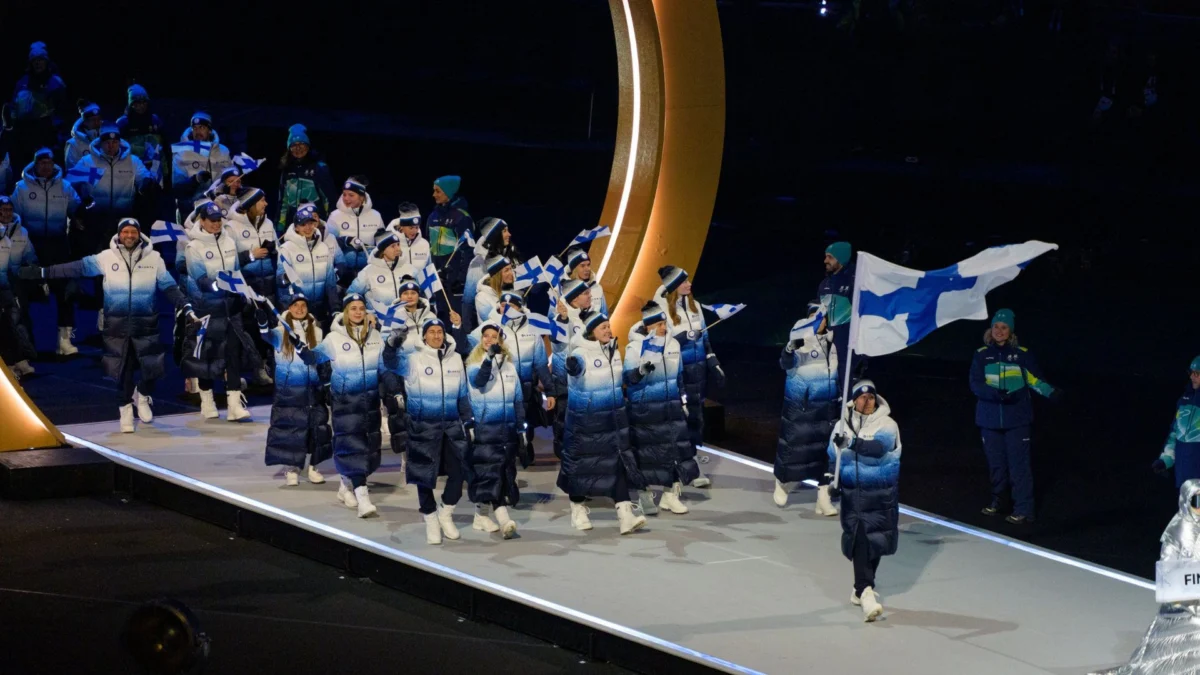
Finland’s representation in Dakar reflects the nation’s diverse athletic pedigree. The Finnish Olympic Committee has confirmed that four athletes—each a specialist in their respective discipline—have secured their spots through rigorous qualification processes managed by the International Olympic Committee (IOC) and the relevant International Federations.
The Finnish team consists of:
- Saaga Hakala (Coastal Rowing)
- Ananya Kandala (Badminton)
- Mike Parhiala (Boxing, 55 kg)
- Aina Kirtselis (Taekwondo, -49 kg)
These athletes represent the future of Finnish sports. Whether navigating the unpredictable waters of coastal rowing or trading blows in the boxing ring, each member of this quartet has demonstrated the technical prowess and mental fortitude required to reach the world stage. They are supported by a professional staff led by Team Leader Kimmo Mustonen, alongside medical personnel and coaches dedicated to ensuring that the Finnish delegation operates at peak performance levels throughout the two-week tournament.
A Journey Delayed: The Chronology of Dakar 2026
The road to Dakar has been anything but conventional. Originally slated for 2022, the Games were forced into an unprecedented hiatus due to the global COVID-19 pandemic. The subsequent postponement to 2026 was a strategic decision by the IOC to ensure the health and safety of the young athletes and the host nation, but it also granted a unique window for a new generation of talent to emerge.
- 2010: The inaugural Summer Youth Olympic Games are held in Singapore, setting the template for youth-focused international competition.
- 2014 & 2018: The flame travels to Nanjing and Buenos Aires, respectively, cementing the YOG as a cornerstone of the Olympic calendar.
- 2020: The original plans for Dakar 2022 are put on hold as the global health crisis disrupts international travel and event hosting.
- 2026 (May): The Finnish Olympic Committee begins confirming its roster, with initial selections for boxing and taekwondo.
- 2026 (Autumn): The final team is finalized, and preparations shift to final training camps and logistical arrangements.
- October 31 – November 13, 2026: The Games take place in Senegal, marking the first time the Olympic rings grace African soil.
This delay has added a layer of resilience to the competing athletes. Many of those who qualified in 2026 have spent years training under the shadow of uncertainty, making their eventual journey to Senegal a testament to their dedication to the Olympic ideal.
Supporting Data: The Scale of the Dakar Games
The Dakar 2026 Youth Olympic Games are designed to be an expansive celebration of both sport and youth culture. While the Olympic Games represent the pinnacle of elite athletic performance, the YOG is specifically curated to act as a bridge between developmental sports and the senior Olympic arena.
- Total Athletes: Approximately 2,700 athletes from across the globe.
- Sporting Disciplines: 25 official sports are included, ranging from traditional combat sports like boxing and taekwondo to modern, dynamic disciplines like coastal rowing.
- Demonstration Sports: In addition to the main medal events, 10 demonstration sports will be showcased, highlighting local culture and the evolution of modern athletics.
- Age Eligibility: The competition is strictly limited to athletes aged 15–17, ensuring that the playing field remains focused on developmental growth rather than sheer professional experience.
For the Finnish contingent, these numbers represent more than just a headcount; they signify a high-pressure environment where international exposure is maximized. For athletes like Ananya Kandala in badminton or Saaga Hakala in rowing, the opportunity to interact with peers from different cultures is just as valuable as the technical experience gained on the field of play.
Official Responses: Fostering Future Role Models
The Finnish Olympic Committee has emphasized that while winning is a goal, the primary objective of the Dakar delegation is long-term development. Team Leader Kimmo Mustonen highlighted the historical importance of the trip in a recent statement.
"Our athletes and the entire team are set to make history by participating in the very first Olympic Games held on the African continent," Mustonen said. "These Games offer a fantastic step in their growth as athletes and their journey toward senior-level championships. The Youth Games are an opportunity to shine, to learn from others, and to develop into future role models on the international stage. The Dakar experience will surely be an unforgettable celebration of sport and youth culture for us all."
The sentiment is echoed by the support staff, including team doctor Rauno Elokiuru and the administrative team, who are working behind the scenes to manage the logistical complexities of transporting young athletes to West Africa. The preparation process, which includes guidance from Sari Rimpiläinen and Juuso Valkama, ensures that the athletes can focus entirely on their performance.
Implications: The Legacy of Dakar for Finland
The participation of these four Finnish athletes in Dakar carries significant implications for the future of the nation’s sports infrastructure. Participation in the Youth Olympics is widely considered a "rite of passage" for future senior Olympians. By competing in an environment that mimics the scale and intensity of the adult Olympic Games, these young athletes are gaining a competitive advantage that cannot be replicated in domestic tournaments.
Furthermore, the choice of Dakar as the host city is a monumental shift for the Olympic movement. By bringing the Games to Africa, the IOC is signaling a move toward inclusivity and the diversification of the Olympic legacy. For Finnish athletes, being part of this historic "first" provides a unique perspective on the global nature of sport. They are not just representing Finland; they are part of a global experiment in youth engagement and cultural exchange.
Looking Ahead
As the countdown to October 31 continues, the focus for the Finnish team remains on the final stages of physical and mental conditioning. Whether it is Aina Kirtselis honing her taekwondo techniques or Mike Parhiala refining his boxing strategy, the intensity in their training sessions reflects the gravity of the upcoming challenge.
The Dakar 2026 Games will be remembered not only for the medals won or the records broken but for the stories of the young men and women who traveled to Senegal to test their limits. For Finland, this team of four represents the resilience, skill, and ambition of a new generation. As they prepare to step into the arena, they carry with them the hopes of their clubs, their academies, and a nation that looks forward to seeing them emerge as the next generation of Finnish sports icons.
Contact Information for Further Inquiries:
- Kimmo Mustonen, Team Leader, Finland: +358 50 566 9869