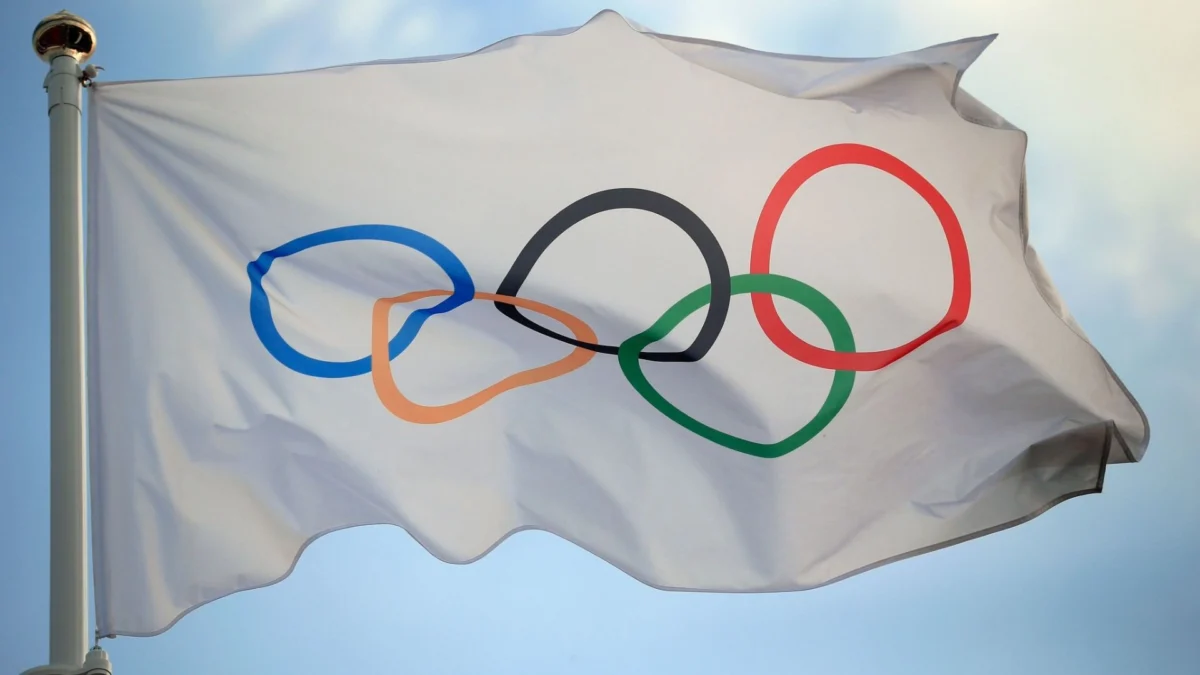
In a move that has sent shockwaves through the international sporting community, the International Olympic Committee (IOC) Executive Board announced on July 7 that it has provisionally lifted the suspension of the Russian Olympic Committee (ROC). The decision, which marks a significant departure from the restrictive stance maintained since October 2023, effectively rescinds the IOC’s previous recommendations to international federations regarding the exclusion or strict limitation of Russian athletes from global competition.
While the announcement provides a pathway for Russian participation in the international arena, it is far from an open-door policy. The IOC has been careful to clarify that this decision does not constitute an automatic reinstatement of Russian athletes into all competitions. Instead, the power to define entry criteria remains firmly in the hands of individual international sports federations. Furthermore, the question of whether Russian national symbols—including the flag and anthem—will be permitted at the Los Angeles 2028 Olympic Games remains a separate, unresolved matter that the IOC will address at a later date.
Chronology of a Contentious Decision
The road to this week’s announcement has been paved with complex legal maneuvers and shifting diplomatic priorities within the Olympic movement.
- February 2022: Following the full-scale invasion of Ukraine by the Russian Federation, the IOC issued an initial recommendation to international sports federations to exclude athletes from Russia and Belarus from international events, citing the need to protect the integrity of competitions and the safety of athletes.
- October 2023: The IOC suspended the Russian Olympic Committee indefinitely. This decision followed the ROC’s unilateral incorporation of regional sports organizations belonging to the National Olympic Committee of Ukraine (specifically in Donetsk, Kherson, Luhansk, and Zaporizhzhia), which the IOC deemed a violation of the Olympic Charter.
- June 2025: The IOC General Assembly approved a landmark amendment to the Olympic Charter. This change explicitly codified the principle of "political neutrality" for the Olympic movement and underscored the organization’s duty to provide participation opportunities to all athletes, regardless of the political climate of their home nations.
- July 2026: The IOC Executive Board, acting upon the newly amended Charter, formally lifted the suspension of the ROC, citing a change in the ROC’s administrative behavior regarding Ukrainian territories.
The Foundation of the Shift: The Olympic Charter Amendment
The primary justification for this policy reversal is the amendment to the Olympic Charter adopted on June 25. The new language stipulates that the Olympic movement and its constituent organizations must maintain strict political neutrality.
The IOC argues that the mandate of the Olympic Games is to transcend geopolitical conflicts. By emphasizing the right of athletes to compete, the committee seeks to insulate the sporting world from the actions of national governments. According to official statements, this shift is intended to protect the fundamental "human rights" of athletes who are otherwise caught in the crossfire of international warfare.
However, critics argue that this "neutrality" is a convenient legal fiction. By focusing on the administrative status of the ROC—specifically noting that the committee no longer exerts control over the contested Ukrainian territories—the IOC has cleared a procedural hurdle to justify its decision. The organization further emphasized that with qualification cycles for the Los Angeles 2028 Summer Games and the Dolomiti Valtellina 2028 Winter Youth Olympics already underway, the urgency of providing "equitable access" to all athletes became a primary administrative driver for the decision.
Antidoping: A Persistent Barrier
Despite the easing of political sanctions, the IOC has been unequivocal in its stance on anti-doping integrity. The lifting of the ROC suspension does not grant Russian athletes a "clean slate" regarding the historical and systemic doping issues that have plagued the country’s sporting apparatus for over a decade.
All Russian athletes seeking to return to the international stage must remain under the intense scrutiny of the International Testing Agency (ITA). The criteria for "neutral" participation—should individual federations choose to allow it—require rigorous, independent testing protocols. Athletes will be expected to demonstrate a sustained, clean track record in the months leading up to any international competition. Responsibility for the oversight of these testing programs remains with the respective international federations, which must ensure that no athlete associated with previous state-sponsored doping schemes benefits from the current policy shift.
Finnish Olympic Committee Expresses Profound Concern
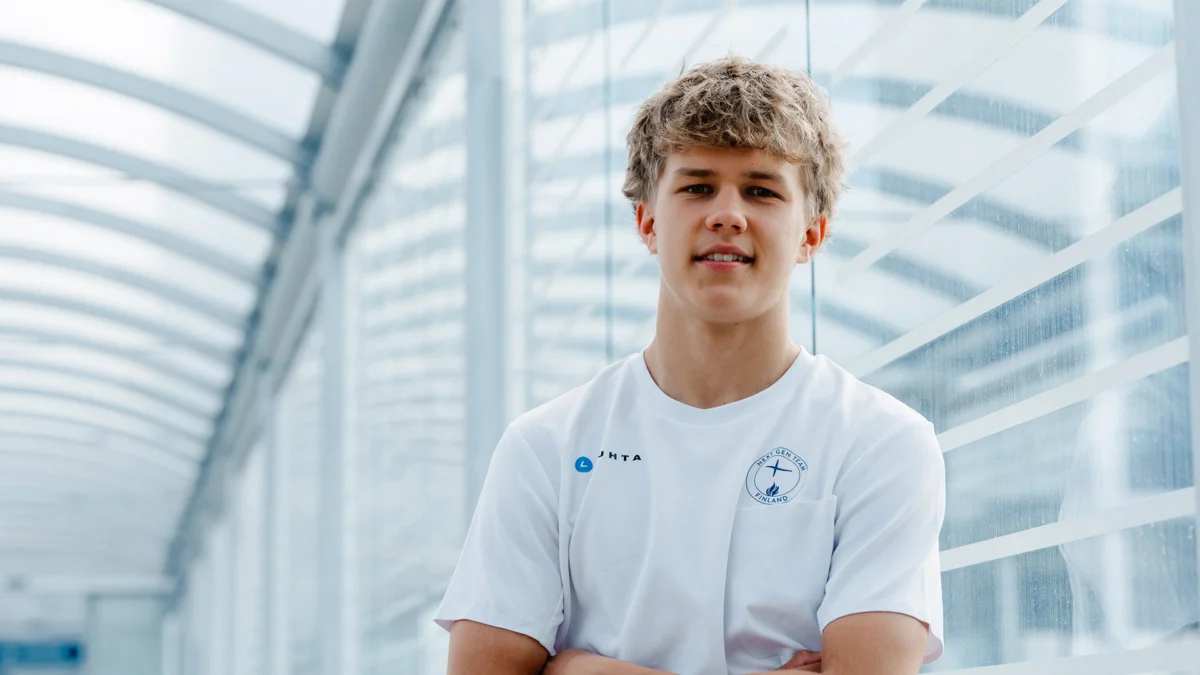
The response from national Olympic committees has been mixed, with the Finnish Olympic Committee (FOC) emerging as one of the most vocal critics of the decision. Riku Tapio, the Chief Executive Officer of the Finnish Olympic Committee, characterized the move as "regrettable."
"This decision did not come as a surprise, given the earlier lifting of restrictions on Belarus and the June amendment to the Olympic Charter, which clearly paved the way for this outcome," Tapio stated. "However, the fact that it was expected does not make it any less concerning. We continue to hold a critical view of the involvement of Russian organizations in international sports while the war of aggression against Ukraine remains ongoing."
Tapio’s position reflects a broader sentiment in Nordic and Baltic sporting circles: that sport cannot be entirely detached from the reality of war. "The Olympic movement has a responsibility to ensure that its decisions do not provide a platform for state propaganda or political posturing," Tapio added.
Implications for the Future of Global Sport
The decision to lift the ROC suspension carries profound implications for the future of international sports diplomacy. It challenges the established precedent of using sporting isolation as a tool for international accountability.
The Erosion of "Sport as a Tool for Peace"
For decades, the Olympic Games have been marketed as a force for peace. However, the current situation creates a paradox: by including athletes from a nation currently engaged in an active war, the IOC risks alienating the international community and undermining its own moral authority.
The Autonomy of International Federations
By delegating the final decision to individual sports federations, the IOC has effectively passed the buck. This will likely lead to a fragmented international landscape where, for example, Russian swimmers might be allowed to compete in World Aquatics events, while Russian track and field athletes remain banned by World Athletics. This inconsistency could create a logistical and ethical nightmare for event organizers and broadcasters alike.
The Role of National Committees
The stance of the Finnish Olympic Committee underscores the growing divide between the IOC’s global mandate and the ethical expectations of its member nations. If more national committees follow Finland’s lead in condemning the IOC’s decision, the organization may face internal pressure that could lead to a future revision of its "neutrality" policy.
Conclusion: A Delicate Balance
As the world looks toward the Los Angeles 2028 Games, the debate over Russian participation will undoubtedly intensify. The IOC is attempting to walk a tightrope—balancing the desire to remain a truly global, inclusive organization against the harsh realities of the current geopolitical climate.
Riku Tapio’s closing remarks serve as a poignant reminder of the stakes involved: "Our support for Ukrainian athletes and the entire Ukrainian sports community remains unwavering. Sport should build peace, mutual respect, and fair competition—it must not serve as a tool for political influence. We will continue to advocate for the integrity of these values, even when the governing bodies of global sport choose a different path."
Ultimately, the IOC’s decision is a gamble on the idea that sport can remain "above politics." Whether this policy fosters reconciliation or further damages the credibility of the Olympic movement remains to be seen. What is certain, however, is that the international sports community is now entering a period of deep introspection, where the cost of neutrality may prove to be higher than the cost of taking a stand.
About the Author/Context:
The International Olympic Committee operates independently in determining participation rights for the Olympic Games. The Finnish Olympic Committee is not a decision-making body within the IOC and maintains its own stance on international sporting ethics, which continues to prioritize the sovereignty and safety of Ukrainian athletes.
For further information regarding the official IOC statement, please visit the official Olympic News Portal.
Media Contact:
Riku Tapio, CEO, Finnish Olympic Committee
Phone: +358 50 340 5550