The path to obtaining a driver’s license at age 17 in Finland has undergone a significant regulatory shift. As of May 29, 2026, the Finnish government implemented stricter criteria for the "age exception permit" (ikäpoikkeuslupa), a provision that allows teenagers to legally operate a passenger vehicle a full year before the standard age of 18.
The reform, designed to harmonize the requirements for early licensure and ensure that exceptions are granted only in cases of genuine necessity, has introduced a critical administrative change: the verification of professional athletic pursuits. Athletes seeking to leverage their training schedule as a basis for the permit can no longer rely on simple letters from local coaches or clubs. Instead, they must secure official documentation directly from their respective national sports federations.
The Evolution of the Age Exception Permit
The age exception permit was originally introduced to provide flexibility for young people living in areas with poor public transport or those juggling demanding schedules that require independent mobility. By allowing 17-year-olds to hold a full driver’s license, the state acknowledged that for many—particularly those in rural areas or those pursuing high-level sports careers—a car is not a luxury, but a logistical necessity.
However, the ease with which these permits were previously obtained led to a government review. Policymakers argued that the criteria had become too subjective, leading to an inconsistent application process across different regions. The 2026 reform aims to professionalize the evidence-gathering process, ensuring that only those who truly meet the definition of "goal-oriented" activity can bypass the standard age limit.
Chronology: From Local Validation to Centralized Oversight
The transition to the new system was not immediate, but rather the result of months of legislative debate.
- Early 2026: Discussions regarding road safety and the necessity of early driving permits gained traction within the Ministry of Transport and Communications.
- May 29, 2026: The revised Ajokorttilaki (Driving License Act) officially took effect, codifying the stricter requirements.
- Post-May 2026: A grace period for those already in the application pipeline allowed for a transition, but as of the current date, the new process is the sole path forward for all new applicants.
The shift represents a move toward centralized authority. Previously, a signature from a local coach or a representative of a local sports club was sufficient evidence of a "regular and goal-oriented" training schedule. Under the new regime, the power to validate these claims has been stripped from the local level and transferred to national governing bodies (lajiliitot).
Official Responses: Why the Change?
Traficom, the Finnish Transport and Communications Agency, has been the primary architect and enforcer of these changes. According to Henna Antila, a Department Manager at Traficom, the reform is essential for maintaining the integrity of the permit system.
"The goal is to ensure that the exception is used for its intended purpose," says Antila. "By requiring a certificate from a state-subsidized national federation, we ensure that the standard for ‘goal-oriented sports’ is uniform across the country. A local club or a coach cannot sign on behalf of the national federation. This eliminates the risk of subjective or lenient interpretations that might have occurred in smaller clubs."
Antila emphasizes that while the federation provides the assessment of the athlete’s training status, the final decision remains firmly with Traficom. "The federation’s document is a necessary attachment, but it does not guarantee a permit. Every application is reviewed individually based on the specific needs of the applicant."
Supporting Data and Mandatory Criteria
For a 17-year-old to be considered for an age exception permit, they must demonstrate a "reasonable and regular need" to travel by car. This is usually defined by the following metrics:
- Frequency: The applicant must prove they need to travel to the destination (work, school, or sports) at least four times per week.
- Distance: The journey must be at least 7 kilometers long.
- The "Guardian’s Vow": The applicant’s parent or guardian must formally attest to the necessity of these trips, taking responsibility for the accuracy of the travel data provided in the application.
When the reason for the application is sports, the applicant must also prove that their training is "goal-oriented." This is where the new role of the national sports federation becomes critical. The federation assesses whether the youth’s training intensity, competition level, and commitment meet their specific, sport-specific criteria.
The Role of National Sports Federations
Under the new law, national federations are responsible for creating their own internal guidelines for issuing these certificates. This creates a decentralized assessment process within a centralized framework.
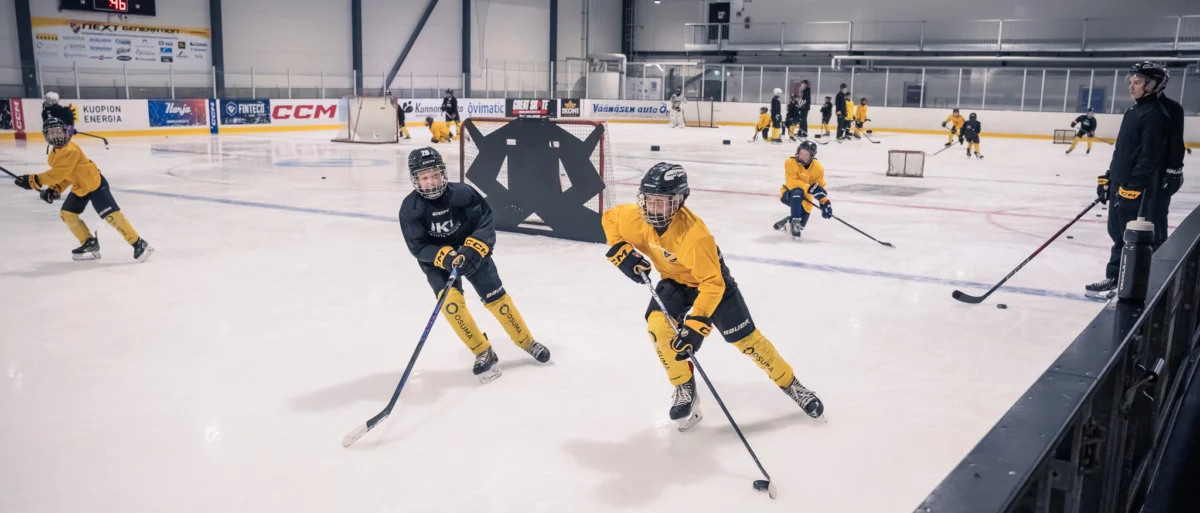
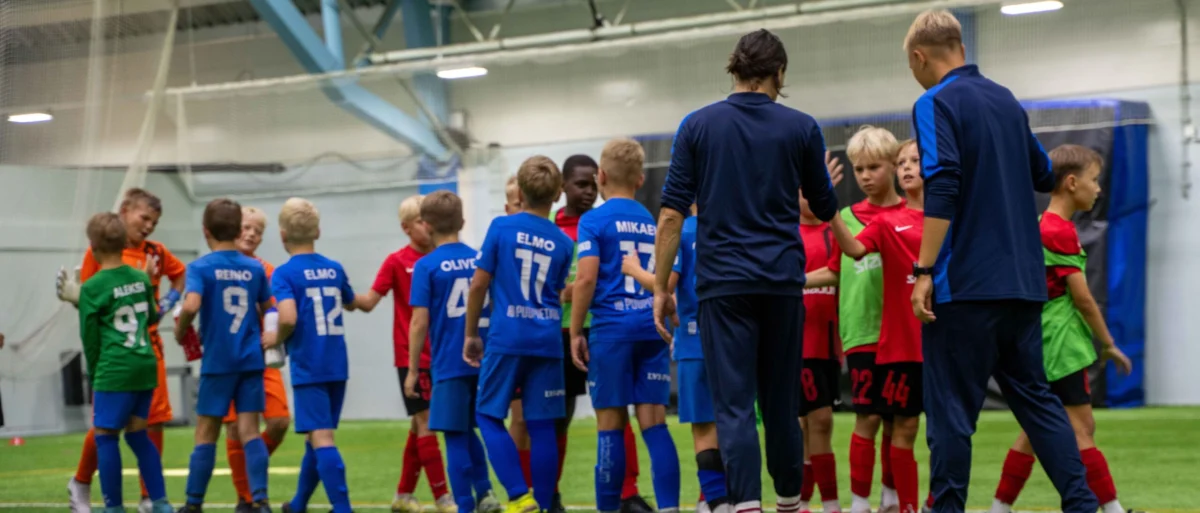
For instance, major organizations such as the Finnish Football Association (Palloliitto), the Finnish Ice Hockey Association (Jääkiekkoliitto), and the Finnish Gymnastics Federation (Voimisteluliitto) have already established clear protocols. These organizations have the right to charge a processing fee for the certificate, which typically hovers around 20 euros.
This fee covers the administrative labor required to verify the applicant’s history within the federation’s database. For the families involved, this adds a small financial cost, but it also provides a clearer, more legitimate path to obtaining the license, as an official stamp from a national body is much harder to challenge during the Traficom application process.
Implications for Families and Young Athletes
The implications of this change are far-reaching for families balancing the high demands of youth sports.
1. Increased Administrative Burden
Families must now navigate two layers of bureaucracy: the national sports federation and Traficom. This requires careful planning, as the federation certificate must be secured before the formal permit application can be submitted to the authorities.
2. Standardization of Fairness
Critics of the old system argued that it was "who you know" that mattered. By moving to a federation-based system, the process becomes more transparent. A young athlete in Lapland is now measured against the same standards as a young athlete in the Helsinki metropolitan area.
3. Safety and Responsibility
By tightening the criteria, the government is also subtly reinforcing the idea that driving is a privilege, not a right. By requiring documentation from an official body, the state ensures that the 17-year-old on the road is likely someone with a disciplined, regulated life, which may correlate with safer driving habits.
Looking Ahead: The Future of Youth Licensing
As the new system matures, Traficom is expected to monitor the number of applications and the success rate of those seeking permits through athletic criteria. If the process proves too cumbersome, there may be future adjustments. However, for now, the message is clear: the era of the informal coach’s note is over.
For parents and young athletes, the key to success under the new regulations is preparation. Prospective applicants should:
- Consult their national federation early: Understand the specific criteria for "goal-oriented" training, as these vary by sport.
- Maintain records: Keep detailed logs of training sessions and travel requirements.
- Budget for the process: Factor in the administrative fees associated with the federation certificate.
- Submit complete applications: Ensure that the Traficom application is accompanied by all required documentation to avoid delays.
The 2026 reform is a testament to the Finnish government’s commitment to balancing the logistical needs of its citizens with the strict safety standards required on public roads. While the process has become more complex, it has also become more robust, ensuring that when a 17-year-old gets behind the wheel, they do so with the full endorsement of both their sporting community and the state.