On September 4, 2026, the legendary Helsinki Olympic Stadium transformed into a vibrant epicenter of physical activity, community engagement, and athletic discovery. The annual "Olympiapäivä" (Olympic Day) drew a massive crowd of 8,000 visitors, creating an atmosphere charged with the energy of sport. From seasoned athletes to children taking their first steps into organized play, the event offered an immersive experience designed to lower the barriers to entry for physical activity and foster a lifelong love for movement.
With nearly 40 different sports showcased, the event served as a practical demonstration of how diverse, accessible, and joyful exercise can be. Beyond the physical exertion, the day carried a profound social mission: to address the growing concern of social isolation by emphasizing the theme, "Together Against Loneliness."
The Main Facts: A Day of Discovery
The core objective of Olympiapäivä 2026 was to demystify the process of starting a new hobby. For many, the intimidation factor of joining a sports club—not knowing where to start or feeling out of place—is the primary deterrent to becoming active. By providing a low-threshold environment, the organizers successfully bridged the gap between curiosity and participation.
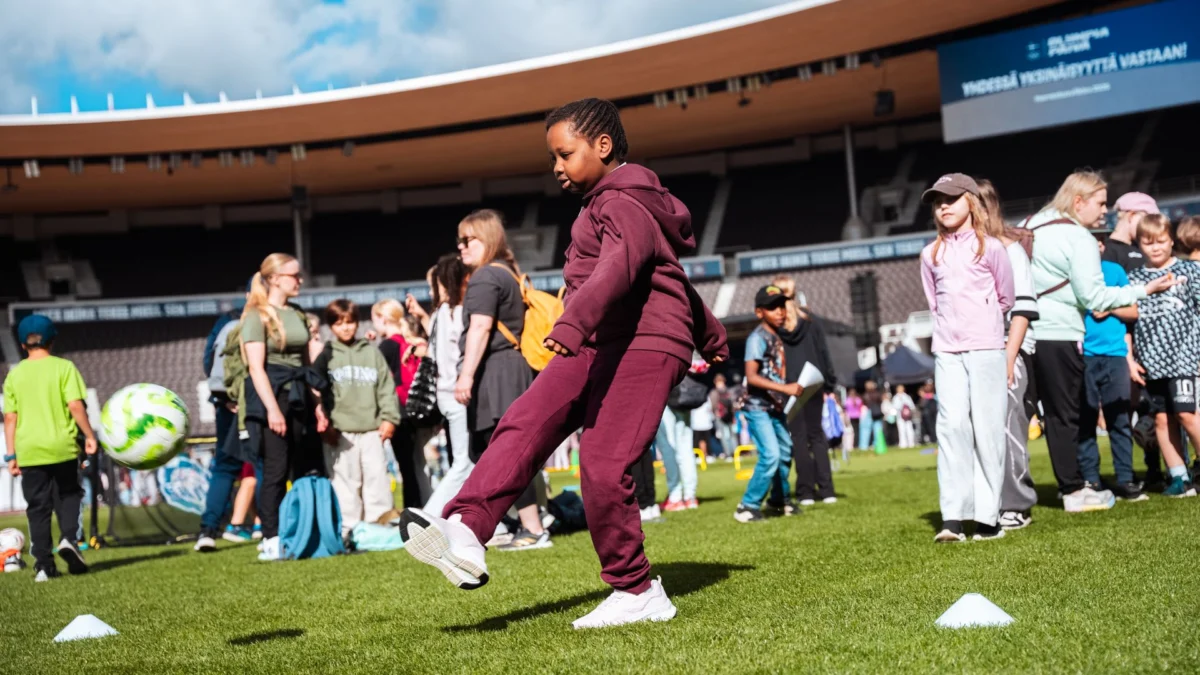
Throughout the day, the stadium floor was divided into specialized zones where attendees could try everything from traditional Finnish sports to emerging global athletic trends. The sheer volume of participation was staggering, with thousands of individual "sport trials" recorded. Each trial was more than just a physical activity; it was an opportunity for success, self-discovery, and social connection.
Chronology: A Day in Motion
The day began early as local schools flooded the stadium gates. By mid-morning, the iconic tracks and field areas were buzzing with the sounds of 6,000 students experiencing the facilities.
- 09:00 – The School Wave: The morning session was dedicated to educational institutions. Thousands of pupils arrived as part of their school day, engaging in supervised trials that ranged from gymnastics to team ball games.
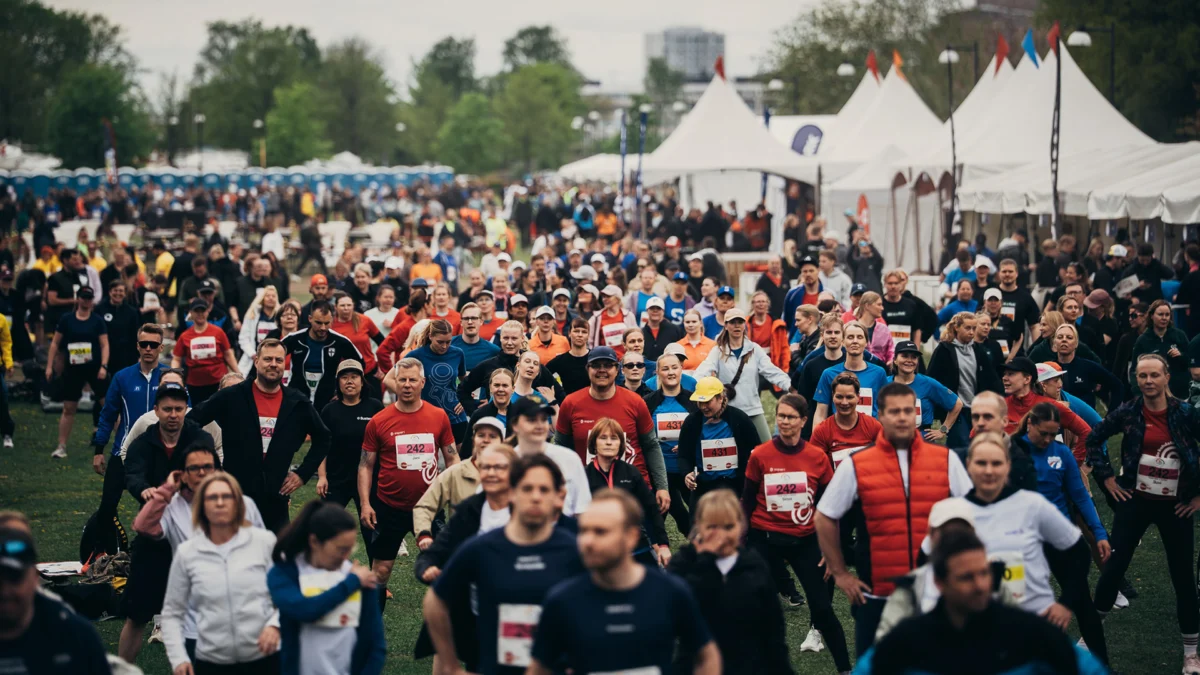
- 12:00 – Peak Activity: As the day progressed, families and individual enthusiasts joined the student groups. The stadium became a mosaic of generations, with retirees participating alongside toddlers, and teenagers coaching each other in new disciplines.
- 14:00 – The Community Focus: The afternoon featured workshops and dialogues centered on the "Together Against Loneliness" theme, where club representatives discussed the role of sports in mental health and community building.
- 17:00 – Closing Ceremonies: As the sun began to set on the historic venue, the event transitioned from active participation to a celebration of the sport clubs present, providing information on how attendees could continue their journey at a local level.
Supporting Data: Why Low-Threshold Events Matter
The impact of Olympiapäivä is best measured not just in attendance, but in the long-term potential for habit formation. Research consistently shows that the "initiation phase" of a new hobby is the most critical.
- Participation Volume: With 8,000 attendees, the event reached a significant portion of the Helsinki metropolitan area’s youth and family demographic.
- Diversity of Choice: Nearly 40 disciplines were represented, ensuring that every attendee, regardless of physical ability or interest, could find a niche that suited them.
- School Integration: The participation of 6,000 schoolchildren underscores the importance of integrating sports into the formal education system. For many of these children, this was their first exposure to sports they might never have encountered in their home environments.
The event served as a practical "tasting menu" of local sports. By providing access to experts, coaches, and equipment in a non-pressured environment, the Olympic Committee effectively lowered the psychological barrier to entry, transforming "I wonder if I could do that" into "I want to do that again."
Official Perspectives: Shaping the Future of Finnish Sport
Liisa Ahlqvist-Lehkosuo: The Psychology of Inclusion
Liisa Ahlqvist-Lehkosuo, Sports Director at the Finnish Olympic Committee, emphasized the philosophy behind the event’s design.
"We wanted to make Olympiapäivä a place where trying something new is easy and where one feels safe to arrive as they are," she remarked. "When different sports, people, and communities meet, it creates the perfect ecosystem for inspiration. We believe that the joy of movement is most often ignited by doing things together. This event wasn’t just about the day itself; it was about planting seeds for lifelong habits."
Tarja Loikkanen: Legacy and Future
Helsinki’s Director of Sports, Tarja Loikkanen, highlighted the historical context of the venue. "The Olympic Stadium is a monument to our sporting history," she said. "Hosting this event here, especially as we look forward to the 75th anniversary of the 1952 Summer Olympics next year, reminds us that the heritage of the games isn’t just in the history books—it lives in the daily lives of Helsinkians."
Loikkanen stressed that the event served as a poignant reminder of the city’s commitment to public health and social cohesion. By opening the stadium to the public, the city reinforced the idea that sports infrastructure belongs to everyone, not just elite athletes.
Implications: Beyond the Stadium Gates
The end of the event at 17:00 was merely the beginning for many of the participants. The organizers placed significant emphasis on the post-event journey, pointing attendees toward the Suomisport portal and the Tähtiseura (Star Club) network.
The Role of Sports Clubs
The modern sports club is shifting from a purely performance-based model to a community-centric one. The clubs represented at the stadium highlighted that they offer far more than just athletic training. They are, at their core, social hubs where friendships are forged, support systems are built, and isolation is actively combated.
For a child or teenager, joining a club is often the first step toward finding a "third place"—a location outside of home and school where they feel a sense of belonging. The success of Olympiapäivä suggests that when these clubs make themselves visible and accessible, the demand for such social connection is immense.
Addressing Social Isolation
The theme "Together Against Loneliness" is a direct response to a quiet crisis in modern society. By framing sports as a collective activity rather than a solitary pursuit, the Finnish Olympic Committee is utilizing physical culture as a public health intervention. Movement is a universal language; when people move together, the barriers of background, age, and skill level begin to dissolve.
A Collaborative Triumph
The success of the 2026 Olympiapäivä was the result of a massive, multi-sector collaboration. The Finnish Olympic Committee worked in tandem with the City of Helsinki, the Olympic Stadium management, and the Tahto Center for Sports and Physical Education.
Furthermore, the involvement of the committee’s member organizations, local sports clubs, and strategic partners—including commercial entities like HK and Jenkki—ensured that the event had the resources necessary to scale. The media partners, including Ocean Outdoor, Bauer Media, and Aktiivimedia, were instrumental in ensuring the "joy of movement" message reached thousands beyond the stadium walls.
Conclusion: The Path Forward
Olympiapäivä 2026 proved that the appetite for physical activity in Finland is as strong as ever, provided the pathways are clear and inviting. By blending the grandeur of an Olympic venue with the warmth of local community engagement, the organizers created a blueprint for future public health initiatives.
As Helsinki prepares to celebrate the 75th anniversary of the 1952 Olympics, the city has reaffirmed that its true athletic legacy lies not in the gold medals of the past, but in the active, inclusive, and healthy lifestyle of its current citizens. For the 8,000 visitors who walked through those gates on September 4, the experience was more than just a fun day out—it was an invitation to be part of something bigger: a community that moves together, stays together, and leaves no one behind.
Whether it was a child scoring their first goal, a teenager discovering the discipline of martial arts, or a senior citizen rediscovering the joy of group gymnastics, the echoes of Olympiapäivä will continue to resonate in local clubs, parks, and gyms throughout the coming year. The stadium may be quiet now, but the movement it inspired is only just beginning.