In a move that signals a significant shift in the North American energy landscape, Israel-based energy infrastructure developer Stark Power has announced a definitive agreement to acquire the Cottage Grove energy campus in Minnesota. The facility, currently owned by Panamint Capital and Ultra Capital, represents a vital piece of grid-stabilizing infrastructure situated just 20 miles south-east of Minneapolis.
This transaction is more than a simple change of ownership; it marks the establishment of Stark Power’s second major growth platform in the United States. By securing a high-performance, combined-cycle power plant integrated with advanced battery energy storage technology, the company is positioning itself as a critical player in the Midcontinent Independent System Operator (MISO) wholesale electricity market.
The Strategic Importance of Cottage Grove
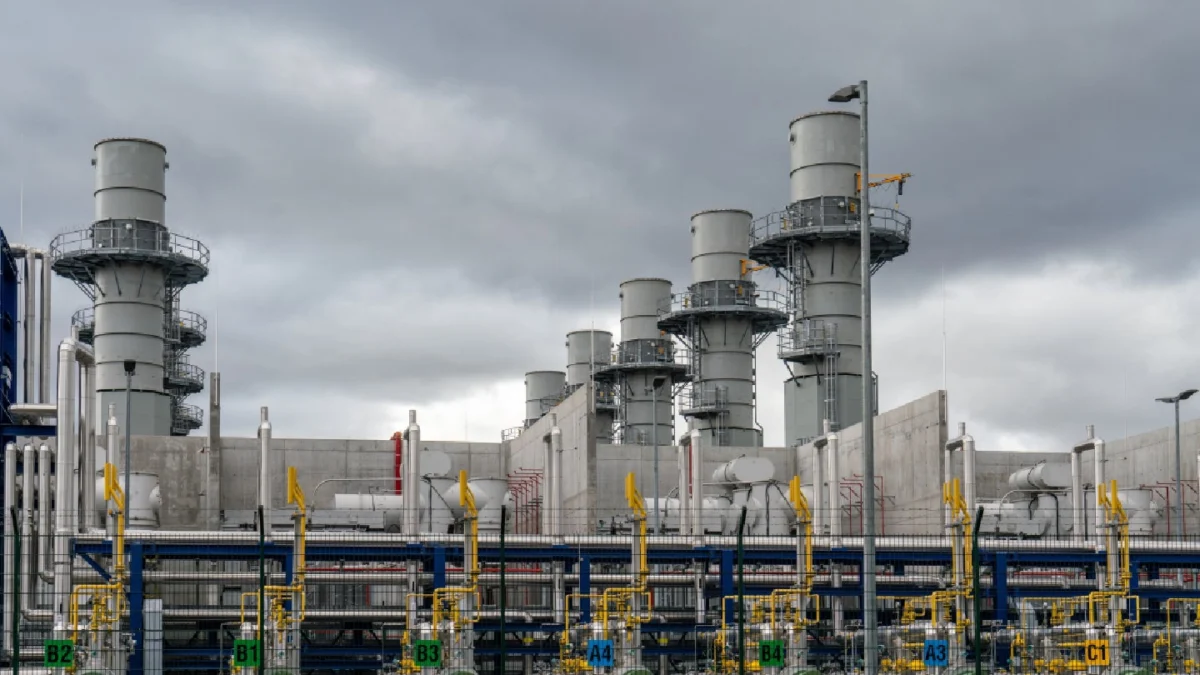
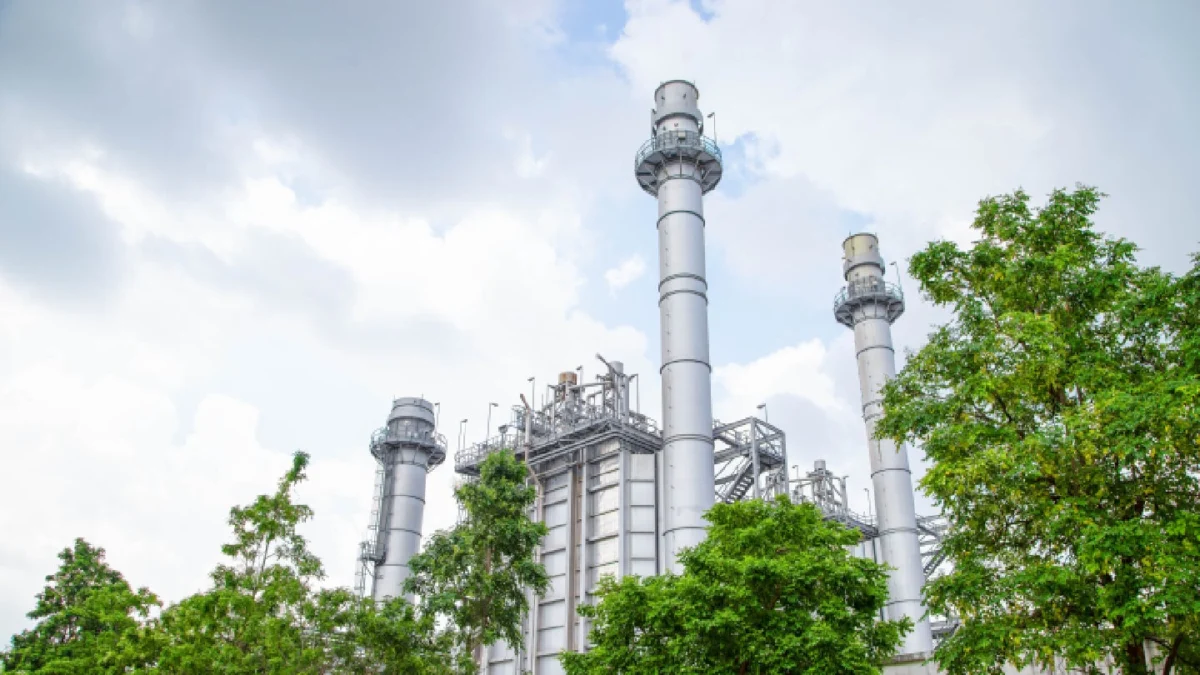
The Cottage Grove campus is a multi-faceted energy asset that provides essential services to one of the most dynamic regions in the US Midwest. At its core, the facility features a 262MW natural gas-fired, combined-cycle power plant. This type of generation is highly prized in modern energy markets for its ability to provide "dispatchable" power—meaning it can be ramped up or down quickly to meet fluctuating demand, a crucial capability as the grid integrates more intermittent renewable energy sources.
Beyond its generation capacity, the plant provides industrial utility by supplying steam to an adjacent manufacturing facility operated by 3M, a global leader in innovation. This "behind-the-meter" steam supply underscores the site’s role as an anchor for local industrial activity.
However, the true strategic value of the site lies in its future-ready infrastructure. The campus includes an 80MW/320MWh battery energy storage system (BESS). The co-location of thermal generation and electrochemical storage allows for a symbiotic energy solution, where the existing grid interconnection can be maximized, and energy can be stored during periods of low demand and discharged during peak load periods.
Chronology: From Acquisition to Future Operations
The path to this acquisition and the subsequent development of the site follows a carefully mapped trajectory designed to ensure long-term stability and profitability.
- Pre-Acquisition Era: The site has functioned as a reliable provider of electricity under a long-standing contract with the Northern States Power Company, a key subsidiary of Xcel Energy. This provided the steady cash flow that made the asset attractive to institutional investors like Panamint Capital and Ultra Capital.
- Q4 2026 (Targeted Closing): The transaction between Stark Power and the current owners is expected to finalize in the fourth quarter of 2026, subject to customary regulatory and closing conditions.
- December 2027 (Transition Point): A pivotal moment for the campus arrives in late 2027. The plant will transition from its current arrangements to a 15-year tolling agreement with the Basin Electric Power Cooperative. This agreement secures the plant’s revenue stream through 2043, providing the long-term financial visibility required for infrastructure investments.
- 2028 (BESS Commercial Operation): Following the closure of the deal, Stark Power intends to accelerate the deployment of the battery storage project. The goal is to bring the BESS to full commercial operation by 2028. This system is already backed by its own 15-year tolling agreement with Northern States Power Company, further insulating the project from market volatility.
Official Perspectives: A Vision for Integrated Energy
Stark Power’s leadership views the Cottage Grove acquisition as a template for their future expansion. Michael Avidan, CEO of Stark Power, emphasized the alignment between the asset and the company’s broader mission.
"Cottage Grove is exactly the kind of asset Stark Power has been targeting," Avidan stated. "It combines operating and reliable generation near a major load centre with long-term contracted revenues and a co-located storage project using the same site and interconnection."
By focusing on assets that already hold grid-interconnection permits and long-term contracts, Stark Power is effectively mitigating the "development risk" that often plagues new energy projects. The ability to integrate power generation with storage creates an "integrated energy solution," which Stark Power believes is the most efficient way to support a grid that is simultaneously decarbonizing and facing increased demand from data centers and the electrification of industry.
Technical Implications: Why This Matters to the Grid
The MISO market, which covers much of the Midwest, is currently undergoing a period of intense pressure. As coal-fired plants are retired and the demand for electricity rises—driven by the rapid expansion of data centers and the broader transition toward electric vehicles—the grid requires assets that can provide both reliability and flexibility.
The Role of Natural Gas in the Transition
While the global energy sector is pivoting toward renewables, the role of natural gas-fired combined-cycle plants has become more important as a "bridge" technology. These plants offer the lowest emission profile of all thermal generation methods while providing the essential "baseload" power that wind and solar cannot yet guarantee. The Cottage Grove facility’s ability to provide steam to 3M further increases its thermal efficiency, making it a more environmentally sound choice than standalone generation plants.
Battery Energy Storage Systems (BESS)
The integration of an 80MW/320MWh BESS at this location is a masterclass in grid optimization. By utilizing the existing electrical infrastructure of the gas plant, Stark Power avoids the prohibitive costs and long lead times associated with seeking new grid interconnection permits. The BESS will serve as a shock absorber for the grid, helping to maintain frequency and voltage stability, which is essential as more decentralized energy sources are added to the Minnesota grid.
Financial and Legal Framework
The complexity of a deal of this magnitude requires robust financial and legal architecture. Stark Power has engaged Orrick, Herrington & Sutcliffe to handle the legal complexities of the acquisition, ensuring that the transition of ownership complies with the stringent regulatory environment of the US energy sector. Verdonck Partners served as the financial advisor, helping to structure the deal in a way that satisfies both the departing owners—who have shifted their focus to large-scale solar projects like the $1.7bn Twin Oaks station in Texas—and the incoming investors.
The shift to a 15-year tolling agreement with Basin Electric Power Cooperative is the financial anchor of the deal. In the energy industry, a "tolling agreement" effectively transfers the commodity price risk to the off-taker (Basin Electric), while the owner (Stark Power) receives a steady fee for making the plant available. This arrangement is highly favored by infrastructure funds and institutional investors because it creates a "bond-like" cash flow profile.
The Broader Impact on Stark Power’s Portfolio
This acquisition is the second major growth platform for Stark Power in the US. By diversifying its portfolio to include not just power generation but also high-tech storage solutions, the company is positioning itself to be a comprehensive partner for the utilities that run the American grid.
The move also underscores the global nature of energy investment. With its roots in Israel, Stark Power is importing a sophisticated approach to energy asset management, characterized by rigorous technical assessment and a focus on long-term, contracted returns. Their expansion into Minnesota is likely just the beginning of a broader campaign to acquire undervalued or "under-optimized" energy assets across the United States.
Conclusion: A Blueprint for the Future
As the energy sector moves toward 2030, the Cottage Grove campus stands as a microcosm of the challenges and opportunities ahead. It is a site where traditional, reliable generation meets the cutting edge of battery technology, supported by industrial partnerships and long-term utility contracts.
For the local community, the plant remains a source of economic stability and reliable power. For the energy market, it represents a smarter way to manage the grid—utilizing existing footprints to create more capable, flexible, and sustainable energy hubs. As Stark Power moves toward the official closing of the transaction in late 2026, industry observers will be watching closely to see if this "integrated solution" model becomes the new standard for energy infrastructure investment in North America.