By Industry Desk
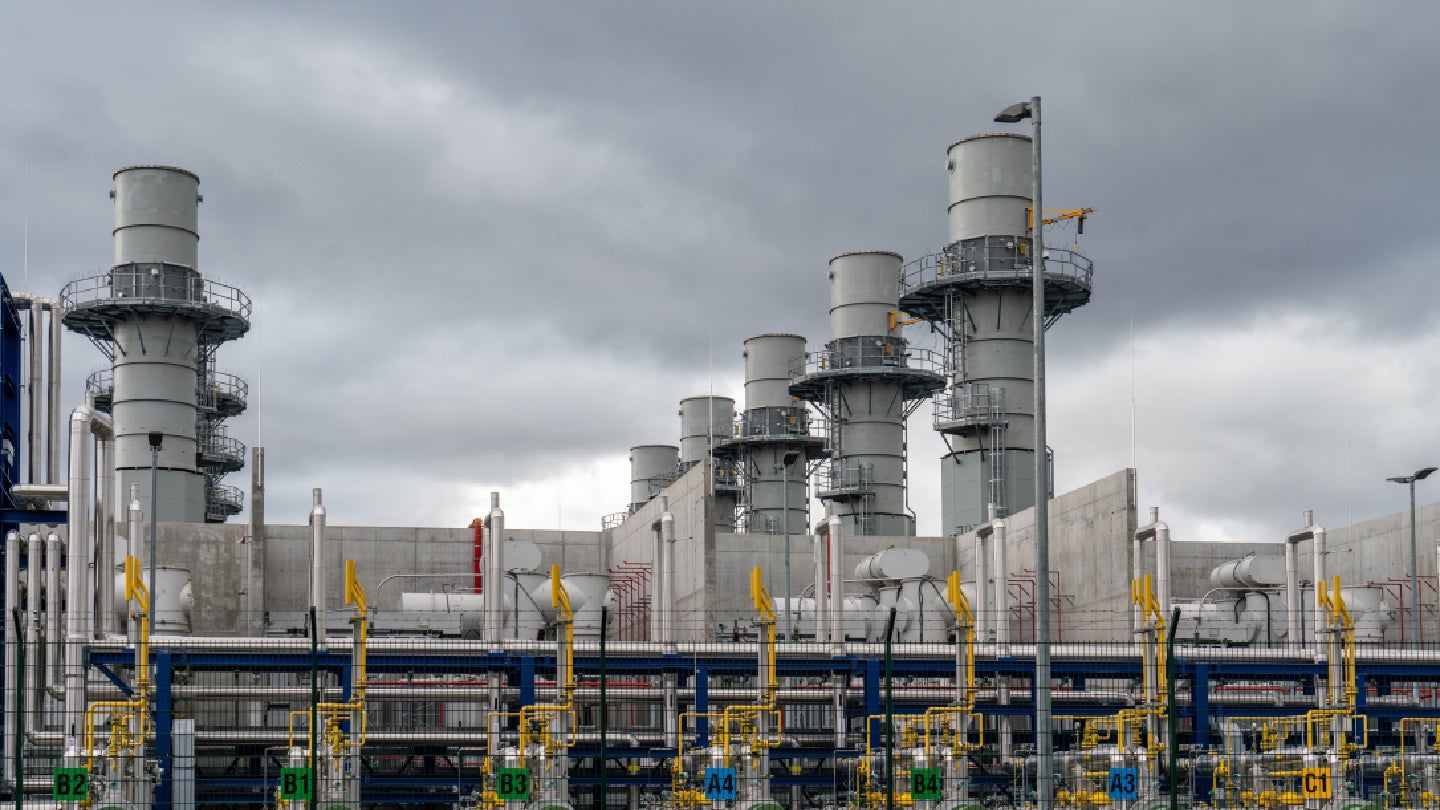
The energy sector in Brazil is grappling with a significant logistical and operational challenge following the unexpected shutdown of the GNA II thermal power plant. Located at the strategic Port of Açu in Rio de Janeiro, the 1.7GW gas-fired facility—the largest of its kind in the country—ceased operations on August 10, 2026, following a critical equipment failure. The outage has prompted an immediate investigation by the plant’s developers, a powerful joint venture comprising global energy giants Siemens Energy, bp, and SPIC Brasil.
While officials have confirmed that the incident resulted in no injuries or environmental damage, the suspension of such a high-capacity unit underscores the inherent risks associated with complex, large-scale power infrastructure and the potential volatility this creates for the national grid.
The Incident: Technical Breakdown at Port of Açu
The trouble began on August 10, when a failure was detected within the plant’s steam turbine circuit breaker. According to preliminary reports, this malfunction triggered a cascading effect that impacted the unit’s step-up transformer—a critical component responsible for increasing the voltage of electricity generated by the plant to levels suitable for long-distance transmission across the national grid.
The resulting damage necessitated an immediate emergency shutdown of the entire 1.7GW facility. Because the GNA II plant is a cornerstone of the regional power supply, the sudden loss of such a massive block of baseload power forced the National Electric System Operator (ONS) to adjust its dispatch schedule, rerouting power flows to maintain grid stability.
Technical teams, bolstered by specialists from the equipment manufacturers, have been deployed to the site to conduct a root-cause analysis. The objective is twofold: to determine the exact nature of the mechanical or electrical failure and to develop a comprehensive remediation strategy that will allow the plant to safely return to service.
Chronology of Development: From Concept to Capacity
The GNA II project represents a landmark achievement in Brazil’s energy transition and infrastructure development. The facility’s timeline reflects a decade of strategic planning and investment:
- September 2021: The inauguration of GNA I, a 1.3GW unit, marked the first phase of the GNA project at the Port of Açu, establishing a solid foundation for the complex.
- February 2021: In a strategic move to solidify its South American presence, SPIC Brasil acquired a 33% equity interest in both the GNA I and GNA II projects, partnering with Siemens Energy and bp.
- January 2025: GNA II officially reached commercial operation status, boosting the total capacity of the site and contributing to the goal of powering approximately 14 million homes once the complex reaches its full potential.
- August 10, 2026: The equipment failure occurs, leading to the suspension of operations.
- August 2026: Immediate notifications are sent to the ONS, and investigative procedures are launched to restore the unit to the grid.
Stakeholder Profiles: The Global Coalition Behind GNA
The Port of Açu energy complex is backed by some of the most influential names in the global energy industry. The joint venture (JV) structure is designed to leverage specific strengths from each partner:
- Siemens Energy: Provides the cutting-edge power generation technology, including the gas turbines and the electrical systems that currently require repair. Their global experience in maintaining complex thermal cycles is essential to the resolution of this outage.
- bp (British Petroleum): Brings extensive experience in natural gas supply chains, ensuring that the plant has the fuel security required to operate as a reliable, large-scale contributor to the Brazilian market.
- SPIC Brasil: A subsidiary of the Chinese State Power Investment Corporation, SPIC brings significant capital and operational expertise, focusing on the long-term viability of renewable and low-carbon thermal energy assets in the region.
The collaboration is part of a broader, long-term national effort to modernize Brazil’s energy matrix. By utilizing natural gas as a bridge fuel, Brazil aims to complement its massive hydroelectric and wind energy resources, ensuring a reliable power supply during periods of drought or low wind output.
Implications for the Brazilian National Grid
The removal of 1.7GW from the grid is a significant event for the ONS. When a plant of this magnitude goes offline, it creates an "energy gap" that must be filled by other generation sources. Depending on the current hydrological conditions of Brazil’s reservoirs, this may necessitate the deployment of more expensive, less efficient thermal plants, or in some cases, the utilization of energy imports from neighboring countries.
The ONS has confirmed that the outage has been integrated into the national dispatch schedule. However, market analysts warn that prolonged downtime could lead to increased energy costs for industrial consumers, as the system operator must rely on more expensive sources to ensure consistent power supply.
The incident also highlights the vulnerability of high-voltage step-up transformers, which are long-lead-time items. Should the transformer require a full replacement rather than an onsite repair, the timeline for the plant’s return to service could extend from weeks to months, creating a sustained impact on the regional supply-demand balance.
Global Context: Siemens Energy’s Continued Expansion
Despite the setback in Brazil, Siemens Energy continues to move forward with aggressive global expansion. In July 2026, just weeks before the incident in Rio, the company secured major contracts in Oman. These projects involve supplying power generation technology and long-term maintenance services for the Misfah and Duqm combined-cycle gas turbine plants.
These Omani projects are expected to deliver a combined capacity of 2.6GW, effectively increasing the country’s electricity output by 20%. The technical design of these plants, which is similar to the architecture used at GNA II, serves as a testament to the scale at which Siemens Energy operates. For the engineering teams currently working at the Port of Açu, the expertise gained in projects like these is vital to troubleshooting the current failure.
Future Outlook: Remediation and Resilience
As of late August 2026, the joint venture partners have remained tight-lipped regarding the specific timeline for the resumption of operations. Their primary focus remains on safety and the integrity of the electrical systems.
In the coming weeks, the industry expects a detailed report on the failure of the steam turbine circuit breaker. This report will be critical not only for the restoration of GNA II but also for the broader power industry. Lessons learned from this incident will likely influence maintenance protocols at other large-scale thermal facilities globally.
The GNA II plant remains a vital component of Brazil’s long-term energy security. As the country moves toward a more diversified and digitized grid, the ability of developers like Siemens, bp, and SPIC to recover from such failures with speed and transparency will be a benchmark for the success of future energy partnerships.
For now, all eyes are on the Port of Açu. The facility’s rapid return to operation is not merely a matter of commercial priority for the JV partners; it is a necessity for the stability of a nation that relies heavily on its thermal assets to balance an increasingly complex and demanding energy landscape.
While the failure of a step-up transformer is a standard, albeit severe, mechanical risk, the resilience of the GNA project will be tested in how it navigates the repairs. The collaboration between the JV partners and the regulatory oversight of the ONS will serve as a template for how major energy assets handle the transition from emergency shutdown to operational recovery in an era of critical infrastructure scrutiny.