The Hornstrandir Peninsula is not merely a place; it is a testament to the untamable power of the North Atlantic. Located at the northernmost tip of Iceland’s rugged Westfjords, this expansive nature reserve represents one of the final true wilderness frontiers in Europe. With no roads, no permanent human residents, and terrain that remains largely untouched by modern infrastructure, it is a landscape that demands respect. Accessible only by boat during the brief, high-latitude summer, Hornstrandir is a sanctuary for the resilient—both the wildlife that calls it home and the hikers who venture into its primeval tundra.
The Geography of Isolation: Main Facts
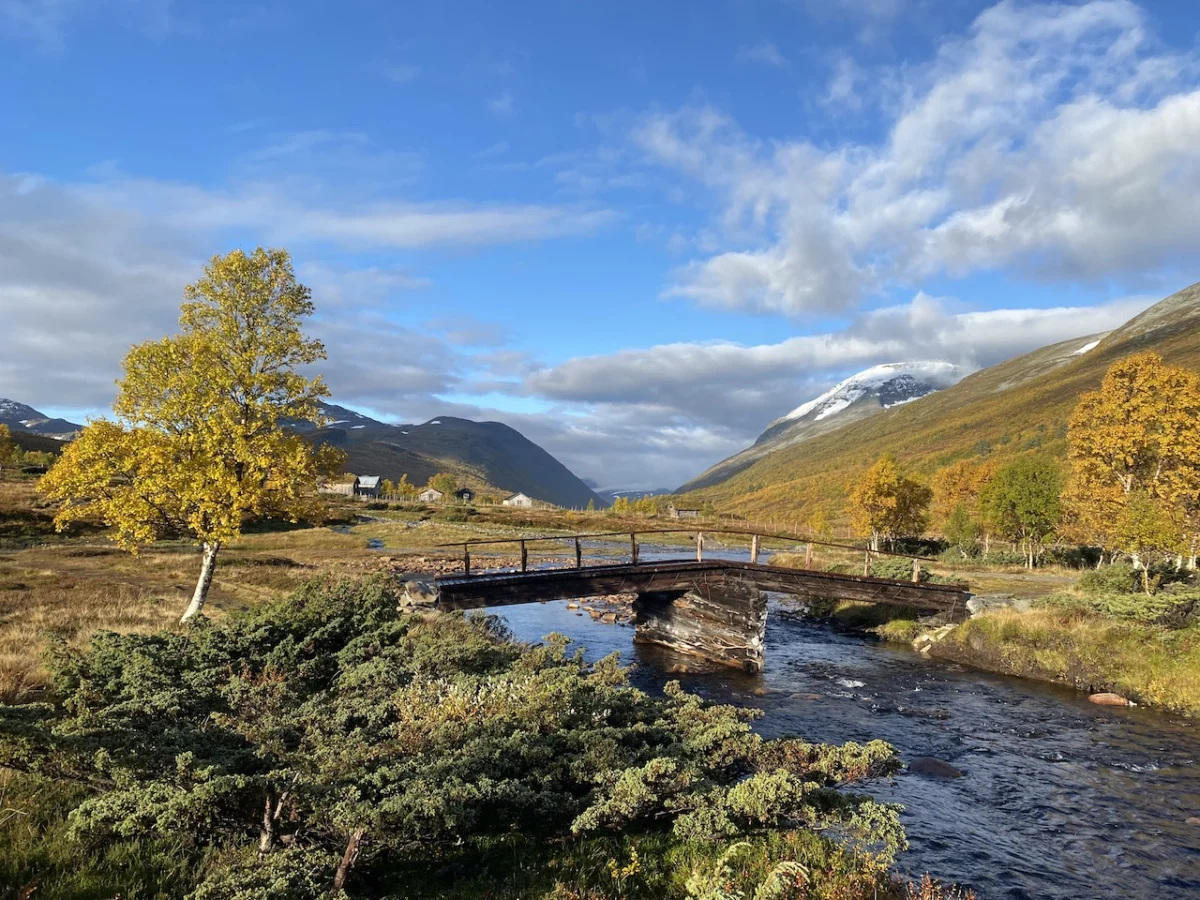
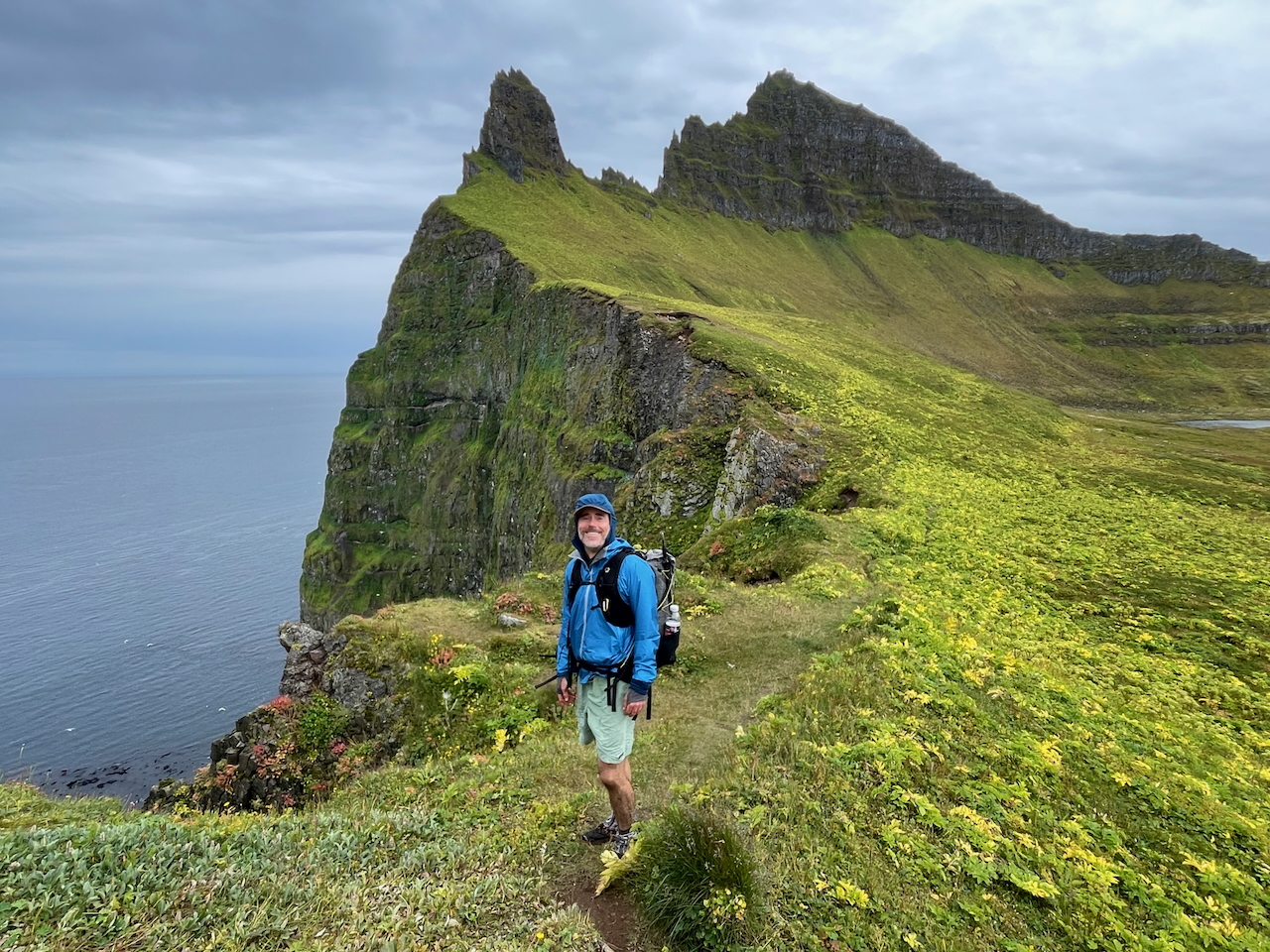
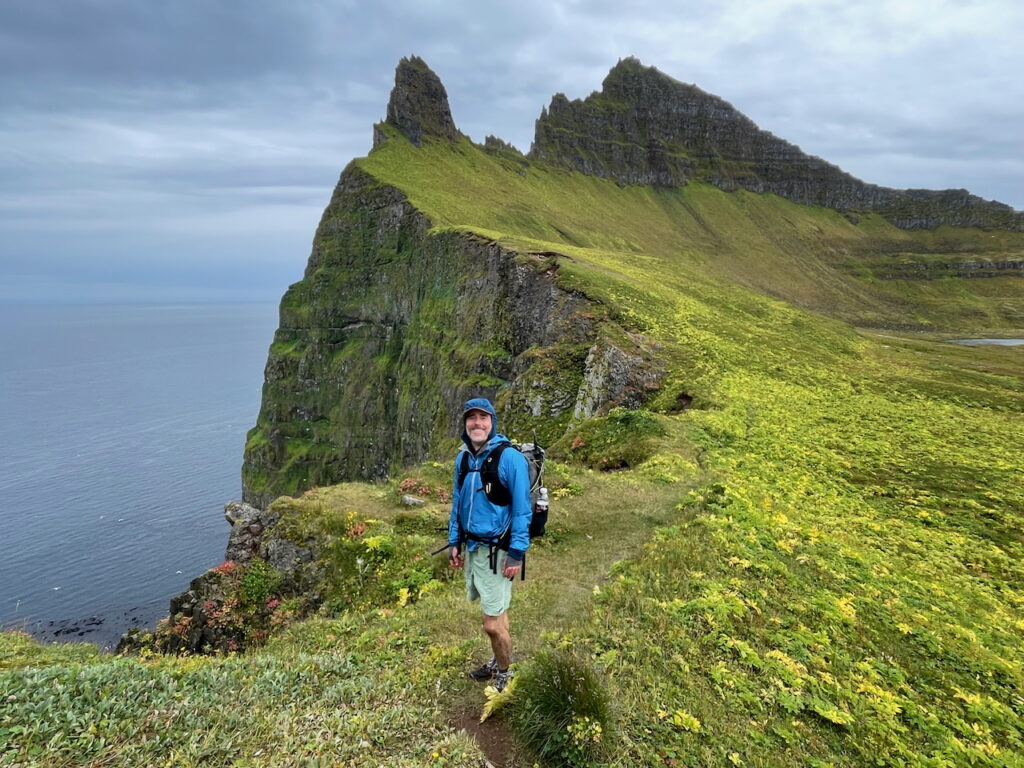
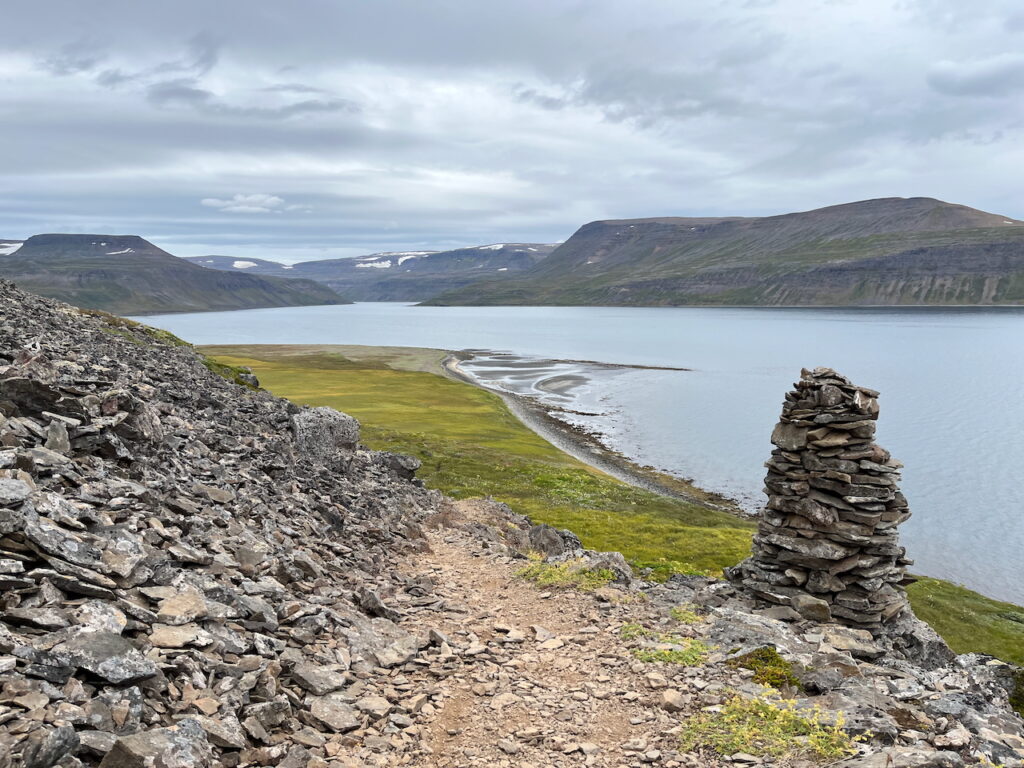
To step into Hornstrandir is to step back in time. Declared a protected nature reserve in 1975, the peninsula spans an area characterized by dramatic, towering sea cliffs, deep fjords, and vast, moss-covered plateaus. The region’s isolation is its defining feature. While the rest of Iceland has seen a surge in tourism, Hornstrandir remains a quiet bastion of silence, interrupted only by the rhythmic crashing of the Atlantic against the basalt columns and the collective calls of thousands of nesting seabirds.
The logistical realities of the region are stark:
- Access: Strictly via boat (typically from Ísafjörður or Bolungarvík) during the summer season (mid-June to August).
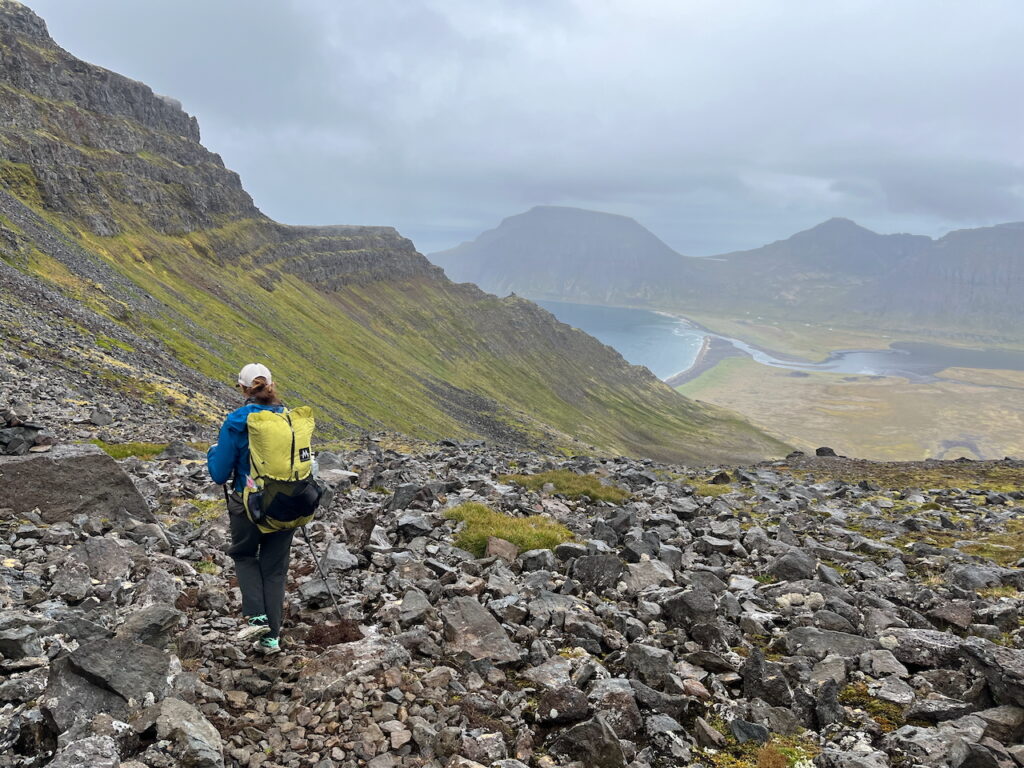
- Terrain: A challenging blend of steep mountain passes, boggy coastal lowlands, and unpredictable weather systems.
- Biological Significance: A high concentration of arctic foxes—the only native land mammal in Iceland—and massive colonies of guillemots, razorbills, kittiwakes, and fulmars.
- Flora: A botanical paradise containing over 260 species of vascular plants, thriving in the absence of livestock grazing for over half a century.
A Six-Day Odyssey: A Detailed Chronology
The traversal of Hornstrandir is typically a six-day undertaking, covering approximately 120 kilometers (75 miles) of wild, unmaintained trails. A recent expedition, undertaken to document the shifting landscape of this reserve, provides a clear timeline of the challenges and rewards of this route.
Day 1: The Departure from Hesteyri
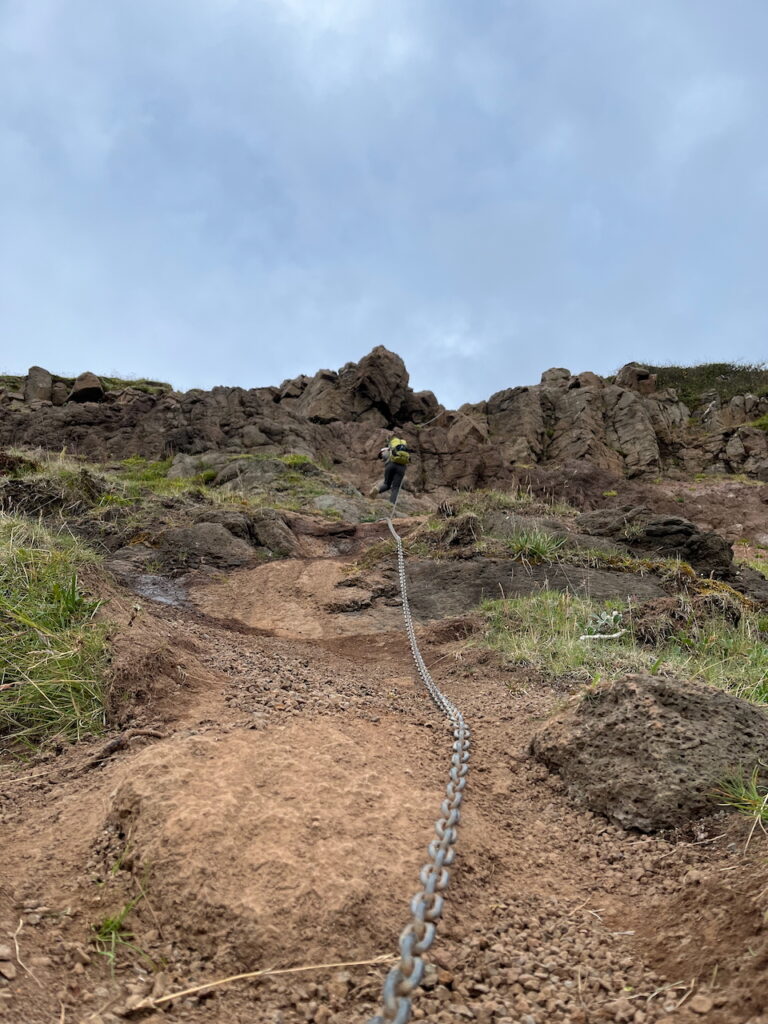
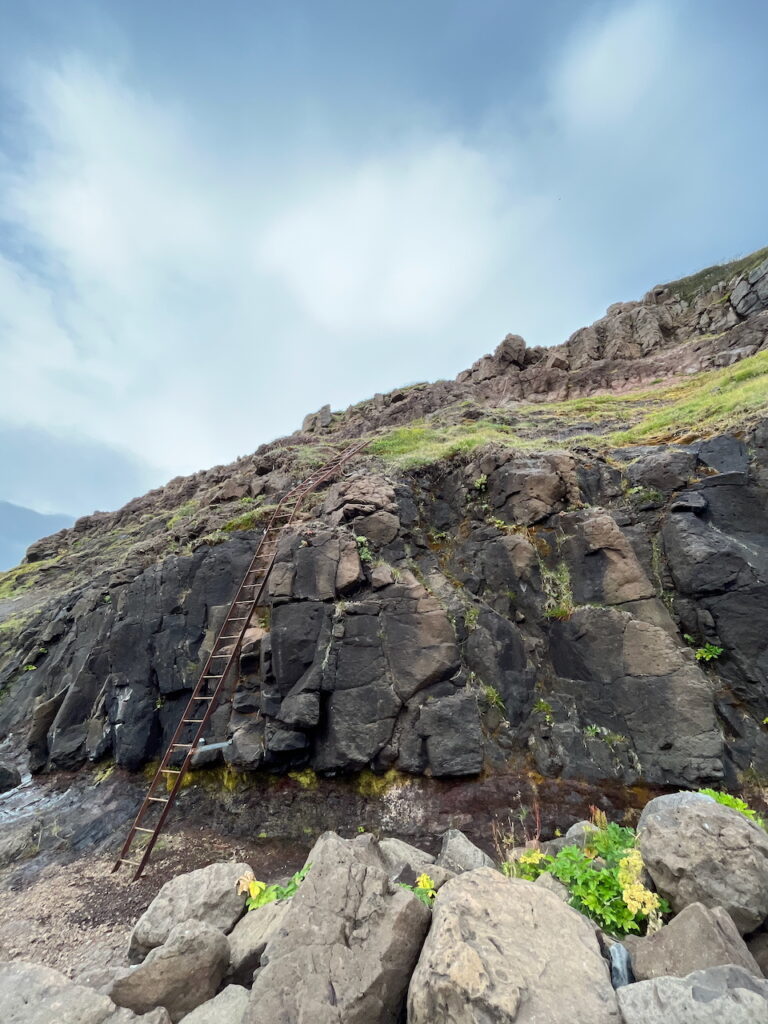
The journey begins at Hesteyri, once a bustling herring-processing hub in the early 20th century, now reduced to a hauntingly beautiful collection of historic, colorful houses. The trek leads inland, navigating the transition from the sheltered Hesteyrarfjörður toward the rugged coastline. The route requires careful navigation, often involving steep ascents and a series of challenging descents, including the negotiation of aging, makeshift ladders along cliffside paths.
Day 2: The Plateau of Tarns
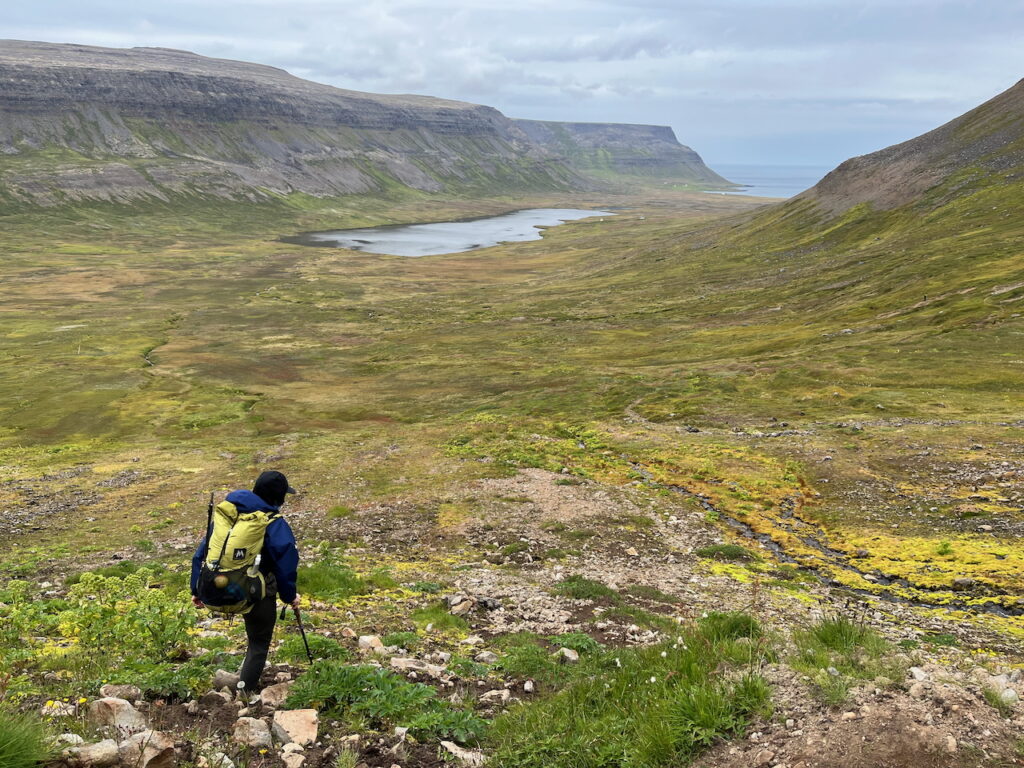
The second day pushes deeper into the interior. Hikers cross rocky, wind-swept plateaus dotted with crystalline tarns and vibrant arctic flora, such as Sea Thrift (Armeria maritima) and Arctic Root (Rhodiola rosea). The descent toward Fljótavik Bay offers the first panoramic views of the raw, northern coastline.
Day 3: The Sanctuary of Hornvík
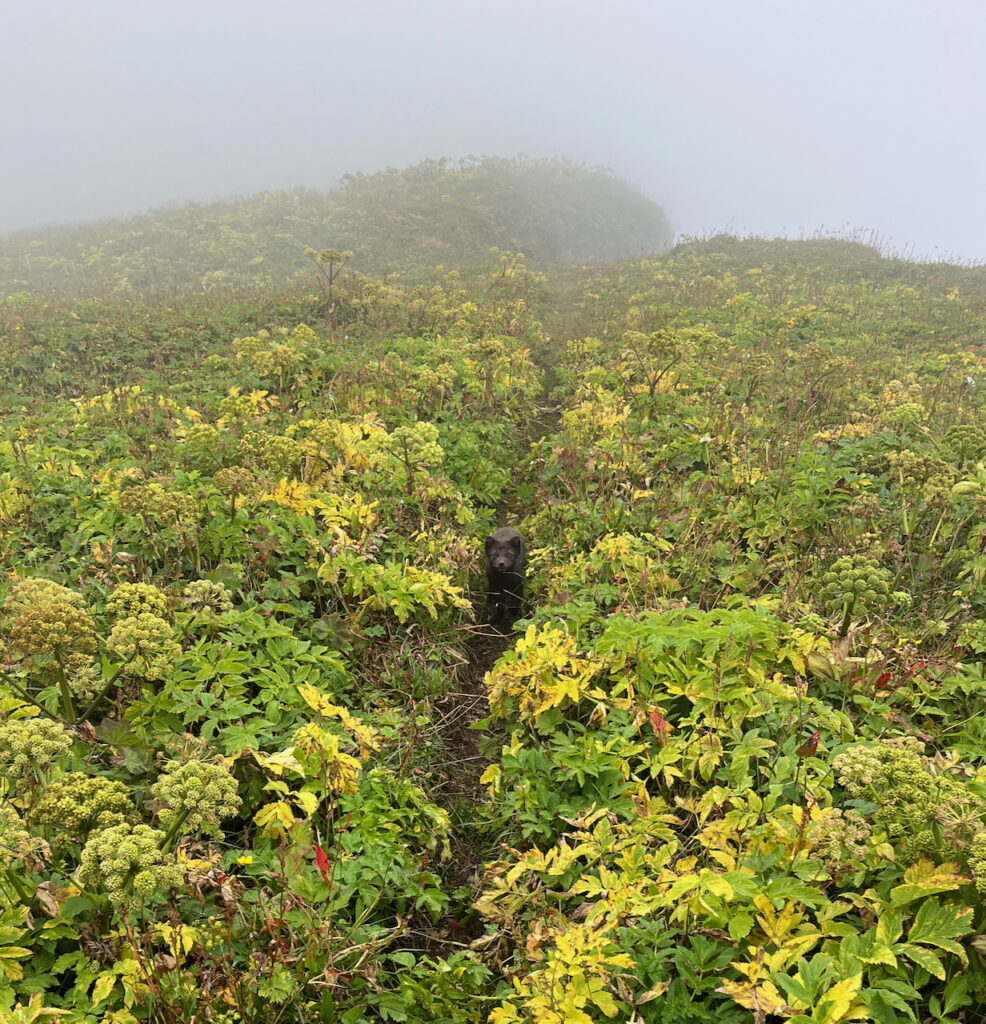
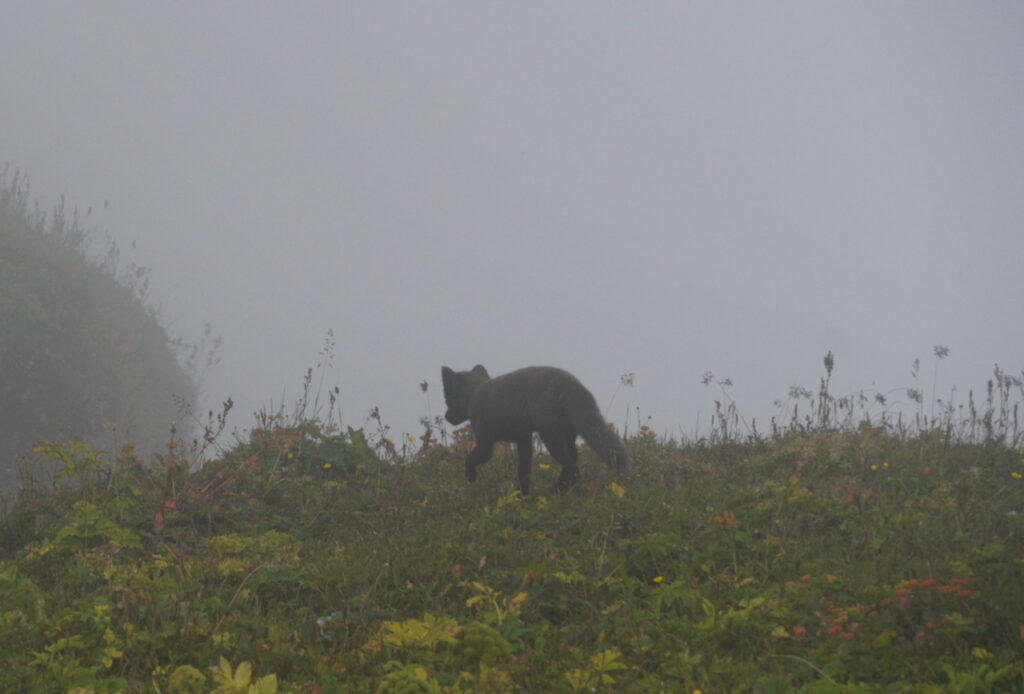
Descending toward the black sands of Hornvík, the hiker is surrounded by the sheer scale of the landscape. It is here that the presence of the Arctic fox becomes most apparent. In this protected environment, these animals are notably curious and less fearful of humans, often observing travelers from a distance before disappearing into the dense mist of the cliffside vegetation.
Day 4: The Hornbjarg Cliffs
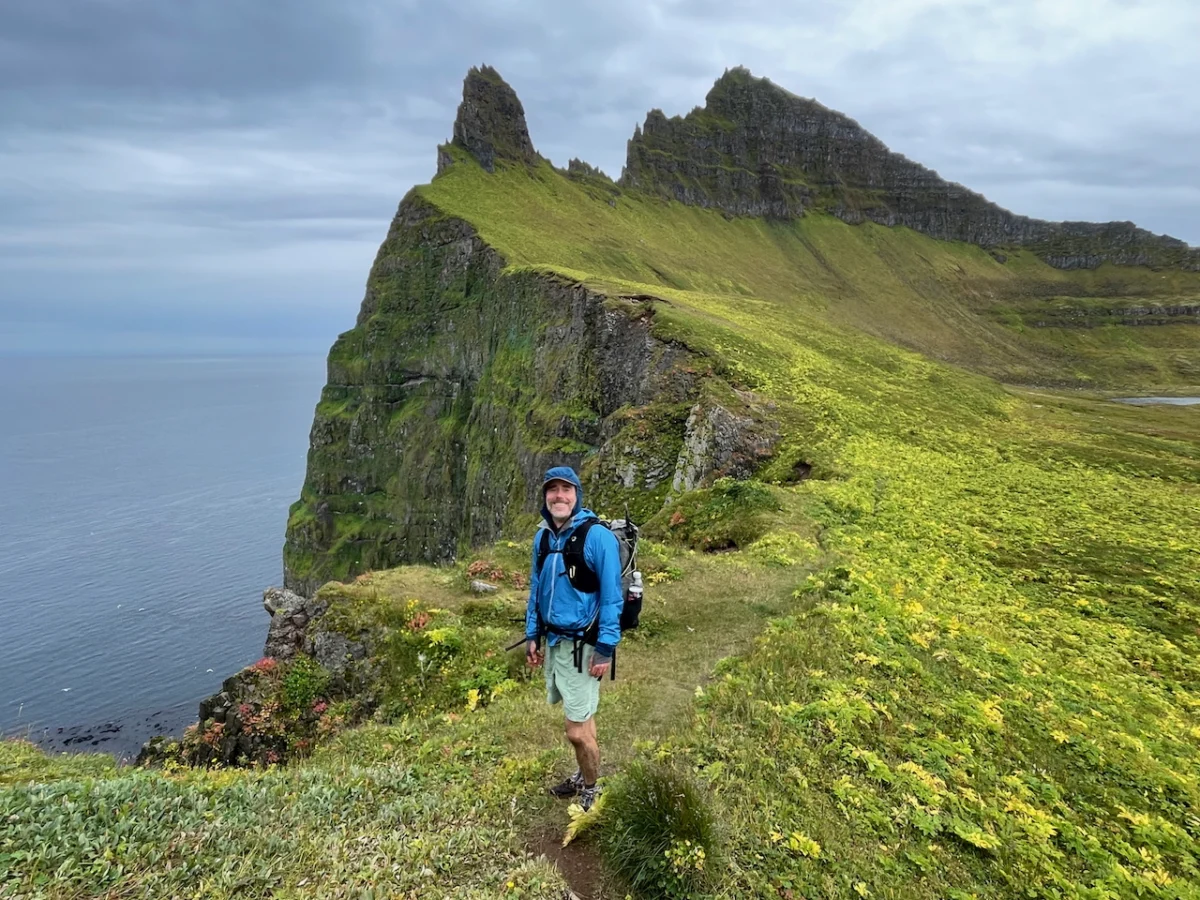
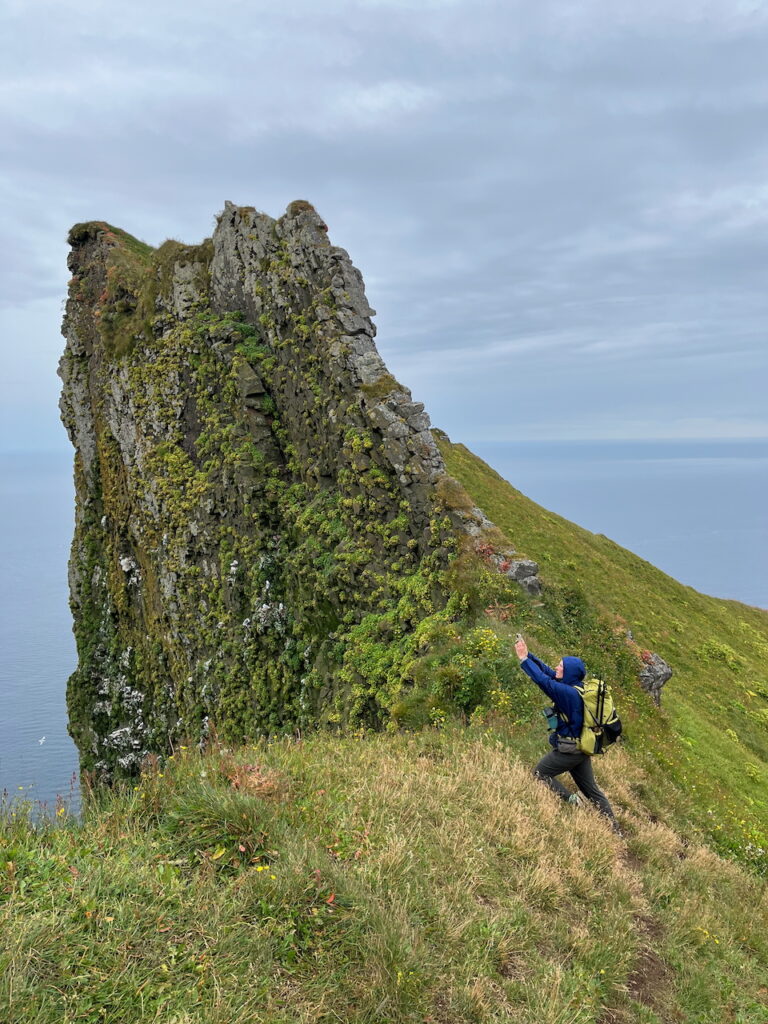
The pinnacle of the trip for many is the climb to the Hornbjarg cliffs. Rising over 500 meters (1,640 feet) straight out of the ocean, these cliffs serve as one of Iceland’s most vital breeding grounds for seabirds. The sheer verticality of the terrain, combined with the constant auditory assault of bird calls, creates a sensory experience unlike any other in the Nordic region.
Day 5: The Lighthouse and the Shore
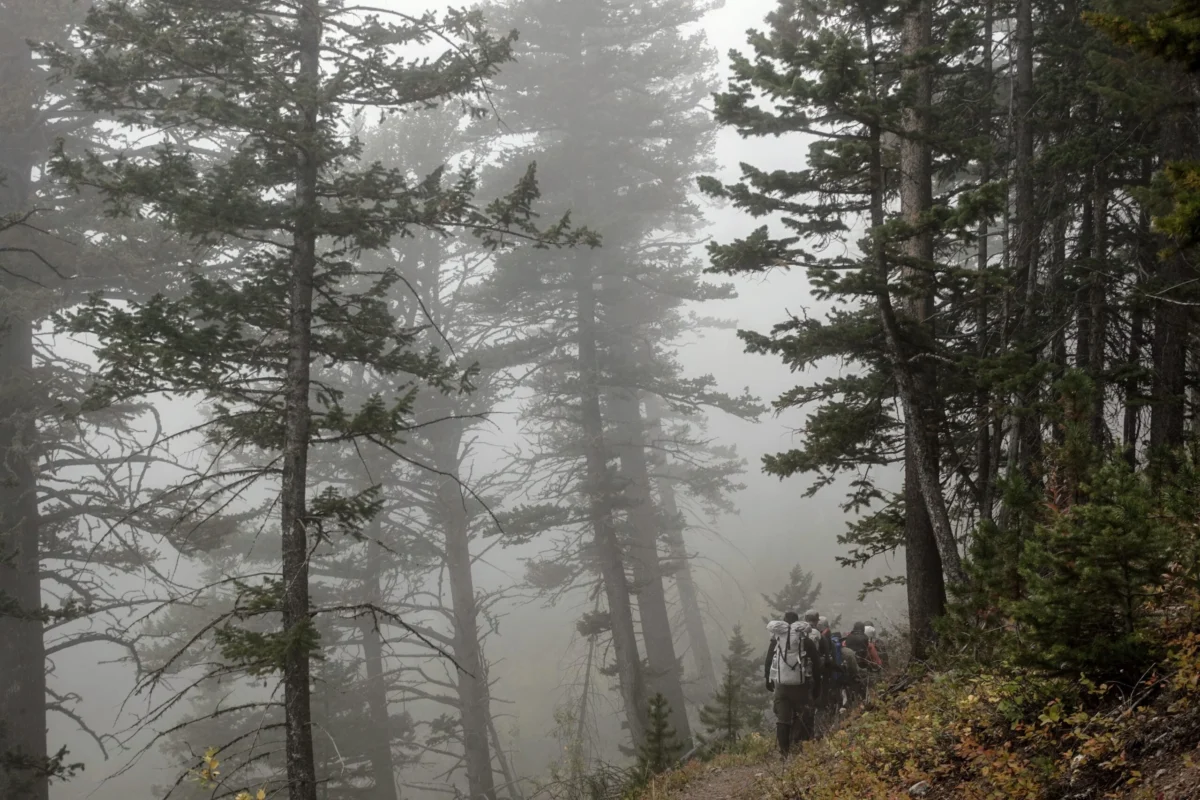
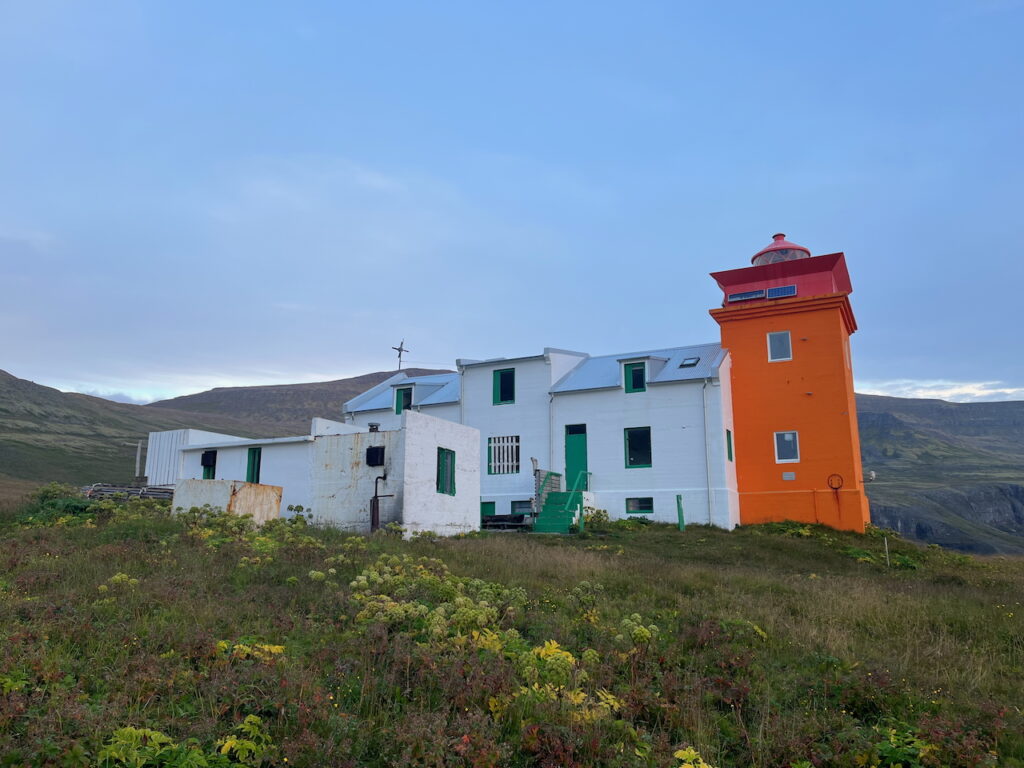
Navigating toward the Hornbjargsviti Lighthouse, the trail follows the dramatic coastline. Here, the weather dictates the pace; even in mid-summer, sudden shifts in atmospheric pressure can bring freezing rain and dense fog. The proximity to the North Atlantic provides a constant reminder of the ocean’s influence on the peninsula’s ecology.
Day 6: The Return to Civilization
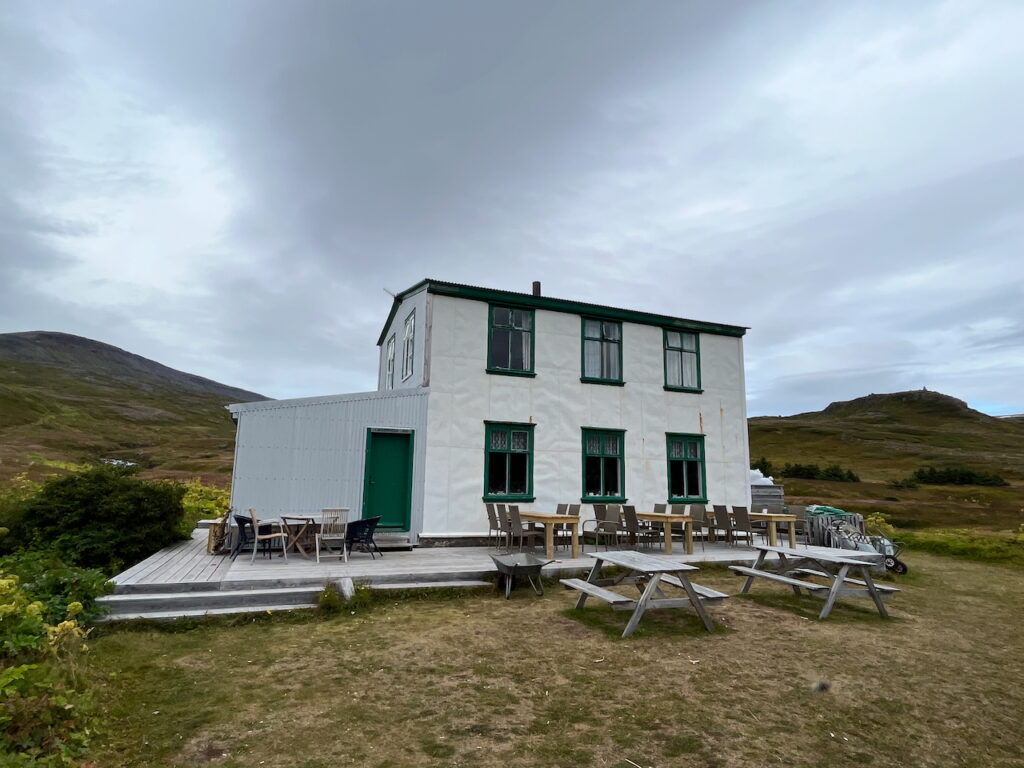
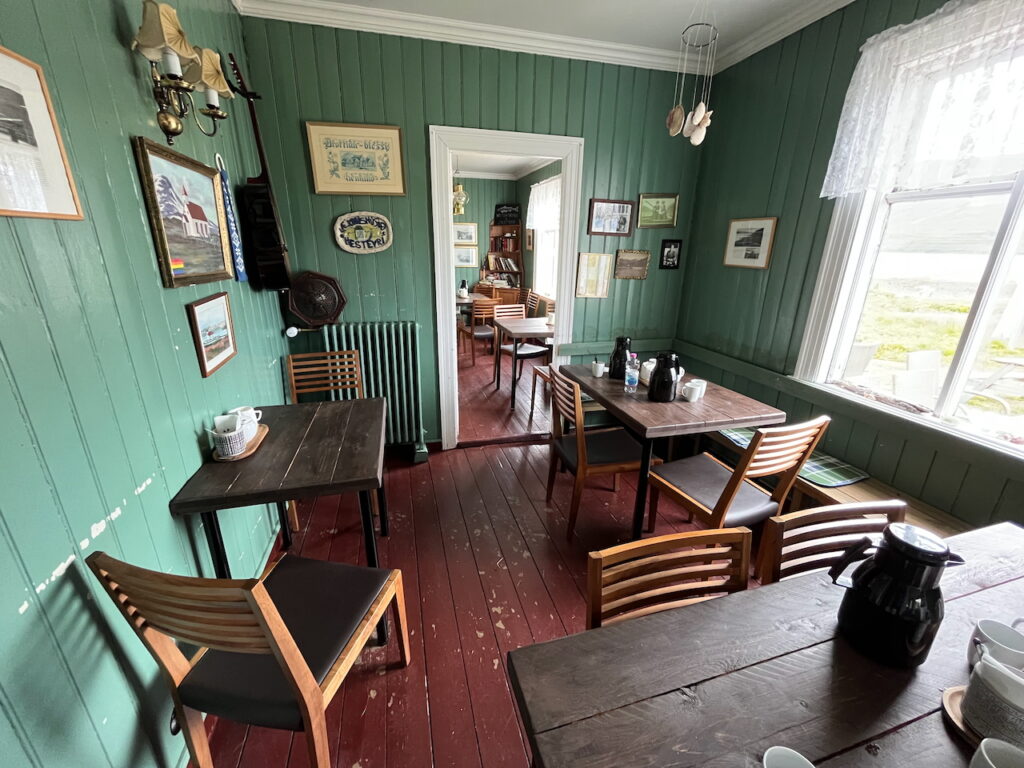
The final leg involves crossing the remaining coastal plains, where the sight of white-tufted cottongrass (Eriophorum) swaying in the wind signals the approach back to the dock at Hesteyri. The final reward is a warm meal at the Old Doctor’s House—a historic guesthouse that acts as the only outpost of comfort in the region.
The Ecological Equilibrium: Supporting Data
The success of Hornstrandir as a nature reserve is supported by long-term environmental observation. Since the evacuation of the last permanent residents in the 1950s—a move prompted by the collapse of the salt-fish market and the closure of local herring stations—the land has undergone a significant ecological "re-wilding."
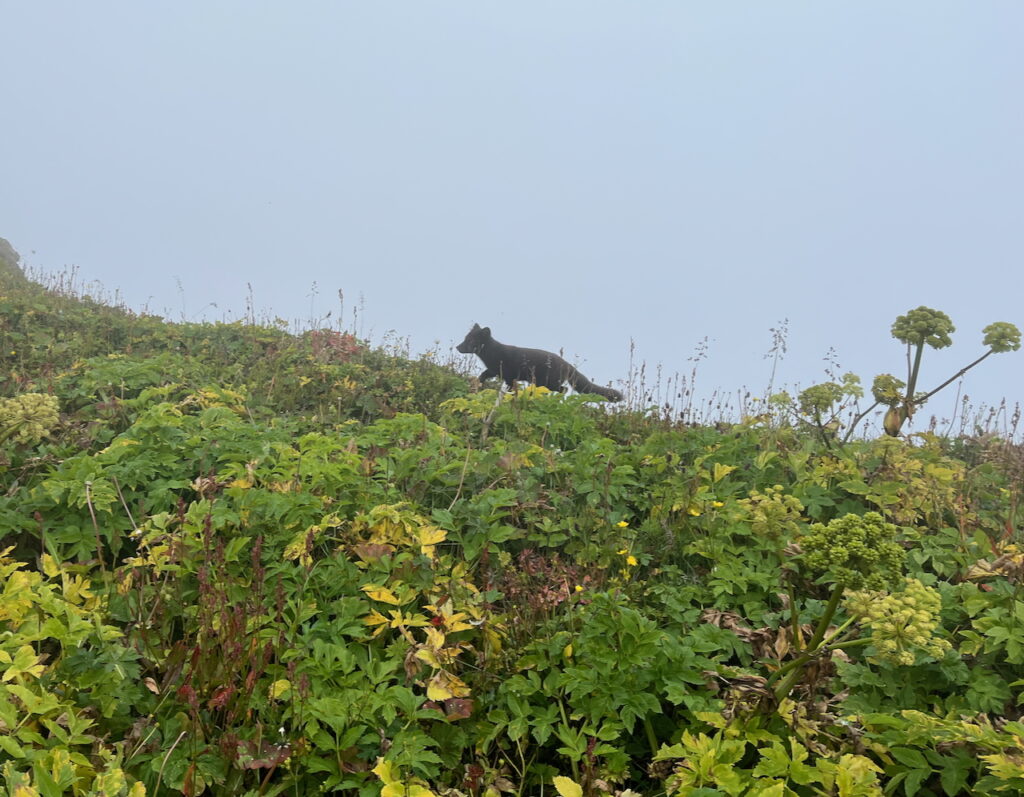
The absence of sheep and cattle grazing has allowed the tundra vegetation to reclaim the slopes. Species such as angelica, crowberry, and bilberry have flourished, creating a dense, complex ecosystem that supports a robust population of Arctic foxes. Unlike populations in other parts of the world, Icelandic foxes exhibit distinct color morphs, with the "blue" morph (dark gray/brown) being significantly more prevalent than the "white" phase. This adaptation is a fascinating study in how isolated populations evolve in response to specific, stable environments.
The Human Element: Official and Historical Perspectives
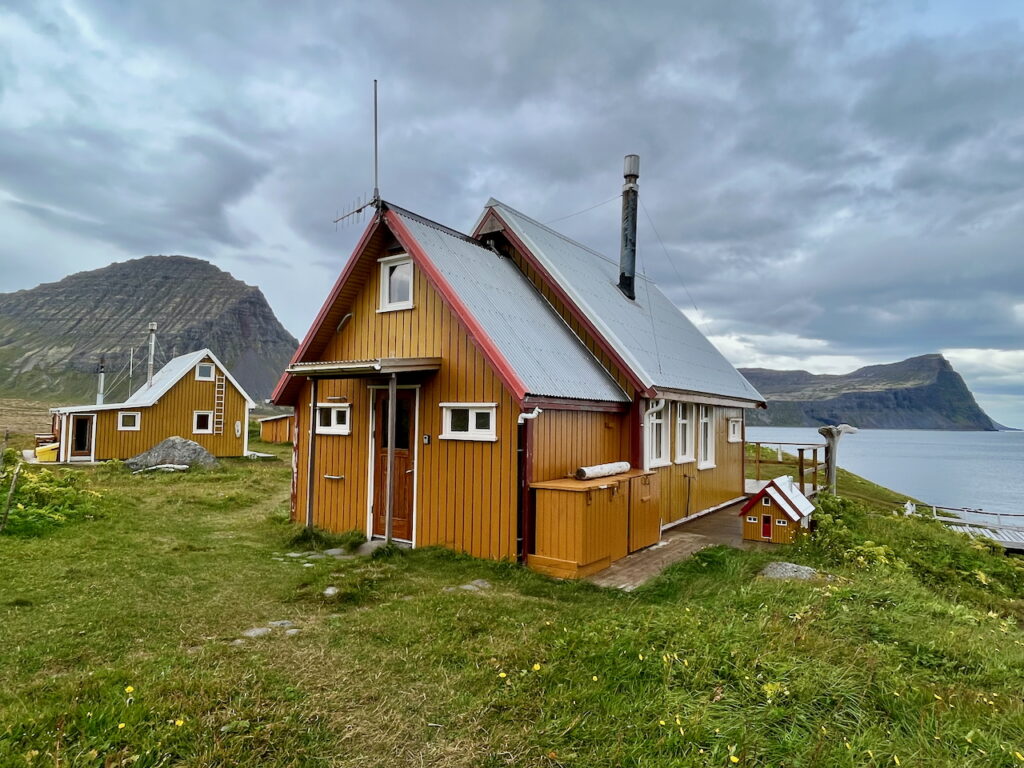
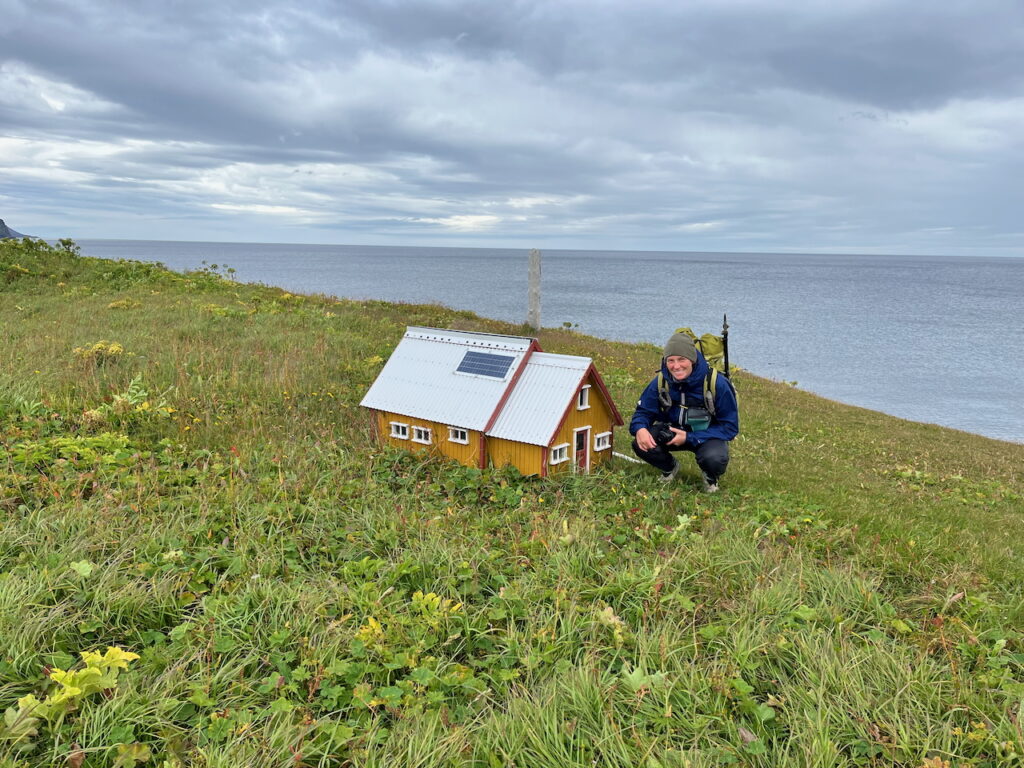
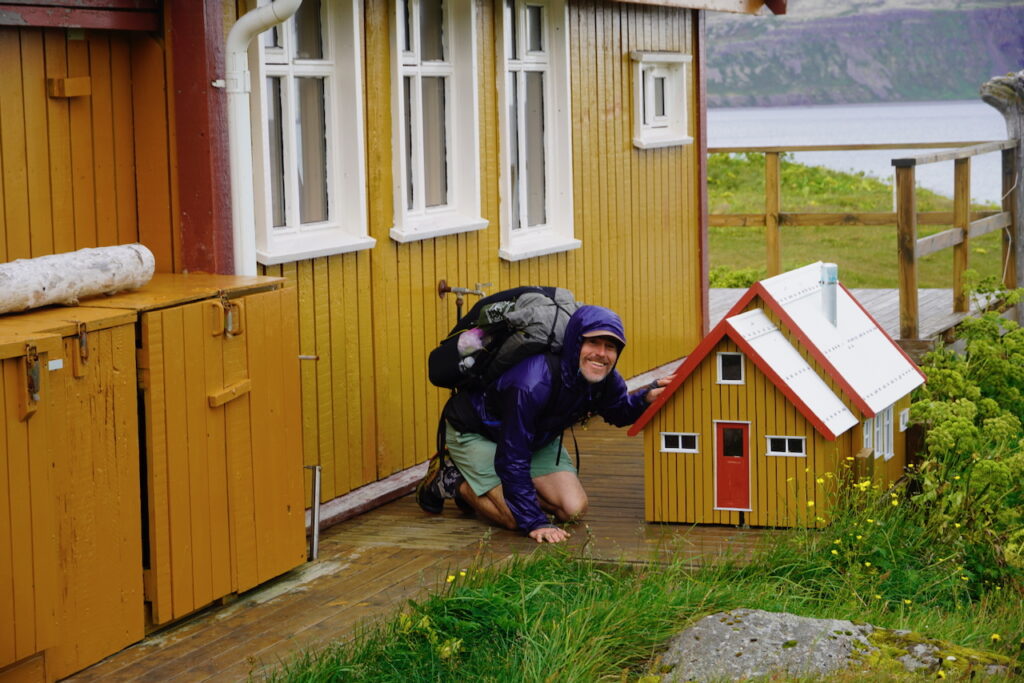
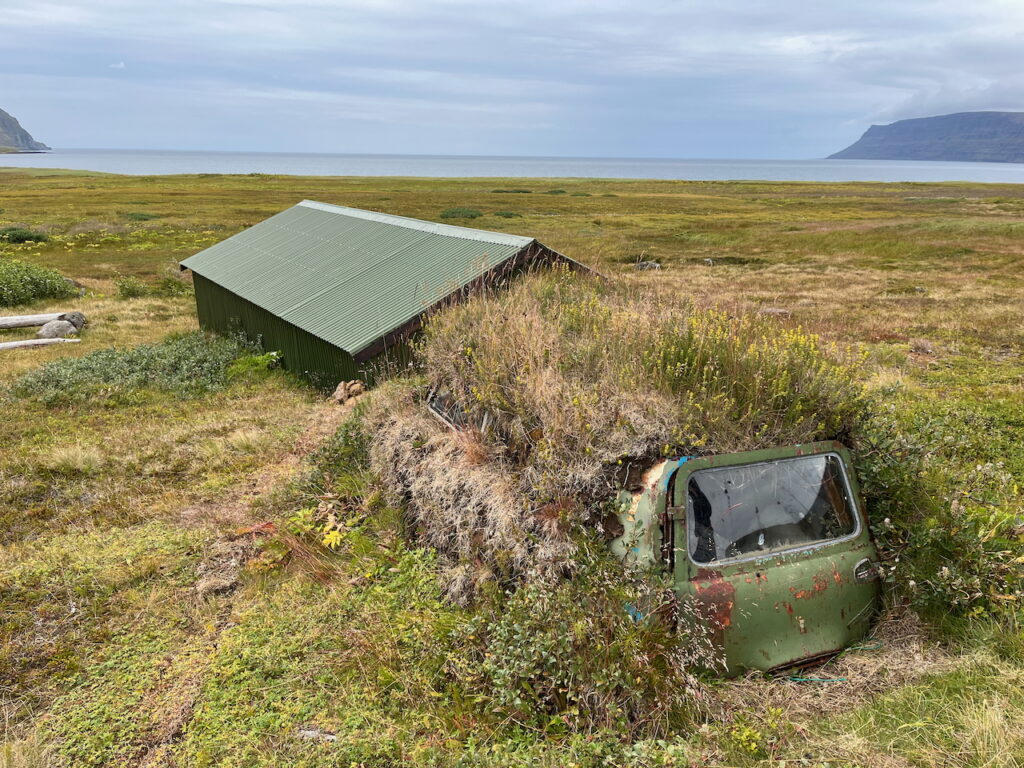
While Hornstrandir is a "wilderness," it is not entirely devoid of human history. The "Huldufólk" (hidden people) folklore is deeply ingrained in the local culture, with many hikers noting small, miniature houses built for these mythical beings near the traditional cottages.
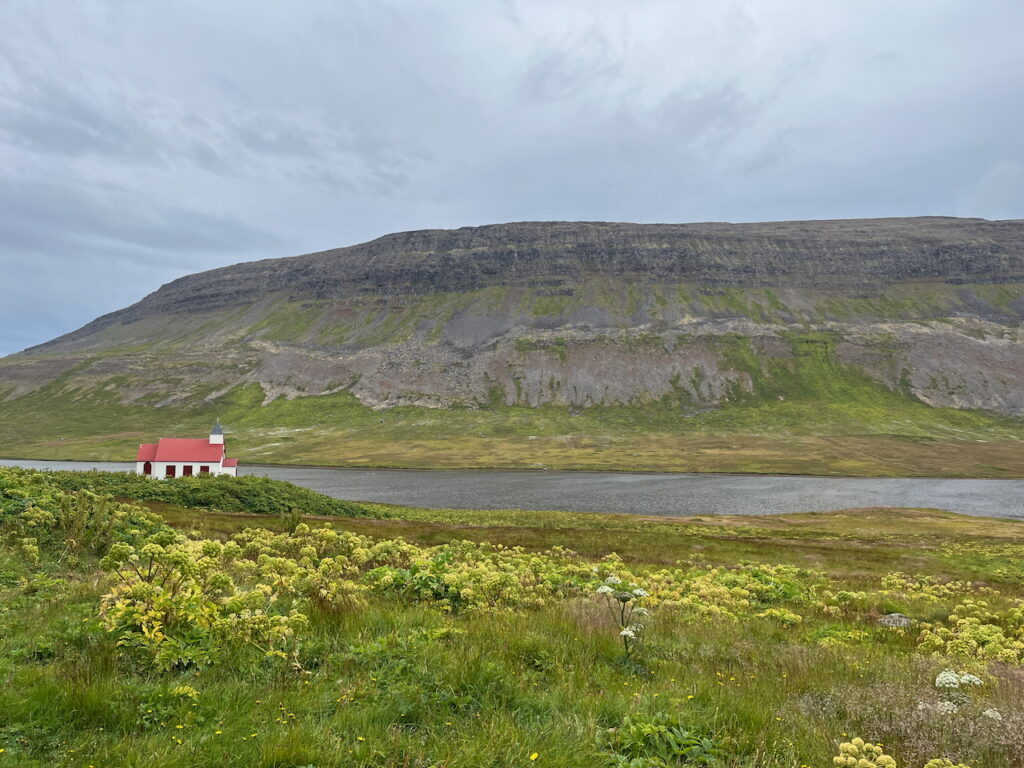
Official conservation policy in Iceland prioritizes the maintenance of this "no-trace" environment. Visitors are strictly prohibited from disturbing the nesting seabirds or the fox dens. The "Old Doctor’s House" (Læknishúsið) at Hesteyri stands as a monument to the resilience of the past. Originally built for the district doctor, the house has been meticulously restored and serves as a vital emergency refuge and social hub for travelers. Its continued operation is a collaborative effort between historical preservationists and the local tourism authorities, ensuring that the human history of the peninsula is not lost to the encroaching wilderness.
The Implications of Climate and Tourism
The future of Hornstrandir is defined by two competing forces: the increasing desire for remote, high-adventure tourism and the fragility of the sub-arctic ecosystem.
1. Environmental Sensitivity:
As climate patterns shift, the delicate balance of the tundra is at risk. Increased temperatures can lead to the thawing of permafrost in higher elevations, potentially destabilizing the steep, cliff-side trails that hikers rely on. Furthermore, the bird colonies are sensitive to changes in ocean temperatures, which affect the migration patterns of the fish they feed upon.
2. Managed Access:
Currently, the "moderate" difficulty rating of the trek acts as a natural filter for visitor numbers. The logistical barrier to entry—requiring pre-booked boat transport and a high degree of self-sufficiency—prevents the mass tourism seen in the "Golden Circle" or the South Coast of Iceland. However, there is ongoing debate regarding whether to expand infrastructure (such as better-marked trails or more emergency shelters) to enhance safety, or to keep the region as raw as possible to discourage casual visitation.
3. The "Wilderness" Value:
Hornstrandir serves as a rare control group for scientists studying the effects of human abandonment on landscape restoration. Its value to the global community lies precisely in its lack of development. The implication for future visitors is clear: the privilege of experiencing such a pristine environment carries the responsibility of absolute stewardship.
Conclusion
The Hornstrandir Peninsula is a rare gem in an increasingly mapped world. It offers a unique opportunity to witness nature in a state of relative autonomy. Whether one is drawn by the prospect of encountering an Arctic fox in its natural habitat, the allure of the dramatic, bird-filled cliffs, or the simple, profound silence of a roadless wilderness, the journey requires thorough preparation and a humble mindset.
As the world continues to develop, places like Hornstrandir become ever more significant. They remind us that there are still corners of the earth where the wind, the sea, and the seasons dictate the terms of existence. For the traveler, the reward is not found in the completion of the 120-kilometer trek, but in the realization that there are still places where the human footprint is temporary, and the earth remains in charge.