Introduction
For the modern backpacker, the "ultralight" ethos—the pursuit of the lowest possible base weight—has become the gold standard. By stripping gear down to its bare essentials, hikers can cover more ground with less physical strain. However, in the high-stakes environment of mountain trekking, where weather patterns can shift from mild to life-threatening in minutes, the relentless pursuit of weight reduction often hits a functional ceiling.
This article examines a critical pivot point in outdoor gear philosophy: the case for sacrificing a few extra ounces in exchange for superior ventilation, durability, and thermoregulation. When faced with sustained, inclement weather, the ultralight standard often falters. We explore why, under specific conditions, a heavier, more robust jacket is not just a luxury, but a vital piece of survival equipment.
The Core Philosophy: Why Layering Matters
At its heart, a backpacking clothing system is an environmental management tool. Its purpose is to modulate the microclimate between your skin and the exterior elements. The goal is to remain dry, warm, and comfortable, regardless of the exertion level or the ferocity of the storm.
The Physics of Moisture Management
To maintain homeostasis, hikers must manage moisture generated by both perspiration and precipitation. The ideal layering system relies on hydrophobic materials—synthetic fabrics that repel water rather than absorbing it. When clothing absorbs moisture, two negative processes occur:
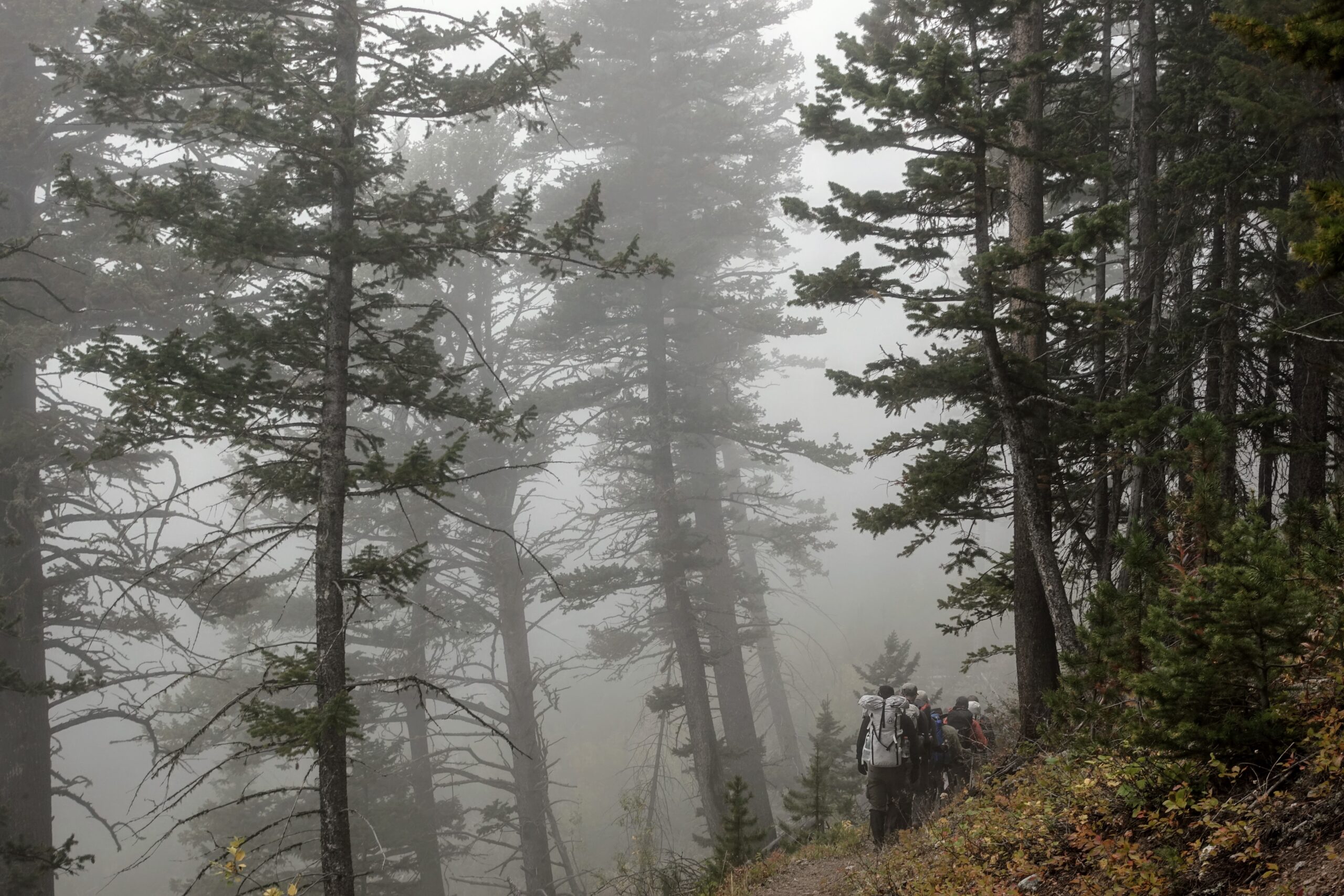
- Weight Gain: Saturated fabric adds significant dead weight to the hiker, leading to increased fatigue.
- Evaporative Cooling: As body heat works to evaporate water trapped within the fibers of your base or mid-layer, it creates a "chilling effect." In cold, wet conditions, this can rapidly drain core body temperature, leading to hypothermia.
Chronology of Gear Evolution
The traditional "three-layer system" has been the industry benchmark for decades, consisting of a wicking base layer, an insulating mid-layer, and a waterproof shell.
- The Early Era: Gear was heavy, often relying on thick, rubberized canvas or heavy-duty PVC. While durable, it lacked breathability, leading to the "boil-in-the-bag" effect.
- The Membrane Revolution (1970s–2000s): The introduction of ePTFE membranes (like Gore-Tex) allowed moisture vapor to escape while blocking liquid water. This revolutionized the three-layer system.
- The Ultralight Movement (2010s–Present): Manufacturers focused on shaving grams, moving toward 7D fabrics and "minimalist" shells. These designs often sacrificed pit zips, adjustable hoods, and reinforced cuffs to save weight.
- The Current Correction (2026 Update): Advances in DWR (Durable Water Repellent) coatings and new ePE (expanded polyethylene) membranes have enabled a new class of "durable-but-light" gear, prompting a shift back toward features that prioritize ventilation over pure gram-counting.
The "Wind-Cold-Rain" Trifecta
The primary failure of minimalist, ultralight rainwear occurs during what we categorize as the "trifecta of discomfort": temperatures near 50°F (10°C), sustained precipitation, and wind speeds exceeding 10 mph.
The Overheating Dilemma
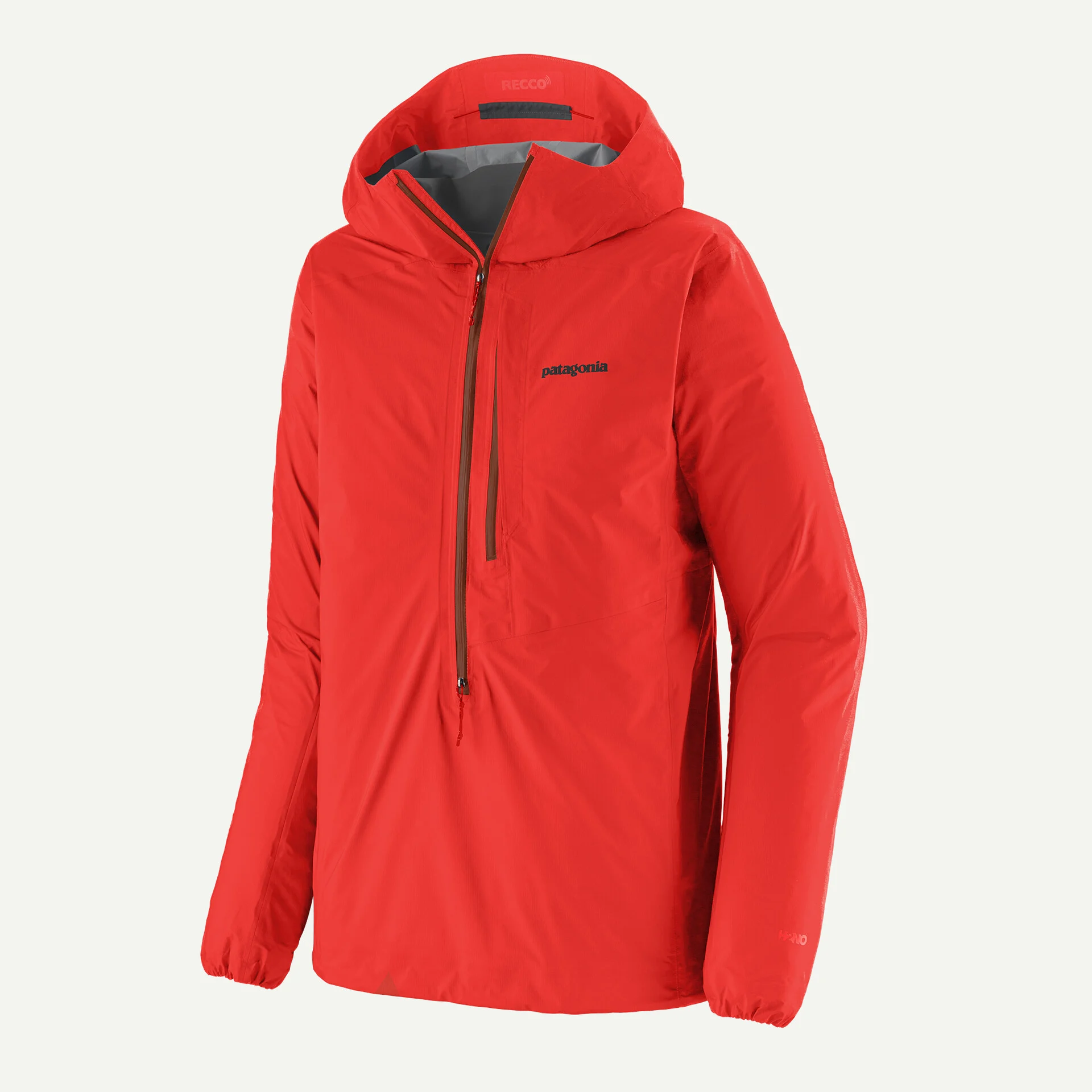
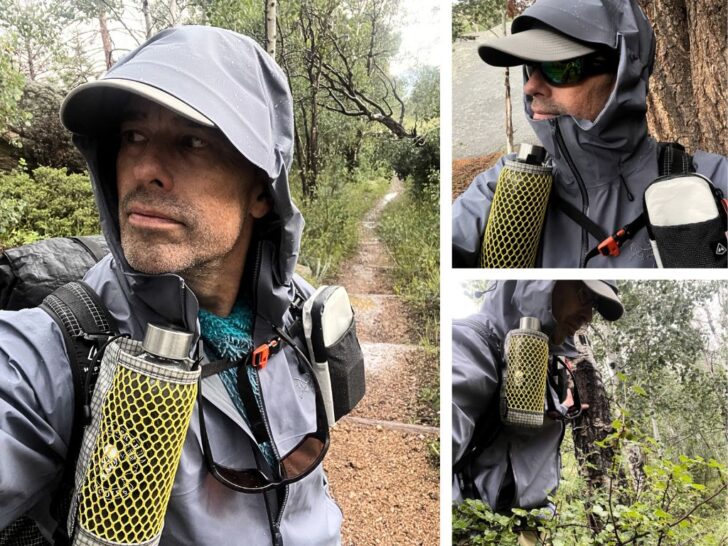
When hiking in the rain, the biggest challenge isn’t keeping water out—it’s getting body moisture out. Ultralight shells are often so thin that they lack mechanical ventilation (pit zips). Without these, the moisture generated by high-exertion hiking is trapped against the skin.
Even the most breathable waterproof-breathable membranes cannot move moisture as fast as a human body produces it during a strenuous ascent. When a hiker overheats, they are forced to stop and shed layers. If the ambient temperature is near freezing and the wind is howling, removing the shell to cool down is not an option. This is where a jacket with dedicated ventilation features—such as adjustable cuffs, pit zips, and a volume-adjustable hood—becomes indispensable.
Supporting Data: Comparing Systems
To understand the trade-offs, we must compare the "Ultralight Minimalist" approach with the "Feature-Rich Durable" approach.
| Feature | Ultralight Minimalist (3.1 oz) | Durable Feature-Rich (12 oz) |
|---|---|---|
| Material | 7D Nylon (Fragile) | 40D Nylon (Robust) |
| Ventilation | None (Static) | Pit Zips & Adjustable Cuffs |
| Durability | High risk of tearing | High abrasion resistance |
| Moisture Control | Poor (passive only) | Excellent (active adjustment) |
The weight difference—roughly 9 ounces—is significant for a gram-counter, but the functional delta is massive. A 40D nylon jacket can withstand bushwhacking through dense vegetation and the friction of a heavy backpack, whereas a 7D shell can be shredded by a single encounter with a sharp branch or granite outcrop.
Implications for the Modern Hiker
When should you choose to carry the extra weight? The decision depends on your itinerary and environment.
When to Stick with Ultralight
If you are engaging in high-output activities in temperate, predictable climates (e.g., summer trail running in the Sierra Nevada or dry-climate desert trekking), the minimalist approach is superior. In these scenarios, the gear stays in the pack 90% of the time, and the weight savings directly translate to higher daily mileage.

When to Opt for Robust Gear
If your adventures include the "shoulder seasons" (late autumn or early spring), or if you are trekking in the Pacific Northwest, the Northern Rockies, or high-alpine environments, the "extra ounces" are an investment in safety.
The Shoulder Season Reality:
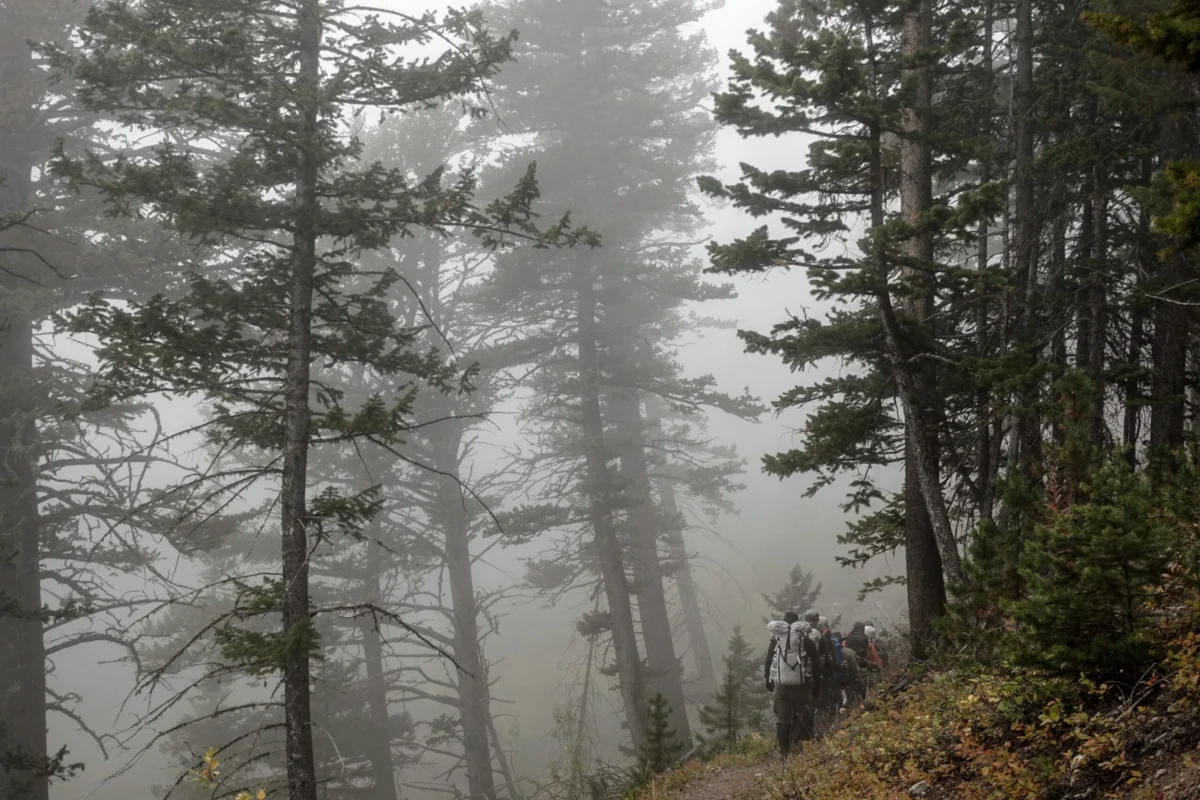
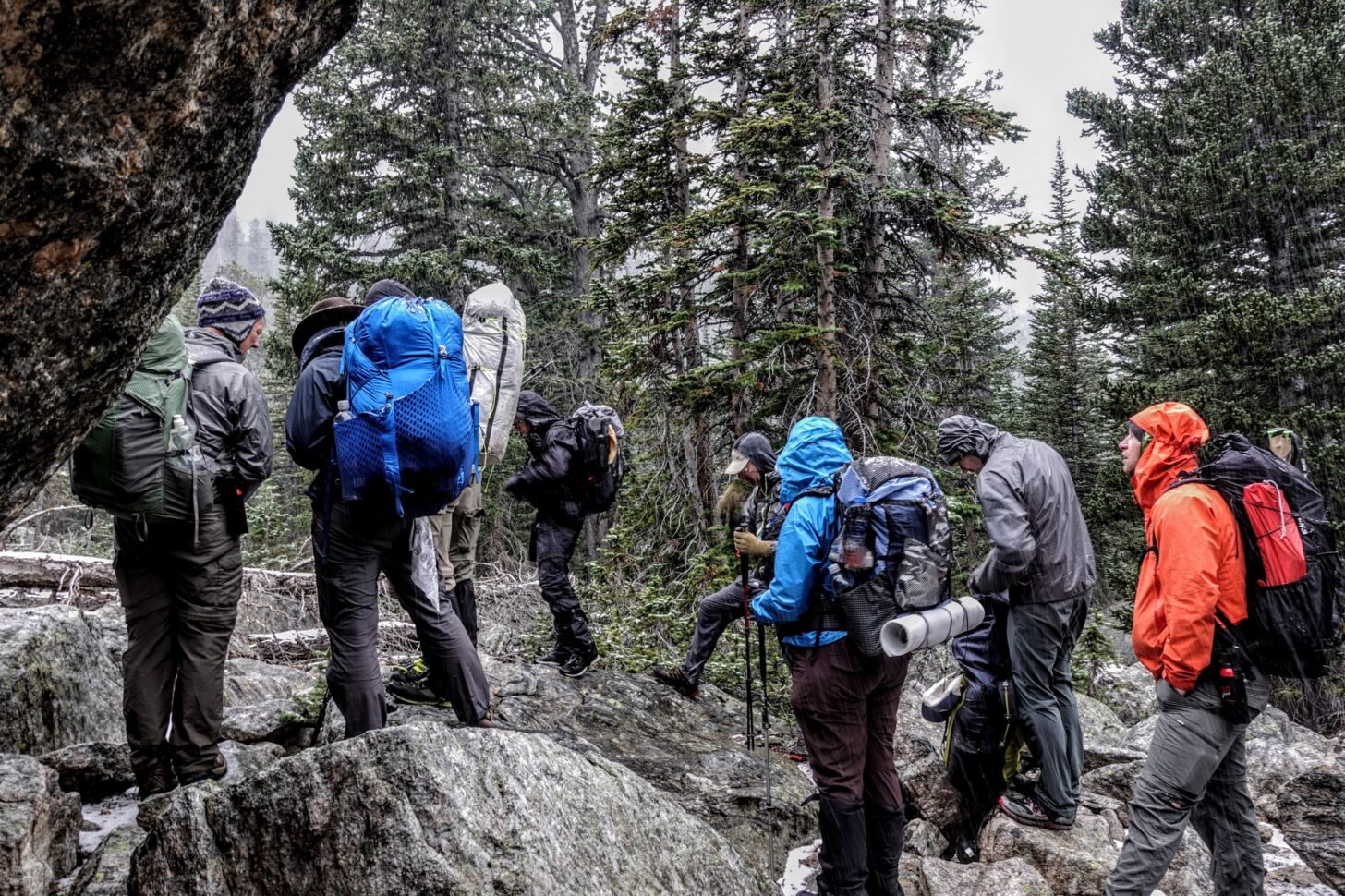
In the Absaroka-Beartooth Wilderness, for example, a September storm can bring sleet, freezing rain, and high winds. Here, a jacket like the Arc’teryx Beta SL—utilizing 40D fabric and full ventilation—allows the hiker to keep moving. The ability to open pit zips to regulate temperature prevents the mid-layers from becoming soaked with sweat, which in turn keeps the hiker warmer during rest breaks.
Official Industry Perspectives
Leading outdoor gear manufacturers have responded to the market’s demand for better ventilation. Recent innovations in ePE membranes have allowed companies to create jackets that are both lighter than traditional Gore-Tex while retaining the high-denier face fabrics required for durability.
The consensus among mountain guides is shifting: "Light is right" is being replaced by "Light is right, but functional is mandatory." The industry is currently seeing a surge in "hybrid" shells that feature body-mapped ventilation and reinforced stress points. These jackets represent the "new middle" of the market—gear that is significantly lighter than the heavy shells of the 90s, yet far more capable than the stripped-down racing shells of the 2010s.
Final Thoughts: The Cost of Comfort
Ultimately, the backpacker must weigh the cost of their gear in both dollars and grams. The "cost" of carrying an extra 9 ounces is a small price to pay for the ability to remain comfortable and safe during a prolonged, wet, and windy mountain storm.
As technology continues to evolve, the distinction between "ultralight" and "durable" will continue to blur. Until then, remember that the most "ultralight" piece of gear is the one that allows you to finish your trip without being forced to retreat due to hypothermia or gear failure. When the clouds gather and the temperature drops, you will rarely regret the extra few ounces on your back.