By Alice Broderick | June 18, 2026
As the summer solstice arrives, the days lengthen, inviting millions of Americans to engage with the natural world. For many, this season is defined by the rhythm of our waterways—the cooling rush of a mountain stream, the serene glide of a kayak across a lake, or the meditative sound of rapids tumbling over river rock. These experiences are not merely recreational; they are a profound reminder of our intrinsic connection to the environment. As we observe National Rivers Month this June, it is time to reflect on the tagline that defines the mission of American Rivers: Life Depends on Rivers®.
Rivers are the arteries of our planet. They provide the drinking water that sustains our cities, the irrigation that fuels our agriculture, and the vital, complex habitats necessary for the survival of countless fish and wildlife species. However, as we celebrate, we must also acknowledge the fragility of these systems. The past year has presented significant challenges, from industrial pollution to the legacy of aging infrastructure. Yet, it has also been a year of remarkable resilience and unprecedented progress. By examining recent victories—ranging from dam removals to multi-billion dollar ballot initiatives—we can see what is possible when communities, advocates, and policymakers unite under a common purpose.
The State of Our Waterways: A Chronology of Progress
The past eighteen months have served as a turning point for river conservation in the United States. While the threats remain pervasive, the success stories of the last year offer a blueprint for future restoration efforts.
2025: A Year of Unprecedented Reconnection
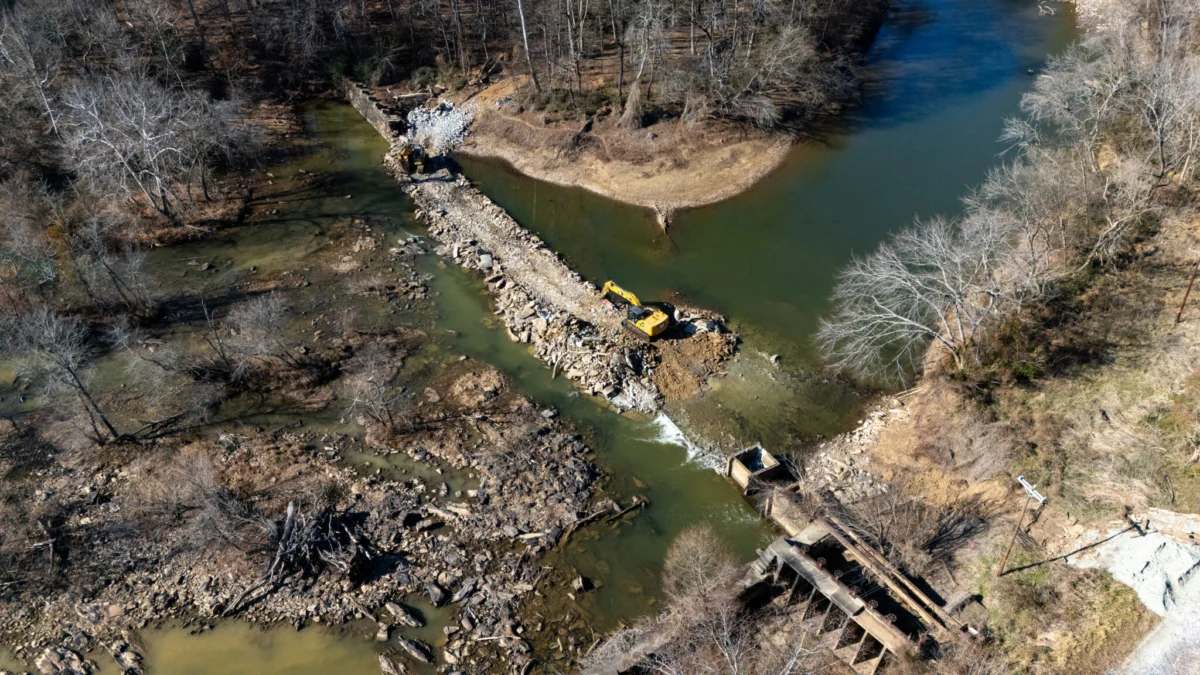
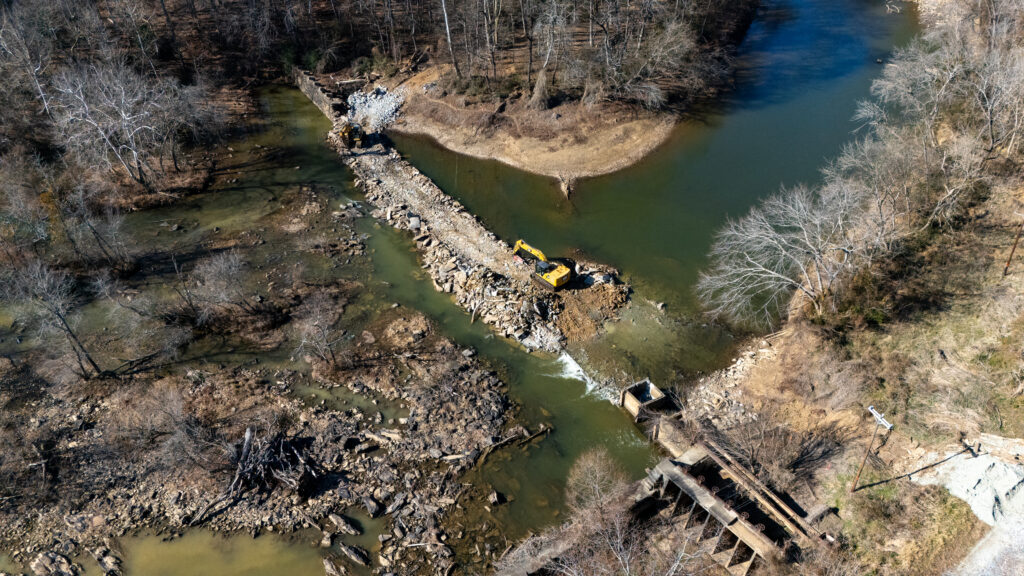
The most significant milestone in recent conservation history occurred throughout 2025, which saw the removal of 100 dams across 30 states. These were not merely construction projects; they were acts of ecological liberation. Many of these dams were aging, crumbling structures that had long outlived their intended purpose, serving only to fragment river ecosystems and pose safety risks to downstream communities.
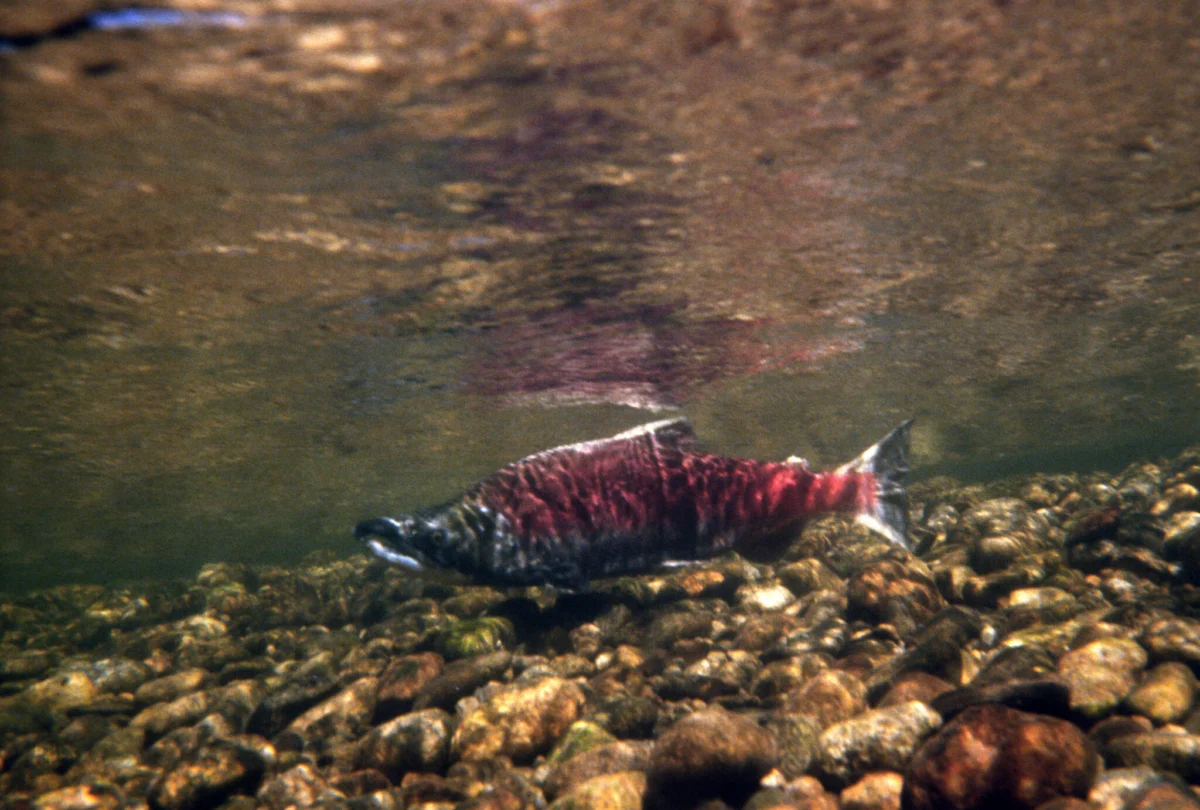
The removal of these 100 barriers reconnected more than 4,893 miles of river—a record-breaking achievement. For the first time in decades, or in some cases centuries, migratory fish species can return to historic spawning grounds, and sediment can flow naturally to nourish downstream deltas. This initiative proves that removing obsolete infrastructure is one of the most effective tools we have to restore river health.
Spring 2025: The Tijuana River Breakthrough
In April 2025, the Tijuana River was identified as the second-most endangered river in the nation by American Rivers’ annual report. The designation highlighted the severe, toxic pollution threatening border communities—a public health crisis that had persisted for years.
The report acted as a catalyst for swift federal engagement. By July 2025, just three months after the report’s release, intense advocacy and community leadership led to a historic meeting between environmental stakeholders and EPA Administrator Lee Zeldin. This pressure culminated in a landmark agreement between the United States and Mexico. The agreement established a framework to address transboundary pollution, signaling a shift from decades of administrative gridlock toward actionable, cross-border environmental health solutions.
November 2025: The Texas Ballot Victory
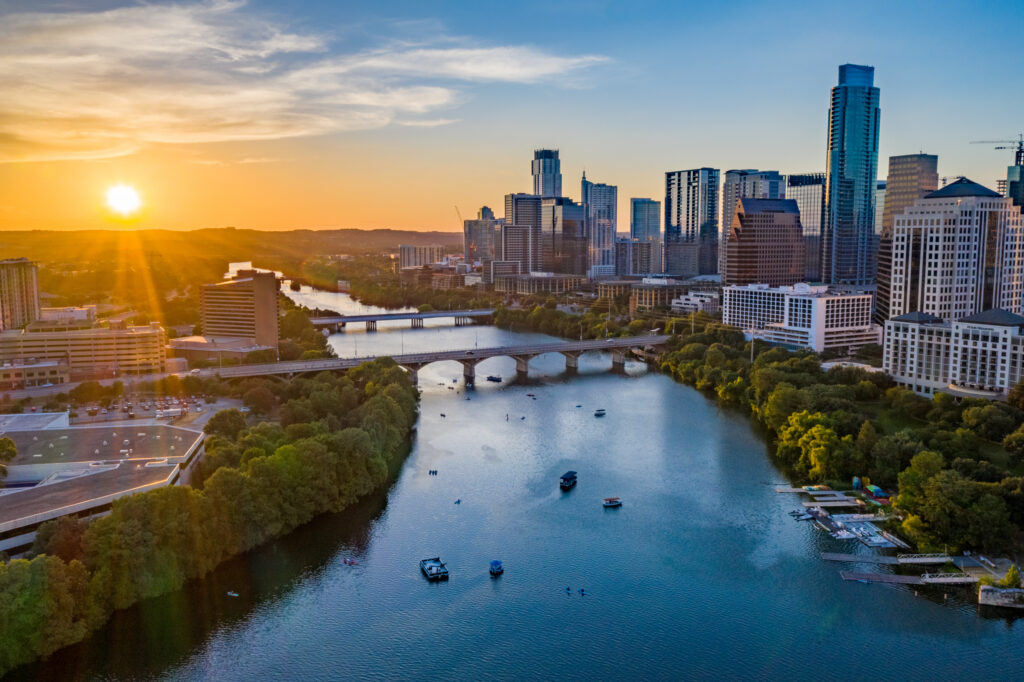
In a monumental display of public support, Texas voters approved a ballot initiative that will dedicate $1 billion annually for the next 20 years toward water and flood resilience. This $20 billion investment is the largest state-based commitment to water infrastructure in American history. The initiative focuses on critical areas: water quality, wetland restoration, and floodplain management. The success of this measure, supported by a bipartisan coalition, serves as a powerful indicator that the American public is increasingly prioritizing water security as a non-negotiable component of state infrastructure.
February 2026: Urban Restoration in the Pacific Northwest
In early 2026, the focus shifted to urban environments with the completion of a major headwater wetland restoration project in West Seattle. This project serves as a pilot for urban resilience, proving that cities do not have to be concrete deserts. By restoring wetlands in the heart of a metropolitan area, the project has enhanced local biodiversity, mitigated flooding, and provided the community with a vital green space, offering a scalable model for other cities across the nation.
Data-Driven Conservation: Why These Projects Matter
The success of these initiatives is rooted in rigorous scientific monitoring and strategic implementation. Data from the 2025 dam removal efforts indicate that reconnection is the single fastest way to bolster biodiversity. When a dam is removed, the biological response is often immediate. Fish populations rebound, water temperatures stabilize, and the river’s natural filtration capacity is restored.
Furthermore, the economic data surrounding the Texas initiative highlights a shift in how we value water. By framing wetland and floodplain restoration as a form of "flood resilience infrastructure," proponents were able to demonstrate that natural systems provide better, cheaper, and more sustainable protection than traditional "gray" infrastructure like concrete levees.
Official Responses and Strategic Advocacy
The progress made in the last year has not gone unnoticed by policymakers. Leaders in the EPA and various state legislatures have begun to adopt the language and priorities of the river conservation movement.
"The progress we have seen is a testament to the fact that when we bring diverse stakeholders to the table—from local anglers and tribal leaders to federal regulators—we can overcome seemingly intractable problems," said an American Rivers spokesperson.
The strategy employed in the Tijuana River crisis, in particular, has become a case study for "Strategic Advocacy." By combining scientific reports (the America’s Most Endangered Rivers® report) with direct lobbying and public pressure, the organization was able to force a resolution in a diplomatic environment that had previously been stalled. This approach highlights that advocacy is most effective when it is data-driven, community-led, and persistent.
Implications: The Road Ahead
While we celebrate these wins, we must look toward the future. The threats to our rivers—climate change, urban sprawl, industrial runoff, and groundwater depletion—are evolving. The successes of 2025 and 2026 show us that we have the tools to protect our waterways, but they also show us that we are in a race against time.
The Role of Citizen Science and Local Stewardship
As we move into the second half of 2026, the focus must shift toward community-level stewardship. The Seattle urban wetland project proves that "river work" is not just for federal agencies; it is for local residents, school groups, and city planners. The more we integrate these projects into the daily life of our cities, the more resilient our water systems will become.
Policy and Funding
The $20 billion Texas investment sets a high bar for other states. The implication is clear: water security is a primary driver of economic stability. As climate change increases the frequency of extreme weather events, states that invest in natural water infrastructure will be the ones that thrive. Advocacy groups are now looking to replicate the Texas model in other regions, emphasizing that water wins at the ballot box when voters are educated on the direct benefits to their personal safety and local economy.
A Shared Responsibility
National Rivers Month is not merely a celebration of the water itself, but a celebration of the people who fight for it. Whether it is a local volunteer cleaning up a tributary or a policymaker signing an international treaty, every action counts.
The message from the past year is clear: our survival is inextricably linked to the health of our rivers. When we clean up a river, we aren’t just saving fish; we are ensuring the future of our drinking water, our food supply, and the natural heritage of our nation.
As we look forward to the remainder of this year, let us take the lessons of 2025 and early 2026 to heart. We must remain vigilant against new threats, bold in our advocacy, and committed to the belief that Life Depends on Rivers®. By continuing to push for the removal of dangerous dams, the restoration of critical wetlands, and the implementation of forward-thinking water policies, we can ensure that the rivers of tomorrow remain as vibrant and life-giving as they are today.
We invite you to stay engaged. Join the thousands of others who are working to protect our most precious resource. Sign up for updates, participate in your local watershed events, and continue to advocate for the water that sustains us all. Because when it comes to the future of our rivers, every voice matters.