For over a century, the Antiquities Act has served as one of the most powerful tools in the American conservation arsenal. Enacted in 1906 under President Theodore Roosevelt, the law empowers the executive branch to set aside federal lands and waters of unique scientific, cultural, and historic value as National Monuments. From the towering spires of the Grand Canyon to the rugged coastlines of Acadia, nearly half of America’s current National Parks began their journey as National Monuments.
However, this foundational pillar of American conservation is currently facing its most significant existential threat. Following a series of proclamations issued on July 13, 2026, the status of two of the nation’s most iconic landscapes—Bears Ears and Grand Staircase-Escalante—has been thrown into turmoil, raising urgent questions about the future of public land management, tribal sovereignty, and the protection of critical water resources.
The Foundation of Our Public Trust
The Antiquities Act is more than just a regulatory mechanism; it is a manifestation of the American public trust. Since its inception, forty presidents from both sides of the aisle have utilized this authority to safeguard landscapes that represent the nation’s natural and cultural identity.
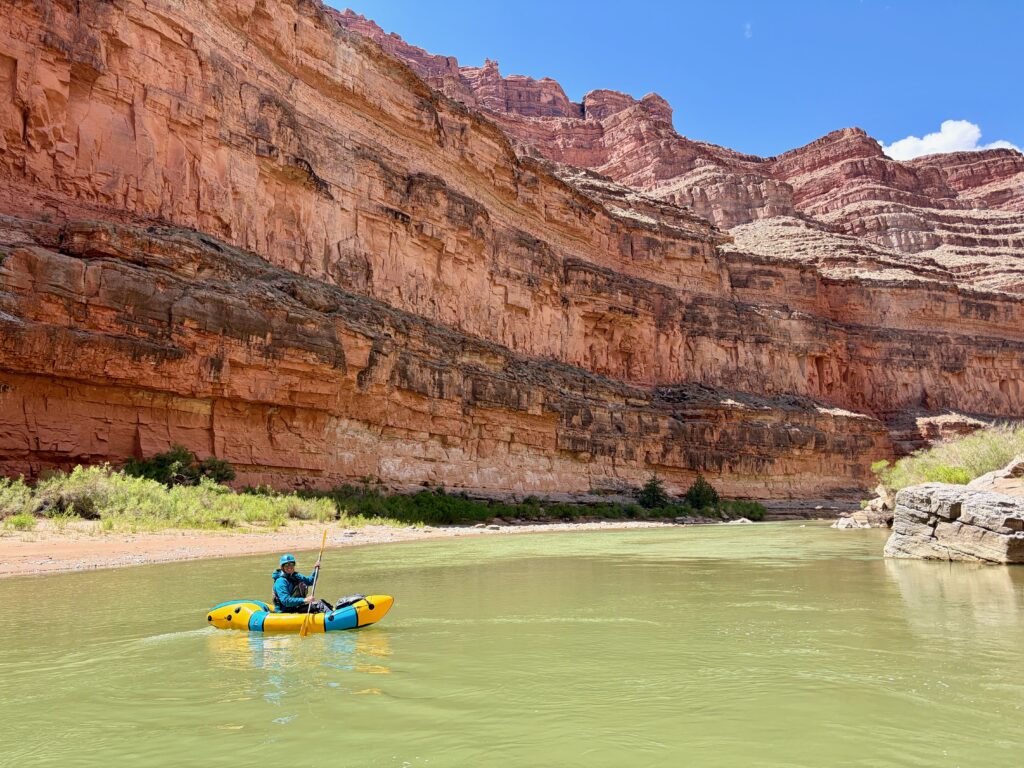
The value of these designations extends far beyond aesthetic beauty. Over the last three decades, 31 newly designated National Monuments have protected over 21,143 miles of rivers across 2,125 watersheds. These regions act as the nation’s "natural water towers," filtering and channeling clean water for more than 13 million people. Furthermore, these lands support thriving local economies, offering world-class recreation—fishing, hunting, and paddling—that fuels sustainable growth in gateway communities.
A Chronology of Conflict: The 2026 Rollbacks
The recent administrative actions represent a staggering reversal of decades of conservation progress. On July 13, 2026, the federal government issued proclamations that effectively reduced the boundaries of the Bears Ears and Grand Staircase-Escalante National Monuments by 90%.
- The Scale of Loss: The combined reduction covers nearly 3 million acres, leaving only 300,000 acres under formal monument protection.
- The Disbanding of Stewardship: Beyond the acreage reduction, the Bears Ears Commission—a vital body comprised entirely of Tribal representatives tasked with managing the land—was formally disbanded. The symbolic and political gravity of this move was underscored by the removal of Tribal seals from monument signage.
- The Precedent of Instability: This current rollback is significantly larger than the controversial 2017 boundary reductions, which were later reversed by the Biden administration.
The public reaction has been swift and organized. More than 1,000 citizens across six Utah cities recently held demonstrations, demanding that the original, expansive boundaries of these monuments be respected and maintained.
Economic and Ecological Implications: Data from the Field
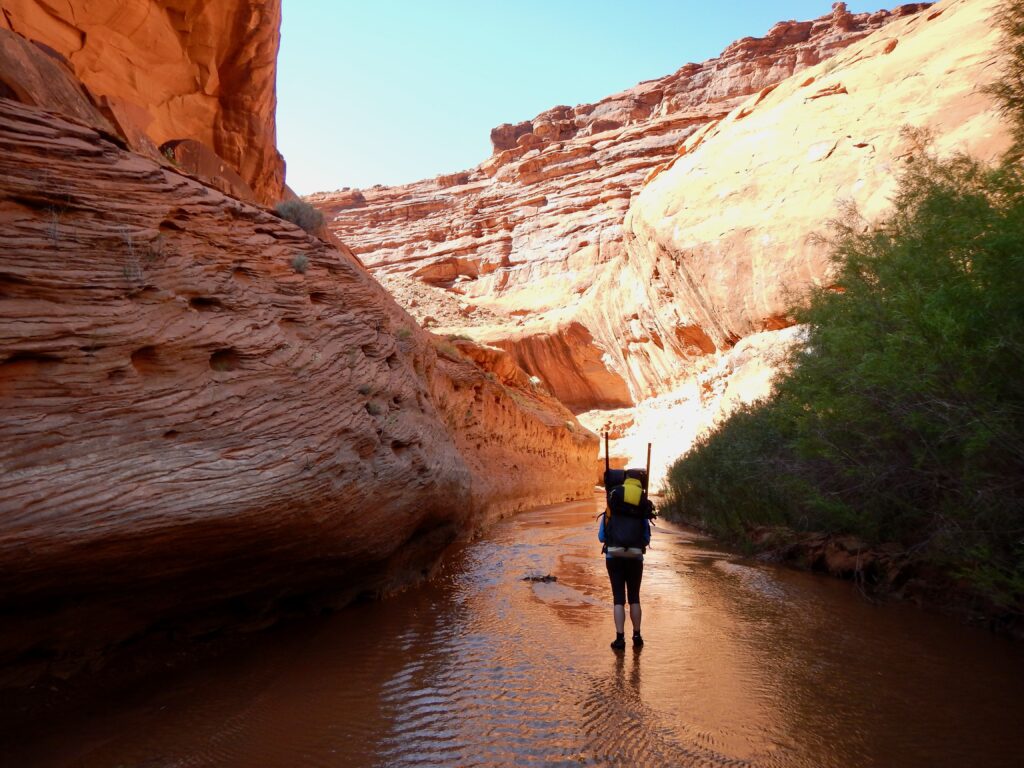
The argument for preserving these monuments is bolstered by clear economic and ecological data. When landscapes are protected, the surrounding communities often see a direct, positive fiscal impact.
Case Study: Rio Grande Del Norte
In Taos, New Mexico, the designation of the Rio Grande Del Norte National Monument served as a powerful economic catalyst. In the year following its establishment, the region saw a 40% increase in tourism and a 20% spike in lodging tax revenue. Beyond the ledger, the monument provides an essential wildlife corridor for elk, pronghorn, bighorn sheep, and mule deer, while simultaneously ensuring the security of water supplies for local Pueblos and agricultural producers.
Case Study: Katahdin Woods and Waters
In Maine, the National Park Service reported that the Katahdin Woods and Waters National Monument injected $3.4 million into local gateway economies in 2024. The ecological benefits are equally impressive; the monument protects 30 miles of the East Branch of the Penobscot River, alongside the Seboeis River and Wassataquoik Stream. By shielding these headwaters, the monument ensures the survival of endangered Atlantic salmon, wild brook trout, moose, and Canada lynx. This serves as a stark reminder that protecting a river is, in effect, protecting an entire web of life.
The Cultural Imperative: Tribal Sovereignty and Ancestral Homelands
The push to protect Bears Ears and Grand Staircase-Escalante is inextricably linked to the rights and history of Indigenous peoples. For the Hopi, Navajo, Ute Mountain Ute, Zuni, and Ute Indian Tribes, these are not merely "public lands"—they are ancestral homelands, cathedrals of history, and sources of medicinal and ceremonial plants.
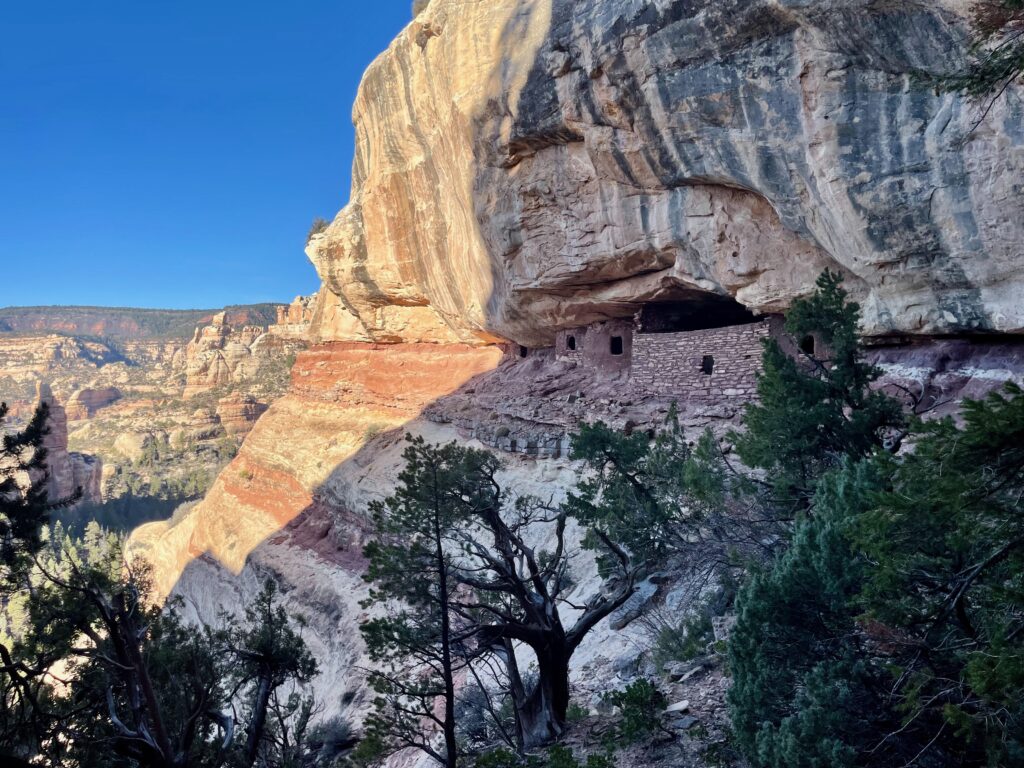
Bears Ears, in particular, is an open-air museum containing nearly 100,000 archeological sites, including cliff houses, kivas, and granaries that have been maintained for millennia. The 2016 designation of Bears Ears was historic, marking the first time in American history that a monument was established based on the continuous, ancient connection of Tribes to the landscape.
The management of these sites through the Inter-Tribal Coalitions ensures that the land is stewarded with traditional ecological knowledge—a practice that prioritizes long-term resilience over short-term extraction. The removal of the Bears Ears Commission and the exclusion of these voices from the management table represents a profound erosion of the progress made toward true government-to-government collaboration.
The Future of the Antiquities Act
The events of July 2026 serve as a clarion call for anyone concerned with the state of American public lands. While development is a necessary component of a modern economy, it cannot come at the expense of our most irreplaceable natural assets.
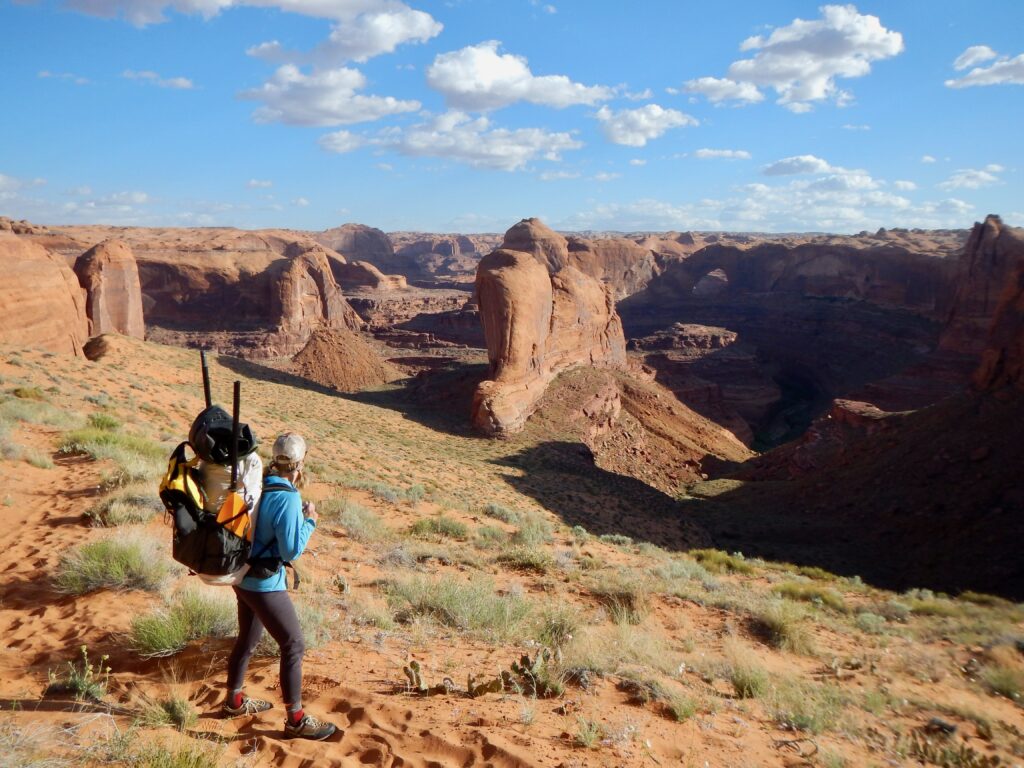
If we allow the systemic dismantling of National Monuments, we risk losing more than just scenic views; we lose the "water towers" that sustain our cities, the corridors that allow wildlife to migrate in a changing climate, and the sacred sites that ground our national history in the deep time of the Indigenous experience.
Looking Ahead
As we look toward the future, the question is not just about the status of two monuments in Utah, but the stability of the entire National Monument system. Other protected areas across the country are currently being monitored for potential threats, as the precedent set by these recent rollbacks creates a path for future administrative shifts that could undermine decades of conservation.
For those who value these spaces, the mandate is clear: active participation in the democratic process is essential. Whether it is by visiting these sites to witness their grandeur firsthand, supporting the coalitions working to preserve them, or advocating for the permanence of these designations, the public must act as the ultimate guardian of these lands.
The story of our National Monuments is the story of our commitment to the future. By defending these landscapes, we aren’t just saving the past—we are ensuring that the air, water, and cultural heritage of the United States remain intact for generations to come. The "cathedrals of the desert" and the "headwaters of the north" are not just dots on a map; they are the living, breathing evidence of a nation that once decided some things were simply too valuable to lose.
For more information on how to support the preservation of our national rivers and public lands, stay engaged with conservation organizations and monitor updates regarding the status of the Antiquities Act.