In the quiet, rolling hills of the Catskill Mountains, the century-old Lake Jefferson Dam stands as a monument to a bygone era. To the casual observer, it is a piece of local history; to engineers and safety experts, it is a ticking time bomb. With a spillway constructed in 1926 that can no longer handle the volume of modern, climate-driven deluge, the structure is scarred, crumbling, and dangerously obsolete. It serves as a microcosm of a much larger, nationwide crisis: America’s water infrastructure is failing, and the consequences of inaction could be catastrophic.
The Anatomy of a Hidden Crisis: Main Facts
The Lake Jefferson Dam, located on the pristine East Branch of Callicoon Creek, is a relic of early 20th-century engineering. Originally built for recreation and later repurposed for micro-hydropower in the 1980s, the dam has sat unused and largely forgotten for decades. Today, it offers no flood control; instead, it acts as a hazardous barrier.
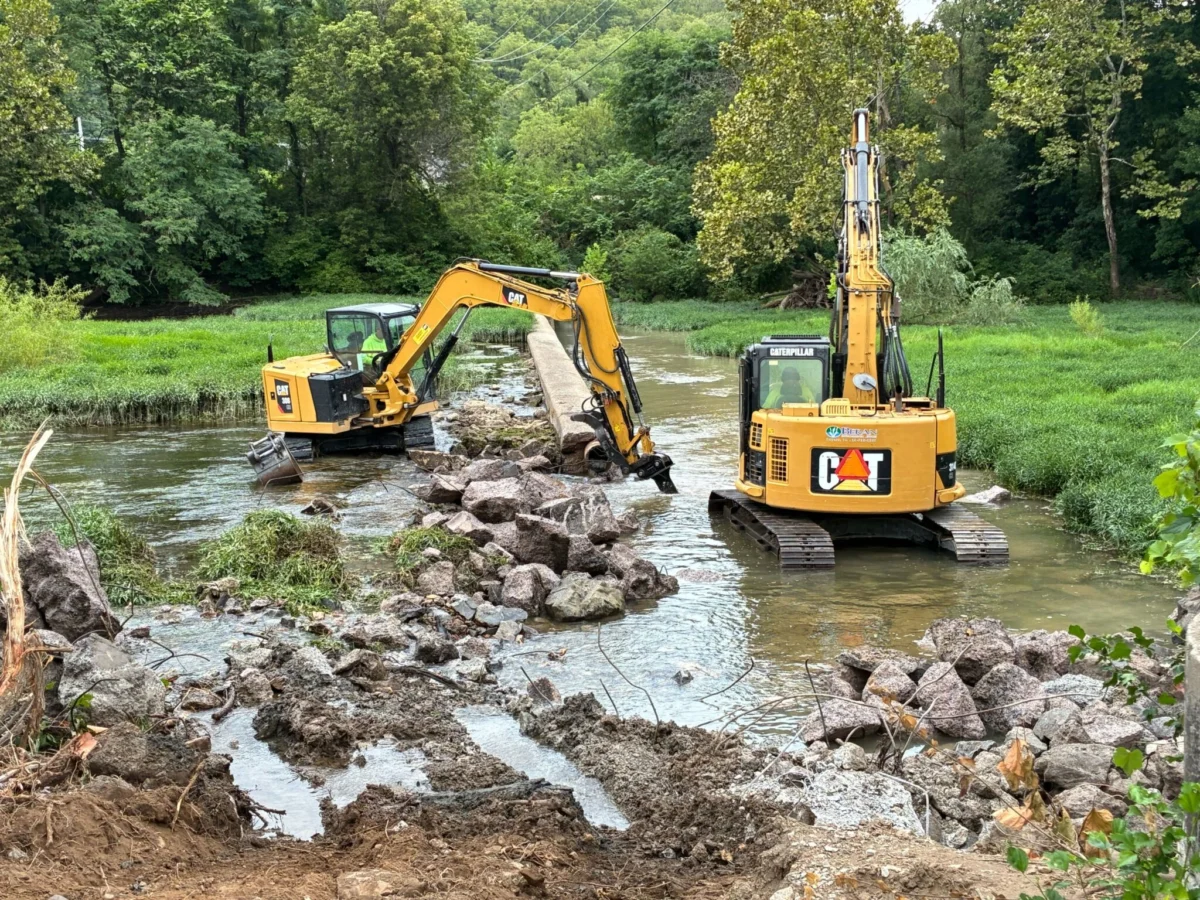
Sediment has choked the reservoir, leaving it only a few feet deep, while the concrete structure itself shows signs of advanced decay. Chunks of masonry are missing, exposing the core to the elements and further weakening its integrity. The dam’s owners, whose own residence sits directly in the potential inundation zone, have recognized the existential threat the structure poses. They are currently collaborating with environmental and safety partners to initiate a removal project, choosing to dismantle the hazard before nature does it for them.
The danger here is not isolated. Across the United States, thousands of similar structures—many of them privately owned and lacking the resources for structural rehabilitation—stand in various states of disrepair. This is an infrastructure crisis hidden in plain sight, where the intersection of aging concrete and intensifying weather patterns creates a high-stakes gamble for downstream communities.
A Chronology of Neglect
The timeline of America’s dam crisis is rooted in the industrial expansion of the 20th century. Between 1920 and 1960, thousands of dams were erected across the U.S. for irrigation, power, and recreation. During this era, hydraulic engineering was based on historical precipitation records that did not account for the climate volatility we experience today.
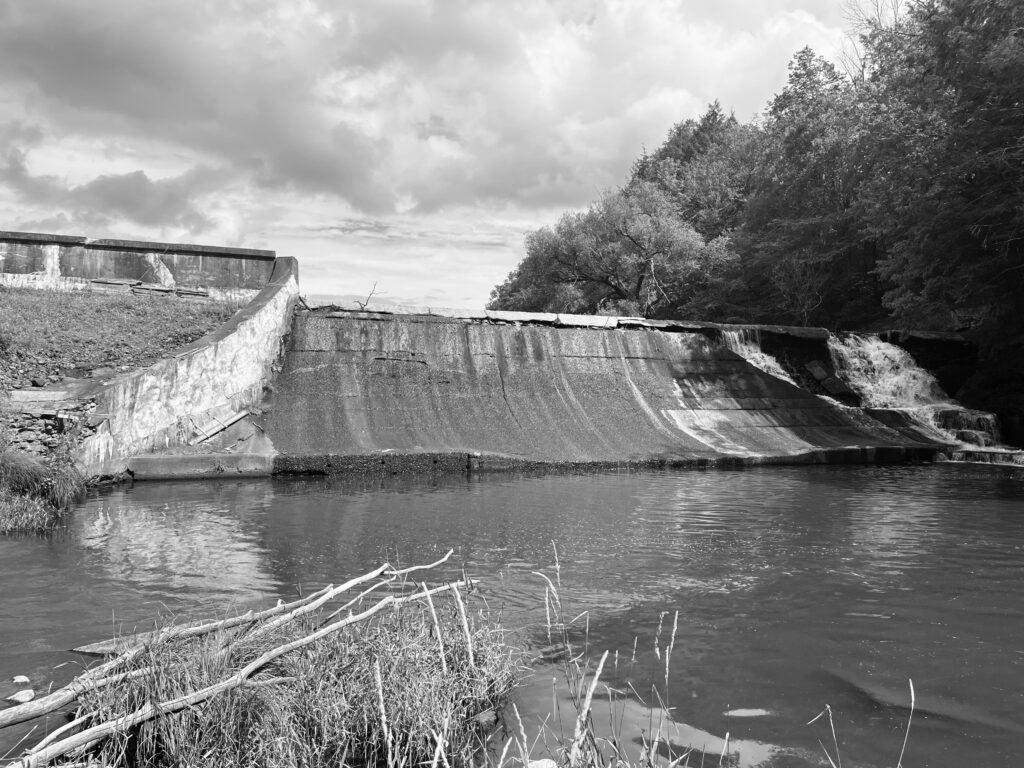
- 1926: Construction of the Lake Jefferson Dam spillway, designed for a different climate reality.
- 1980s: A brief period of repurposing for micro-hydropower, followed by a long, slow slide into abandonment and decay.
- Early 2000s: The beginning of a marked increase in emergency dam incidents, as aging materials began to reach their fatigue limit.
- 2024-2025: Current efforts to restore the Callicoon Creek, representing a growing national trend of decommissioning obsolete infrastructure.
Over the past two decades, the frequency of dam failures or emergency incidents reported to the Association of State Dam Safety Officials has skyrocketed, jumping from a manageable three per year to more than 70. This upward trajectory is not a statistical anomaly; it is the predictable result of decades of deferred maintenance.
Supporting Data: The Magnitude of Risk
The National Inventory of Dams (NID) catalogues a staggering number of structures, yet it fails to capture the full scope of the danger. Research from federal and private agencies indicates that while age is a factor, the primary catalyst for failure is the inability of outdated spillways to pass the massive water volumes associated with "extreme weather events."
The economic burden of these structures is also significant. Bringing a single dam up to modern safety standards can cost millions of dollars—a price tag that is often prohibitive for small municipalities or private owners. Consequently, many dams are simply left to rot.
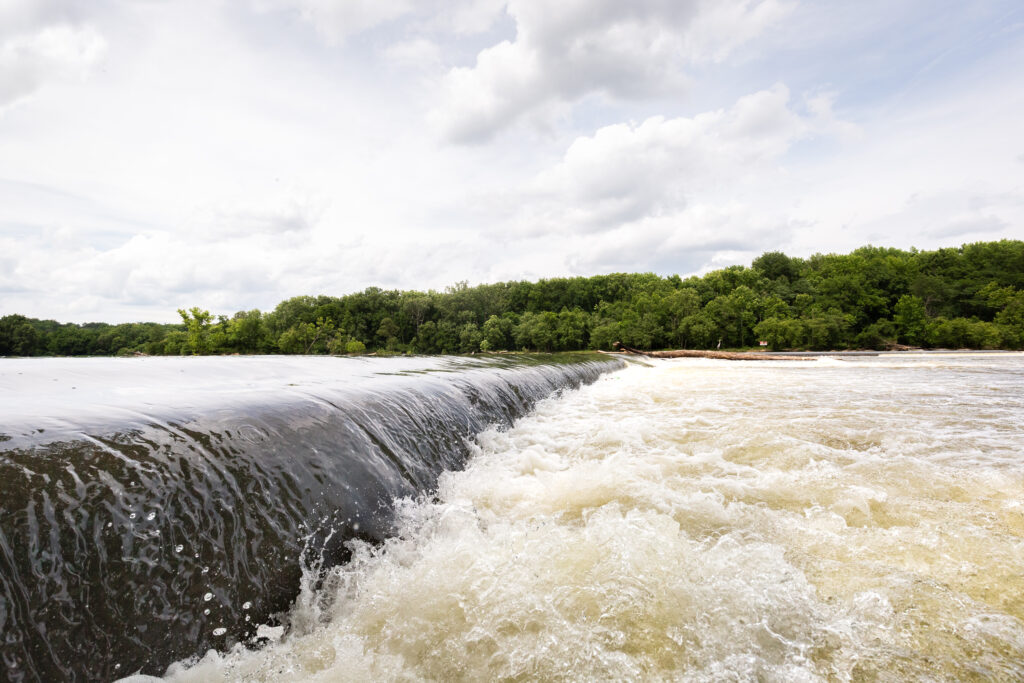
Furthermore, "low-head" dams—structures typically under 15 feet—present a unique, lethal risk. Known in the engineering community as "drowning machines," these dams create a recirculating hydraulic current at their base that can trap even the most experienced swimmers or rescue professionals. These structures have been linked to at least 780 confirmed fatalities in the United States. Unlike larger, high-hazard dams, many of these lethal barriers fall outside of state regulatory jurisdiction, leaving them as unregulated traps in the middle of public waterways.
Official Responses and Policy Gaps
State dam safety offices bear the heavy burden of regulating over 70 percent of the nation’s dams. However, these offices are frequently underfunded and understaffed. They are forced to operate in a state of permanent triage, prioritizing high-risk dams while leaving thousands of others effectively unchecked.
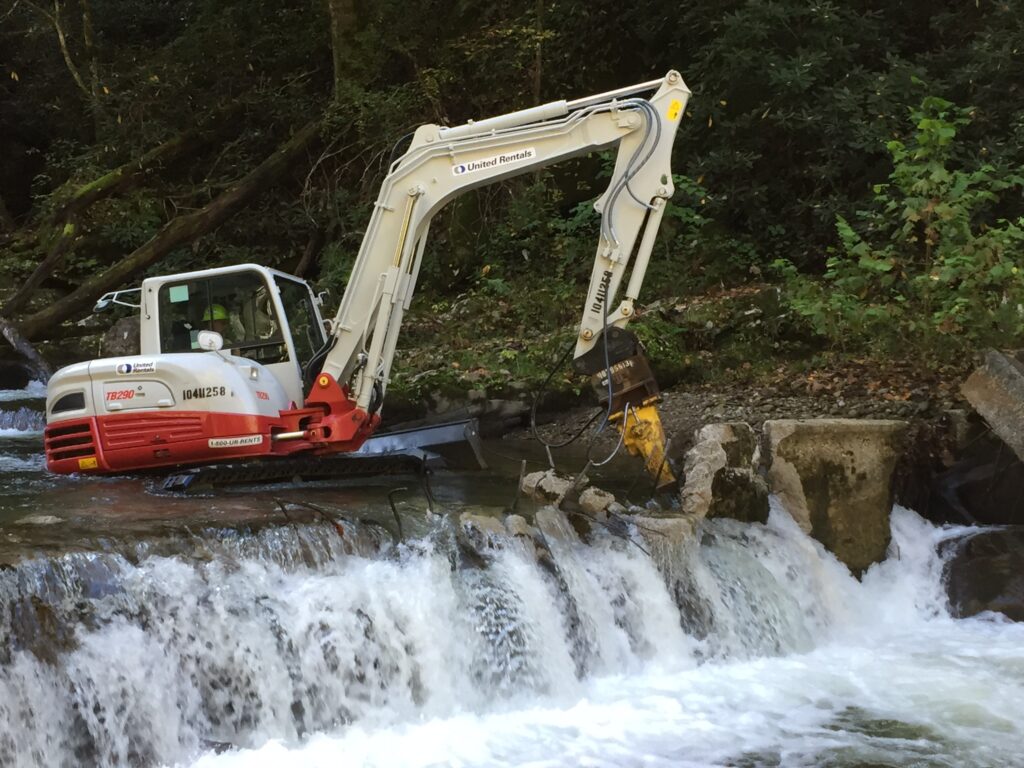
The policy response has been sluggish. While there is a growing consensus that we must "maintain ’em or drain ’em," legislative funding has failed to keep pace with the scale of the problem. Advocates are now pushing for a paradigm shift: moving away from the assumption that every dam is permanent.
"We need to prioritize public safety over the historical attachment to these structures," says one regional water engineer. "When the cost of repair exceeds the utility of the dam, the only logical, economic, and safe path is removal."
Federal and state agencies are beginning to provide more robust guidance on decommissioning. This shift is not just about safety; it is about ecological restoration. Research from Utah State University underscores that removing dams helps rivers regain their natural function, allowing them to better buffer against floods and droughts. By restoring the natural floodplain, communities are not just removing a risk; they are investing in climate resilience.
The Path Forward: Implications and Solutions
The implications of this crisis are clear: the status quo is a recipe for disaster. If we continue to allow thousands of dams to sit in a state of neglected decay, we are inviting a series of localized tragedies that will eventually accumulate into a national catastrophe.
1. Dedicated Funding for Removal
Congress must recognize that dam removal is as essential as bridge or road repair. Providing dedicated federal funding for the removal of obsolete, high-risk dams is a cost-effective way to reduce long-term liabilities and protect downstream populations.
2. Enhanced Regulatory Authority
State offices need the resources to monitor all dams, regardless of their original purpose. This includes addressing the "drowning machines" that currently operate without safety oversight or warning signage.
3. Community Engagement and Awareness
The public must be informed. May 31st, National Dam Safety Awareness Day, serves as a crucial reminder for citizens to audit the risks in their own backyards. Local residents should demand transparency regarding the structural integrity of dams near their homes and schools.
4. Embracing the Lifecycle of Infrastructure
We must normalize the concept that dams are not permanent. Like any piece of machinery, a dam has a service life. When that life ends, the structure must either be rebuilt or removed. By embracing this natural lifecycle, we can replace aging liabilities with healthy, free-flowing rivers that serve as natural defenses against the volatile weather of the 21st century.
Back in the Catskills, the plan to remove the Lake Jefferson Dam is more than just a local construction project. It is a proactive declaration of safety. As engineers finalize the plans to breach the concrete and restore the East Branch of Callicoon Creek, they are doing so with the knowledge that they are preventing a potential disaster.
The story of Lake Jefferson is the story of America’s rivers. We are at a crossroads where we can either wait for our infrastructure to fail, or we can take the necessary steps to dismantle the hazards of the past to build a safer, more resilient future. The water is rising; it is time we decide how to manage it.