By Justin Hayes | May 29, 2026
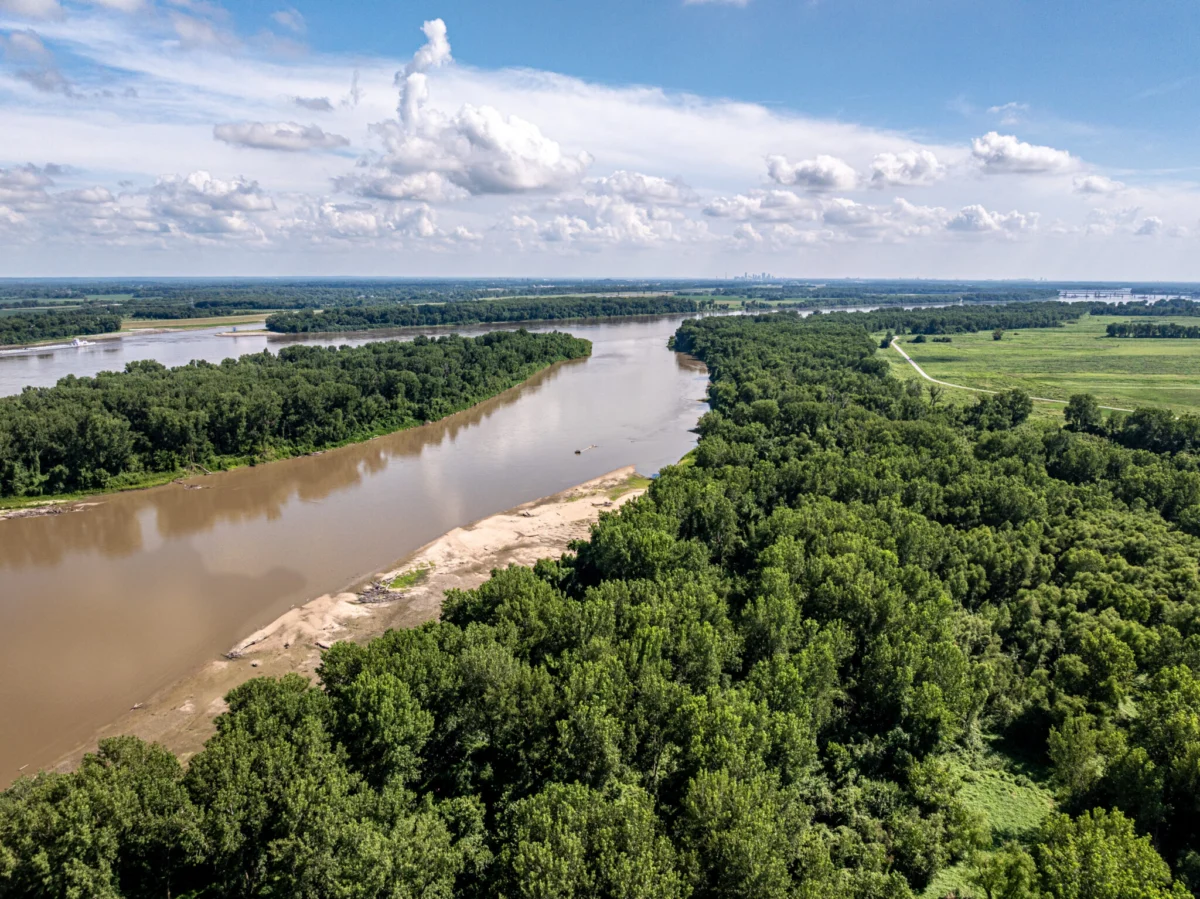
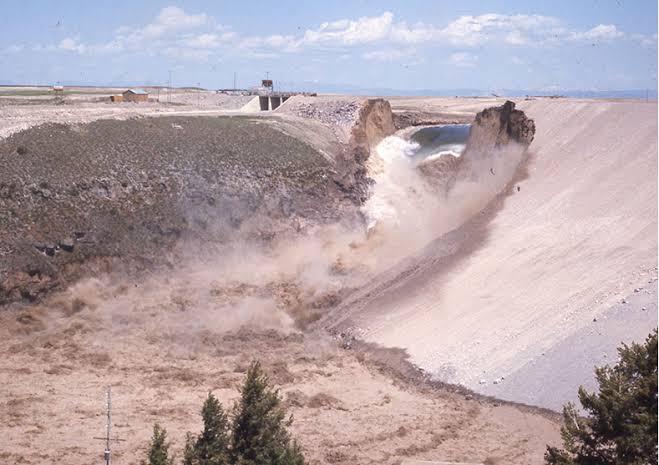
For the residents of eastern Idaho, the Teton River is more than just a waterway; it is a symbol of both profound tragedy and extraordinary rebirth. June 5, 1976, remains etched in the collective memory of the region, marking the day the Teton Dam suffered a catastrophic collapse during its initial filling. The resulting deluge devastated downstream communities, leaving a scar on the landscape and the local psyche that has taken half a century to heal.
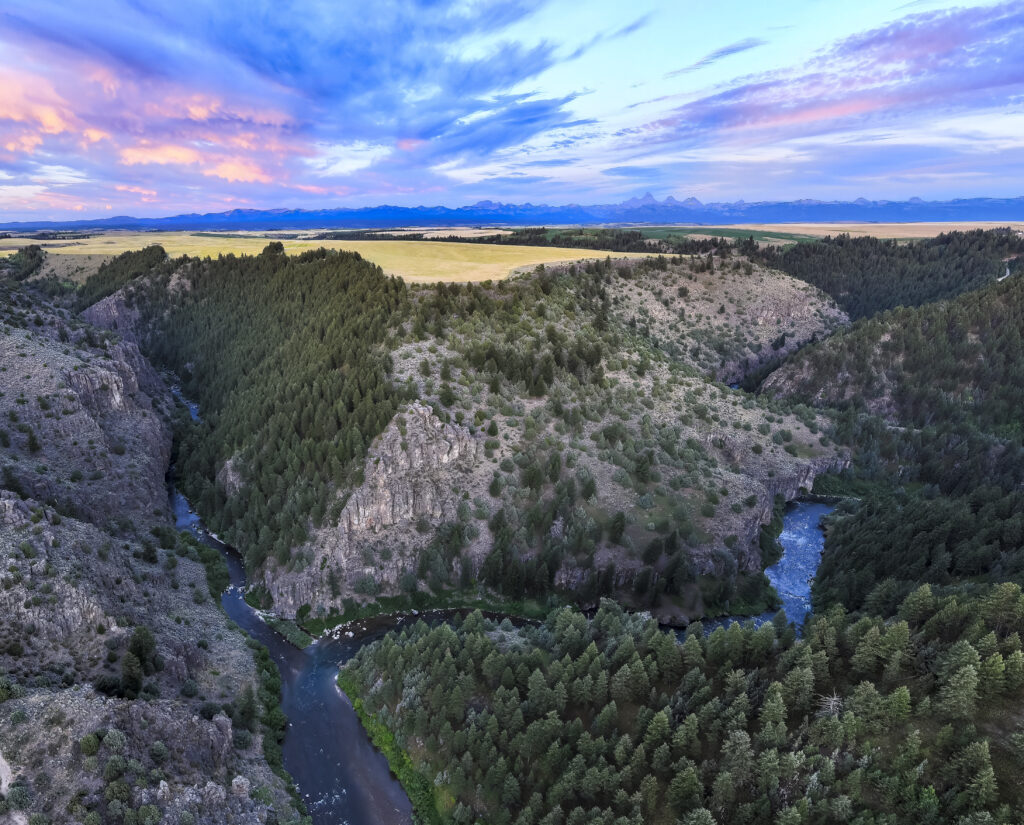
Yet, as the 50th anniversary of that disaster approaches, the story of the Teton has shifted from one of loss to one of remarkable recovery. Today, the river flows freely through the deep, jagged beauty of the Teton Canyon—a landscape that was nearly erased from existence. As proposals to rebuild the dam surface once again, the region stands at a critical juncture: will we continue to nurture the collaborative, innovative water management that has restored the river, or will we repeat the mistakes of the past?
The Anatomy of a Catastrophe: A Chronology of the Teton Dam
To understand the stakes of the current debate, one must look back at the era of massive federal infrastructure projects. In the mid-20th century, the Bureau of Reclamation embarked on an ambitious plan to tame the Teton River.
- 1971–1975: Construction begins on the Teton Dam. Designed as a massive earthen structure, the project was intended to provide irrigation water and flood control. Environmental concerns were raised, but construction proceeded rapidly.
- June 5, 1976: At approximately 11:30 a.m., the dam suffered a catastrophic failure. A massive breach in the embankment released millions of acre-feet of water, flooding the Teton Canyon and surging into the valley below. The event killed 11 people, displaced thousands, and caused roughly $2 billion in damages (in today’s currency).
- 1976–1980: The aftermath was marked by lawsuits, federal inquiries, and a total cessation of the project. The "second chance" for the river began not by design, but by the absence of the wall that was meant to hold it back.
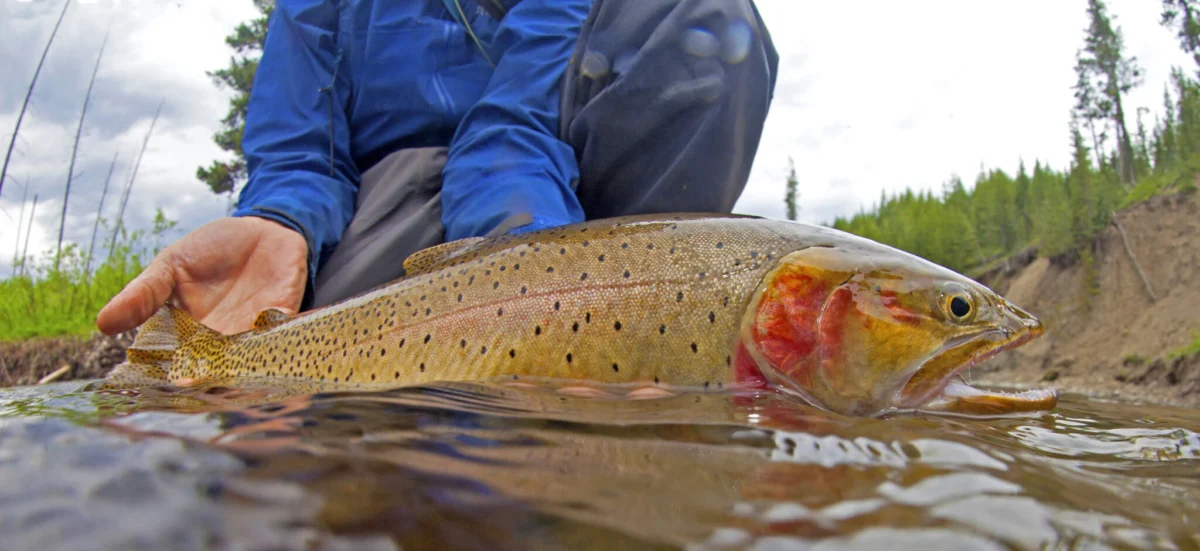
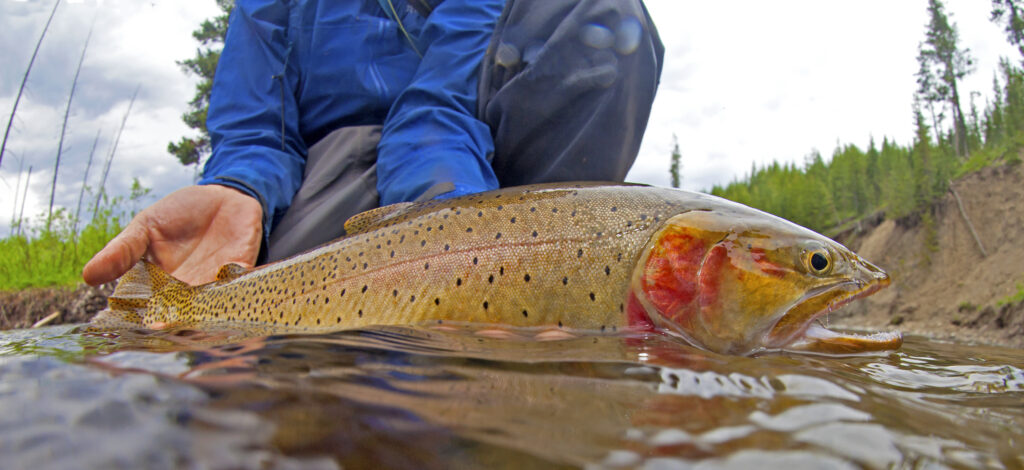
- 1990s–2020s: A quiet, slow-motion restoration occurred. Without the dam, the canyon ecosystem began to re-establish itself. Cold, clear water returned to the riverbed, and the native Yellowstone cutthroat trout—a species that had been pushed to the brink—began to reclaim its ancestral home.
Ecological Resilience: The Teton as an Economic Engine
The Teton Canyon is not merely a scenic backdrop; it is a vital ecological corridor. The river’s resurgence has turned it into a sanctuary for the Yellowstone cutthroat trout, a species that is as culturally significant to Idaho as it is ecologically important.
The health of the river is directly tied to the regional economy. Anglers, hunters, and families from across the United States flock to the Teton Valley, fueling a robust recreation economy that relies entirely on the river’s free-flowing, pristine condition. Unlike many other rivers in the Northern Rockies, the Teton remains free of a major dam and reservoir system. This unique status has allowed it to function as a "living laboratory" for river restoration, demonstrating that nature, when given the space, can heal itself with remarkable efficiency.
The New Paradigm: Collaboration Over Conflict
For decades, the standard narrative in the American West suggested that the needs of agriculture and the requirements of healthy rivers were fundamentally incompatible. The story of the Teton, however, has rewritten this script.
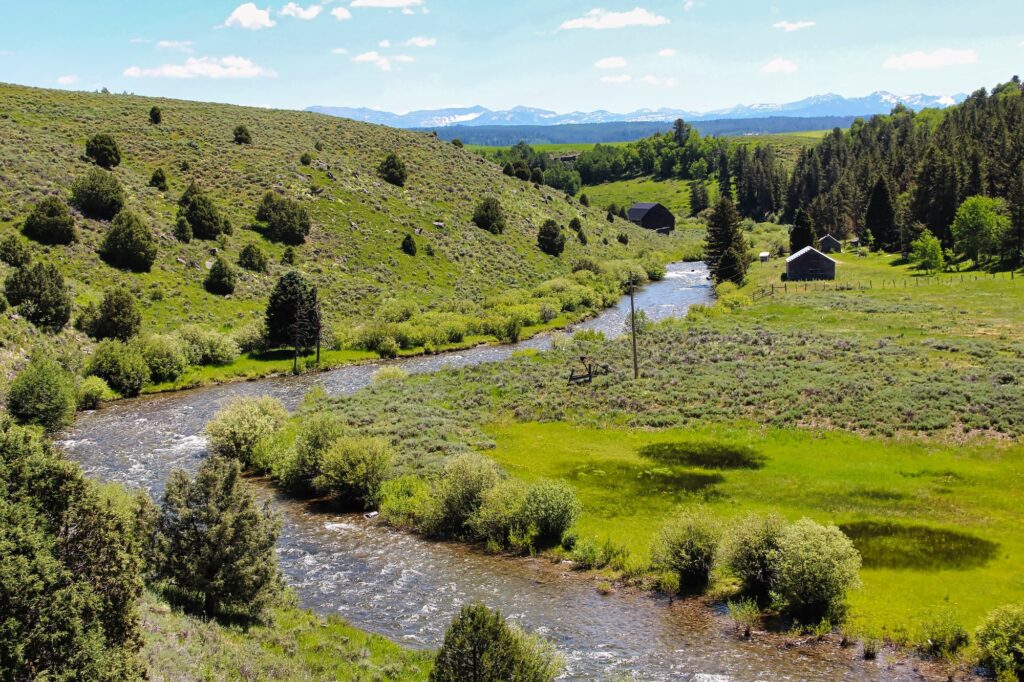
In the Teton Valley, a diverse coalition—including the Friends of the Teton River and the Idaho chapter of Trout Unlimited—has pioneered a collaborative approach to water management. By working directly with farmers and irrigators, these groups have implemented innovative, low-impact solutions that ensure agricultural water reliability while simultaneously protecting the river’s flow and habitat.
Scott Bosse, Director of American Rivers’ Northern Rockies Region, captures the significance of this shift in the short film Second Chance:
"What is happening in the Teton River Valley, where conservationists and farmers and irrigators are coming together with innovative solutions to meet each other’s needs without building big dams in a way that satisfies all of them, while not just protecting the river but restoring it. It’s a unique culture that’s been built, especially on the upper Teton, and I’d like to see it replicated all over the West."
This model proves that we do not have to choose between a thriving farm economy and a healthy, wild river. By investing in efficiency, modern infrastructure, and cooperative agreements, we can achieve water security without the devastating ecological footprint of a massive, permanent dam.
The Impending Threat: The Case Against Rebuilding
Despite the clear successes of the last fifty years, some interest groups are once again lobbying to reconstruct the Teton Dam. Proponents argue that a new reservoir would provide greater water security for an increasingly arid West. However, critics—and many local stakeholders—point out that this approach is a relic of 20th-century thinking that fails to account for modern realities.
The Implications of Re-Damming:
- Ecological Regression: Rebuilding the dam would submerge the Teton Canyon once more, effectively destroying the restoration progress that has occurred over the last half-century.
- Financial Risk: The costs of building a large-scale dam in the 21st century are astronomical, and the long-term maintenance costs for such infrastructure are often underestimated.
- The "Second Chance" Argument: The Teton River represents one of the few instances where a river was granted a literal second chance at life. To flood it again would be to permanently squander a rare opportunity for ecological continuity.
Looking Forward: A Call to Action
The lessons of the Teton are universal. In an era of climate uncertainty, where water scarcity is a growing concern, the knee-jerk reaction to build more concrete infrastructure is often the most expensive and least effective solution. Instead, the Teton serves as a beacon of what is possible when communities invest in science-based management and interpersonal partnership.
As we look toward the future, the goal should be to protect the Teton’s current state of free-flowing health. This means supporting the continued efforts of local organizations, encouraging sustainable agricultural practices, and resisting the urge to return to the failed ideologies of the past.
The river has proven that it is resilient. The community has proven that it is capable of innovation. The only question that remains is whether we have the collective wisdom to honor the lessons of the last fifty years.
"That river almost died in 1976," says Scott Bosse. "It’s had a resurrection. You don’t get many second chances in life, and you’ve got to seize them when you do."
The Teton River got its second chance. It is now up to the citizens of Idaho and the broader public to ensure that we do not squander it. For those interested in learning more, viewing the documentary Second Chance, or joining the fight to keep the Teton free-flowing, resources are available through the Fishcamp Collab for Conservation.
The future of the American West depends on our ability to value the water we have and the rivers that sustain us. Let us choose restoration over repetition, and collaboration over conflict. The Teton River is waiting to see what we decide.