In California’s Central Valley, a river can appear deceptively healthy while effectively starving. The San Joaquin River, a winding artery of life that cuts through the heart of the state’s agricultural and former floodplain country, has spent the better part of the last century fundamentally disconnected from the seasonal pulse that once sustained it. For juvenile salmon and steelhead, this detachment is more than a geographic inconvenience—it is an existential crisis. As experts look toward the recovery of these iconic ocean-going fish, the conversation has reached a scientific consensus: to save the salmon, we must reconnect the river to the land.
The Anatomy of a Starved River: A Chronology of Decline
To understand the current plight of the San Joaquin, one must examine the timeline of its transformation from a wild, meandering waterway into a managed, engineered channel.
Pre-1940: The Natural Pulse
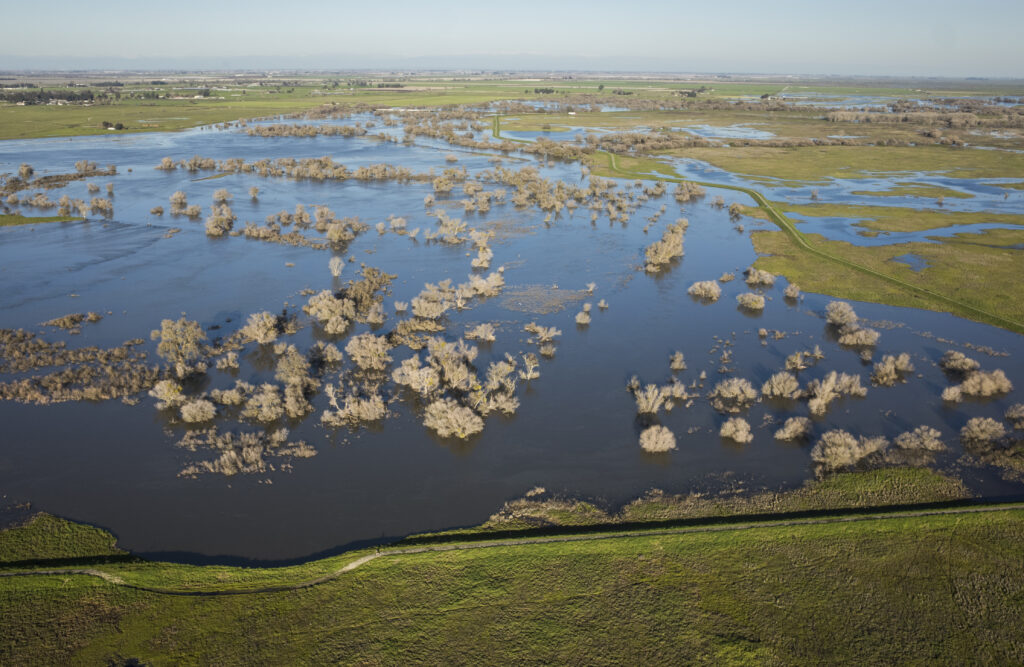
Before industrial-scale water management, the San Joaquin was a dynamic, seasonal system. Winter rains and spring snowmelt from the Sierra Nevada would breach the river’s banks, spreading nutrient-rich water across the vast valley floor. These floodplains were the nursery grounds for spring-run Chinook salmon and steelhead, providing a mosaic of shallow, warm, and food-rich environments.
1942: The Friant Dam Era
The modern, restricted San Joaquin was largely forged in 1942 with the completion of the Friant Dam, located upstream near Fresno. While the dam was a triumph of engineering designed to provide irrigation and flood control for a burgeoning agricultural empire, its ecological cost was catastrophic. By storing massive volumes of water for human use, the dam effectively severed the river’s connection to its lower reaches. Large sections of the upper San Joaquin ran dry, turning once-vibrant migration corridors into dusty, barren troughs.
The Mid-Century Stagnation
For decades following the dam’s construction, the river was pinned in place by a system of levees and concrete channels. This "locking" of the river prevented the natural seasonal flooding that fish relied upon for spawning and rearing. Consequently, spring-run Chinook salmon and steelhead effectively vanished from the mainstem of the river, marking a dark chapter for California’s biodiversity.
The Modern Restoration Mandate
In recent years, a shift has occurred. Recognizing the ecological void left by over-regulation, state and federal agencies, alongside conservation organizations like American Rivers, have begun the arduous process of "re-wilding" the river’s management. Today, the focus has shifted from mere water delivery to a more holistic approach that prioritizes floodplain reconnection as a cornerstone of salmon recovery.
Supporting Data: Why Floodplains are Biological Powerhouses
The science supporting floodplain restoration is robust and consistent. It suggests that the most critical habitat for a salmon is often not in the main river channel, but in the shallow, ephemeral landscapes that exist when the river touches its banks.
The Productivity Paradox
Why do floodplains foster such rapid growth? When water spreads out over the shallow valley floor, it warms significantly faster than the deep, shaded main channel. This solar penetration triggers a biological explosion: microbes, algae, zooplankton, and aquatic insects flourish in the warm, stagnant shallows. For a young salmon, this is the equivalent of a high-calorie, easily accessible banquet.
Survival Metrics
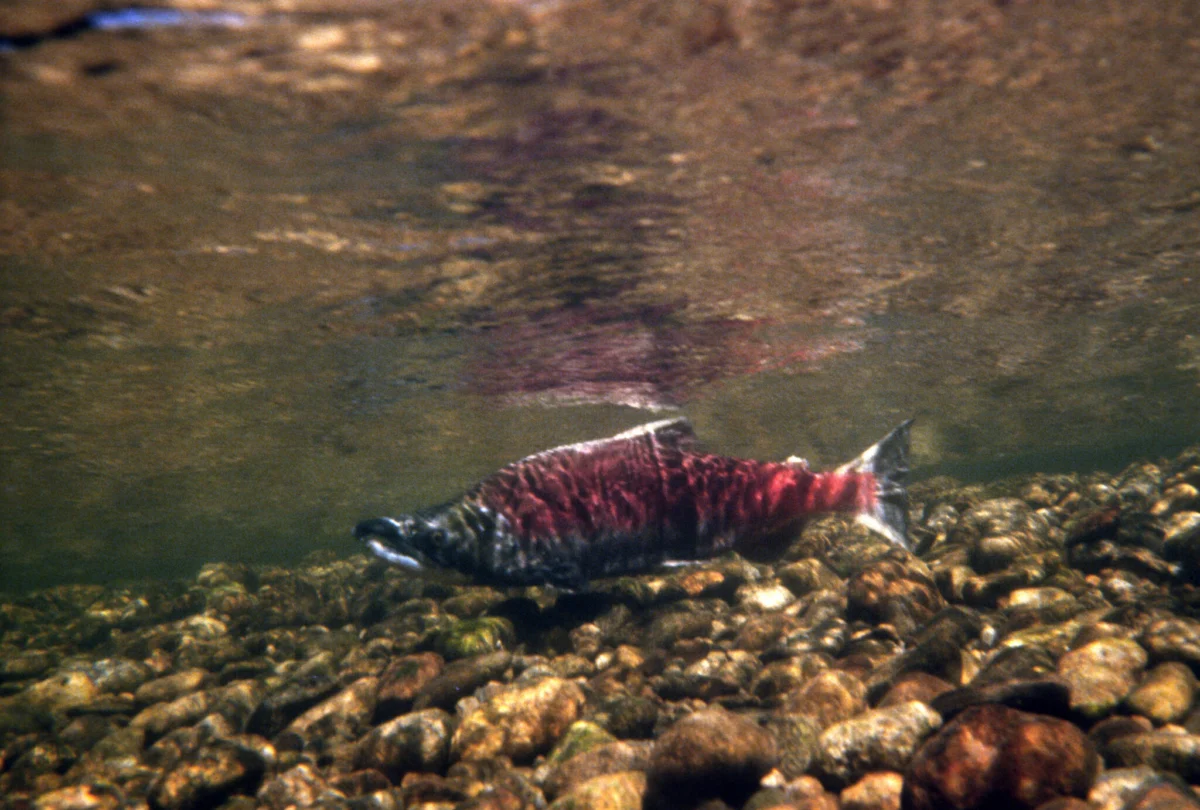
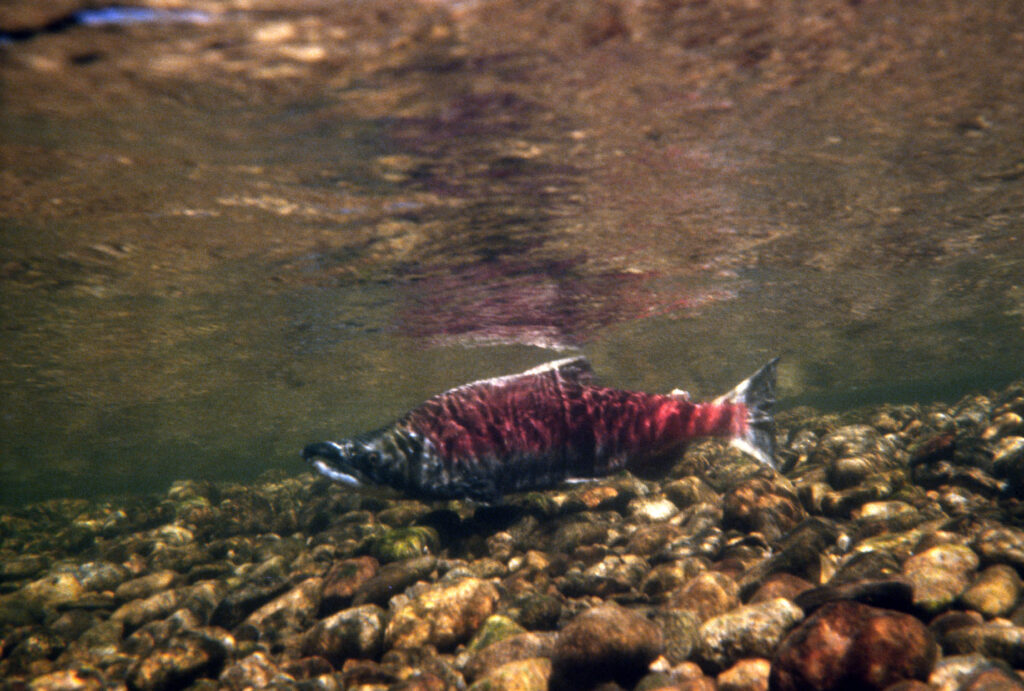
Decades of research in the Central Valley have established a direct correlation between floodplain access and juvenile survival. Studies show that juvenile Chinook salmon that find their way onto a floodplain grow at significantly higher rates than those confined to the main river channel. In some managed floodplain projects—including seasonally flooded agricultural fields—researchers have recorded the fastest juvenile growth rates ever documented in the region.
In the natural world, growth rate is a primary determinant of survival. A fish that reaches a larger size faster is less susceptible to predators and more capable of surviving the arduous migration to the Pacific Ocean. By limiting these fish to the mainstem, we have essentially been forcing them to develop in a food desert, drastically reducing their odds of survival before they ever reach the sea.
The Engineering of Restoration: Official Strategies
Restoring a river is not as simple as removing a dam or breaching a levee. It requires a sophisticated, multi-stakeholder approach to ensure that the river can "breathe" without compromising the flood protection of human infrastructure.
The "Managed Reconnection" Model
Organizations like American Rivers are spearheading projects that utilize "managed reconnection." This involves strategic levee setbacks and the development of flood-bypass systems that allow the river to overflow into designated areas during peak flows, then drain back into the channel as water levels recede.
At sites like the San Joaquin River National Wildlife Refuge, project scientists are actively monitoring how floodwater moves across restored habitats. They are analyzing how floodplain productivity—measured by the density of nutrients and insect populations—directly influences the biomass and growth of juvenile Chinook. This data is then used for "adaptive management," allowing agencies to fine-tune the timing and volume of water releases to maximize benefits for fish.
Improving Human Outcomes
Crucially, floodplain restoration is not just an environmental endeavor; it is a community necessity. By giving the river room to spread out, planners can lower the flood risk for downstream communities. When a river is forced into a narrow channel, the velocity and height of the water during storms pose a severe threat to infrastructure. By creating "room for the river," we reduce the pressure on levees, protecting both the environment and the local residents.
Implications: A Future for the San Joaquin
The restoration of the San Joaquin is a high-stakes experiment in balancing human development with ecological necessity. The implications of this work extend far beyond the recovery of a single species.
Restoring Biodiversity
While the Chinook salmon and steelhead are the primary "indicator species" for these projects, the benefits extend to a host of other wildlife. Native feeder fish, such as the Sacramento splittail, rely on the same shallow, seasonal habitats that the salmon utilize. By restoring these processes, we are effectively rebuilding the entire food web of the Central Valley.
The Path Forward for Anglers and Stakeholders
For the angling community, the restoration of the San Joaquin is a vital investment in the future of their sport. A healthy river system that supports sustainable salmon runs benefits the local economy, heritage, and the overall health of the California watershed.
However, the path forward is not without challenges. It requires continued political will, significant funding for infrastructure modifications, and a willingness to rethink how we manage the valley’s water. The San Joaquin has spent decades as a "starved" river, but through the integration of modern science and landscape-scale restoration, there is a path toward a more resilient, functioning system.
Ultimately, the lesson of the San Joaquin is that the river and its floodplains are not separate entities; they are one system. To heal the river, we must restore the land, and in doing so, we ensure that the cycles of nature can once again provide for both the fish and the people who call the Central Valley home. As restoration efforts continue, the dream of a river that is not only "alive" but truly thriving is becoming, for the first time in a century, a tangible reality.