By Alice Broderick | July 23, 2026
As the global community prepares to observe World Nature Conservation Day on July 28, the urgency of protecting our nation’s waterways has never been more pronounced. Rivers are the lifeblood of our ecosystems, providing essential drinking water, vital habitats for endangered species, and a sense of wonder for millions. Yet, in an era defined by rapid climate change, industrial pressure, and urbanization, the health of these corridors is increasingly fragile.
While the challenges facing our environment can often feel overwhelming, the path toward restoration begins with individual and collective action. American Rivers is spearheading a movement to ensure that our rivers remain resilient, free-flowing, and clean. This report outlines the critical state of our national waterways and provides a roadmap for citizens to engage in meaningful conservation efforts.
The State of Our Rivers: Main Facts and Context
Rivers are more than just geographical features; they are the arteries of the planet. They support agriculture, power generation, and urban infrastructure, all while serving as the primary refuge for biodiversity. However, current data suggests that the vast majority of our waterways are operating under significant stress.
The "Wild and Scenic Rivers Act," enacted in 1968, remains the gold standard for river protection in the United States. It preserves rivers with "outstandingly remarkable values"—scenic, recreational, geologic, fish and wildlife, historic, or cultural significance—in their free-flowing condition. Despite the success of this legislation, a staggering 80% of rivers across the nation still lack adequate protection, leaving them vulnerable to damming, pollution, and unsustainable development.
World Nature Conservation Day serves as a poignant reminder that conservation is not a passive activity. It requires a dedicated, ongoing commitment to policy advocacy, technological innovation, and individual behavioral change.
A Chronological Perspective: The Evolution of River Conservation
The history of river conservation in the United States is a testament to the shifting priorities of the American public.
- 1960s – The Awakening: Following the industrialization of the mid-20th century, the degradation of major rivers became impossible to ignore. The 1968 Wild and Scenic Rivers Act marked a turning point, prioritizing the preservation of pristine waterways over unchecked commercial exploitation.
- 1970s–1990s – Regulatory Expansion: The Clean Water Act provided the regulatory framework necessary to combat point-source pollution, leading to significant water quality improvements across the country.
- 2000s–2020s – The Climate Era: With the onset of climate change, the focus has shifted toward resilience. Droughts in the West and flooding in the East have forced policymakers to recognize that river health is inextricably linked to climate stability.
- 2026 and Beyond: We have entered a stage where scientific data allows us to visualize the health of every river in real-time. The integration of technology, such as the Protected Rivers Explorer, represents the current frontier in conservation.
Supporting Data: Understanding the Landscape
To understand why advocacy is critical, one must look at the data. American Rivers has utilized cutting-edge science to map the vulnerability of our nation’s rivers. The "Protected Rivers Explorer" tool is the first of its kind, offering a bird’s-eye view of river security.
Data indicates that:
- Urbanization Pressure: Rivers flowing through high-density urban areas show the highest levels of chemical runoff and physical degradation.
- Dam Impacts: Thousands of aging, defunct dams currently fragment ecosystems, preventing migratory fish from reaching spawning grounds and altering natural sediment flow.
- Conservation Gaps: While federally protected rivers are significantly cleaner, the "buffer zones" around these rivers are shrinking due to land-use changes.
- Community Impact: Over 30,000 individual actions were registered through the American Rivers Action Center in the last year alone, demonstrating a growing public appetite for environmental accountability.
These statistics are not just numbers; they represent the health of the communities that rely on these watersheds for their economic and physical well-being.
Official Responses and Strategic Priorities
The advocacy strategy for 2026 centers on five core pillars, designed to move from awareness to tangible impact.
1. Legislative Advocacy: The Wild and Scenic Petition
Legislative protection is the most permanent form of conservation. By petitioning members of Congress, citizens can ensure that specific river segments are shielded from future damming and destructive development. This is not merely about preserving beauty; it is about securing the biological integrity of our watersheds for the next century.
2. Digital Engagement: The Protected Rivers Explorer
The deployment of the Protected Rivers Explorer tool is a response to the "information deficit" in conservation. By empowering citizens to see the state of their local rivers, American Rivers is democratizing access to environmental data. When a community can see the exact threat levels of their nearby river, they are more likely to participate in local zoning and protection efforts.
3. The Action Center: A Conduit for Change
Advocacy requires a direct line to decision-makers. The Action Center functions as a digital lobby for the environment, allowing citizens to send personalized messages to representatives. This direct interaction ensures that environmental issues remain a priority on the legislative agenda, rather than being sidelined by other political priorities.
4. Household Conservation: The "Top 10" Initiative
Systemic change is supported by individual habit. Reducing domestic water consumption—through fixing leaks, installing low-flow fixtures, and mindful usage—directly reduces the demand on local municipal supplies. This, in turn, leaves more water in the river for the ecosystem, ensuring that nature receives its fair share of the hydrological cycle.
5. Membership: Sustaining the Movement
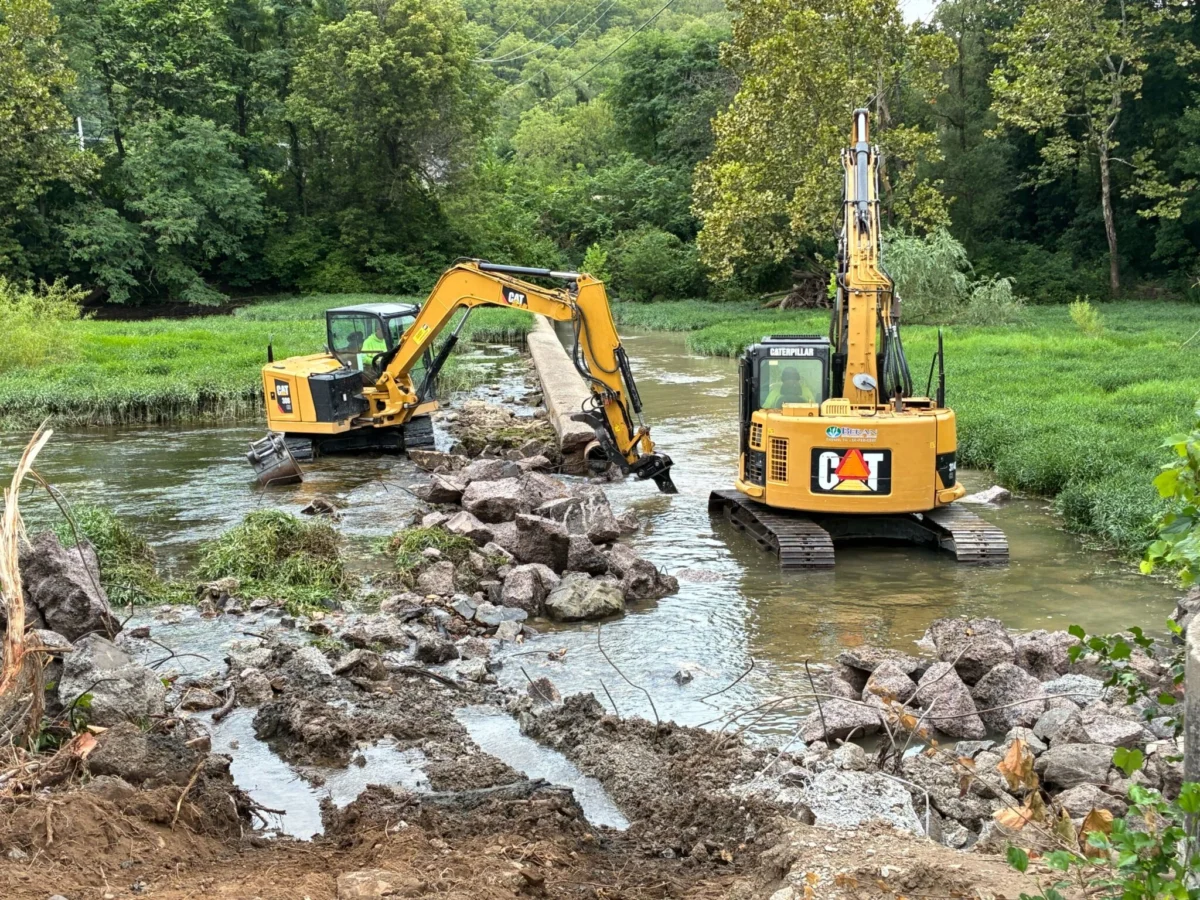
Conservation requires funding for legal defense, scientific research, and lobbying efforts. Becoming a member of American Rivers provides the financial backbone necessary to challenge industrial interests and support restoration projects, such as dam removals and floodplain reconnection.
The Implications: Why It Matters Now
The implications of failing to protect our rivers are severe. A river in decline creates a domino effect: loss of habitat leads to species extinction, loss of clean water raises the cost of living, and the degradation of natural areas reduces the recreational and mental health benefits that society enjoys.
Conversely, the success of these initiatives promises a more sustainable future. Healthy rivers act as natural buffers against the worst effects of climate change. They store carbon in healthy riparian zones, filter pollutants through natural processes, and provide the cooling effects necessary to mitigate urban heat islands.
A Shared Responsibility
Healthy rivers are for everyone, not just a privileged few. The movement to protect our waterways is fundamentally an issue of equity. Everyone deserves access to clean, swimmable, and drinkable water. The current effort to engage the public is built on the belief that a well-informed citizenry is the most powerful tool in the conservation arsenal.
As we approach World Nature Conservation Day, it is essential to remember that one small action—signing a petition, checking for a leak, or sharing an article—adds up over time. When thousands of individuals take these steps in unison, they create a cultural shift that is impossible for policymakers to ignore.
Conclusion: The Road Ahead
We are currently at a crossroads. We can continue to treat our rivers as infinite resources, or we can recognize them as finite, fragile systems that require our protection. The tools are available, the science is clear, and the path is defined.
This July 28, take a moment to engage with these resources. Visit the American Rivers Action Center, explore the state of your local watershed, and commit to one action that contributes to the health of our nation’s rivers. In doing so, you are not just helping a local stream; you are contributing to a national legacy of stewardship that will safeguard the lifeblood of our country for generations to come.
Together, we can ensure that our rivers remain the vibrant, flowing, and life-sustaining arteries they were always meant to be. The time for action is not tomorrow—it is now.