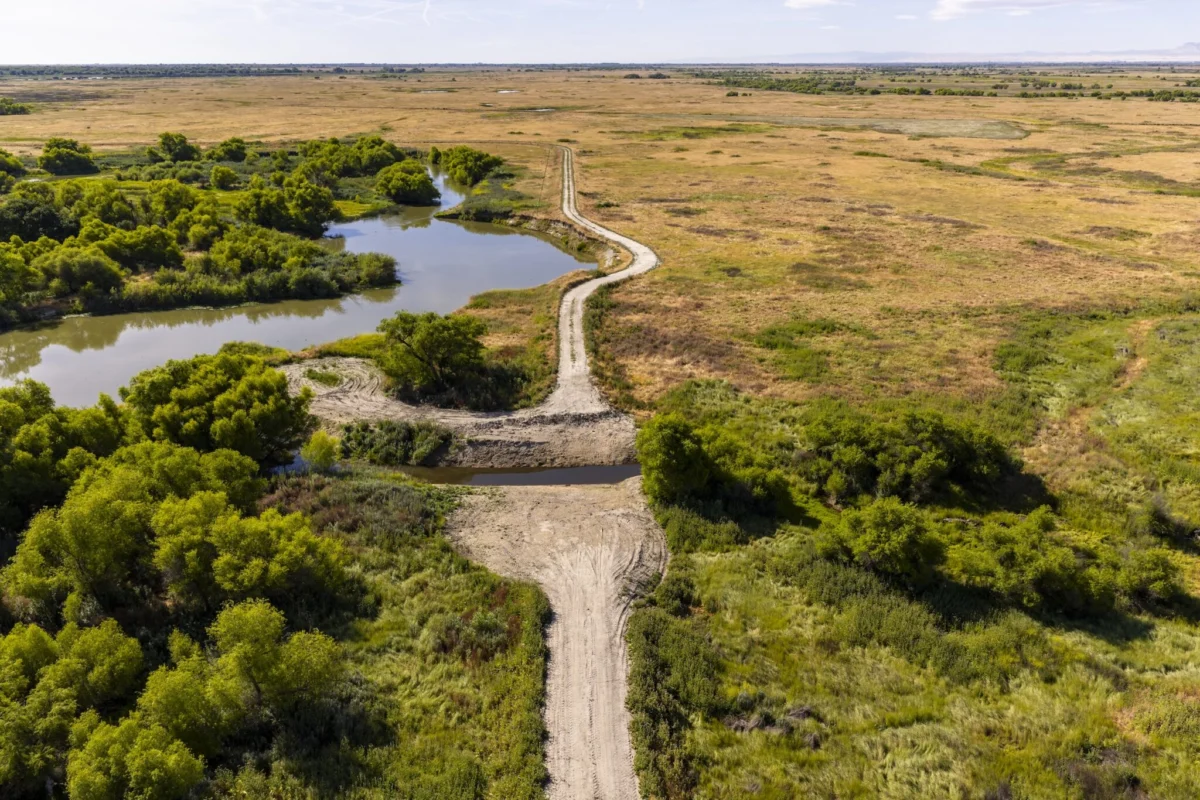
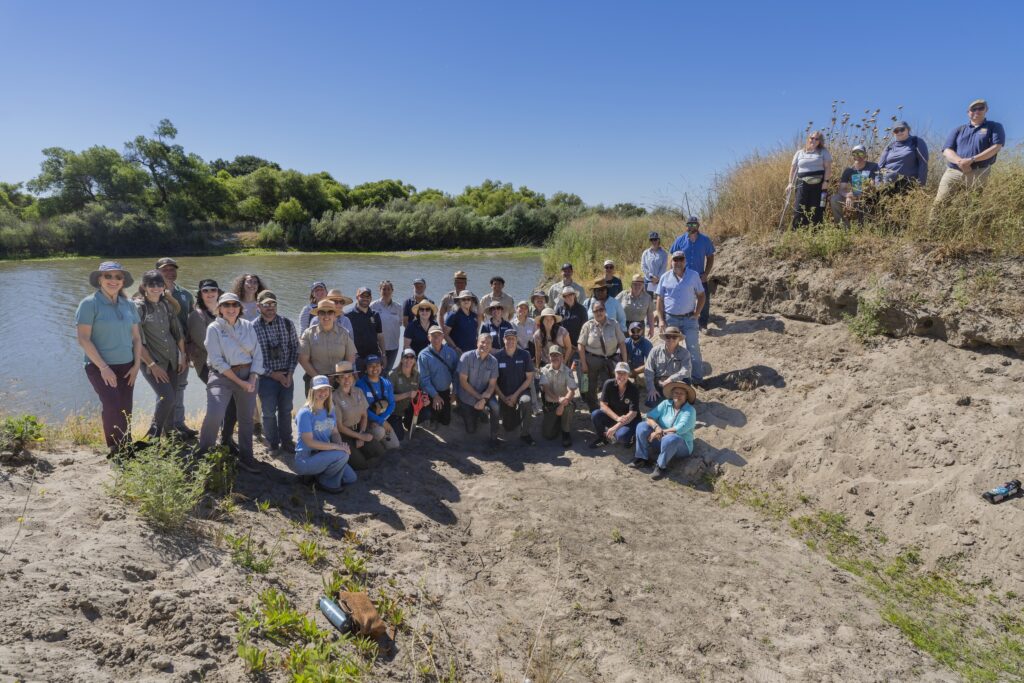
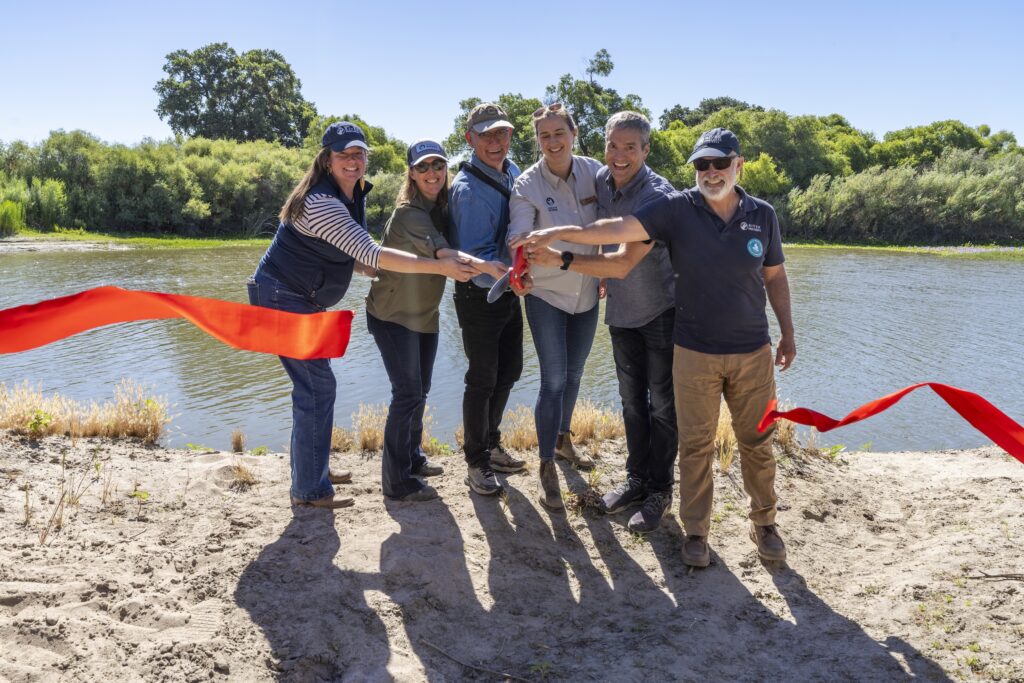
On the morning of June 11, 2026, the early light over Merced County illuminated more than just the horizon; it shone upon a landscape undergoing a profound metamorphosis. Amidst the swaying native grasses of the Great Valley Grasslands State Park, a diverse assembly of Tribal leaders, state officials, environmental scientists, and community advocates gathered to mark a monumental victory for California’s ecology. After fifteen years of planning, permit navigating, and sheer persistence, the San Joaquin River was officially reconnected to 220 acres of its historic floodplain.
This project, finalized in February 2026, stands as a crowning achievement in California’s environmental restoration efforts. It represents a pivot from the industrialized, disconnected landscapes of the 20th century toward a vision of ecological resilience, climate adaptation, and community stewardship.
The Genesis of a Vision: A 15-Year Relay
The history of this project is a testament to the adage that true restoration is a relay, not a sprint. The effort, spearheaded by American Rivers in deep collaboration with California State Parks, River Partners, and Flow West, required navigating the complexities of state bureaucracy, hydrological engineering, and environmental permitting.
The project’s origins date back to the early 2010s, but the land itself has a history rooted in the philanthropy of Joseph Gallo. In 1982, the dairy magnate donated over 2,800 acres of prime grasslands to the state with the intent of wildlife preservation. However, for decades, the land remained "park-poor" and inaccessible, bisected by a network of 1950s-era levees—not designed for flood control, but for managing dairy cattle. These structures effectively severed the river from the land, stifling natural cycles and inviting invasive flora to dominate the ecosystem.
The restoration process was anything but linear. Construction was frequently halted by the very forces the project sought to honor: the river’s natural power. Seasonal flooding, combined with rigorous environmental permitting requirements, meant that for years, the project existed primarily on blueprints and in the dedicated minds of long-term state staff and engineers. The June 11 ribbon-cutting was, for many, the emotional conclusion to a career-defining endeavor.
The Technical Triumph: Engineering a Natural Return
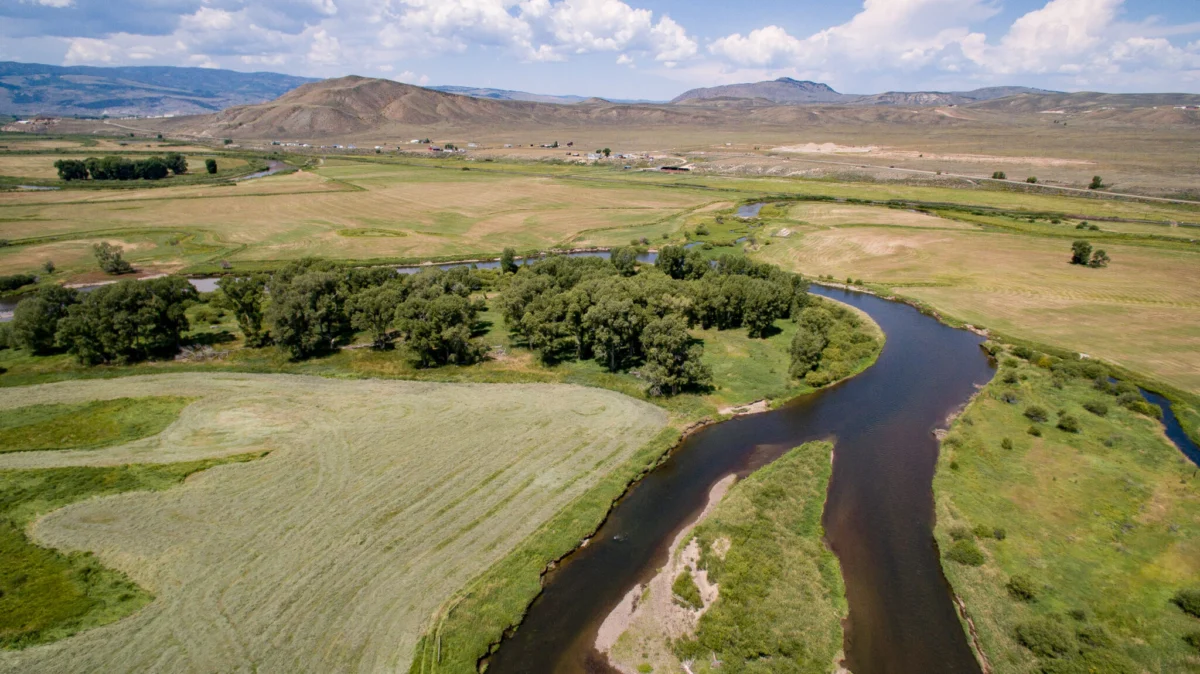
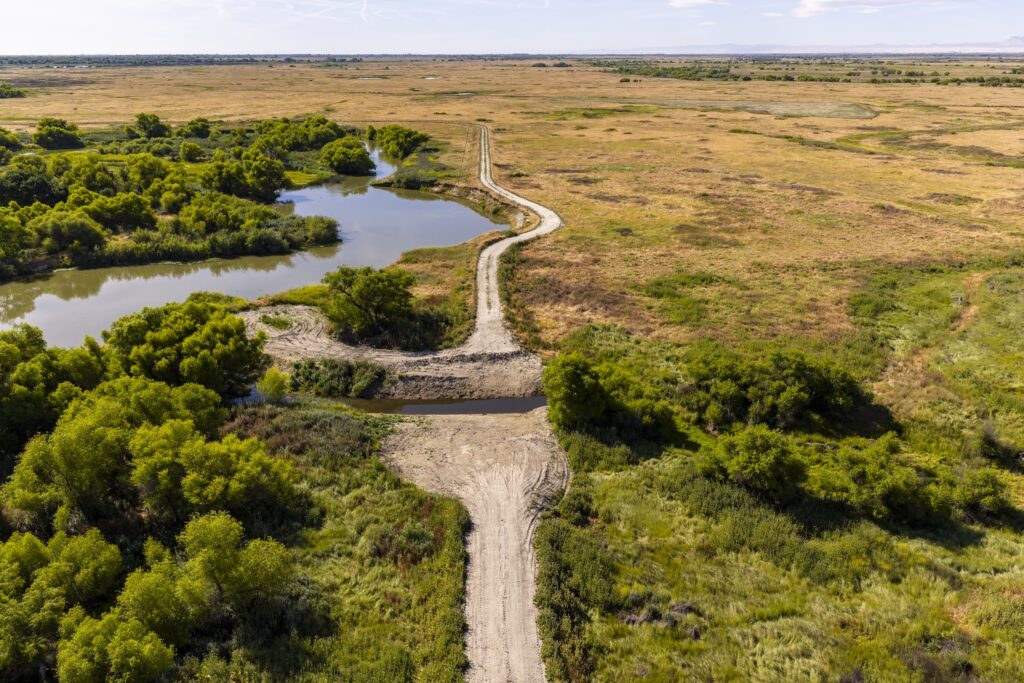
The core of the Grasslands Floodplain Restoration Project involved the surgical removal and "notching" of decommissioned levees. By strategically breaching these obsolete barriers, engineers allowed the San Joaquin River to breach its banks during high-flow events, spilling onto the floodplain as it had for thousands of years prior to the 20th-century development boom.
This is not merely a cosmetic change; it is a fundamental hydraulic recalibration. When the river accesses its floodplain, it slows down. This reduction in velocity allows sediment to settle, water to filter through the soil, and vital nutrients to be deposited across the landscape. The project is designed to suppress invasive plant species that thrive in dry, disturbed soil, instead fostering the growth of native grasses and wetland vegetation that are better adapted to intermittent flooding.
Implications for Biodiversity and Climate Resilience
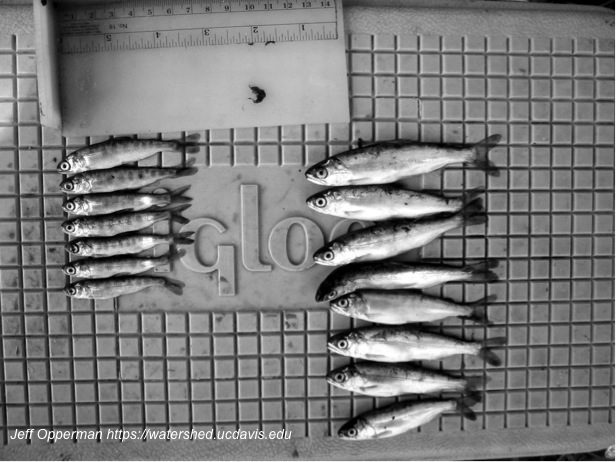
The ecological stakes of this project are high. The San Joaquin River has long been a battleground for endangered species, most notably the Chinook salmon. By restoring 220 acres of floodplain, the project provides essential "nursery" habitat for juvenile salmon.
Floodplains serve as natural cafeterias for these fish. As the river overflows, it creates slow-moving, food-rich zones where microscopic zooplankton thrive. These organisms are the primary caloric fuel for juvenile salmon, providing them with the energy needed to survive their arduous journey to the Pacific Ocean. Furthermore, the creation of vernal pools—temporary, shallow wetlands—will support a host of aquatic amphibians, invertebrates, and reptiles that rely on these ephemeral habitats to complete their life cycles.
Beyond the aquatic benefits, the project addresses one of the most pressing concerns in the Central Valley: groundwater depletion. By allowing water to sit on the landscape rather than rushing downstream in constrained channels, the project encourages significant groundwater recharge. In a region where decades of intensive agricultural pumping have lowered the water table, this restorative action is a critical step toward long-term water security for the surrounding communities.
Official Perspectives and the Power of Partnership
The celebration featured a distinguished roster of speakers, reflecting the broad coalition that brought the project to fruition. California Natural Resources Secretary Wade Crowfoot underscored the importance of such projects in the context of the state’s "30×30" initiative—a commitment to protect 30% of California’s lands and coastal waters by 2030.
"Restoration is about healing our relationship with the land," noted Dr. Ann Willis, California Regional Director for American Rivers. She emphasized that the project was not just about dirt and water, but about the social contract between generations. "We are passing the baton," she remarked to the crowd. "We have restored the physical connection, but the next generation must steward the health of this river."
The collaboration also included significant private-sector support. Cox Enterprises, which sent a team from Atlanta to witness the ribbon-cutting, has played a pivotal role in funding and advocacy. Their investment reflects a growing trend of corporate interest in "nature-based solutions" to the water crisis, recognizing that private enterprise in the Central Valley cannot thrive without a functioning, resilient water cycle.
A Future-Forward Strategy for Central Valley Parks
The Great Valley Grasslands project is a microcosm of a much larger shift in how California views its inland landscapes. For too long, the Central Valley has been overlooked in the state’s outdoor recreation strategy, which has historically prioritized the coast and the Sierra Nevada.
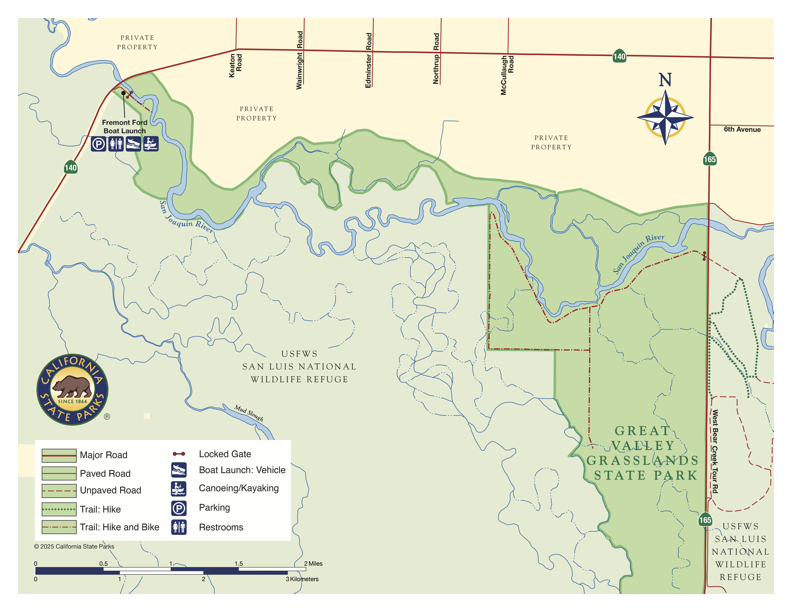
The California Department of Parks and Recreation is now actively developing a General Plan to open the Great Valley Grasslands to the public. The vision includes trails, educational facilities, and safe, managed access to the riverbanks—transforming the park from a restricted site into a living laboratory and recreational hub for local residents.
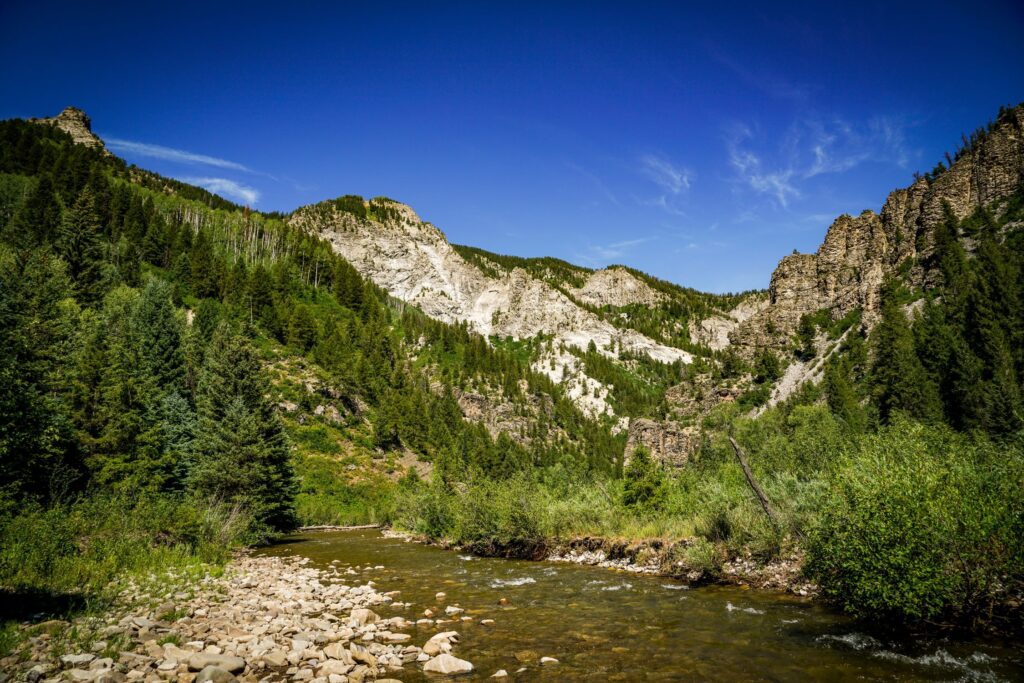
This effort is part of a wider initiative announced by Governor Gavin Newsom, dubbed "State Parks Forward." This policy push aims to rectify the historical imbalance in park access by establishing new sites, such as the 874-acre San Joaquin River Parkway in Fresno. By integrating these massive, restored floodplains into the public consciousness, the state hopes to build a constituency that values river health as much as it values public access.
Monitoring the Pulse of the River
The work does not end with the ribbon-cutting. To ensure the restoration’s long-term success, a rigorous monitoring program is already underway. Scientists are tracking a range of indicators, from water temperature and quality to the colonization of native vegetation.
Crucially, the team is analyzing zooplankton densities on the floodplain to quantify the "fish-growth" potential of the site. This data will be instrumental in informing future projects. The lessons learned at Great Valley Grasslands—regarding levee removal techniques, permitting hurdles, and community engagement—are being exported to other restoration efforts currently planned for over 1,000 acres of land to the north.
Conclusion: A Living Legacy
As the ceremony concluded and the guests walked along the river’s edge to the site of the breach, there was a palpable sense of historical correction. For 75 years, the river had been denied its natural path. On this June day, that separation ended.
The Great Valley Grasslands restoration is more than a win for salmon or groundwater; it is a symbol of a maturing environmental movement in the American West. It acknowledges that the damages of the past—the channelization of rivers and the enclosure of landscapes—are not irreversible. With enough time, collaboration, and commitment, the river can indeed be brought home. As the water begins to flow into the grasslands, it carries with it the promise of a revitalized valley, one where humans and wildlife can once again share the bounty of a healthy, functioning, and free-flowing river system.