For over half a century, the Endangered Species Act (ESA) has served as the bedrock of American conservation policy. Since its inception in 1973, it has acted as a legal bulwark against the irreversible tide of extinction, preventing the loss of iconic species like the bald eagle and the peregrine falcon. However, a recent administrative pivot—stripping the definition of "harm" of its explicit habitat protection component—has sent shockwaves through the scientific and environmental communities. By decoupling the survival of a species from the integrity of its ecosystem, critics argue that the government is essentially dismantling the very machinery that makes recovery possible.
The Foundation: Why Habitat is Everything
At the heart of the ESA’s efficacy has been its holistic approach. For decades, federal agencies and the judiciary have recognized a fundamental ecological truth: you cannot save a species if you destroy the house it lives in. The legal definition of "harm," which encompasses "significant habitat modification or degradation," has long been the primary tool used to prevent industrial encroachment, pollution, and large-scale infrastructure projects from rendering a landscape uninhabitable for at-risk wildlife.
By removing "habitat" from the regulatory definition of harm, the current administration has created a loophole that favors short-term extractive industries over long-term ecological stability. This policy change does not merely shift a definition; it effectively gives a green light to activities that degrade, fragment, and destroy the essential environments that act as lifelines for thousands of species.
Chronology: A Half-Century of Protection Undone
To understand the gravity of this shift, one must look at the historical trajectory of the ESA:
- 1973: The Endangered Species Act is signed into law with overwhelming bipartisan support, establishing that the preservation of ecosystems is vital to the nation’s natural heritage.
- 1970s–1990s: The Fish and Wildlife Service (FWS) reinforces the "harm" definition to include habitat destruction. This interpretation is frequently challenged by land-use interests but is consistently upheld by the courts, including the Supreme Court, which acknowledged the scientific consensus that species cannot exist in a vacuum.
- 2000s–2020s: Conservationists celebrate success stories like the recovery of the Roanoke logperch, achieved through the strategic removal of obsolete dams and the restoration of river corridors.
- 2026 (Recent Month): The current administration formally updates its regulatory guidance, narrowing the definition of "harm" to exclude habitat degradation. This move marks the most significant administrative rollback of the ESA in its history.
Supporting Data: The Freshwater Extinction Crisis
The impact of this policy shift is expected to be most severe in freshwater ecosystems. While terrestrial and oceanic species are undoubtedly at risk, freshwater biodiversity is currently experiencing an unprecedented collapse. According to data from the World Wildlife Fund (WWF) and other global monitoring agencies, freshwater species are going extinct at a rate significantly higher than their land-based counterparts.
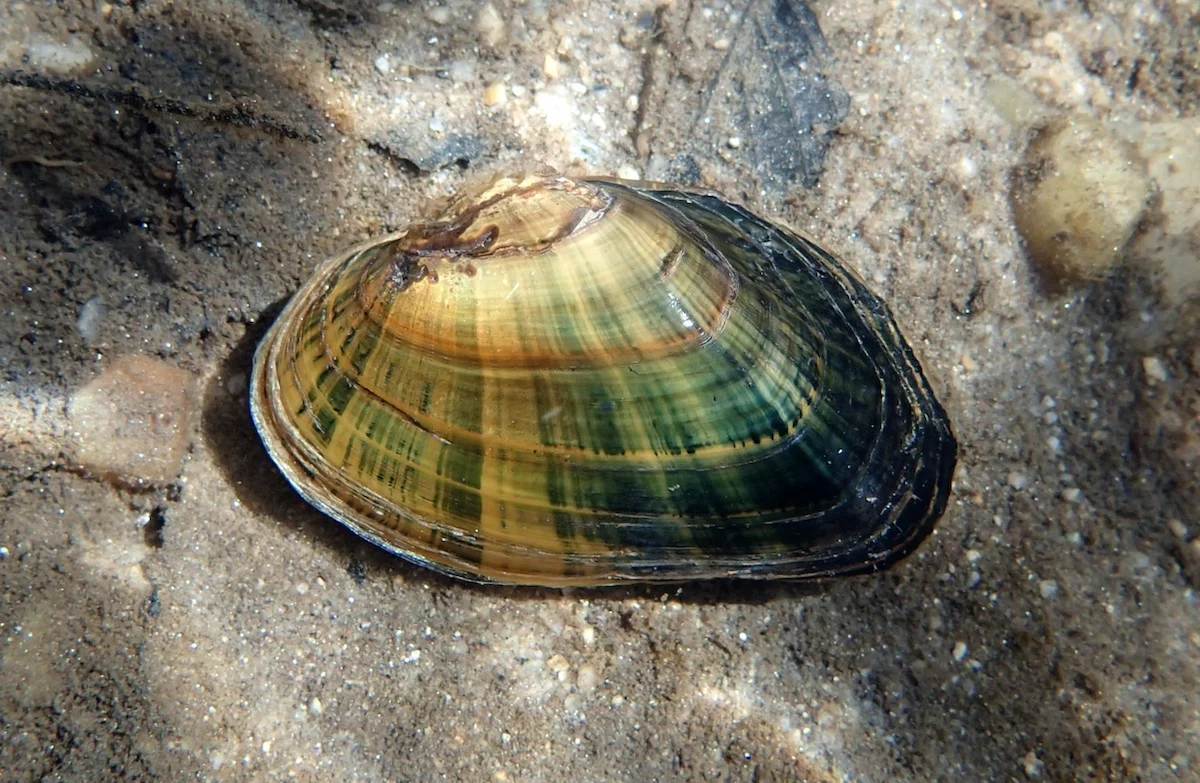
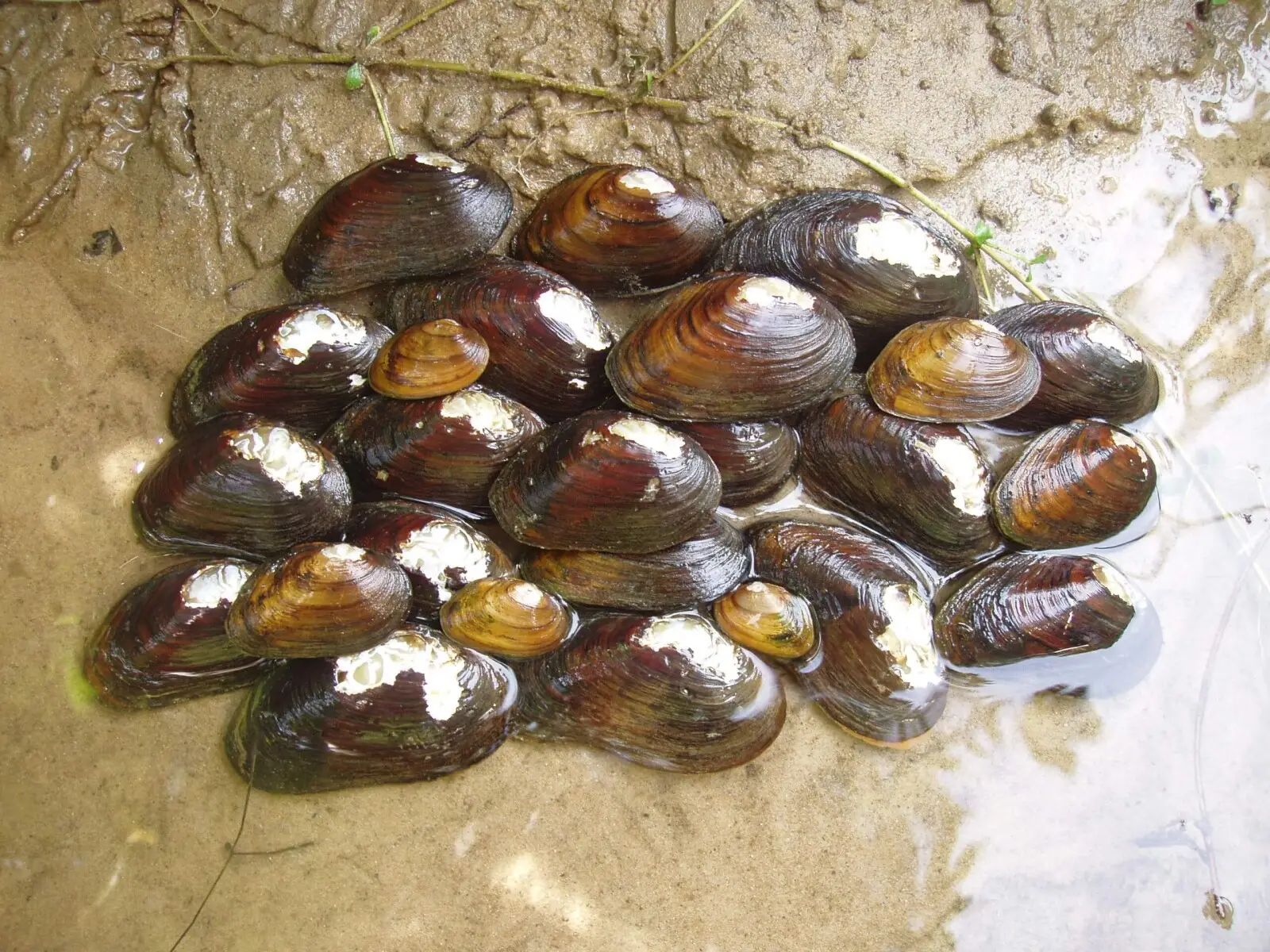
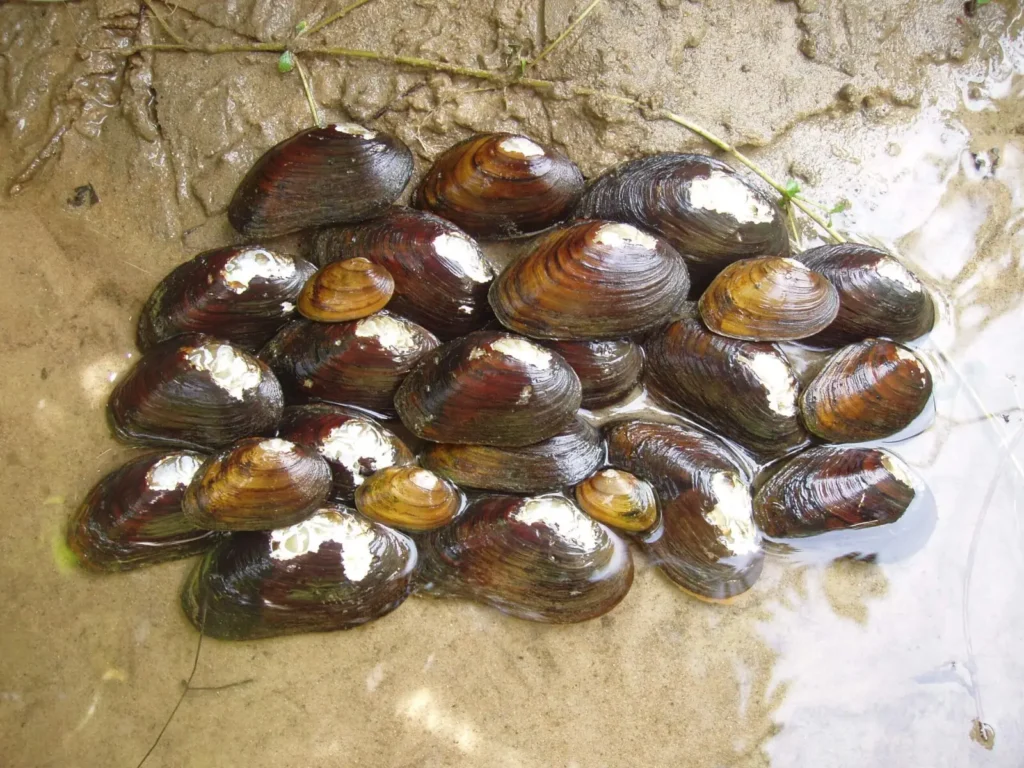
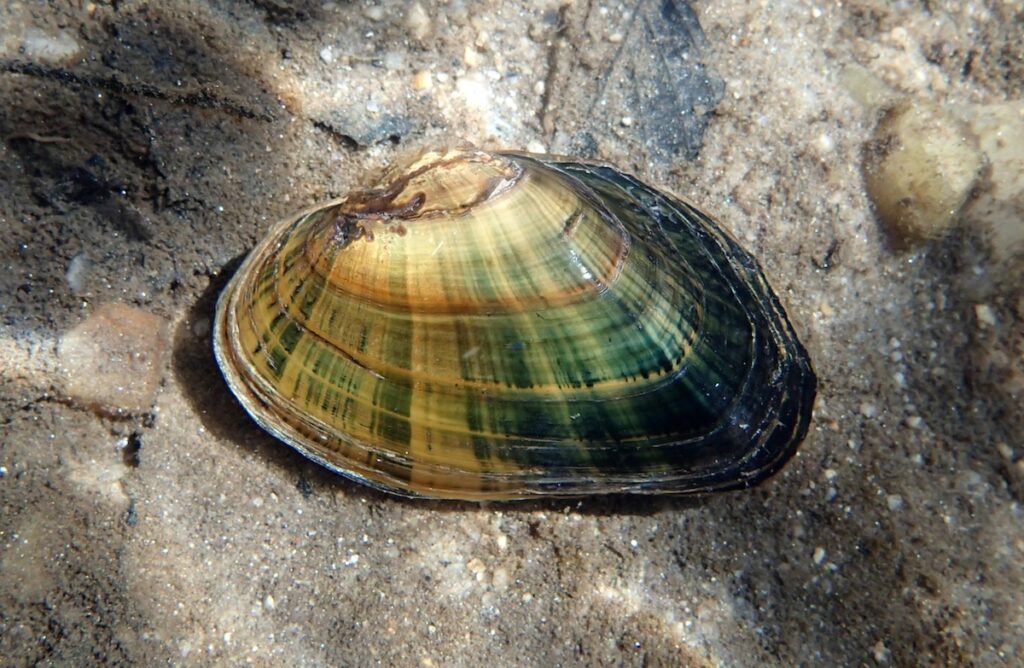
Consider the freshwater mussel: an unassuming, essential component of the American river system. Some species of these bivalves can filter up to 30 gallons of water per day, playing a critical role in sequestering pollutants and removing pathogens like E. coli from our water supplies. Their life cycles are intricately tied to the health of the rivers they inhabit—often requiring specific fish hosts to complete their development.
When a river is dammed, polluted, or dredged, the entire life cycle of these mussels is shattered. Because these animals are sedentary, they cannot "migrate" away from habitat destruction. They are, quite literally, the canaries in the coal mine for our river systems. If the rivers are destroyed, these populations have no path to survival. With roughly 25% of the world’s freshwater wildlife already teetering on the edge of extinction, this administrative change acts as an accelerant to an already burning fire.
Official Responses and Scientific Concern
The scientific community has been vocal in its opposition to the rule change. Biologists point out that the logic used to justify the removal of "habitat" from the definition of harm is fundamentally flawed.
"The environment is not a separate entity from the species that inhabit it," says one leading freshwater ecologist. "To suggest that we can protect a species without protecting its habitat is a regulatory fiction. It is like promising to keep a human alive while systematically cutting off their oxygen supply."
Conversely, proponents of the change—often associated with land development and extractive industry groups—argue that the previous definition was overly broad and hindered economic growth. They contend that the ESA should focus on direct intervention with the species themselves rather than restricting the use of private or public lands. However, this argument ignores the empirical evidence provided by success stories like the Roanoke logperch. The recovery of that species was not the result of direct handling, but the result of landscape-scale restoration—specifically, the removal of four obsolete dams that reconnected hundreds of miles of river.
The Implications: A Future at Risk
The implications of this policy shift are vast and concerning. By narrowing the definition of "harm," the administration has essentially lowered the bar for developers, mining operations, and industrial polluters. In the short term, this may reduce the regulatory "burden" for these industries. In the long term, it creates a liability that the American public will have to pay for through degraded water quality, lost ecosystem services, and the permanent disappearance of biological heritage.
When a species goes extinct, it is not just a loss of a name on a list; it is the loss of a functioning part of the planetary machine. Freshwater mussels, for instance, provide "ecosystem services"—natural processes that save billions of dollars in water treatment costs annually. When we allow their habitats to be destroyed, we are not just failing the species; we are failing our own infrastructure and public health.
A Call to Action
The recent delisting of the Roanoke logperch serves as a powerful reminder of what is possible when the government, local communities, and conservationists align on a common goal: restoring the health of our rivers. That recovery was only possible because agencies recognized that the river itself was the solution.
If we wish to prevent the next wave of extinctions, we must return to the foundational principles of the Endangered Species Act. We must demand that our policymakers recognize that habitat is not an optional "extra"—it is the prerequisite for all life.
As we look toward the future, the question remains: How will endangered wildlife be saved from extinction if the rivers they live in and depend on are being destroyed? The answer lies in the hands of the public. By pledging to protect our rivers and advocating for the restoration of habitat-based protections, we can push back against this destructive trend. We must ensure that the Endangered Species Act remains a powerful, science-based tool, not a hollowed-out shell.
Speak up today. The survival of our nation’s freshwater biodiversity depends on our ability to act before the next river is lost to the reach of industry. The time to advocate for the rivers, and the life they sustain, is now.