For over a century, the Antiquities Act of 1906 has served as one of the most powerful instruments in the American conservation toolkit. Signed into law by President Theodore Roosevelt—a titan of the American wilderness—the Act granted the executive branch the authority to protect land of historic, cultural, and scientific significance as National Monuments. These sites are not merely aesthetic treasures; they are the bedrock of our national identity. Nearly half of our current National Parks, including the Grand Canyon, Zion, and Acadia, began their lives as National Monuments, protected by the stroke of a presidential pen before being elevated to the status of a park.
However, a grave threat has emerged to this legacy. On July 13, 2026, a series of executive proclamations sent shockwaves through the conservation community and Indigenous nations alike, announcing a 90% reduction in the boundaries of the Bears Ears and Grand Staircase-Escalante National Monuments. This decision, which strips protections from nearly 3 million acres of public land, represents an unprecedented rollback of federal environmental and cultural stewardship.
A Legacy Under Siege: The Historical Context
The Antiquities Act was designed to prevent the looting and destruction of irreplaceable American history. Since its inception, forty presidents from both sides of the aisle have used the Act to safeguard millions of acres. The philosophy behind these designations is simple: some places are too vital to be left to the whims of short-term industrial exploitation.
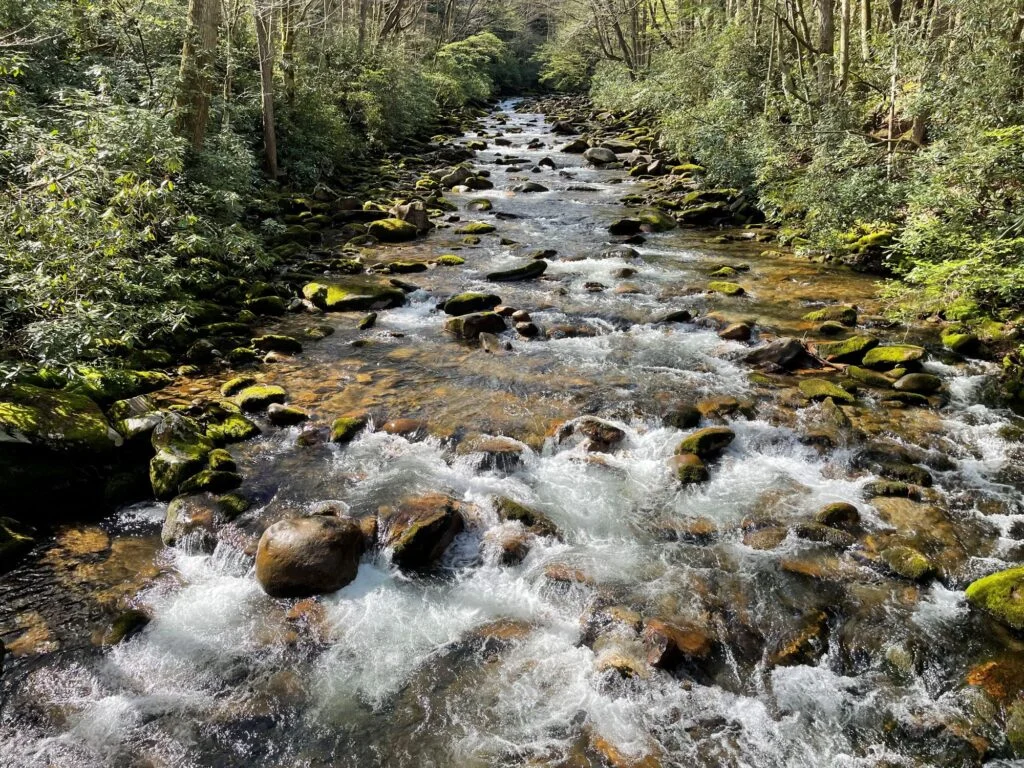
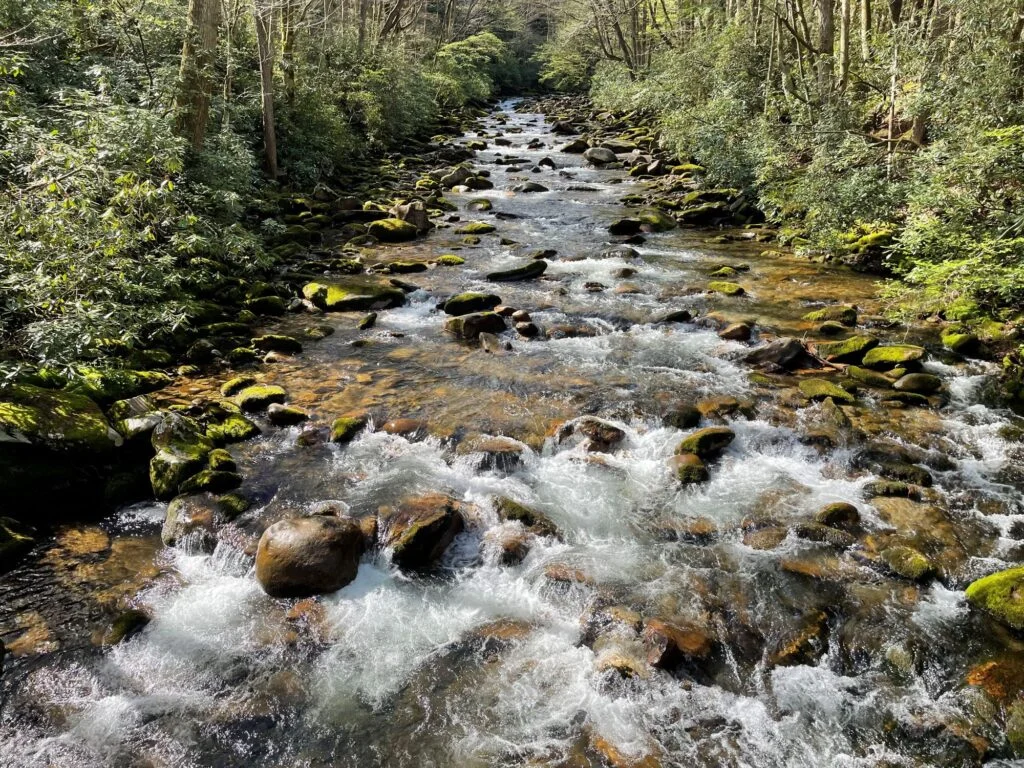
The importance of these lands extends far beyond their visual grandeur. Over the last 30 years, 31 newly designated National Monuments have protected over 21,000 miles of rivers and 2,125 watersheds. These areas act as the nation’s "natural water towers," filtering and providing clean water to more than 13 million Americans. They are not static museums; they are dynamic ecosystems that support sustainable economies in gateway communities through hunting, fishing, paddling, and tourism.
The Economic and Ecological Cost of Rollbacks
The argument for downsizing often centers on the potential for industrial development, yet the economic reality suggests a different story. Gateway communities—towns situated near these monuments—have historically seen significant financial growth following designation.
Consider the Rio Grande Del Norte National Monument in New Mexico. In the year following its designation, the town of Taos experienced a 40% surge in tourism and a 20% increase in lodging tax revenue. The monument serves as a critical migration corridor for elk, bighorn sheep, and mule deer, while the river itself supports acequias and agricultural producers who rely on the pristine water protected by the designation.
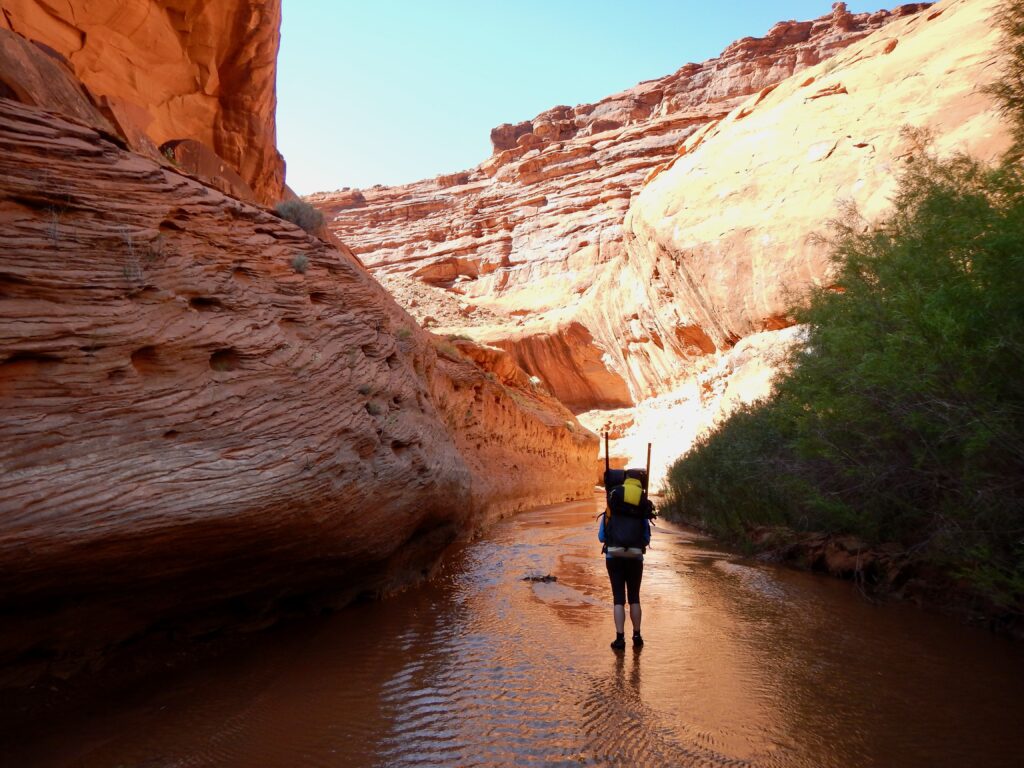
Similarly, in Maine, the Katahdin Woods and Waters National Monument has become an economic engine. According to the National Park Service, the monument contributed $3.4 million to local economies in 2024 alone. By safeguarding the East Branch of the Penobscot River and its surrounding forests, the monument protects the habitat of endangered Atlantic salmon, wild brook trout, and Canada lynx. These examples prove that environmental protection and economic prosperity are not mutually exclusive; rather, they are deeply intertwined.
A Chronology of Conflict: From Protection to Dismantling
The current crisis did not appear in a vacuum. The tension between federal land management and local political interests has been a constant undercurrent in Western politics.
- 1996: President Bill Clinton designates the Grand Staircase-Escalante National Monument, recognizing its unique geological, paleontological, and cultural treasures.
- 2016: President Barack Obama establishes the Bears Ears National Monument, a historic move marking the first time a monument was designated based on the petition and traditional knowledge of a coalition of sovereign Tribal Nations.
- 2017: An initial attempt is made to drastically reduce the acreage of both monuments, sparking nationwide outrage and legal challenges.
- 2021: The Biden Administration reverses the 2017 rollbacks, restoring the boundaries and reaffirming the importance of Tribal co-management.
- July 2026: A new set of executive proclamations slashes the boundaries of both monuments by 90%, effectively dismantling the protections that took decades to build. Furthermore, the Bears Ears Commission—a governing body composed of Tribal representatives—is disbanded, and Tribal seals are ordered removed from signage.
The Human Connection: Indigenous Stewardship and Sovereignty
The heart of the controversy, particularly regarding Bears Ears, is the role of Tribal Nations. For millennia, the Ancestral Puebloan people lived within these canyons, leaving behind cliff houses, kivas, and intricate rock art. These sites are not abandoned ruins; they are living cathedrals.
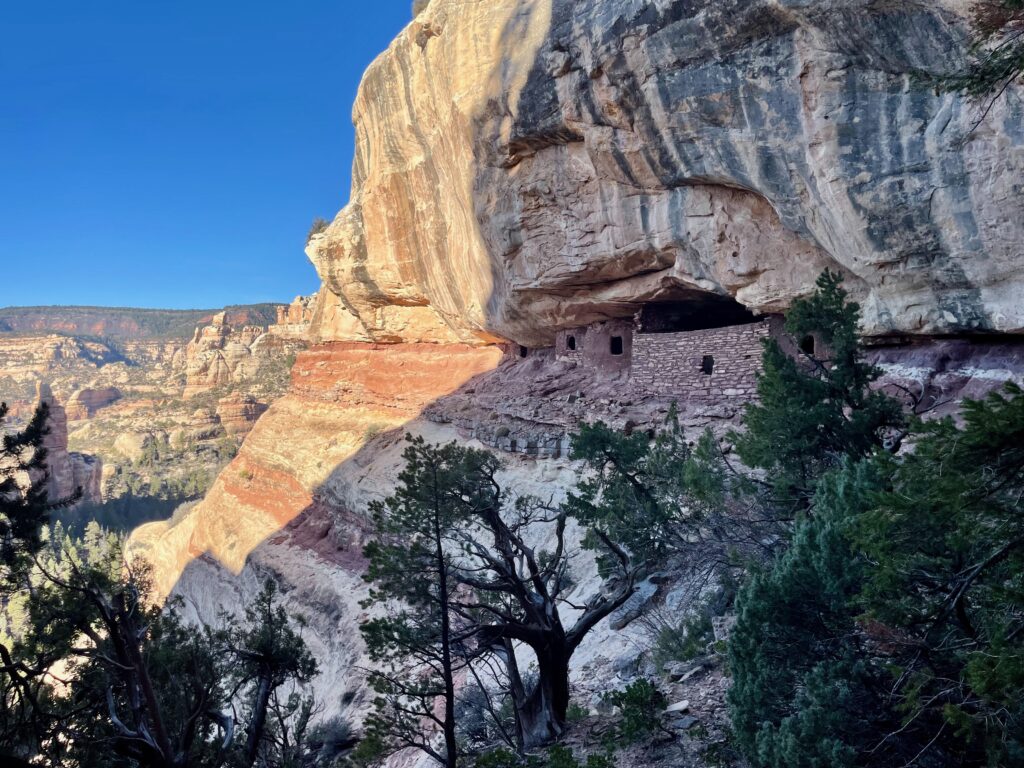
The Bears Ears Inter-Tribal Coalition—comprising the Hopi Tribe, Navajo Nation, Ute Mountain Ute Tribe, Zuni Tribe, and Ute Indian Tribe—was instrumental in the 2016 designation. Their participation moved the conversation beyond simple conservation into the realm of human rights and environmental justice. By removing the Tribes from the management of these lands, the current administration is not just ignoring scientific data; it is actively erasing the sovereign voice of the original stewards of the landscape.
Implications: A Dangerous Precedent
The implications of the July 2026 proclamations are far-reaching. By shrinking these monuments by 3 million acres, the federal government has signaled that no designation is permanent. If Bears Ears and Grand Staircase-Escalante can be decimated, then every National Monument in the country—from the coastal waters of the Pacific to the forests of the East—is potentially in peril.
The "public trust" doctrine, which holds that certain resources are preserved for public use, is being tested. When local communities, Tribes, and the public at large are bypassed in favor of industry-driven land management, the social contract regarding public lands is broken. Over 1,000 citizens recently marched in six Utah cities to protest these changes, underscoring the deep public attachment to these landscapes.
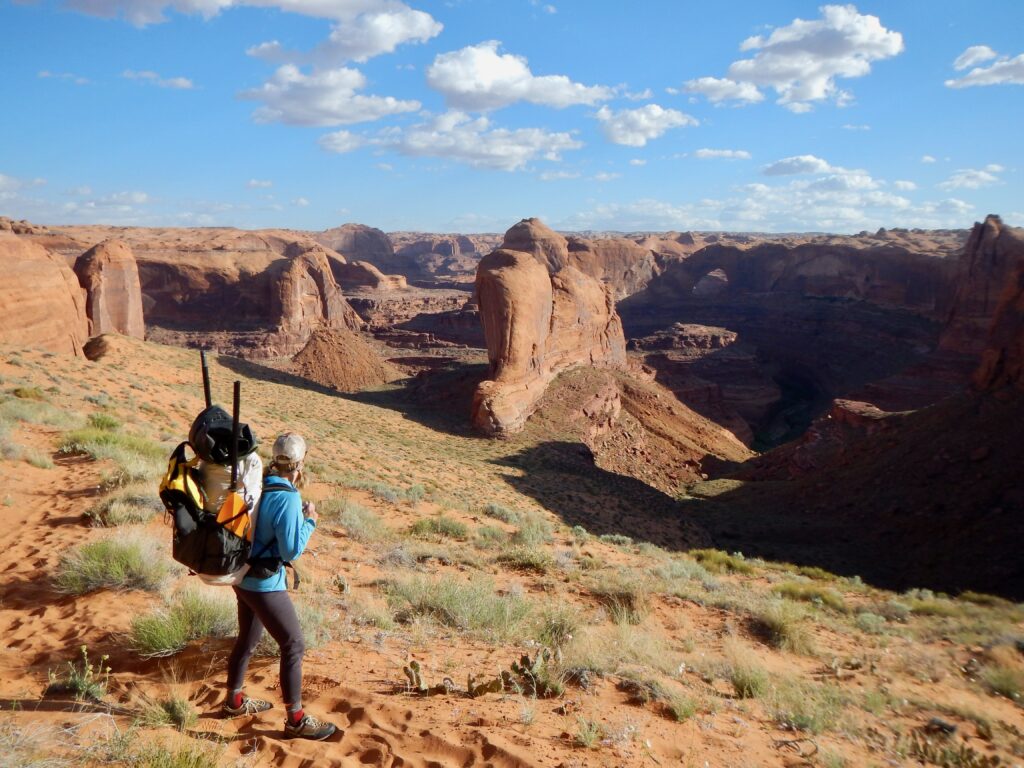
Looking Forward: Protecting Our Irreplaceable Assets
We are at a crossroads. While there are certainly regions where development is appropriate and necessary for the economy, we must draw a firm line at our most irreplaceable waterways and landscapes.
The defense of these monuments is a defense of our future. Clean water, biodiversity, and cultural heritage are non-renewable resources. Once the landscape is fragmented by development, the delicate web of life—from the smallest brook trout to the most expansive forest—is compromised.
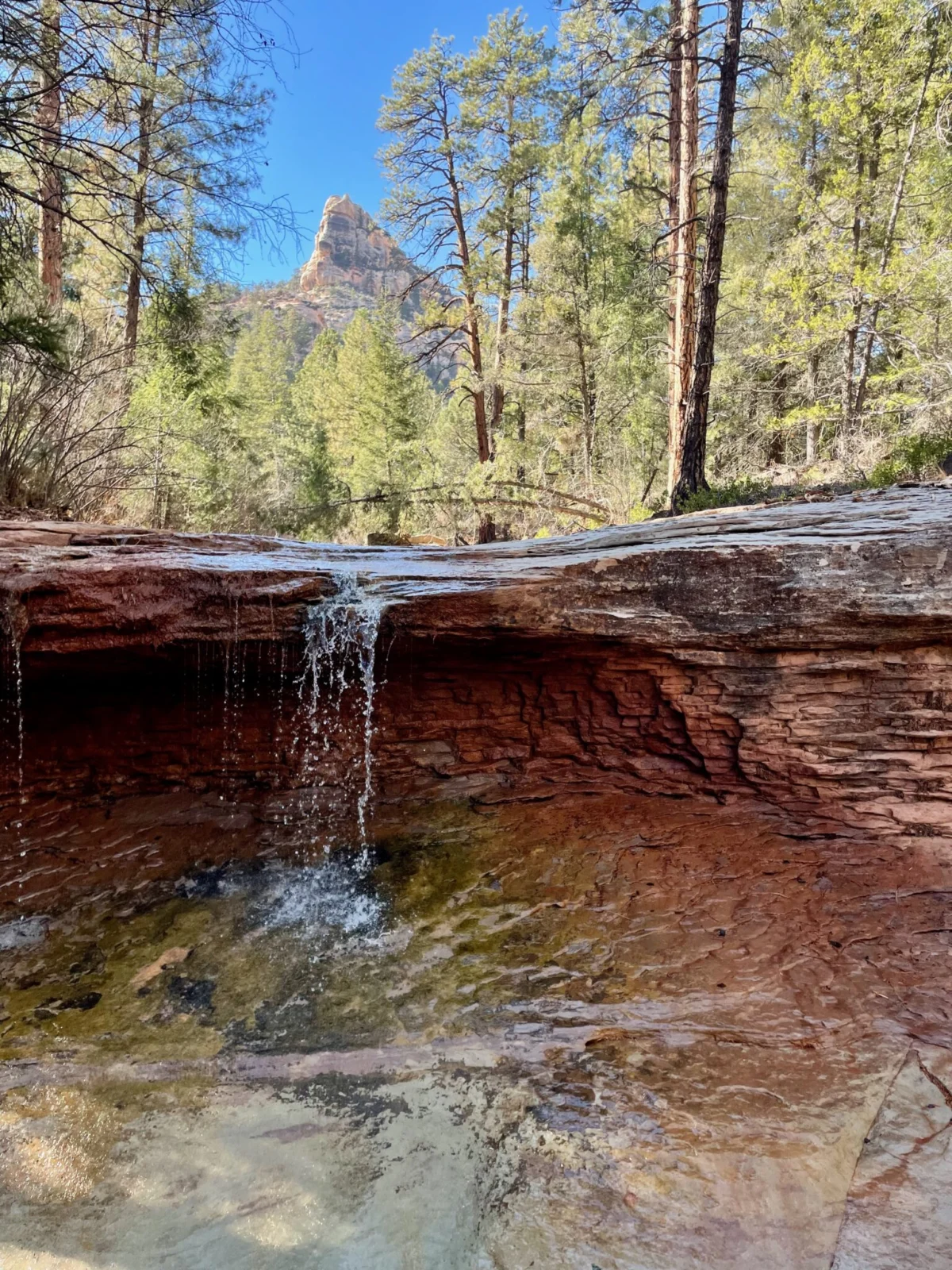
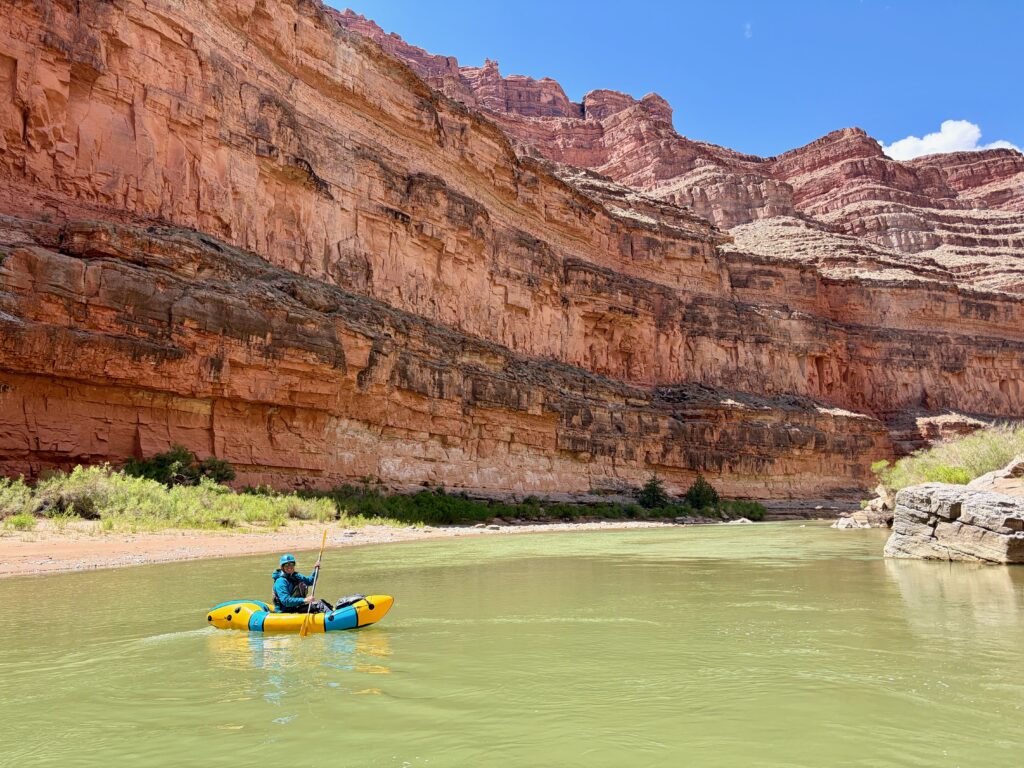
For those who have walked the red rock canyons or paddled the rivers of the Southwest, the value of these places is self-evident. They provide a sense of perspective that only the wilderness can offer. They are the "open-air museums" that tell the story of who we were, who we are, and who we hope to be.
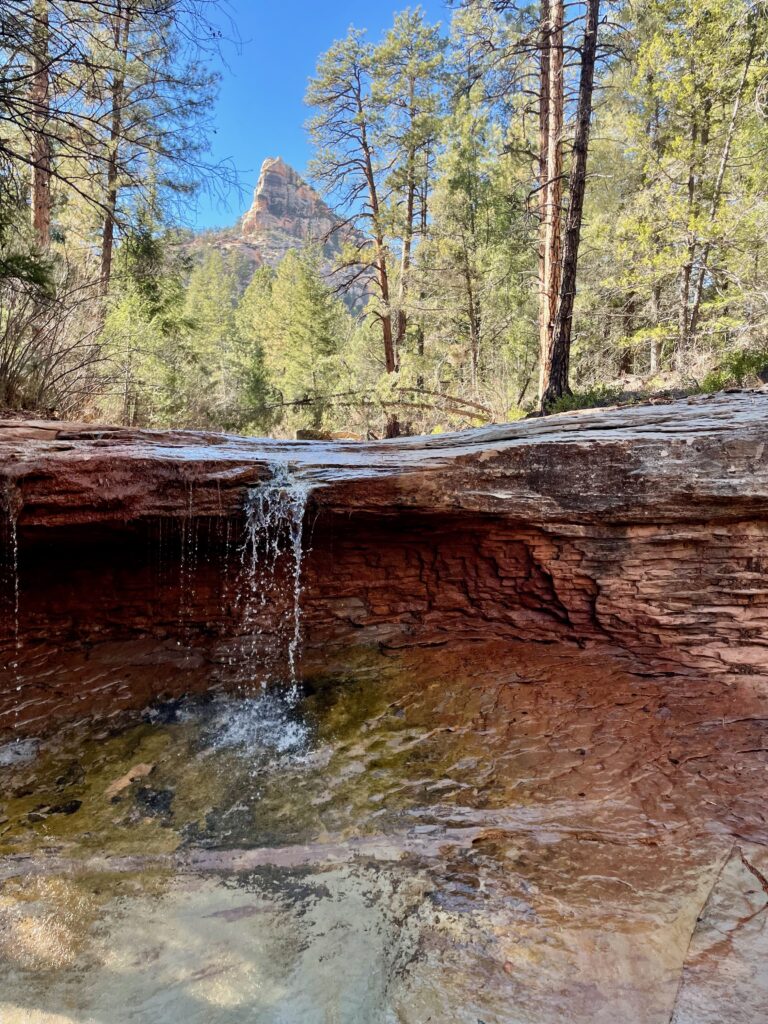
As we move forward, it is essential that the public remains engaged. Whether it is through supporting organizations that advocate for river conservation or by personally visiting and documenting these sites, the public must be the ultimate check on political overreach. The battle for our National Monuments is not just about lines on a map; it is about the soul of the American landscape and our commitment to preserving it for generations yet unborn.
We must insist that our government respects tribal sovereignty, honors the legacy of the Antiquities Act, and acknowledges the scientific reality that protecting a river is synonymous with protecting the entire web of life that depends upon it. The era of land conservation is not over, but its survival depends on our collective voice.