By Ben Emanuel | July 31, 2026
While record-breaking heat waves have dominated the headlines this summer, a quieter, more insidious crisis is unfolding across the American Southeast. Beneath the sweltering temperatures lies a landscape gripped by severe, persistent drought. From the mountain streams of North Carolina to the sprawling river basins of Georgia, the region’s waterways are reaching critical lows, signaling a growing instability in the natural systems that provide our communities with fresh water and sustain vital ecosystems.
The State of the Watershed: Main Facts
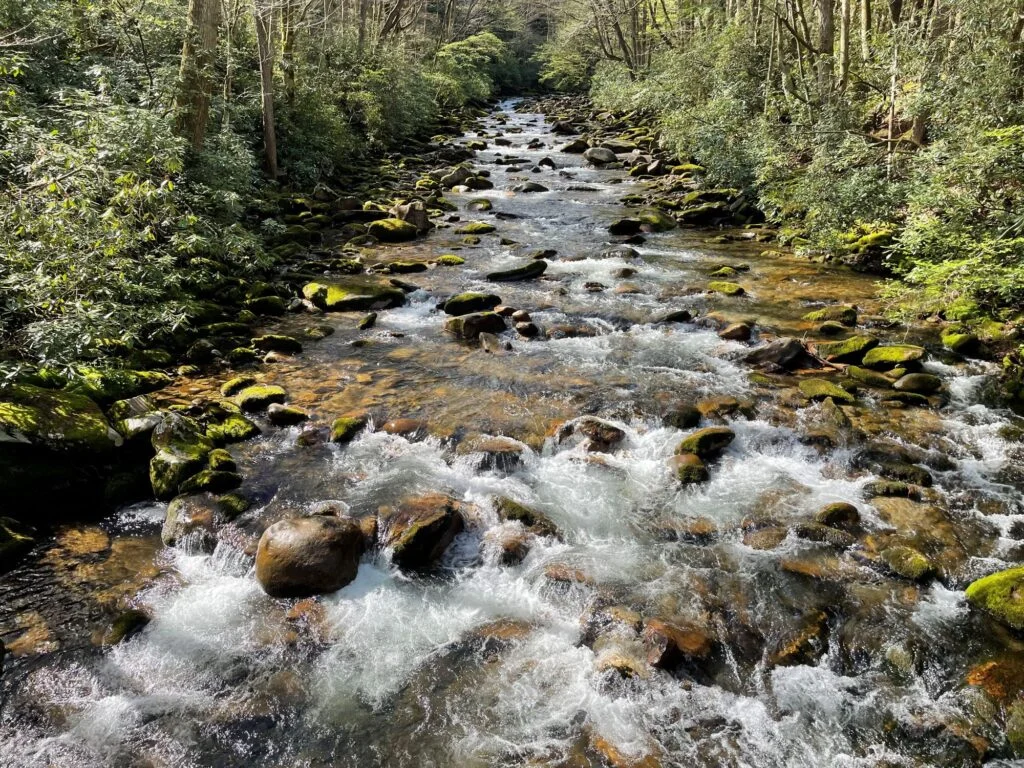
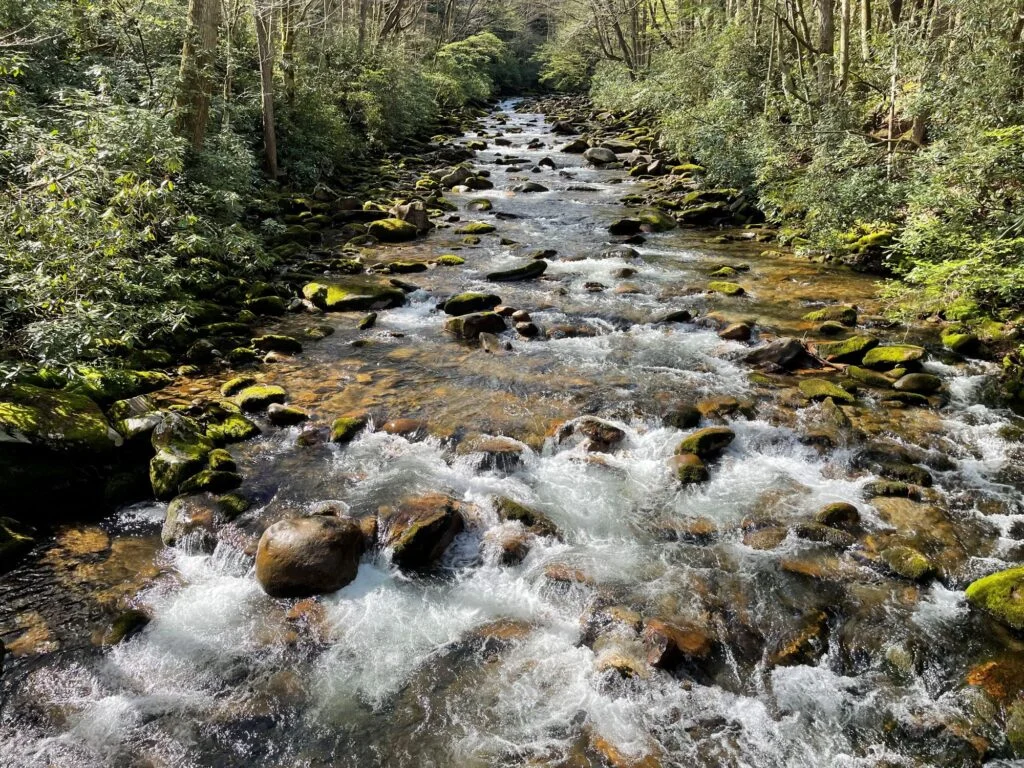
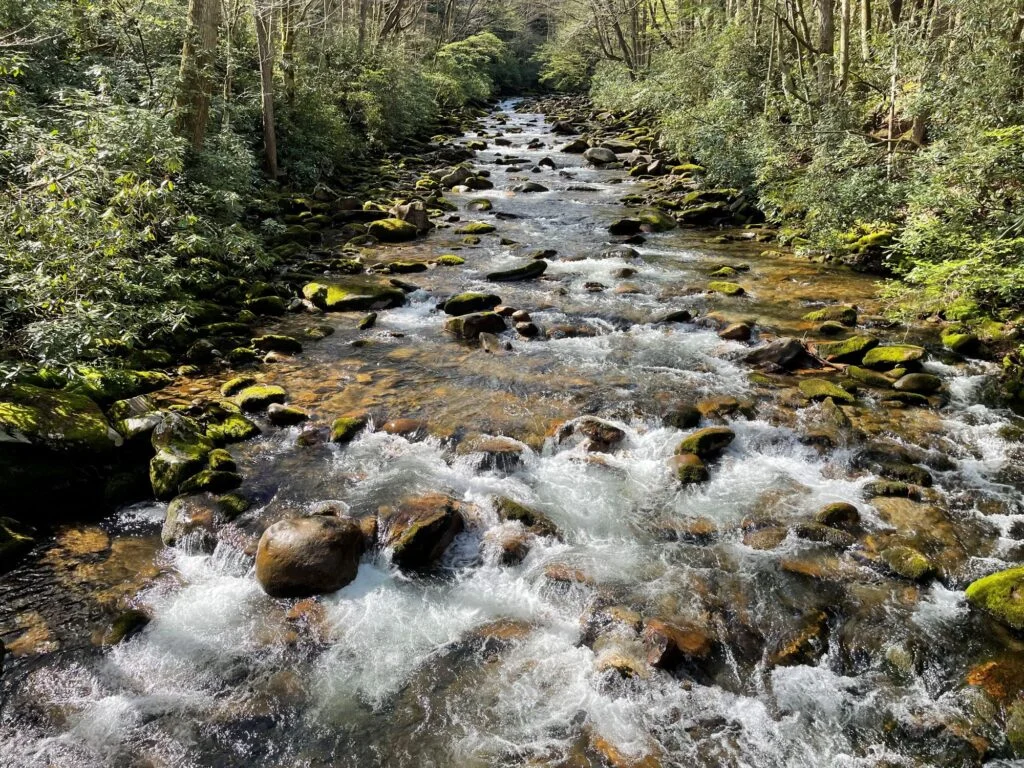
As of late July 2026, the U.S. Drought Monitor indicates that significant portions of the Southeast have been locked in severe to extreme drought conditions for months. In North Carolina, the situation is particularly acute; river and stream flows have plummeted to near-record lows.
Drought is a natural component of the hydrological cycle, but the current crisis is being exacerbated by a "perfect storm" of human-induced stressors. When we alter natural river flows, over-extract water for municipal and industrial use, and pave over permeable landscapes that once recharged our groundwater, we strip rivers of their natural resilience. In a changing climate, these drought cycles are not only becoming more severe but are shifting in frequency and timing, leaving both human and natural systems struggling to adapt.
A Chronology of Decline: The Dry Winter Legacy
The current crisis did not appear overnight. Its roots trace back to the winter months, which are typically the period when regional groundwater and stream baseflows are recharged through consistent rainfall.
- Winter 2025–2026: A lack of sufficient winter precipitation meant that the Southeast entered the spring with a significant water deficit.
- Spring 2026: Instead of the typical "wet season" providing a buffer for the coming summer, drought conditions intensified across North Carolina and surrounding states.
- Summer 2026: High temperatures accelerated soil moisture loss. By mid-summer, the lack of a "baseflow" meant that rivers were already at historical lows before the peak of the heat wave even arrived.
This deviation from historical patterns—where drought conditions develop during the spring rather than the fall—has left utility managers and environmental scientists scrambling to respond to an unprecedented timeline of depletion.
Supporting Data and Ecological Implications
The environmental toll of this drought is far-reaching. When river flows remain depressed for extended periods, ecosystems are pushed beyond their biological thresholds.
The Ecosystem Tipping Point
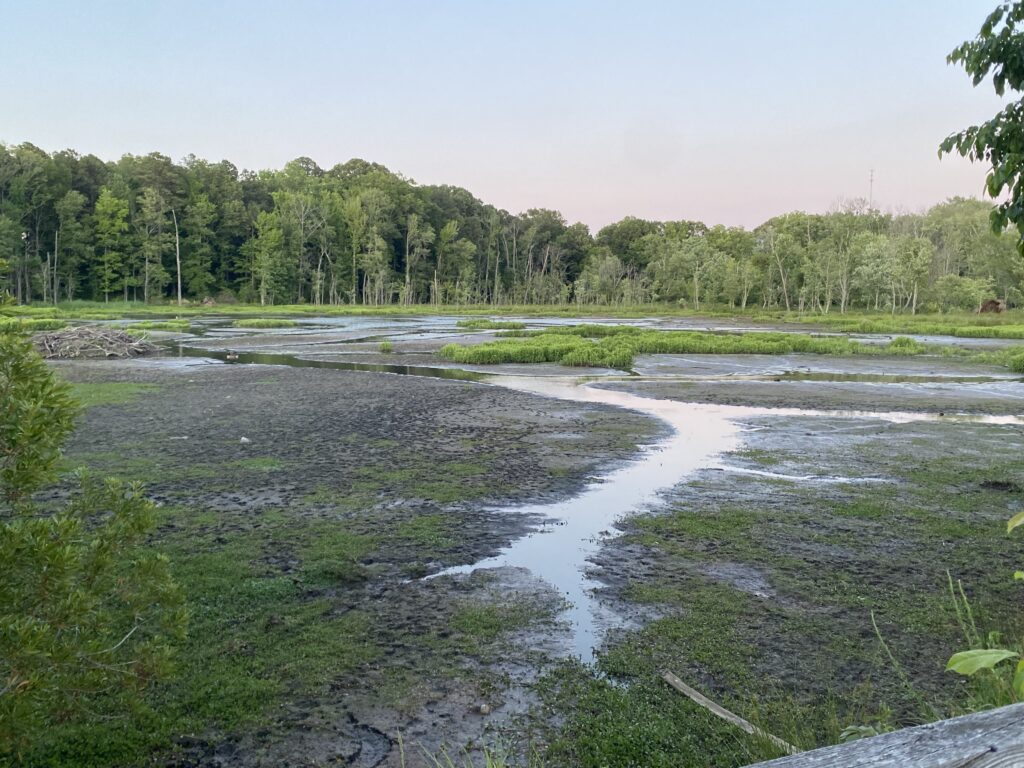
Freshwater ecosystems rely on consistent flow to maintain water temperature, dissolved oxygen levels, and nutrient transport. As flows drop, water temperatures rise, creating a hostile environment for fish and aquatic wildlife. Furthermore, the concentration of pollutants increases as there is less water volume to dilute them. This has already manifested in devastating ways, such as the recent, massive fish kill on the Chattahoochee River in Atlanta. Experts note that this catastrophe is symptomatic of "weather whiplash"—a rapid oscillation between extreme dry periods and flash flooding that creates instability in river health.
The Human Toll
Beyond the ecological impact, the drought poses a direct threat to human infrastructure. Communities that rely on surface water for drinking, sanitation, and industrial activity face increasing pressure to enact water-use restrictions. With population growth, urban sprawl, and the rising demand for electricity—including the massive water requirements for modern data centers—the competition for every drop of water is becoming a focal point of regional policy.
Official Responses and Strategic Management
American Rivers, alongside various state agencies, has been vocal about the need for a shift in how we manage our water resources. The strategy centers on three pillars: "Efficiency First," smart infrastructure, and long-term drought planning.
The "Efficiency First" Approach
The "Efficiency First" movement advocates for securing water supplies through conservation and technological upgrades rather than building new, environmentally damaging dams or reservoirs. This includes:
- Fixing leaky municipal plumbing systems that lose millions of gallons daily.
- Implementing strict water-efficiency standards for new residential and commercial developments.
- Incentivizing the use of reclaimed water for industrial processes and irrigation.
Infrastructure and Urban Planning
"Smart water infrastructure" involves designing urban environments that mimic natural landscapes. By replacing impervious surfaces (like parking lots) with permeable materials and creating rain gardens, cities can allow water to infiltrate the soil, replenishing the aquifers that sustain our rivers during dry months.
The Broader Implications: A Changing Southeast
The 2026 drought is a harbinger of a future that requires a radical change in water governance. The integration of data centers, an expanding energy sector, and a growing population is placing an unprecedented burden on a finite resource.
Planning for the Future
One of the most critical lessons of this summer is the need to plan for drought when it is not happening. Currently, many water utilities wait for the onset of extreme conditions before implementing emergency measures. Proactive management—such as establishing regional water-sharing agreements and investing in drought-resistant infrastructure—must become the standard, not the exception.
The Role of the Individual
While structural and policy changes are paramount, individual action remains a critical component of the solution. Simple habits—reducing outdoor watering, upgrading to low-flow fixtures, and being mindful of personal water waste—collectively reduce the load on stressed river systems. When millions of residents conserve, it provides a crucial margin of safety for the river basins that sustain them.
Conclusion: A Call to Action
The current drought in the Southeast is a stark reminder of our dependence on the health of our rivers. We can no longer view water as an inexhaustible commodity. As we face a future defined by shifting weather patterns and increased human demand, our priority must be to protect the natural flows that support life.
By investing in sustainable infrastructure, demanding smarter urban planning, and fostering a culture of conservation, we can build a more resilient Southeast. Our rivers are the lifeblood of our region; the time to secure their future is not when the rain returns, but now—while the dry earth serves as a clear warning of what is at stake.
For more information on how you can help protect your local watershed, sign up for our newsletter to receive updates on water policy, conservation tips, and news affecting the rivers you love.