In the world of youth athletics, the metrics of success are often miscalculated. Parents and spectators frequently fixate on the scoreboard, the fluidity of a jump shot, or the speed at which a child masters technical maneuvers. However, for Jukka Lindberg, a veteran youth basketball coach at Ura Basket in Kaarina, Finland, these are secondary concerns. The true objective of early-years sports is not the tally of baskets made, but the emotional imprint left on the child.
Lindberg, a stalwart of the Finnish basketball community since 1980, understands that a child’s first coach is the primary architect of their future relationship with physical activity. A positive introduction can ignite a lifelong passion for movement, while a negative one can extinguish it before it even flickers to life.
The Human Element: Creating an Atmosphere of Belonging
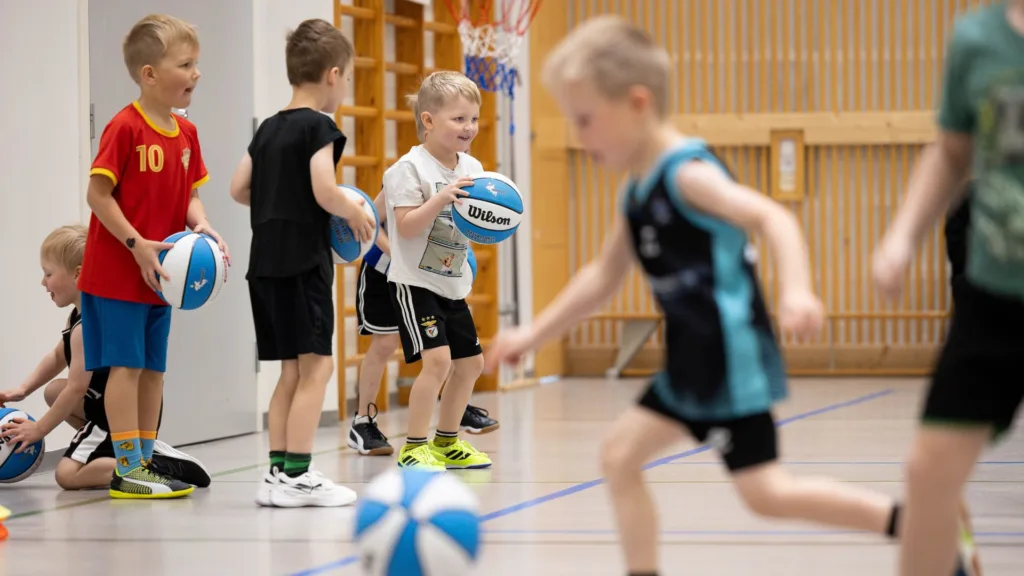
When a child walks onto the basketball court for their first practice, they arrive with a unique cocktail of anticipation, curiosity, and apprehension. "They don’t yet know if basketball will become a lifelong pursuit," Lindberg explains. "What they do notice immediately is how they are received, whether they find friends in the group, and—most importantly—whether the practice is genuinely fun."
This initial encounter is where the role of the coach transcends technical instruction. It is about emotional intelligence. Lindberg’s philosophy is rooted in the belief that children are not miniature adults; they are individuals developing at different speeds, each with their own threshold for challenge and focus.
The coach’s mandate, according to Lindberg, is to cultivate an environment where a child feels safe to experiment, fail, and succeed. "The coach’s task is to create a space where the child dares to try. You cannot expect the same level of focus from every child. When you create an environment where the child feels welcome exactly as they are, the barriers to participation fall away."
A Career Dedicated to the Craft: A Chronology of Coaching
Jukka Lindberg’s career is a testament to the evolution of Finnish youth sports. Since his playing days ended in the early 1980s, he has occupied virtually every role within the organizational structure of Ura Basket. He has served as a coaching director, a board member responsible for coaching development, and a mentor to hundreds of aspiring youth coaches.
His journey through the tiers of basketball—from grassroots minikoris (mini-basketball) to youth national teams and adult division-level representation—has given him a rare, holistic perspective on the sport. "I believe it is vital for a youth coach to see the entire development pipeline," Lindberg notes. "Only then can you truly grasp the immense value of coaching the youngest players."
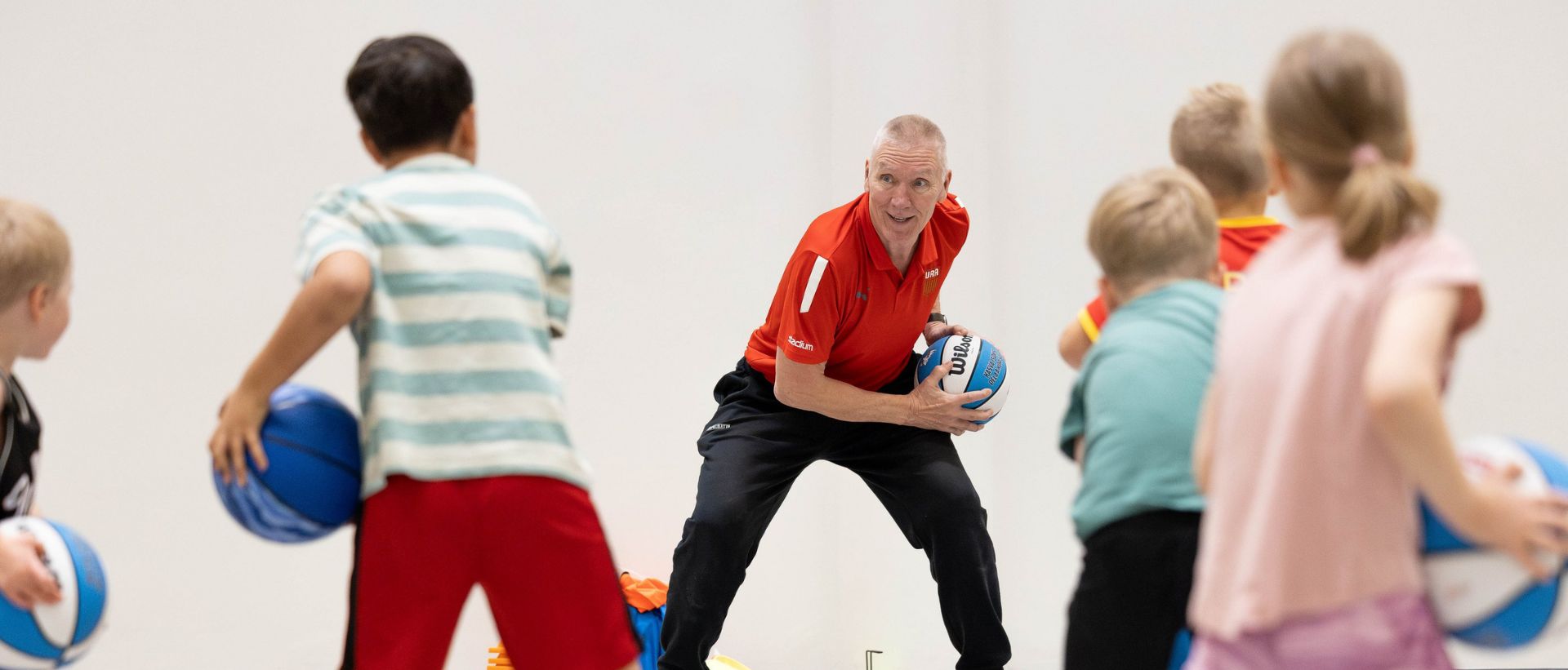
For the past decade, his focus has shifted back to the beginning. As the current head of mini-basketball at Ura Basket and a coach for five-year-olds—the "Pikkusudet" (Little Wolves)—Lindberg finds himself full-circle. His daily life as a primary school teacher provides a natural synergy with his coaching duties, allowing him to apply pedagogical best practices to the basketball court.
"I am currently in my sixth year as the mini-basketball lead, and I spend much of my time mentoring younger coaches," he says. "I stand on the court with them, offering real-time feedback. That kind of hands-on, on-the-spot support is far more effective than any classroom lecture."
Supporting Data: The Science of Early Engagement
The emphasis on "play" is not merely a pedagogical preference; it is supported by the evolving understanding of childhood motor development. The English word "play" perfectly encapsulates the duality of sport at this age: it is simultaneously physical activity and social leisure.
Lindberg argues that the traditional model of "drills first, games later" is flawed. By applying modified rules, children can begin playing and experiencing the joy of the game in their very first session. This is critical because the primary driver of retention is the experience of success. When a child experiences a "win"—whether it’s dribbling across the court or making a new friend—they are psychologically predisposed to return.
The data supports this: children who are forced into rigid, skill-obsessed training regimes at too young an age are significantly more likely to burn out. "If a child doesn’t feel welcome or if the practice doesn’t meet their expectations, their interest can evaporate in a single session," Lindberg warns.
Furthermore, Lindberg cautions against early specialization. "A diverse sports background provides the best foundation for future success. Too much focus on one sport too early can steal the joy from physical activity and increase the risk of the child quitting sports altogether."
Official Perspectives: A National Shift in Youth Athletics
The concerns raised by coaches like Lindberg are being echoed at the highest levels of Finnish sports governance. Currently, the Finnish sports system is at a critical juncture. Participation numbers among children are fluctuating, and there is a growing concern that the "sporting ladder" is becoming too steep, too early.
The Finnish Olympic Committee, in collaboration with 40 national sports federations, is currently spearheading a major initiative to redefine the landscape of youth sports. The core of this issue is the "participation gap": fewer children are moving enough, and too many are dropping out of organized sports before they reach their teens.
The systemic pressures—earlier selection, increased travel demands, and the professionalization of youth sports—are viewed by researchers as detrimental to both long-term health and the development of future elite athletes. The upcoming "Children’s Sports Agreement," set to be unveiled at the Olympic Committee’s autumn meeting on November 28, 2026, aims to address these systemic failures.
The goal of this initiative is to ensure that every child, regardless of ability or potential, has the opportunity to belong, to dream, and to participate in a way that is healthy and sustainable.
Implications: Building for the Next Generation
The implications of Lindberg’s approach—and the broader movement by the Olympic Committee—are profound. If the goal is to build a healthier society, the focus must shift from the "elite potential" of a seven-year-old to the "lifelong habit" of an active adult.
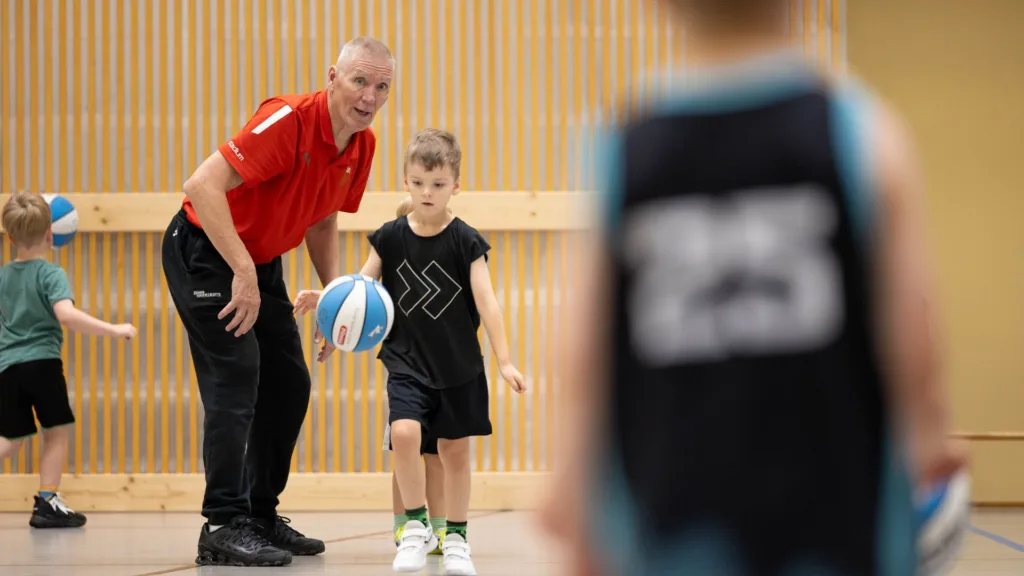
"We must set our goals in the right order," Lindberg asserts. "First, we raise human beings. Then, we nurture movers. Only much later do we focus on developing basketball players. It doesn’t matter how many become elite professionals. It is just as valuable if a child finds in sports a meaningful, lifelong part of their identity."
The ultimate measure of this success is visible at the Ura Basket gym, where former juniors now return with their own children in tow. These reunions serve as a powerful reminder that the impact of a coach reaches far beyond the court. It is about creating a memory so positive that the next generation is drawn back to the same environment.
"The first coach does not teach just ball-handling or shooting technique," Lindberg concludes. "They help a child find the joy of movement, the camaraderie of a team, and the confidence to believe that they have a place in the world. When a child walks out of a practice with a smile, asking when they can come back, the coach has achieved something truly significant."
Conclusion: The Path Forward
As Finland moves toward the ratification of the Children’s Sports Agreement, the lessons from the ground level in Kaarina serve as a blueprint for the future. The transition from an output-oriented model to a process-oriented one is not just a tactical shift; it is a cultural necessity.
By prioritizing emotional safety, social integration, and the fundamental joy of play, organizations like Ura Basket are demonstrating that the "elite" of tomorrow are built on the "happy" of today. For Jukka Lindberg and his peers, the scoreboard remains a secondary detail—the true victory lies in the smile of a child who realizes that, for the first time, they have found a place where they belong.