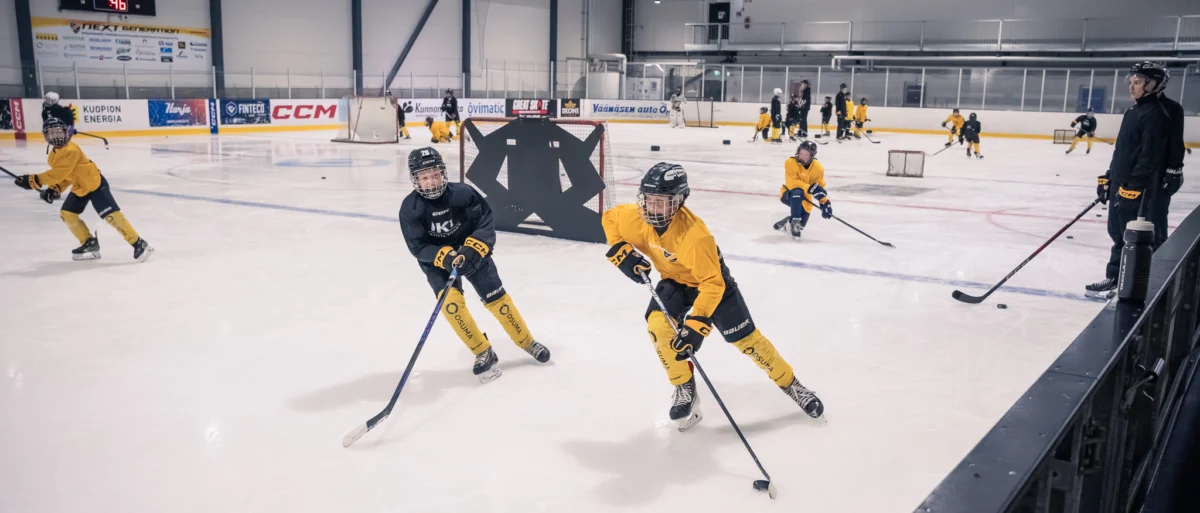
In the evolving landscape of Finnish youth sports, one organization is making waves by shifting the focus from the scoreboard to the child. Juniori-KalPa, a prominent ice hockey club, has introduced a comprehensive “Sports Activity Manual” that is fundamentally changing how the club operates, coaches, and interacts with its young athletes. This initiative is not merely a document; it is a cultural transformation that aligns with the broader goals set by the Finnish Olympic Committee and the Finnish Ice Hockey Association to foster long-term athlete development and lifelong physical activity.
The Core Philosophy: Moving Beyond the Scoreboard
For decades, the success of youth sports organizations has been measured by tournament victories, league rankings, and the production of elite prospects. Juniori-KalPa’s new manual challenges this traditional paradigm by emphasizing versatility, individual developmental paths, and the importance of ensuring that every child can pursue their own goals within a supportive environment.
The manual, while formally documented recently, codifies a philosophy that has been brewing within the club for years. According to Benjamin Laurinkari, the junior sports director of the KalPa community, the initiative was born from a desire to harmonize the club’s daily practices with national frameworks, such as the Finnish Ice Hockey Association’s updated player path and the Framework for Children’s Sports in Team Games.
“These frameworks didn’t introduce new concepts to us, but they provided the necessary vocabulary to articulate, strengthen, and unify our existing operations,” Laurinkari explains. “Our goal is to improve the quality of sports both on the ice and in the environments surrounding the rink. We are focusing on increasing active time, optimizing training volumes, and ensuring a diverse athletic foundation.”
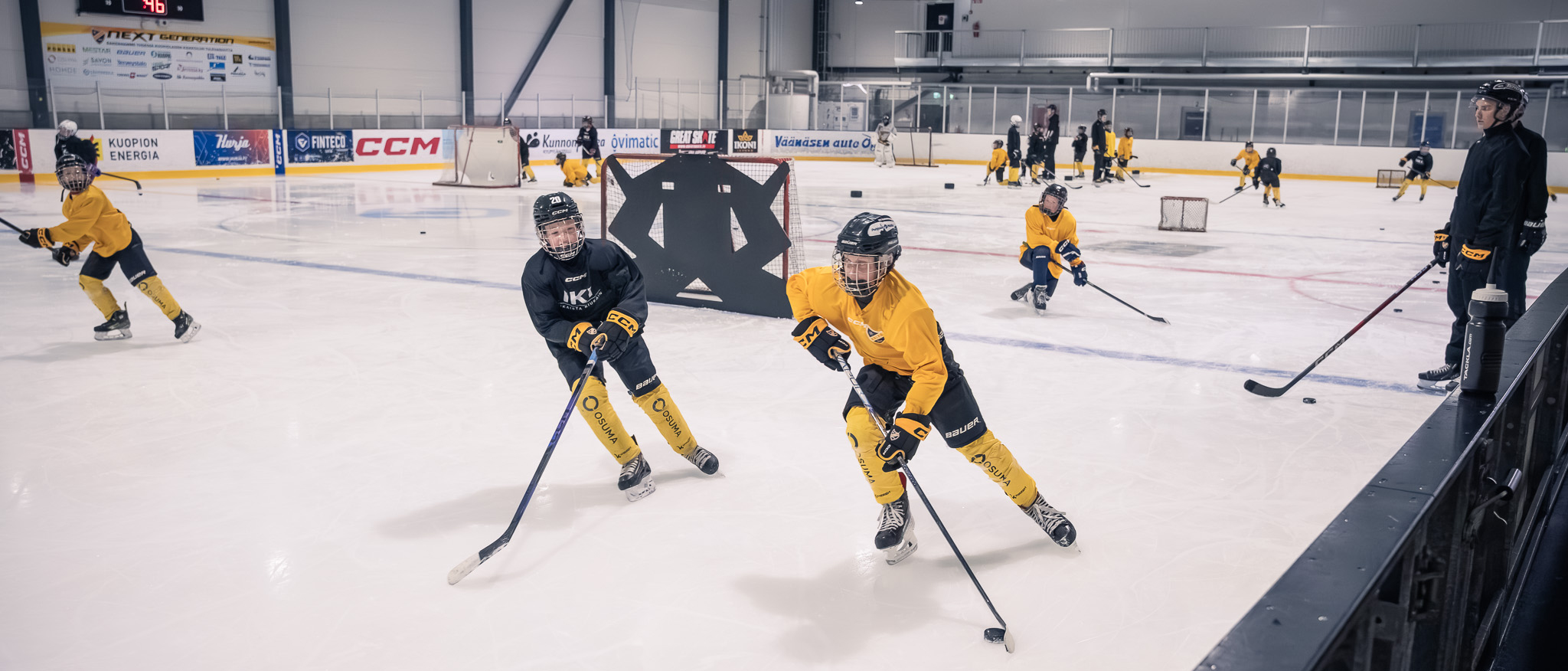
Chronology of Change: A Systematic Shift
The journey toward this new model did not happen overnight. It was a gradual transition marked by several critical phases:
- Alignment Phase: The club leadership assessed existing internal practices against national standards, identifying gaps between traditional competitive focus and holistic athlete well-being.
- Implementation of Tools: Juniori-KalPa integrated the Hockey Centre digital platform. This tool allows coaches to evaluate sessions based on pedagogical goals rather than just tactical execution.
- Feedback Integration: The club formalized a feedback loop, beginning with athletes as young as 11. By collecting regular data on enjoyment, safety, and perceived progress, the club moved from anecdotal evidence to data-driven decision-making.
- Cultural Adoption: Through training and workshops, coaches began adopting the "quality of daily life" mindset, where the interaction between coach and player is viewed as the primary driver of development.
Data-Driven Development: The "Hockey Centre" Impact
A significant portion of Juniori-KalPa’s success lies in its use of the Hockey Centre tool. This platform serves as a mirror for coaches, forcing them to reflect on the effectiveness of their training sessions. After every session, coaches must answer critical questions:
- Did the session meet its specific learning objective?
- How much time did players spend actively engaged with the puck?
- Did the training encourage autonomous decision-making?
- How was the "game-like" environment maintained throughout the session?
Teemu Koljonen, the coaching manager for the U13–U10 age groups, notes that this has removed the guesswork from coaching. "The sessions are now clearer. We have a ‘red thread’ that runs through our planning. We aren’t relying on assumptions anymore; we are relying on a structured approach that ensures every child is being developed as an individual."
The Voice of the Athlete: Feedback from the Rink
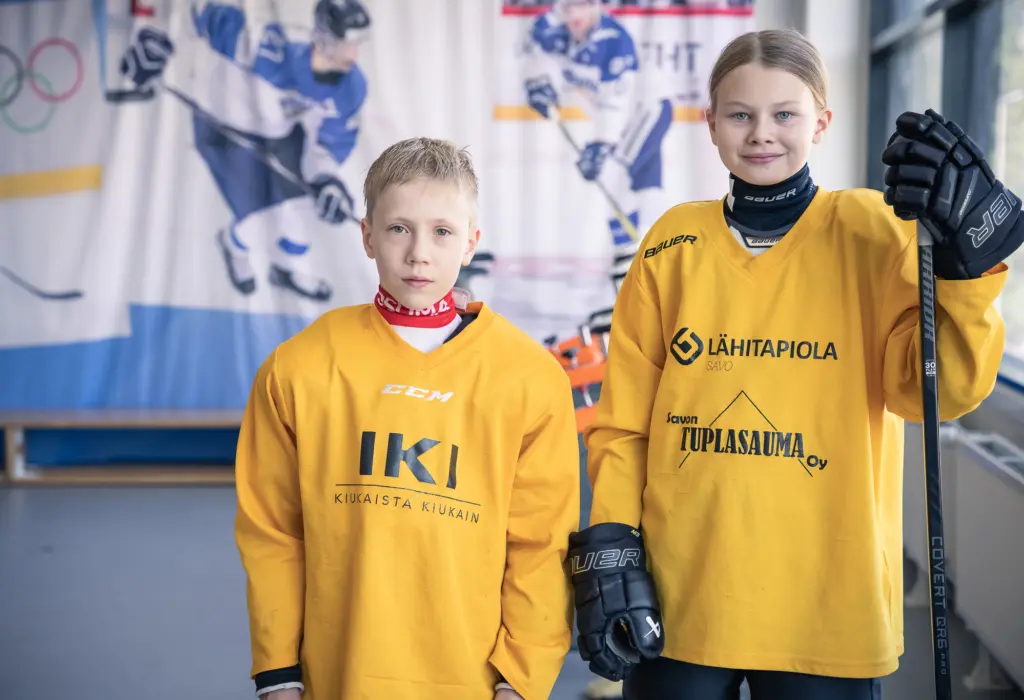
Perhaps the most compelling evidence of this shift is the response from the children themselves. At a recent summer camp in 2026, 11-year-old participants Martta Kokkonen and Otto Uimonen shared their perspectives on the club’s new focus on athlete input.
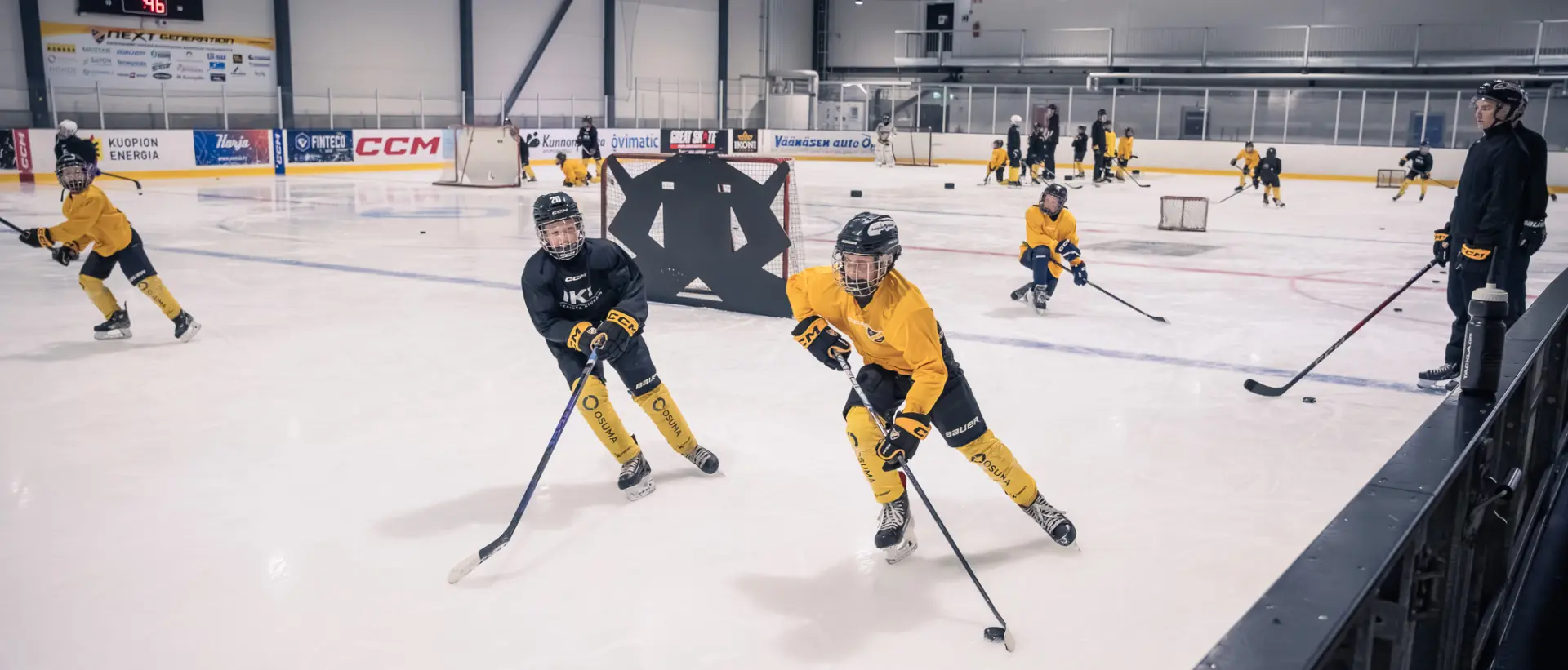
"It feels good to know that they actually want our feedback," says Martta. "I’ve suggested that we focus more on team spirit and doing things as a whole group rather than just in small pods. It makes me feel like my voice matters."
Otto agrees, noting that the ability to influence training sessions—such as requesting specific skating drills or end-of-session activities—makes the sport more enjoyable. "A good practice is one where you get sweaty, work hard, and learn new skills, but also get to play with your friends. I want to improve my puck handling, and knowing that the coaches are listening to what we need to learn makes it easier to stay focused."
This sentiment is backed by the club’s monthly "feeling surveys," which are sent automatically to young athletes. These surveys provide coaches with immediate, quantifiable data on how the team is feeling, allowing for quick adjustments to the training environment.
Official Responses and Strategic Implications
The Finnish Ice Hockey Association has lauded Juniori-KalPa’s initiative. Olli Savikko, the association’s junior manager, believes that the club has successfully bridged the gap between policy and practice.
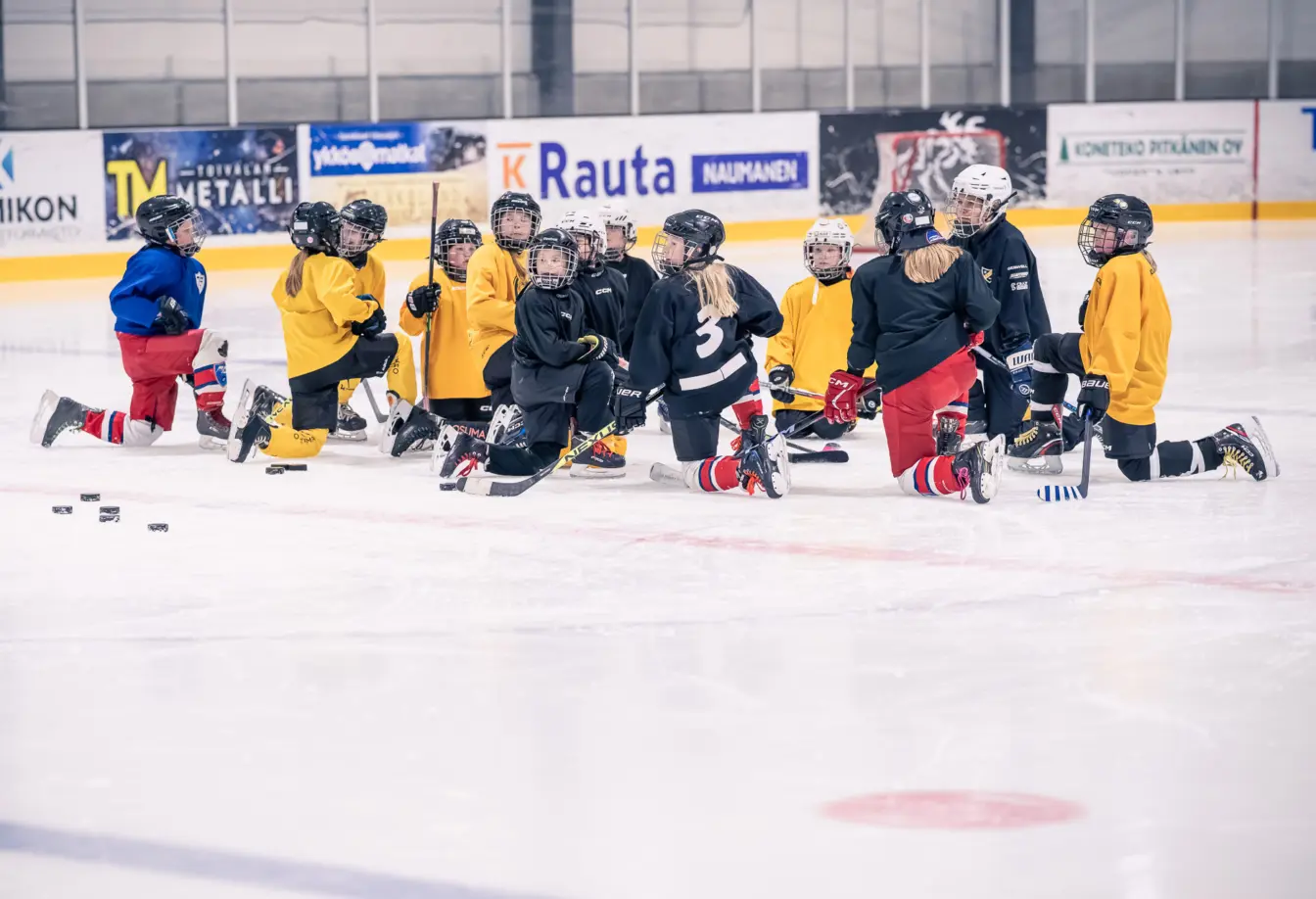
"The goal of the national framework is to improve the quality of daily life in different environments," says Savikko. "In Juniori-KalPa, we see that happening. It’s visible when there is a clear goal for every session, when children have the ball or puck constantly, and when the interaction is open and genuine. They aren’t just teaching hockey; they are teaching human development."
Implications for the Future of Finnish Sports
The broader context of this shift is critical. Finland, like many other nations, is facing a crisis in youth sports. Research indicates that:
- Physical activity levels among children are declining.
- Children are dropping out of organized sports at earlier ages.
- Fundamental motor skills are weakening due to a more sedentary lifestyle.
- "Professionalization" of children’s sports is happening too early, leading to burnout.
The collaboration between the Olympic Committee and 40 national sports federations is an attempt to reverse these trends. By prioritizing the experience of the child—ensuring they feel safe, heard, and challenged—organizations like Juniori-KalPa are providing a blueprint for the rest of the country.
Conclusion: A Model for National Adoption
The success of Juniori-KalPa is not defined by its potential to win championships, though that remains a natural byproduct of a high-quality system. Its success is defined by its ability to retain players, ensure their psychological safety, and foster a lifelong love for the game.
By turning their "Sports Activity Manual" into a living, breathing component of the club’s daily rhythm, Juniori-KalPa has proven that structural change is possible when it is rooted in empathy and scientific pedagogical standards. As the rest of the sporting world watches, the lessons learned in the ice rinks of Kuopio may very well become the standard for the next generation of Finnish youth sports. The "red thread" that guides their daily operations is no longer just a management strategy—it is a promise to every young athlete that their development, happiness, and well-being come first.