The Finnish sporting landscape recently witnessed a milestone achievement as the "SM-viikko" (Finnish Championship Week) celebrated its tenth anniversary with a spectacular four-day festival in Espoo. The event, which has become a cornerstone of the Finnish sports calendar, shattered previous attendance records for the second consecutive year, cementing its reputation as a premier platform for both established athletes and emerging disciplines.
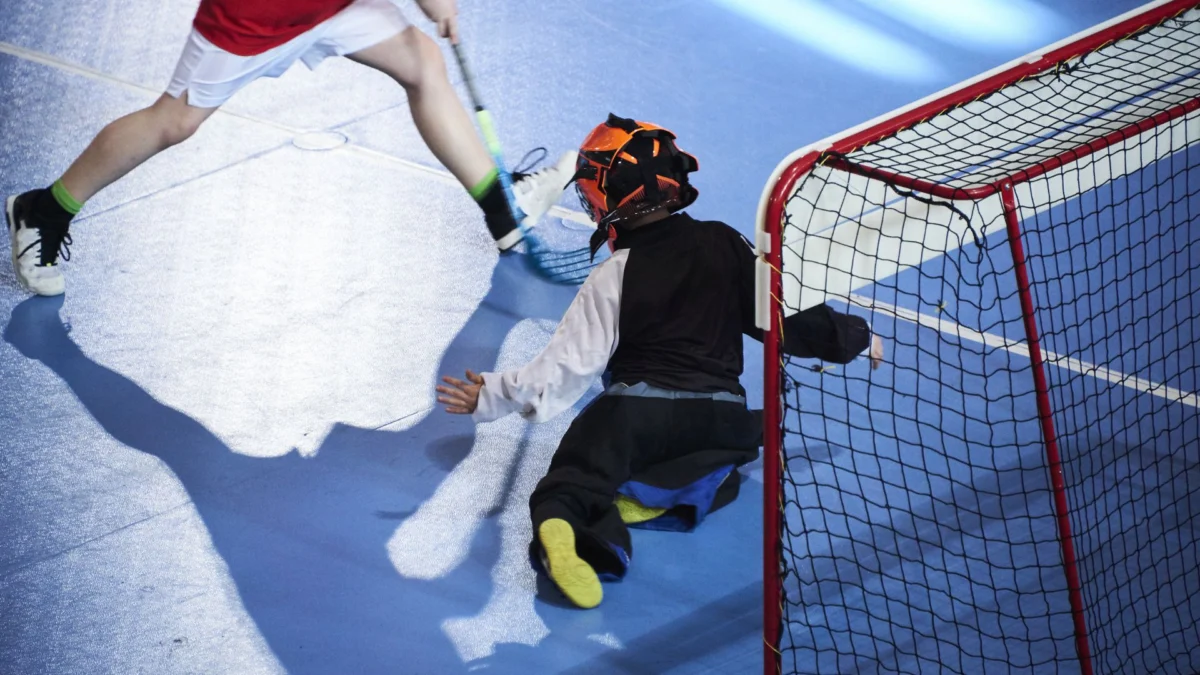
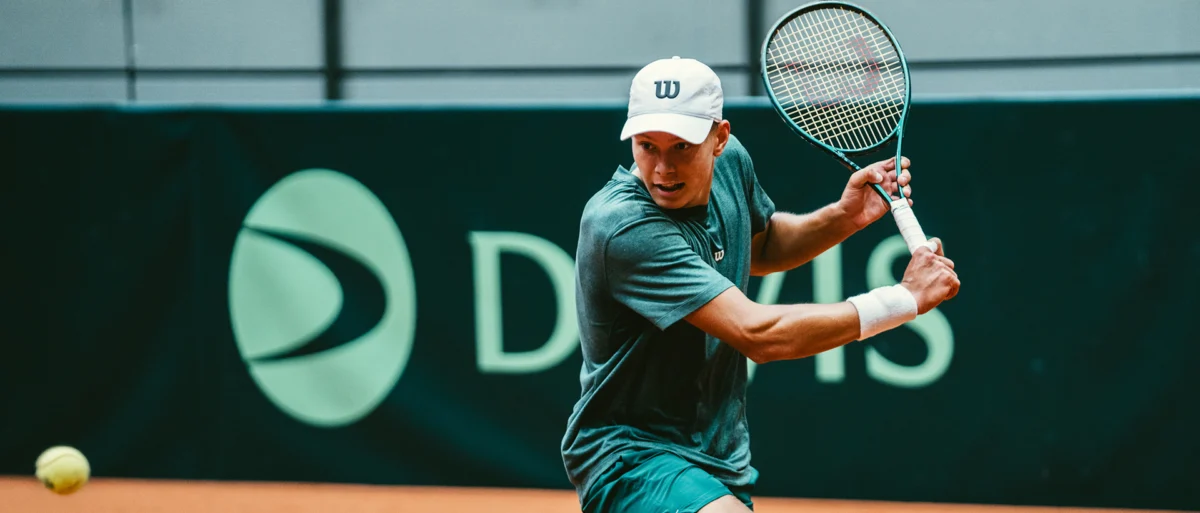
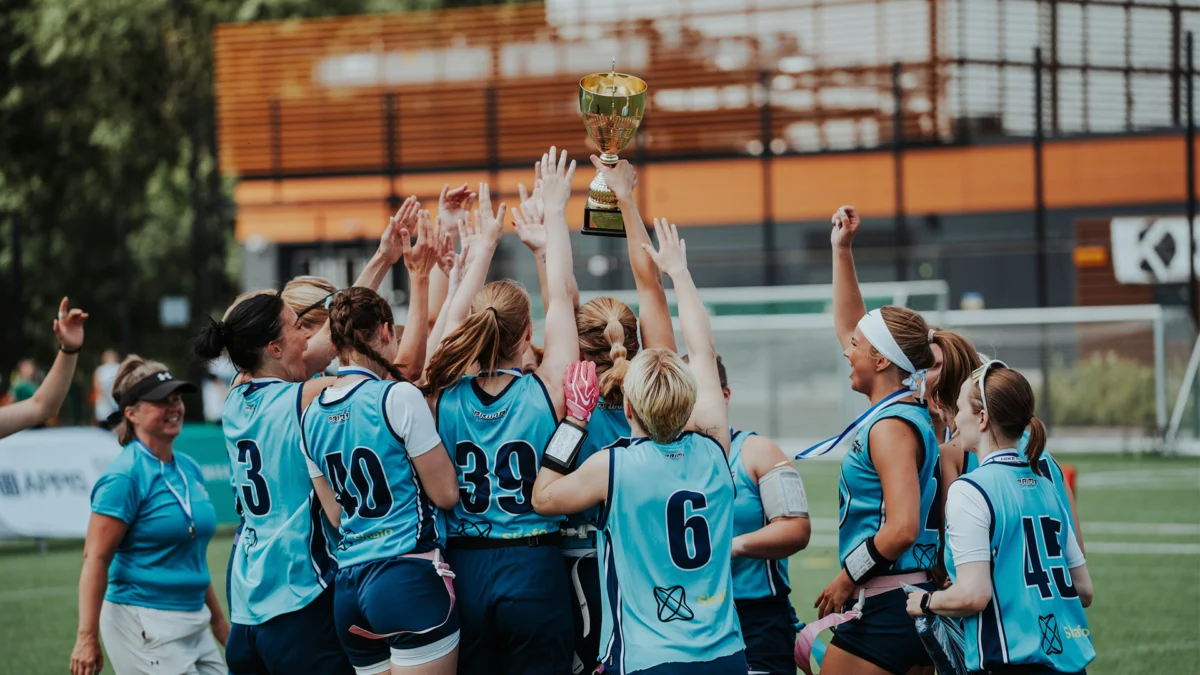
Held in the transition between July and August, the event transformed the Leppävaara sports park and the scenic Oittaa area into a buzzing hub of athletic activity. With over 3,000 athletes, support staff, and officials converging on the city, the festival showcased the remarkable diversity of Finnish sports, ranging from the adrenaline-fueled heights of motorized paragliding to the strategic intensity of e-sports, and the tactical nuance of cricket and beach water polo.
Main Facts: A Record-Breaking Milestone
The numbers speak for themselves: over 18,000 sports enthusiasts descended upon Espoo to witness the action firsthand. This record-breaking turnout highlights the growing appetite for multi-sport festivals that offer more than just a competition—they offer an immersive experience.
The core premise of SM-viikko is to bring together 20 different sports under one organizational umbrella, allowing fans to sample a buffet of athletic disciplines in a single weekend. This year’s edition, marking the tenth anniversary of the concept, was designed to be the most accessible yet. By hosting the event in a centralized, high-density location like Leppävaara, organizers ensured that the barriers between the athletes and the public were kept to a minimum, fostering an atmosphere of community and shared passion.
Chronology: Four Days of Athletic Intensity
The event unfolded over four action-packed days, meticulously scheduled to provide a constant stream of entertainment for the spectators.
- Day 1: The Opening Surge: The festival kicked off with preliminary rounds across multiple venues. The atmosphere in Leppävaara was electric as the public flooded the gates, eager to explore the diverse array of sports on display. The focus was on inclusivity, with trial zones set up to allow children and adults to try their hand at everything from archery to modified versions of field games.
- Day 2: Momentum Builds: As the competition intensified, the crowds grew. The highlight of the second day was the shift from exhibition-style play to high-stakes medal rounds. The "come-and-try" stations saw record demand, with queues forming as curious visitors sought to experience the physical demands of the sports they were watching on the main stages.
- Day 3: The Peak of Competition: Saturday served as the physical heart of the event. With the most popular events—such as the kettlebell lifting championships—reaching their climax, the energy was palpable. The broadcast partnership with Yle ensured that those unable to attend in person were treated to high-quality coverage, bridging the gap between the stadium and the living room.
- Day 4: The Grand Finale: The final day was marked by the highly anticipated triathlon supersprint and the perennial fan-favorite: truck pulling. The culmination of the event reinforced the sentiment of the organizers: that sport is meant to be shared, witnessed, and experienced together.
Supporting Data: The Power of Broadcast
While the physical attendance of 18,000 was impressive, the reach of SM-viikko through national broadcaster Yle was nothing short of a phenomenon. In an era where sports media is fragmented, SM-viikko demonstrated the power of traditional television to capture mass audiences.
Twelve of the top 20 most-watched programs on TV2 during week 31 were SM-viikko broadcasts. This statistic is a testament to the high production value and the inherent entertainment factor of the featured sports.
Key Viewership Highlights:
- Triathlon Supersprint: The undisputed champion of the week, drawing an average of 185,000 viewers, with a total reach (those watching at least three continuous minutes) of 418,000.
- Kettlebell Lifting: A surprising powerhouse, capturing 145,000 average viewers and a reach of 327,000 on Friday.
- Truck Pulling: A consistent audience magnet, drawing 140,000 average viewers and a reach of 396,000 on Sunday evening.
These figures illustrate that even niche sports, when presented in a high-energy, well-organized format, can command significant attention from the general public. All competition footage remains available on Yle Areena for six months, providing a long tail of engagement for the event.
Official Responses: The Human Element
Päivi Harri, the lead producer of SM-viikko, reflected on the decade-long journey of the festival during the closing ceremonies. Her perspective emphasizes that while the numbers are important, the "soft" metrics of success—community and connection—are the true measure of the event’s impact.
"The 10th-anniversary celebration was defined by warmth, collaboration, and the shared joy of discovering new sports," Harri stated. "Seeing the genuine excitement of the public in Leppävaara and Oittaa was the greatest reward. You could hear the buzz of conversation; it was a festival of connection."
Harri also touched upon the philosophy of "proximity" that guides the event’s planning. "One of the most unique aspects of SM-viikko is how close the audience gets to the athletes. In many sports, you can see the expressions on the competitors’ faces, hear their breathing, and observe the intensity of the struggle. Furthermore, our officials and staff were incredibly generous with their time, explaining the nuances of the sports to spectators. That bridge-building—from spectator to participant—was the highlight of this year. We saw queues of people waiting to try the sports themselves, which is exactly what we want to see."
Implications: The Future of Multi-Sport Festivals
The success of the Espoo event carries significant implications for the future of sports event management in Finland.
1. The Power of "Event Tourism"
The ability to concentrate 20 different sports into a single geographical area creates an "event tourism" effect. Families, casual fans, and hardcore enthusiasts are more likely to travel for an event that offers variety. By grouping niche sports with more mainstream spectacles, organizers are effectively cross-pollinating audiences.
2. The Evolution of Participation
The "trial zones" were not just a sideshow; they were a central component of the event’s success. As traditional sports club memberships face challenges in retaining youth, the "festival model" offers a low-stakes, high-fun entry point. By allowing the public to try sports, the event acts as a recruitment engine for local clubs.
3. Media Strategy Success
The synergy between Yle’s digital platform (Yle Areena) and linear TV (TV2) provides a roadmap for other sporting events. By offering live, raw competition followed by polished, curated highlights, SM-viikko satisfied both the "die-hard" fan who wants to see every second and the "casual" viewer who wants the highlights.
4. Sustainability and Community
The use of existing public spaces like Leppävaara and Oittaa suggests a sustainable model for future SM-viikko iterations. Rather than building expensive, bespoke infrastructure, the organizers leveraged public parkland, minimizing the carbon footprint and integrating the event into the daily life of the city.
Conclusion: A New Standard
As the dust settles in Espoo, the legacy of this tenth-anniversary edition is clear: SM-viikko is no longer just an experiment in multi-sport organization; it is a vital part of the national sporting fabric. It has proven that in an age of digital isolation, the physical act of gathering to watch, cheer, and participate in sport remains a powerful tool for community building.
Looking ahead, the challenge for organizers will be to scale this success without losing the intimacy that made the Espoo event so special. However, based on the record-breaking attendance and the overwhelming positive feedback from the public, the foundation for the next decade of SM-viikko is stronger than ever. The bar has been set, and for the athletes and sports fans of Finland, the future of the festival looks brighter than the summer sun that shone over Leppävaara.