For millions of active individuals, the first few steps out of bed each morning are not met with the anticipation of a new day, but with a sharp, stabbing sensation in the heel. This is the hallmark of Plantar Fasciitis, a common yet debilitating condition that acts as a roadblock to physical fitness, athletic performance, and everyday mobility. While conventional wisdom often leads sufferers toward the medicine cabinet for anti-inflammatories or to the massage therapist for temporary relief, a new perspective is gaining traction in the longevity and rehabilitation community.
Jake Blundell, widely known to his millions of social media followers as “Elastaboy,” is challenging the status quo. He argues that by shifting the focus from symptom suppression to active structural resilience, individuals can reclaim their mobility. Through a series of targeted stretches and corrective exercises, Blundell is changing the conversation around foot health.
Understanding the Foundation: What is Plantar Fasciitis?
To manage the condition, one must first understand the anatomy involved. The plantar fascia is a dense, fibrous, ligament-like band of tissue that runs across the bottom of the foot, connecting the heel bone to the toes. This structure is the literal foundation of our movement, responsible for supporting the arches of the feet and absorbing the shock of every step we take.
When this tissue experiences repetitive micro-trauma—whether from excessive running, poor footwear, sudden increases in activity levels, or biomechanical imbalances—the result is inflammation. This is Plantar Fasciitis. The condition manifests as pain near the heel, which is often most intense during the initial steps after a period of rest. Because the fascia is constantly under tension, inflammation here can quickly become chronic if left unaddressed, leading to a cycle of pain that discourages movement and encourages atrophy.
The Limitation of “Muting” the Pain
Modern healthcare often leans heavily on reactive measures. Painkillers, while effective at reducing inflammation markers in the short term, do nothing to address the structural integrity of the tissue. Similarly, massage—while offering a welcome reprieve from acute tenderness—is frequently treated as a cure-all rather than a supportive modality.
“Massage isn’t bad; it can temporarily reduce pain and make walking feel more comfortable,” Blundell notes. “But if that’s all you are doing, you’re only turning the pain volume down. You’re not making your foot more resilient.”
Blundell’s philosophy centers on the idea that the human body is designed to adapt to load. By bypassing the mechanical strengthening phase of recovery, patients remain trapped in a loop of dependency on external interventions, failing to address the underlying weakness that caused the injury in the first place.
The “Elastaboy” Protocol: Three Exercises for Recovery
Blundell’s approach is rooted in the principles of progressive loading and functional movement. Rather than suggesting complete rest, which can lead to further stiffness and muscle wasting, he advocates for controlled, therapeutic movement.
1. The Toe Extension Stretch
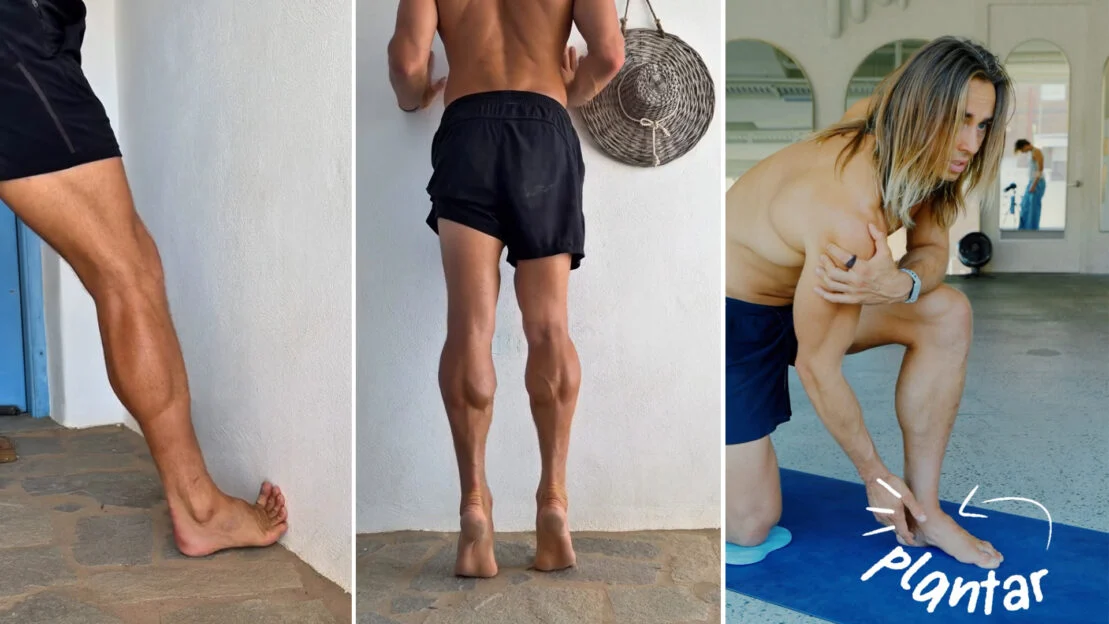
This movement targets the flexibility of the fascia directly. By placing the toes against a solid vertical surface (like a wall) while keeping the heel firmly planted, the individual creates a controlled stretch along the arch.
- The Execution: Once the stretch is felt, the foot is slid downward, ensuring the toes remain pointed upward while the sole of the foot stays in contact with the ground.
- The Goal: Holding this position for 30 seconds allows the fascia to elongate and recover from the habitual shortening that occurs due to inflammation.
2. Single Leg Slow Calf Raises
The health of the foot is inextricably linked to the strength of the lower leg. The calf muscles act as the primary stabilizers for the foot’s arch.
- The Execution: Standing on a flat surface, the individual rises onto their tiptoes. To increase the difficulty and promote symmetry, this should be performed on a single leg.
- Adaptation: For those in the early stages of recovery or those lacking the required balance, Blundell recommends performing the movement while seated or using both legs simultaneously to distribute the load. This builds the necessary capacity to handle body weight during the gait cycle.
3. Manual Foot Manipulation
Often overlooked, the intrinsic muscles of the foot require activation to support the arch effectively.
- The Execution: Blundell encourages spending several minutes each day spreading, lifting, and consciously controlling the movement of the feet. This “manual manipulation” helps re-engage the small muscle groups that stabilize the arch, reducing the burden placed on the plantar fascia during daily activity.
A Chronology of Recovery: Tracking Progress
Blundell emphasizes that recovery is not an overnight process but a metric-driven journey. He suggests a specific framework for monitoring progress:
- The Initial Assessment: Start with a baseline of pain. How does the first step of the morning feel?
- The Morning Test: This is the most critical diagnostic tool. If the pain upon waking is consistent or shows signs of improvement, the current rehab load is likely appropriate.
- The Adjustment Phase: If the pain feels noticeably worse the following morning, it is a clear indicator of overexertion. In this scenario, the load, the number of repetitions, or the range of motion must be scaled back.
- The Long-Term Outlook: Consistent, incremental progress is the goal. However, Blundell is quick to provide a professional caveat: if the condition persists for several weeks without improvement, or if the pain intensifies despite a reduction in activity, it is time to seek a formal medical assessment. Chronic pain can sometimes mask more severe structural issues, such as stress fractures or nerve entrapment, which require professional intervention.
Supporting Data and the Science of Longevity
The shift toward “active recovery” in treating soft tissue injuries is supported by a growing body of sports science. Studies have long shown that controlled loading—specifically eccentric and isometric exercises—stimulates collagen synthesis in tendons and ligaments. By applying tension to the plantar fascia in a controlled manner, patients are effectively signaling to the body to repair and strengthen the fibers, rather than simply letting them heal in a shortened, vulnerable state.
Furthermore, the integration of foot-strengthening exercises is increasingly common in elite athletic training programs. Athletes who incorporate foot-specific stability work show a lower incidence of common overuse injuries, reinforcing Blundell’s point that resilience is the ultimate goal of longevity.
Implications for Public Health
The widespread prevalence of Plantar Fasciitis highlights a broader issue in modern society: the neglect of the foot. With the advent of highly cushioned, supportive footwear, the intrinsic muscles of the human foot have largely been allowed to atrophy. We have essentially “outsourced” the work of our arches to our shoes.
Blundell’s influence—and his millions of followers—suggests that there is a growing appetite for a more empowered approach to physical health. When individuals learn to understand their anatomy and take ownership of their rehabilitation, they not only resolve the current injury but also reduce the likelihood of recurrence.
Conclusion: Turning Down the Volume vs. Building the Foundation
Ultimately, the lesson offered by “Elastaboy” is one of perspective. Pain is an signal, not just an annoyance to be silenced by medication. By viewing the pain of Plantar Fasciitis as a request for greater structural integrity, patients can transition from a state of injury to a state of performance.
Whether through the simple wall-based toe stretch or the dedicated work of calf strengthening, the path to recovery involves active participation. As Jake Blundell continues to share his methods, he is helping to demystify the process of healing, proving that for many, the road back to full activity is paved with consistency, patience, and a bit of stretching.
For those looking to integrate these practices into their daily routine, consistency is the key. As with any physical regimen, listening to the body’s feedback is paramount. By balancing the need for rest with the necessity of movement, the journey to a pain-free life is not only possible but well within reach.
To learn more about Jake Blundell’s ongoing initiatives in physical longevity and to see his exercise tutorials in action, you can follow him on Instagram at instagram.com/elastaboy.
Disclaimer
This article is for informational purposes only and does not constitute medical advice. Plantar Fasciitis can be caused by various underlying issues. Always consult with a physical therapist, podiatrist, or medical professional before beginning any new exercise program, especially if you are experiencing persistent or severe pain.