In a move that signals a paradigm shift for the American power sector, Entergy and Mitsubishi Heavy Industries (MHI) Group have officially entered into a memorandum of understanding (MoU) aimed at a radical transformation of power generation economics. The collaboration, which unites Entergy’s vast regional infrastructure with MHI Group’s advanced engineering prowess, is centered on a bold objective: reducing the costs of decarbonization by up to 50%.
By integrating state-of-the-art gas turbine technology with robust carbon capture and storage (CCS) systems, the partnership seeks to prove that the transition to a low-carbon energy future need not come at the expense of affordability or grid reliability.
The Core Mandate: Bridging Innovation and Commercial Viability
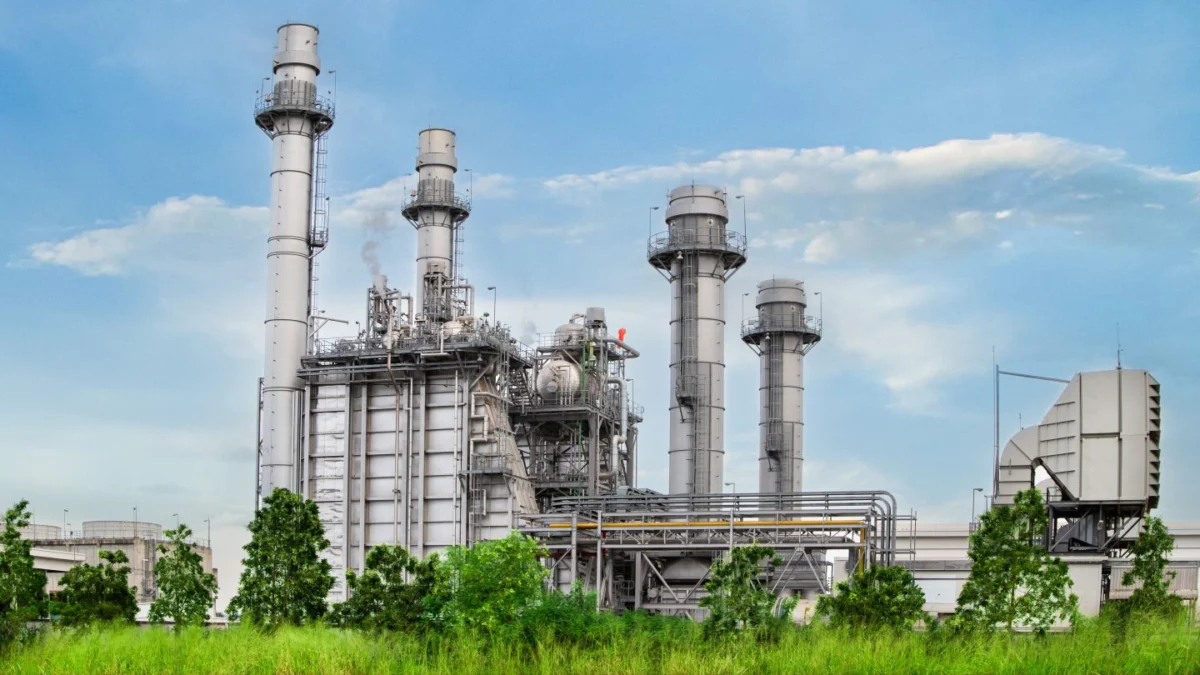
At the heart of the agreement are two key entities within the MHI umbrella: Mitsubishi Heavy Industries America (MHIA) and Mitsubishi Power Americas. The initiative focuses on the seamless integration of the M501JAC gas turbine—a cornerstone of modern, high-efficiency power generation—with proprietary carbon capture solutions developed by MHIA.
The fundamental challenge in decarbonizing the power sector has historically been the "green premium"—the additional cost required to implement carbon-mitigation technologies compared to traditional fossil-fuel methods. By creating a standardized, scalable deployment model, Entergy and MHI aim to bypass the inefficiencies of bespoke, one-off projects. Instead, they are moving toward a modular, "off-the-shelf" approach that promises to lower capital expenditures and streamline operational maintenance.
Chronology of a Growing Partnership
The current MoU is not an isolated event but the latest milestone in a long-standing industrial marriage. The relationship between Entergy and Mitsubishi Power Americas has evolved over several years, characterized by a series of successful projects that have laid the groundwork for this deeper, more systemic collaboration.
- Early Foundations: The two firms established their synergy through successful installations of gas turbine combined cycle (GTCC) units across Entergy’s service territory. These projects demonstrated the reliability of Mitsubishi’s hardware in demanding, large-scale utility environments.
- Expansion Phase (2024–2025): As Entergy accelerated its shift toward cleaner energy, the two companies expanded their GTCC programs, incorporating advanced operational data to optimize fuel efficiency and ramp rates.
- The Strategic Pivot (Mid-2026): Recognizing that incremental efficiency gains were insufficient for meeting long-term net-zero goals, leadership from both organizations began discussions on systemic carbon capture.
- The July 2026 MoU: The formal signing of the MoU marks the transition from individual asset upgrades to a fleet-wide strategy focused on CCS integration. This move positions the partnership as a leader in the broader movement to make CCS a mainstream utility asset rather than a pilot-scale novelty.
Supporting Data: Why the Gulf Coast is the Ideal Laboratory
The geographical positioning of Entergy’s assets plays a crucial role in the economic viability of this partnership. Entergy operates extensively across the US Gulf Coast, a region that provides a unique competitive advantage for carbon management.
The Pipeline Advantage
The region is home to the largest network of carbon dioxide (CO2) pipelines in the United States. This existing infrastructure significantly reduces the barrier to entry for power plants looking to transport captured emissions to permanent storage sites. Rather than building expensive new transport infrastructure, Entergy can leverage the proximity of these existing "arteries" to ensure that the CCS cycle remains cost-effective.
Geological Suitability
The Gulf Coast is characterized by deep saline aquifers and depleted oil and gas reservoirs, which are widely considered to be among the most suitable geological formations for long-term carbon sequestration. These formations act as secure vaults, locking away captured CO2 and minimizing the environmental risks associated with potential leakage.
The Technology Stack
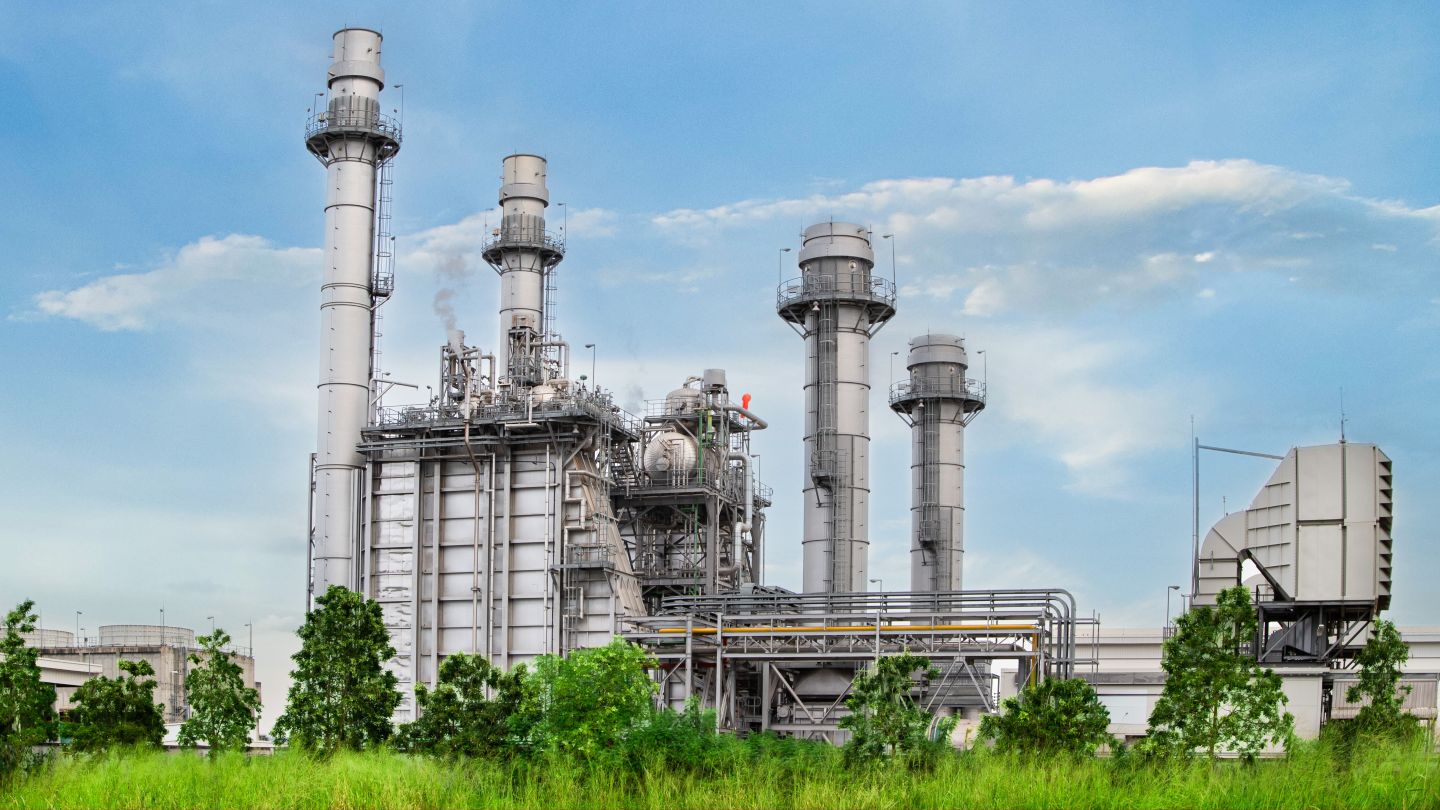
The M501JAC gas turbine, which serves as the workhorse for this initiative, is engineered to handle the thermal demands of integrated CCS systems. By utilizing advanced cooling technology and high-pressure ratios, these turbines offer industry-leading performance. When coupled with MHIA’s amine-based carbon capture processes, the resulting output provides a pathway to a significantly lower carbon intensity per megawatt-hour produced.
Official Responses: Aligning Vision with Execution
The leadership teams from both organizations have been vocal about the strategic necessity of this alliance. For Bill Newsom, President and CEO of Mitsubishi Power Americas, the partnership is about overcoming the "valley of death" that often traps new technologies before they reach mass adoption.
"Achieving meaningful decarbonization will require more than breakthrough technologies—it will require strong partnerships that make those technologies commercially viable," Newsom noted during the announcement. "This collaboration reflects our commitment to advancing practical decarbonization solutions that support both energy reliability and economic growth."
On the Entergy side, COO Kimberly Cook-Nelson emphasized that the partnership is driven by the mandate of the consumer. "Entergy is a customer-centric company, growing to meet our customers’ needs," Cook-Nelson stated. "Scale, strong partnerships, and standardization are keys to success. We are dedicated to providing reliable, affordable, clean power for our customers and communities because that is what they are asking us for."
Broader Implications for the Energy Sector
The implications of this agreement extend far beyond the immediate operations of the two companies. By targeting a 50% reduction in costs, the partnership is essentially setting a new "price-to-beat" for the industry.
The Standardization Movement
The energy industry has historically struggled with a "customization trap," where every power plant configuration is unique, driving up engineering and procurement costs. By moving toward standardized CCS-integrated GTCC designs, Entergy and MHI are providing a blueprint that other utilities may eventually adopt. If this model proves successful, it could trigger a ripple effect, encouraging wider adoption of CCS across the global power sector.
Balancing Reliability and Sustainability
A recurring tension in the energy transition is the perceived conflict between intermittent renewable energy and the need for 24/7 grid reliability. Gas turbines provide the necessary dispatchable power that wind and solar currently struggle to match during peak demand or prolonged lulls in generation. By decarbonizing the gas turbine itself, this partnership offers a "best-of-both-worlds" scenario: the reliability of thermal generation with a carbon footprint that aligns with modern environmental standards.
Economic Development and Energy Security
For the states served by Entergy, the ability to maintain a competitive industrial base while hitting carbon targets is vital for economic health. Low-cost, reliable, and clean power is a primary attractor for high-tech manufacturing and data center growth. Consequently, this partnership isn’t just about environmental stewardship; it is a strategic economic development tool that secures the long-term energy security of the Gulf Coast.
Conclusion: A Blueprint for the Future
As the energy sector moves into the latter half of the 2020s, the focus is shifting from "what" technology to use to "how" to scale it efficiently. The alliance between Entergy and MHI Group is a definitive answer to that question. By leveraging regional geographic advantages, technical synergy, and a commitment to standardization, the two companies are taking a significant step toward neutralizing the financial hurdles of decarbonization.
Whether this model will successfully reduce costs by the projected 50% remains to be seen as the projects move from the drawing board to the construction phase. However, the precedent is clear: the path to a sustainable power grid will be paved by those who can prove that green energy is not just an ethical imperative, but an economic one. As other global players observe this initiative, the "Entergy-MHI model" may well become the standard for the next generation of power utility transformations worldwide.