As the global energy landscape undergoes a seismic shift toward decentralization and decarbonization, the traditional electricity grid is being pushed to its operational limits. With intermittent renewable energy sources, the rise of electric vehicles (EVs), and increasingly unpredictable load patterns, grid operators are facing unprecedented complexity. In this environment, Artificial Intelligence (AI) has emerged not merely as a buzzword, but as a critical infrastructure toolset. However, as the sector balances innovation with the non-negotiable requirement for grid stability, the path to widespread AI integration is paved with both immense promise and significant technical hurdles.
Main Facts: The Strategic Role of AI in Modern Power Networks
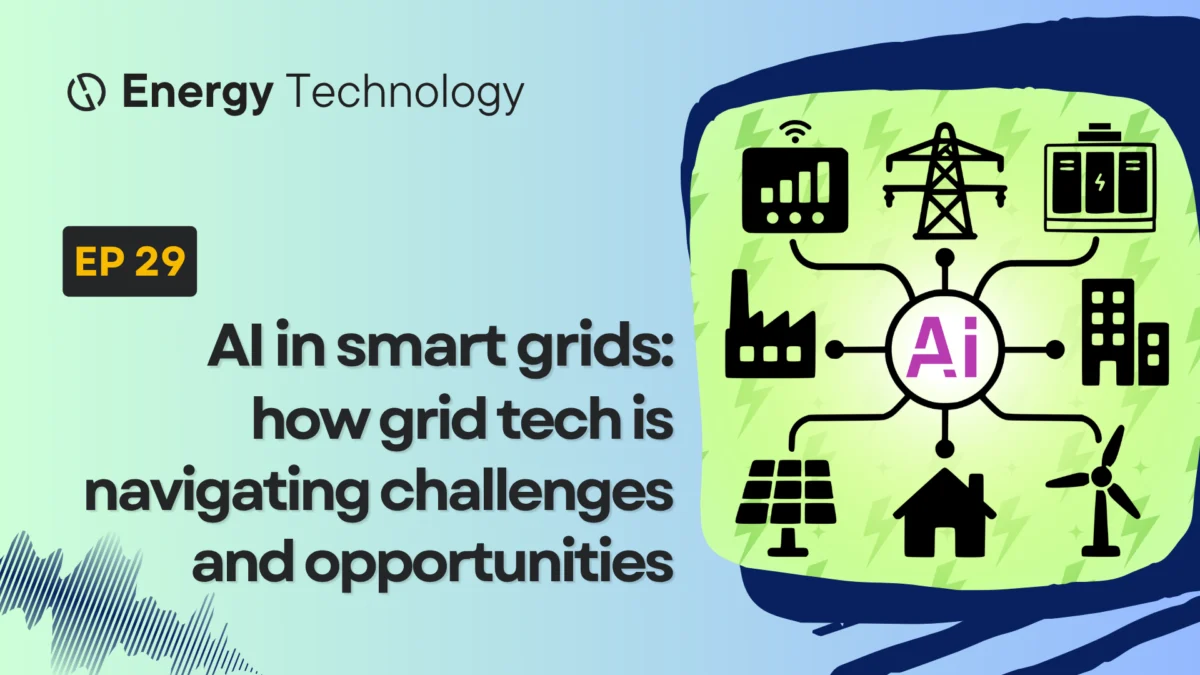
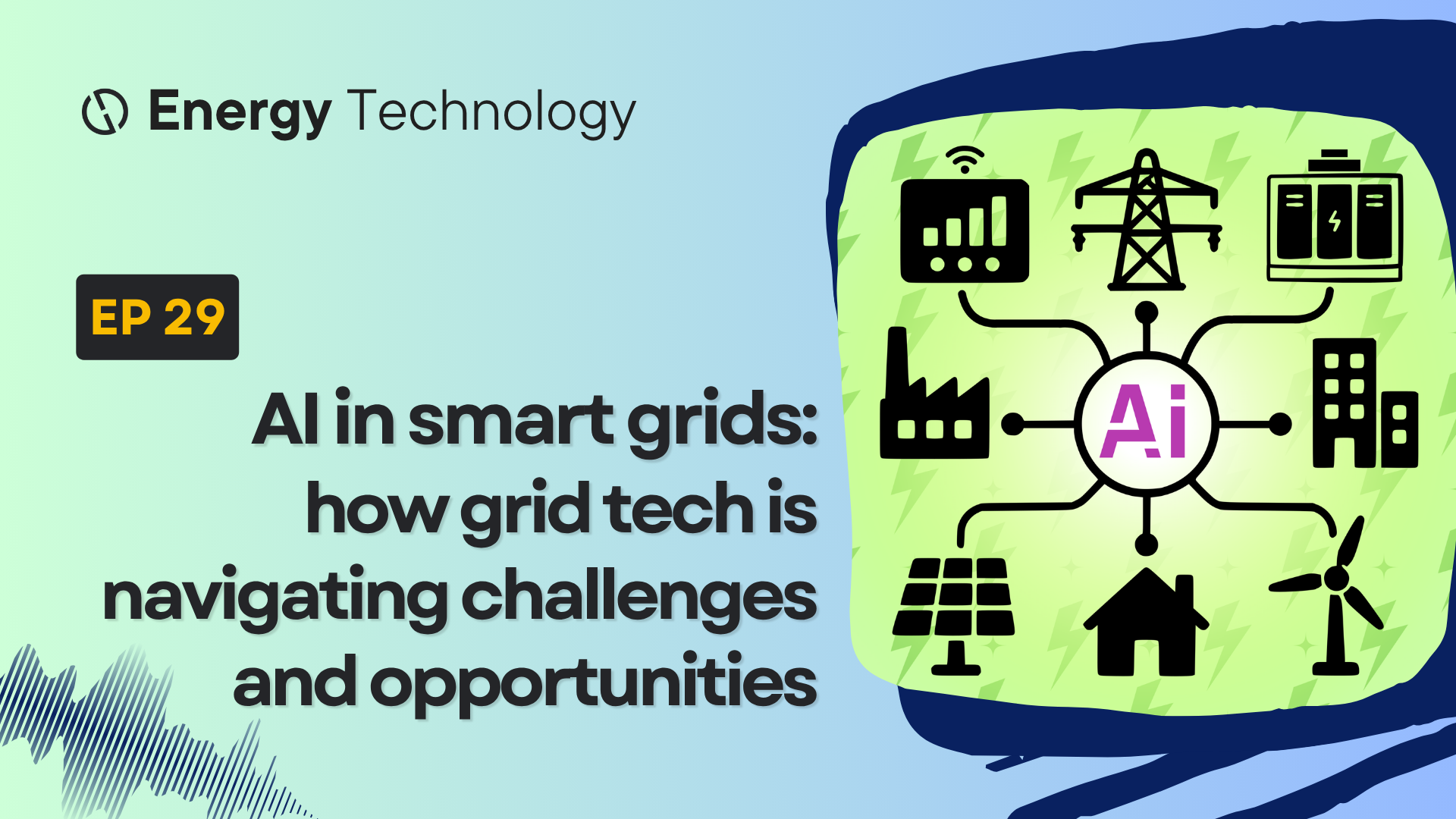
At its core, the integration of AI into smart grids represents a transition from reactive, manual grid management to proactive, autonomous optimization. AI is currently being deployed across the entire value chain—from long-term transmission planning and predictive maintenance to real-time, edge-device control.
The primary driver for this adoption is the sheer volume of data generated by modern Internet of Things (IoT) sensors and smart meters. By leveraging machine learning (ML) models, utilities can process these continuous data streams to identify patterns invisible to the human eye. According to Rehaan Shiledar, senior power industry analyst at GlobalData and author of the 2026 Smart Grids report, this capability is revolutionary. "AI’s integration across grid infrastructure is no longer merely a technological add-on but a transformative force reshaping generation, transmission, and distribution," Shiledar notes. By enabling real-time monitoring and predictive diagnostics, AI helps utilities minimize downtime, extend the lifespan of aging assets, and prevent costly operational overruns.
Chronology of Development: From Static Grids to Intelligent Networks
The evolution toward the "AI-enabled grid" has occurred in three distinct phases:
- The Digitization Phase (2010–2018): The industry focused on rolling out Advanced Metering Infrastructure (AMI) and basic Supervisory Control and Data Acquisition (SCADA) systems. This established the digital foundation—the "data lakes"—that would later prove essential for AI.
- The Analytical Phase (2019–2024): With data available, utilities began deploying descriptive and diagnostic analytics. This period saw the rise of basic digital twins and improved fault detection systems, though these were largely siloed and human-dependent.
- The Autonomous/Agentic Phase (2025–Present): We have now entered the era of "agentic" grid management. AI is no longer just reporting on grid health; it is actively proposing, and in some cases executing, optimizations. Technologies like inertia forecasting and automated connection request simulations have become the new frontier, significantly reducing the administrative and analytical burden on human grid operators.
Supporting Data and Technical Realities
The deployment of AI is highly specific to the grid’s physical constraints. Unlike software in other sectors, grid AI must adhere to the laws of physics.
- Predictive Maintenance: AI models are now capable of analyzing thermal signatures and vibration data from transformers to predict failures weeks in advance. This transition from "time-based" to "condition-based" maintenance is projected to save the industry billions in capital expenditure annually.
- Inertia Management: Talal Eskandar, executive managing director at Reactive Technologies, highlights the use of ML in maintaining system stability. "We use machine learning and AI algorithms to predict, under certain conditions, how grid inertia will look," Eskandar explains. "These insights allow operators to maximize the full capacity of their existing assets efficiently."
- The Data Gap: Despite these gains, the industry faces a "fragmentation" crisis. Low-voltage networks often suffer from missing or inaccurate data points. While traditional software struggles with these gaps, new hybrid approaches are emerging. Companies like Plexigrid are pioneering methods that combine AI analytics with physics-based modeling, allowing operators to "fill in the gaps" by training models on well-instrumented grids and applying those insights to less-developed areas.
Official Responses and Expert Perspectives
The transition to AI is not being met with blind optimism. Leaders in the field are advocating for a "cautious-by-design" approach.
Ralf Blumenthal, SVP Europe at Siemens Grid Software, emphasizes the necessity of data hygiene before deployment. "We need to be very selective in using AI for where it makes sense," Blumenthal states. He argues that AI is only as good as the underlying "Single Source of Truth." Without a consistent, electrically viable digital twin, AI risks introducing "hallucinations" or errors into critical infrastructure, which is unacceptable for an industry that prioritizes safety above all else.
Linda-Maria Wadman, chief commercial officer at Plexigrid, reinforces this sentiment regarding the human element. "Adoption will likely start with ‘operator-in-the-loop’ advisory systems before moving towards more automated, closed-loop control over time," she says. This tiered approach—starting with AI as an advisor rather than a decision-maker—is the industry’s chosen path to building institutional trust.
Implications for the Future: Challenges to Widespread Adoption
For AI to achieve its full potential, the energy sector must overcome five structural blockers:
- Data Consistency: Energy companies must unify their data architecture. An AI model trained on inconsistent, siloed data will yield unreliable outcomes.
- Interpretability: In regulated environments, "black box" AI models are a liability. Operators need to understand why an AI suggests a specific grid reconfiguration. Explainable AI (XAI) will be a mandatory requirement for future grid software.
- Cybersecurity: As the grid becomes more connected and automated, the attack surface for bad actors expands. AI systems must be secured against data poisoning and adversarial attacks that could destabilize energy flows.
- Legacy Integration: Much of the world’s grid infrastructure was built decades ago. Integrating high-speed AI processing with "brownfield" legacy hardware remains a significant cost and engineering hurdle.
- Regulatory Uncertainty: Regulations move slower than technology. There is a pressing need for updated regulatory frameworks that encourage innovation while clearly defining liability in the event of an AI-driven grid error.
Conclusion: A Measured Path Forward
The integration of AI into smart grids is an ongoing journey, not a singular event. As the industry moves toward a more decarbonized future, the marriage of physics-based engineering and advanced machine learning will be the defining technological narrative of the next decade.
The consensus among experts like Shiledar, Blumenthal, and Wadman is clear: AI is not a replacement for grid expertise, but an essential multiplier. As vendors prove the reliability of these tools through real-world performance, the industry will gradually transition from pilot projects to system-wide adoption. For the power sector, the message is one of measured progress: build a solid data foundation, prioritize trustworthiness, and allow AI to solve the complexity that human intervention alone can no longer manage.
To stay updated on these developments, listen to the ‘Energy Technology’ podcast, available weekly on Spotify, Apple Podcasts, and Amazon, where journalists and industry experts discuss the latest innovations transforming the power, oil, and gas sectors.