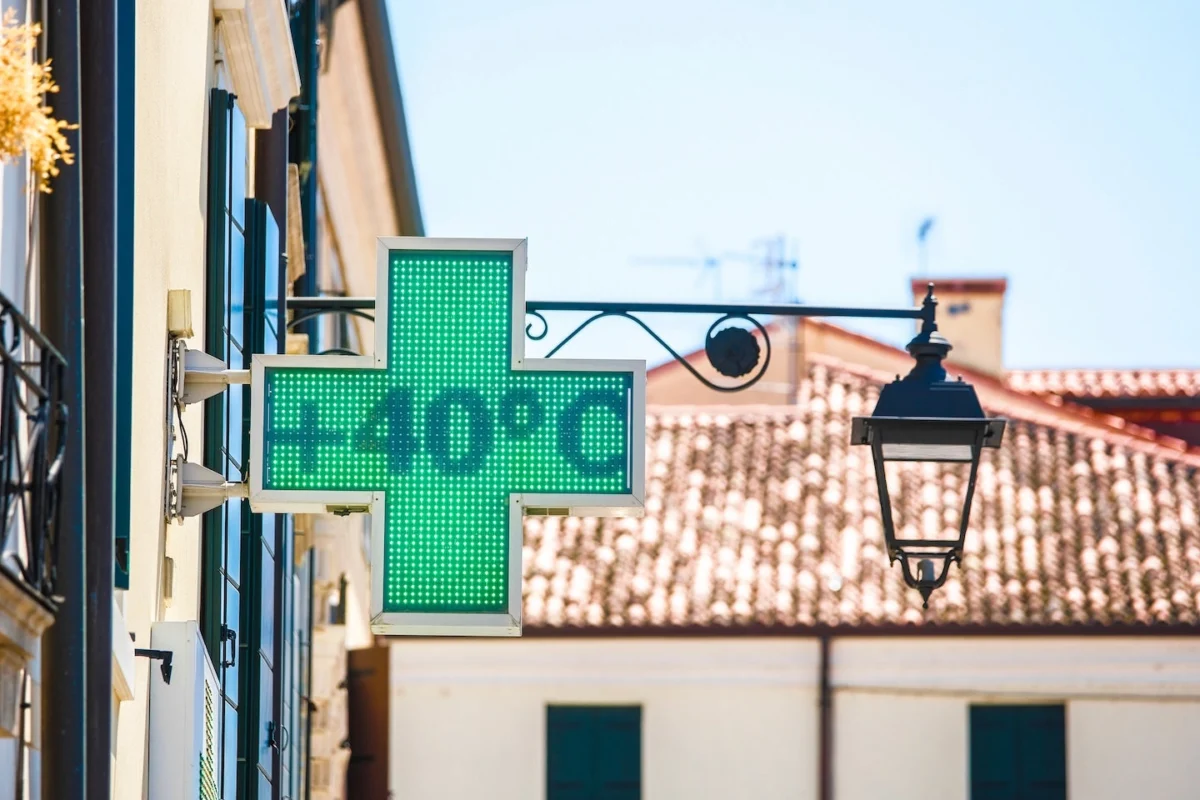
As global temperatures continue to rise, the European continent—historically reliant on moderate climates—is facing a paradigm shift in its energy infrastructure. The rapid proliferation of air conditioning (AC) units is no longer a luxury but an escalating necessity, creating a profound strain on power grids designed for a cooler era. This article explores the systemic implications of this cooling revolution and how European utility providers are scrambling to adapt.
Main Facts: The New Summer Reality
The European energy landscape is undergoing a transformation driven by climatic necessity. For decades, the peak load on European power grids was predominantly winter-centric, dictated by heating requirements and shorter daylight hours. However, the last decade has seen a dramatic pivot toward "summer peaking."
The primary driver is the widespread adoption of air conditioning. In countries like Italy, Spain, and Greece, AC units are now ubiquitous. Furthermore, even in historically temperate nations like Germany, France, and the UK, residential and commercial cooling installations have seen double-digit growth rates annually.
This trend creates a "double-jeopardy" scenario for grid operators:
- Demand Spikes: AC units consume significant amounts of electricity, often peaking simultaneously during the hottest hours of the afternoon.
- Efficiency Loss: Thermal power plants, particularly those reliant on water cooling (nuclear and coal), see their efficiency drop as ambient temperatures rise, while the cooling capacity of high-voltage transmission lines decreases due to thermal expansion.
Chronology: From Comfort to Critical Infrastructure
The Pre-2010 Era: The "Winter Peak" Paradigm
Historically, the European energy system was built to handle the "winter peak." Infrastructure was hardened against freezing temperatures, and capacity planning focused on heating loads. AC usage was largely confined to commercial office buildings in Southern Europe.
2015–2020: The Heatwave Catalyst
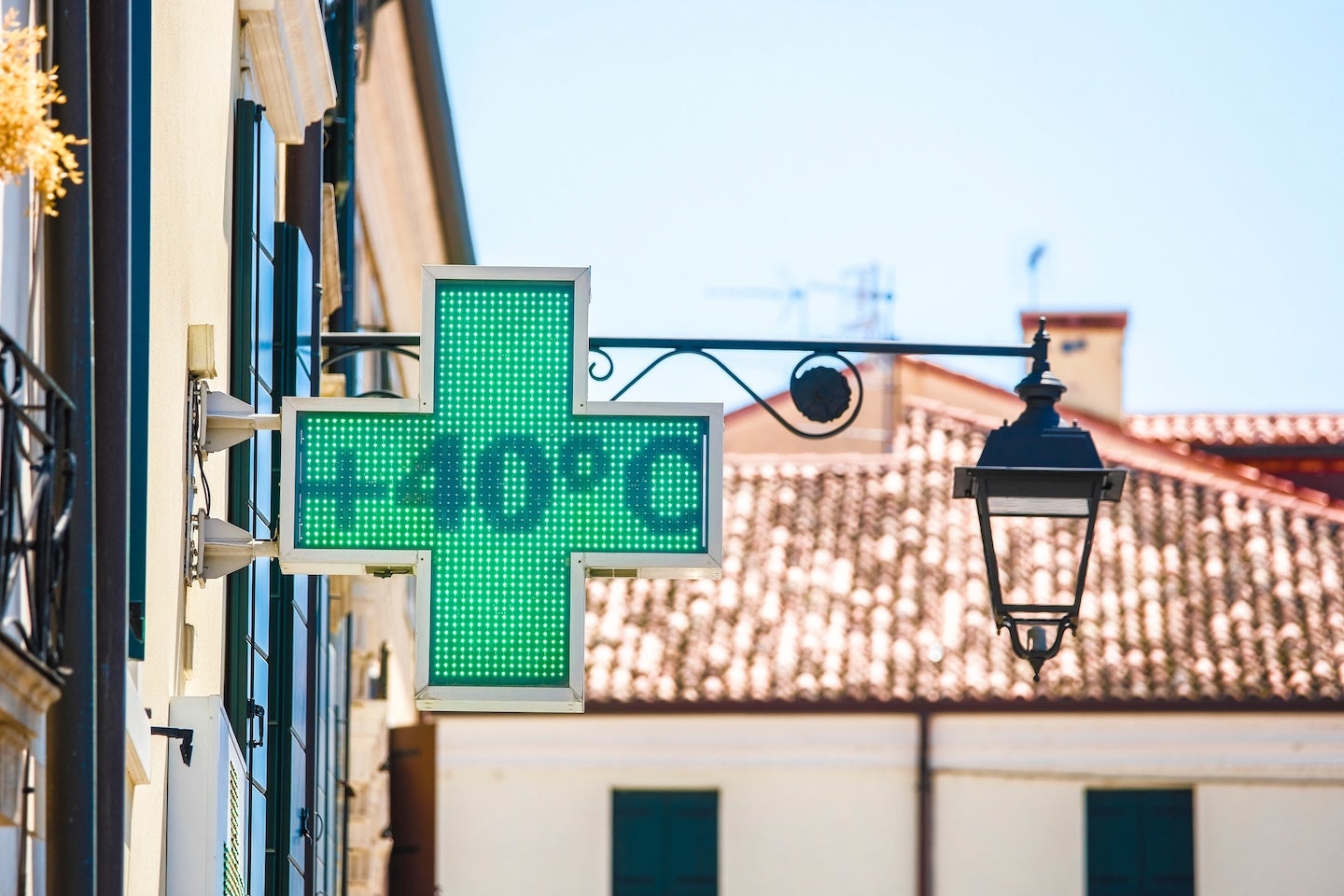
A series of unprecedented heatwaves across Europe served as a wake-up call. The 2018 and 2019 summer heatwaves pushed energy grids to their limits, highlighting that cooling demand was no longer a fringe variable in seasonal load forecasting.
2021–2023: The Great Acceleration
Post-pandemic, the rise of remote work changed building usage patterns. Combined with the record-breaking temperatures of 2022 and 2023, AC sales skyrocketed. Industry analysts began noting that the "AC load" was becoming a permanent, rather than transient, feature of the summer energy mix.
2024 and Beyond: The Adaptation Phase
We are currently in a period of urgent grid reinforcement. Utilities are now transitioning toward "smart grid" technologies, integrating battery storage and demand-side management to prevent blackouts during peak cooling hours.
Supporting Data: The Scale of the Challenge
Data from the International Energy Agency (IEA) and regional Transmission System Operators (TSOs) paint a sobering picture:
- Load Growth: In Southern Europe, peak electricity demand during heatwaves has increased by approximately 15–20% over the last decade due almost exclusively to cooling requirements.
- The Cooling Gap: Less than 10% of European households had AC in 2000; that number is projected to exceed 35% by 2030.
- Grid Stress: During peak heat events, the marginal cost of electricity frequently hits record highs, as less efficient "peaker" plants must be brought online to meet the cooling demand.
- Transmission Efficiency: Research indicates that for every 1°C increase in ambient temperature above 30°C, the transmission capacity of overhead lines can drop by up to 2% due to heat-induced sagging.
Official Responses and Policy Shifts
Regulatory bodies, including the European Commission, have begun to integrate cooling efficiency into the "Fit for 55" legislative package.
Regulatory Mandates
The European Union is increasingly focusing on the "Energy Efficiency First" principle. Official responses have prioritized:
- Building Renovation Waves: Incentivizing the insulation of homes to reduce the cooling load, rather than just increasing the supply of electricity.
- Heat Pump Integration: Encouraging the switch to reversible heat pumps, which provide both heating and cooling, thereby optimizing year-round energy usage.
- Demand Response Programs: TSOs are launching incentive programs that reward large-scale commercial entities for lowering their AC usage during critical grid stress hours.
The Utility Perspective
Major utility providers like Enel, Iberdrola, and E.ON have publicly committed to "Digitalizing the Grid." This involves deploying AI-driven monitoring systems that can predict local load spikes caused by sudden heat surges, allowing for automated load-balancing and the preemptive dispatch of decentralized energy resources (DERs).
Implications: A System at the Breaking Point
The adaptation of European grids to the AC boom has far-reaching implications for the future of the energy transition.
1. The Decentralization Imperative
The centralized grid model is struggling to keep up with the distributed nature of AC units. The solution lies in localized microgrids and behind-the-meter battery storage. By allowing homes and businesses to store energy generated from solar panels during the day, they can "self-consume" that power during the afternoon peak, effectively removing the load from the main grid.
2. The Conflict with Decarbonization
There is an inherent irony in the current trend: as the climate warms, we use more electricity for cooling, which, if generated by fossil fuels, further warms the planet. The grid’s ability to transition to renewable energy sources—particularly solar—is the only long-term solution. Solar generation and peak cooling demand are highly correlated, which is a rare alignment of supply and demand that the industry must capitalize on.
3. Economic and Social Equity
The "cooling divide" is emerging as a socio-economic issue. Vulnerable populations, particularly in urban heat islands, face significant risks to health and productivity. Ensuring that grid stability does not lead to prohibitive electricity costs—which would exclude lower-income families from basic cooling—is a primary concern for European policymakers.
4. Technical Innovation
The future of grid management will rely on "Vehicle-to-Grid" (V2G) technology. With the rise of electric vehicles, the massive batteries in parked cars could potentially be used as a distributed energy resource to stabilize the grid during heat-induced peak demand, effectively turning a fleet of vehicles into a giant, mobile power plant.
Conclusion: Engineering the Future
The adaptation of European energy grids to the rise of air conditioning is not merely a technical challenge; it is a fundamental test of the continent’s infrastructure resilience. The old model of a passive, one-way distribution system is dead. In its place, we are seeing the birth of an intelligent, interactive grid.
The path forward requires a tri-fold approach: aggressive investment in transmission and distribution infrastructure, the widespread adoption of smart-home cooling technologies, and the continued integration of renewable energy sources that align with peak cooling patterns.
As we look toward the next decade, the ability of Europe to navigate this transition will determine not only the stability of its energy markets but also the quality of life for its citizens in an increasingly warming world. The "AC revolution" is here, and the grid must grow up—and fast—to meet it.