In a significant stride toward stabilizing India’s renewable energy landscape, ACME Solar has finalized a long-term financing agreement with the Power Finance Corporation (PFC). The Rs34bn ($355m) credit facility is earmarked for the development and construction of the ACME Urja One (Phase-III) project, a sophisticated 250MW Fully Dispatchable Renewable Energy (FDRE) initiative.
This financial milestone represents a cornerstone of ACME Solar’s strategic expansion, reinforcing its position as a key player in the global transition toward sustainable, reliable, and round-the-clock (RTC) green energy.
The Core Project: Engineering Reliability in Renewables
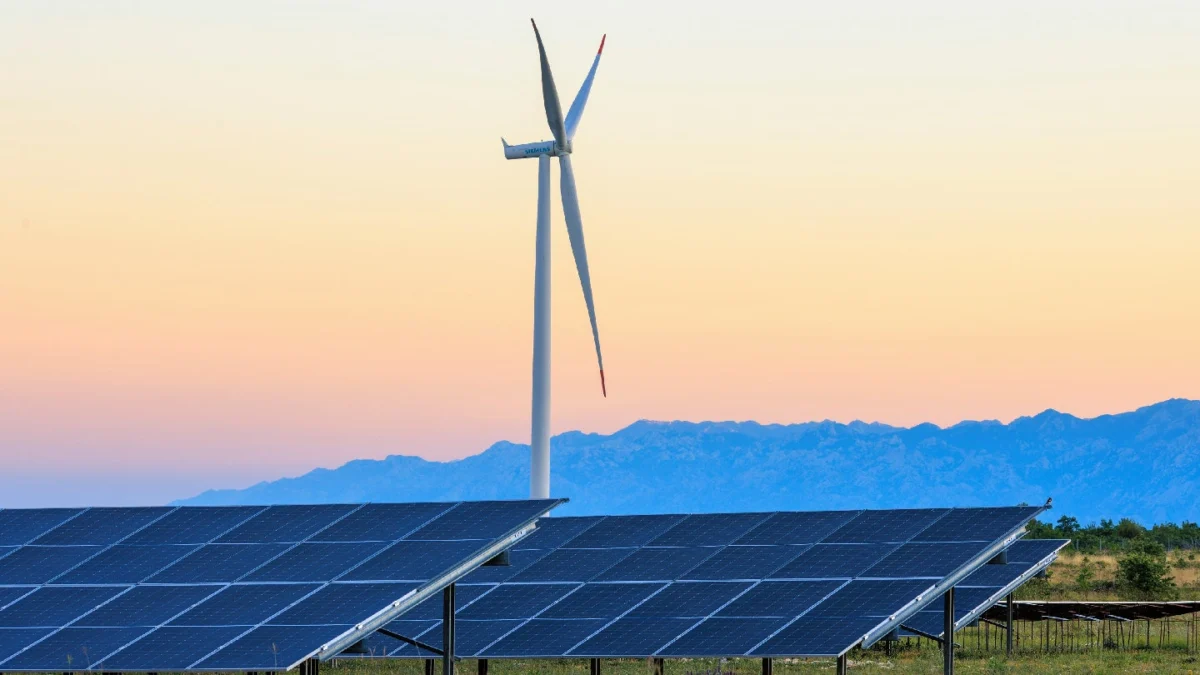
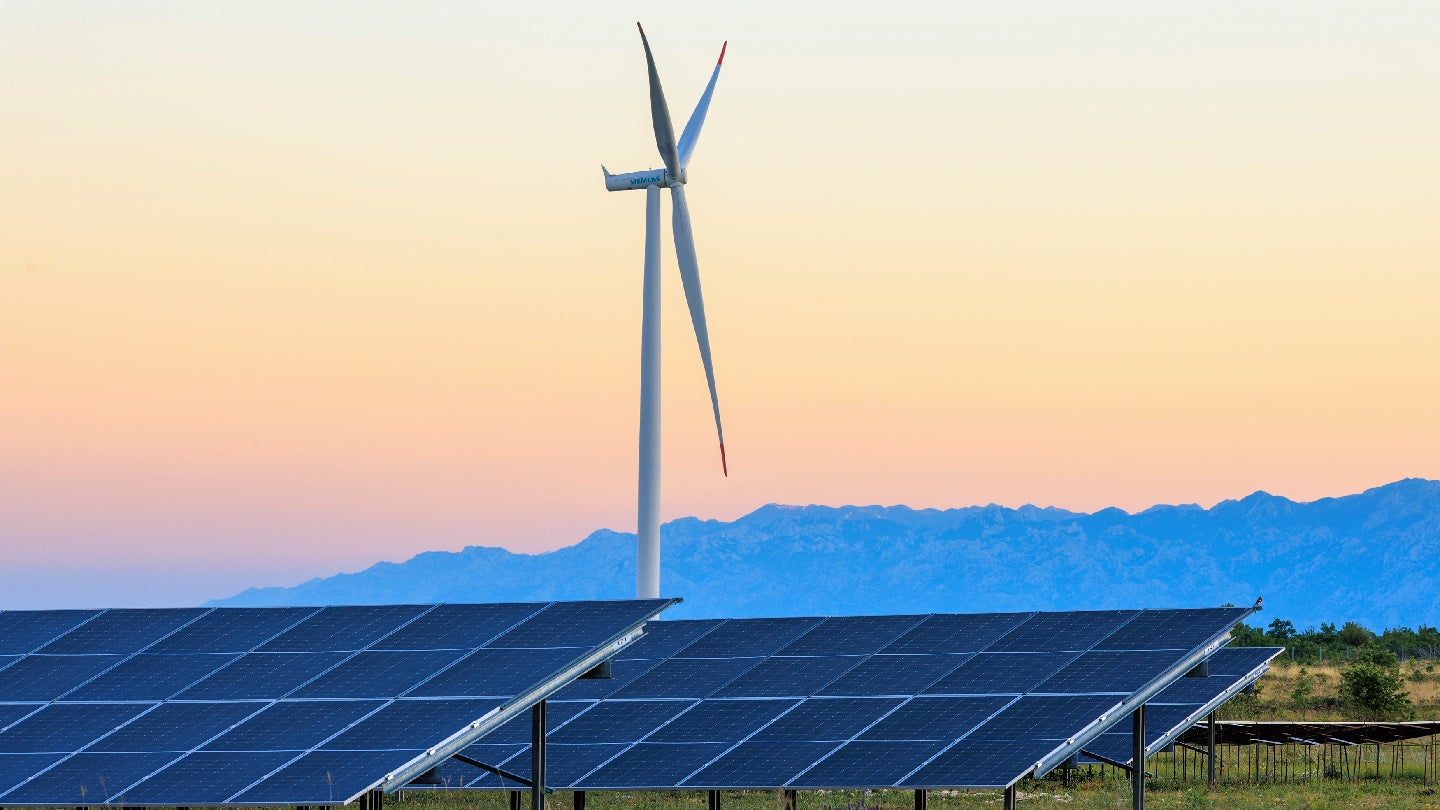
The ACME Urja One (Phase-III) project is not merely another solar farm; it is a high-tech hybrid installation that addresses the traditional "intermittency" challenge associated with renewable energy. By integrating wind, solar, and Battery Energy Storage Systems (BESS), the project aims to deliver "Fully Dispatchable" power—meaning the energy can be supplied to the grid exactly when it is needed, mirroring the predictability of traditional fossil fuel-based plants.
The project is strategically geographically diversified. Infrastructure is being established across Jamkhambhaliya in Devbhumi Dwarka, Gujarat, and Fategarh-II in Jaisalmer, Rajasthan. By tapping into the distinct wind and solar resource profiles of these two states, ACME Solar maximizes the efficiency of its generation mix, ensuring that the BESS components are optimized to bridge the gaps between peak generation and peak demand.
Chronology: A Trajectory of Growth
The journey to this financial closure has been marked by rigorous planning and systematic execution:
- Project Inception and Design: Conceptualization of the 250MW FDRE hybrid model, focusing on cross-state resource optimization.
- PPA Acquisition: ACME Solar successfully concluded a 25-year Power Purchase Agreement (PPA) with NHPC, the state-run hydropower giant. The agreement set a tariff of Rs4.33 per unit, a figure that has received formal ratification from both state and central regulatory bodies.
- Site Preparation: Over the past year, the company has completed critical pre-construction milestones, including land acquisition in Gujarat and Rajasthan and the formalization of grid connectivity agreements.
- Funding Milestone: The recent agreement with PFC as the sole lender marks the transition into the primary construction phase. This 19-year loan agreement provides the long-term capital stability required for such capital-intensive infrastructure.
- Commissioning Timeline: With construction currently tracking on schedule, ACME Solar has targeted full commercial commissioning of the Phase-III project for the upcoming calendar year.
Supporting Data: Scaling the Portfolio
ACME Solar’s financial health and operational footprint are growing in tandem. The Rs34bn secured for this project contributes to a total of Rs60bn in project finance raised by the company in the current financial year alone.
The scale of the company’s operations is underscored by its current portfolio metrics:
- Total Capacity: 8.07GW across wind, solar, storage, and hybrid solutions.
- Operational Footprint: 2.99GW currently online and under contract.
- Under-Construction Capacity: 5.08GW currently in various stages of deployment.
- BESS Integration: 3.62GW-hours of BESS capacity is currently under construction, highlighting the company’s aggressive move toward energy storage solutions.
- PPA-Signed Pipeline: A robust 3.88GW of under-construction projects are already backed by signed long-term PPAs, ensuring revenue visibility for the next two decades.
This growth trajectory was further bolstered in March, when ACME Solar successfully commissioned a 155MW/470.25MW-hours BESS facility in Rajasthan, which was integrated directly into the inter-state transmission network.
Strategic Implications for the Indian Energy Market
The ACME Urja One project serves as a template for the future of India’s power grid. Historically, the intermittent nature of solar and wind energy has limited their share in the national energy mix, as grid operators preferred the "baseload" reliability of coal-fired thermal plants.
1. The Shift to FDRE
The integration of BESS allows developers to store excess energy generated during peak sunshine or high-wind hours and release it during high-demand windows, such as the evening peak. By winning a PPA at Rs4.33/unit, ACME Solar has demonstrated that dispatchable green power is becoming increasingly cost-competitive with conventional energy sources.
2. Regulatory and Financial Confidence
The role of the Power Finance Corporation as the sole lender indicates a growing institutional appetite for complex renewable projects. For financial institutions, the "dispatchability" of the project significantly lowers the risk profile, as the project is less vulnerable to grid-curtailment issues that often plague pure-play solar or wind farms.
3. Economic and Environmental Impact
By developing projects in Rajasthan and Gujarat, ACME Solar is leveraging the high solar irradiance of the Thar Desert and the robust wind corridors of the Gujarat coast. This project contributes to India’s ambitious target of achieving 500GW of non-fossil fuel capacity by 2030, while simultaneously boosting local economies through infrastructure investment and job creation in the energy sector.
Looking Ahead: The Future of Hybrid Energy
As the global energy market transitions, the ability to provide "round-the-clock" renewable energy will determine the winners in the sector. ACME Solar’s strategy of building large-scale, storage-backed hybrid plants addresses the primary bottleneck of the green transition.
Industry analysts suggest that the success of the ACME Urja One (Phase-III) project will likely trigger a ripple effect, encouraging more developers to pivot away from standalone solar or wind projects toward hybrid systems that offer higher grid reliability. With 3.88GW of PPA-signed projects still in the pipeline, ACME Solar is well-positioned to maintain its momentum.
"The commissioning of this project will be a testament to our commitment to delivering reliable, sustainable, and affordable power to the national grid," a company spokesperson noted. As the project enters its final phases of construction, the focus will shift to grid synchronization and the testing of the advanced BESS management software that will govern the dispatch of power.
Conclusion
The Rs34bn financing deal between ACME Solar and PFC is more than a financial transaction; it is a signal of the maturation of the Indian renewable energy market. By bridging the gap between generation and supply, ACME Solar is helping to redefine the grid of the future. As India marches toward its net-zero goals, projects like the ACME Urja One (Phase-III) represent the technical and financial innovation required to make a clean, reliable power supply a reality for millions of homes and industries across the nation.
With a solid portfolio, clear regulatory support, and a growing storage footprint, ACME Solar stands at the vanguard of the energy transition, proving that the future of power is not only green but also remarkably reliable.