By Sam Johnston
Lead Guide, Montana River Guides; Instructor and Spill Responder, WRI
The Marañón River, the principal headwaters of the Amazon, is more than just a waterway; it is a sprawling, untamed artery of the Andes that commands absolute respect. For the kayaker, it is a landscape of profound beauty and unforgiving consequence. In March 2026, I embarked on a self-supported expedition through this formidable terrain. While the journey was a triumph of endurance, it served as a harrowing reminder of the thin margin between professional expertise and catastrophic failure.
Main Facts: A Commitment to the Unknown
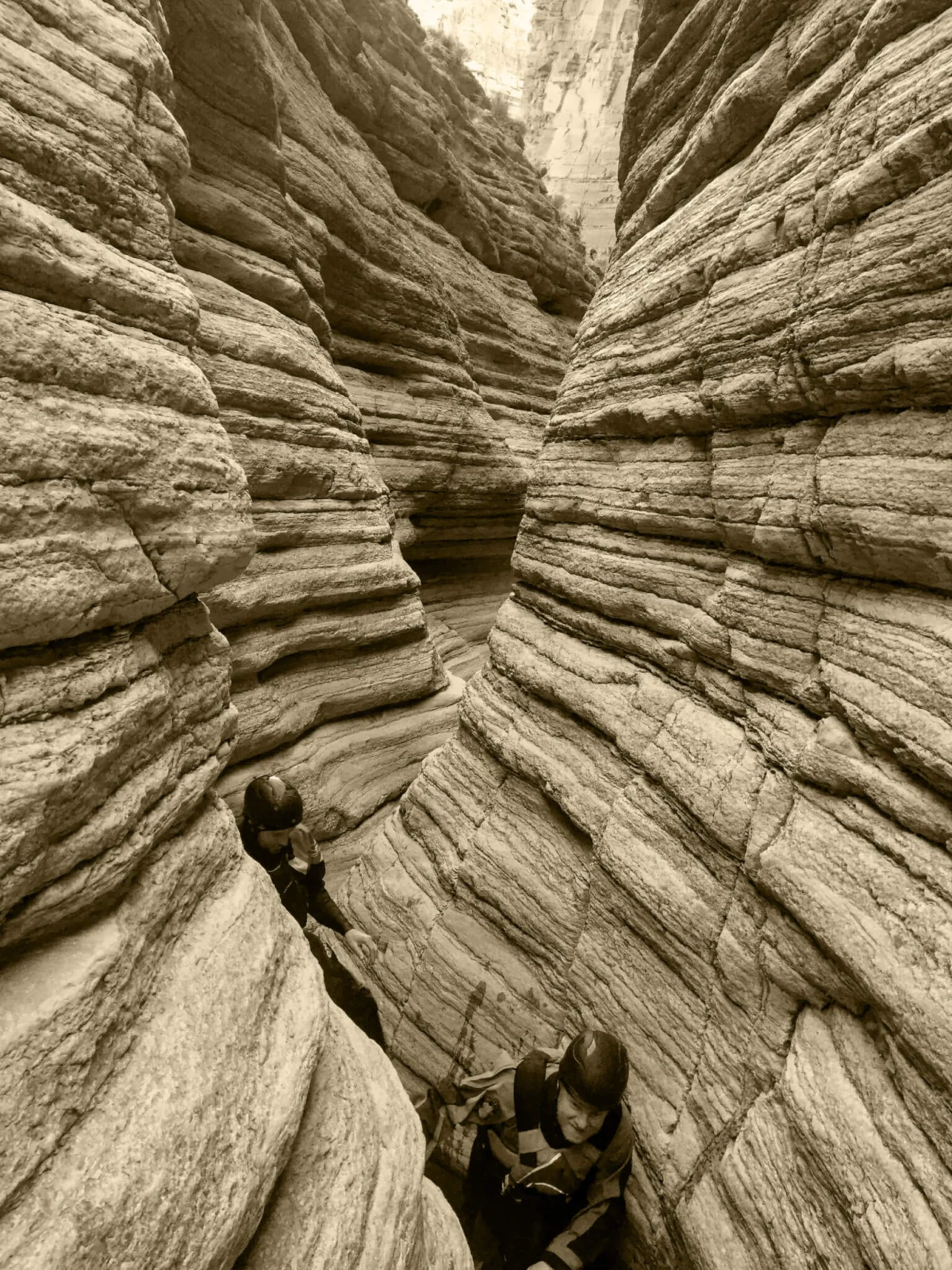
Expedition kayaking, particularly in remote regions like the Peruvian Andes, is an exercise in extreme self-reliance. Our team operated in the "Inner Gorge," a section defined by towering canyon walls and relentless whitewater where the nearest medical facility or road access was over 100 miles away.

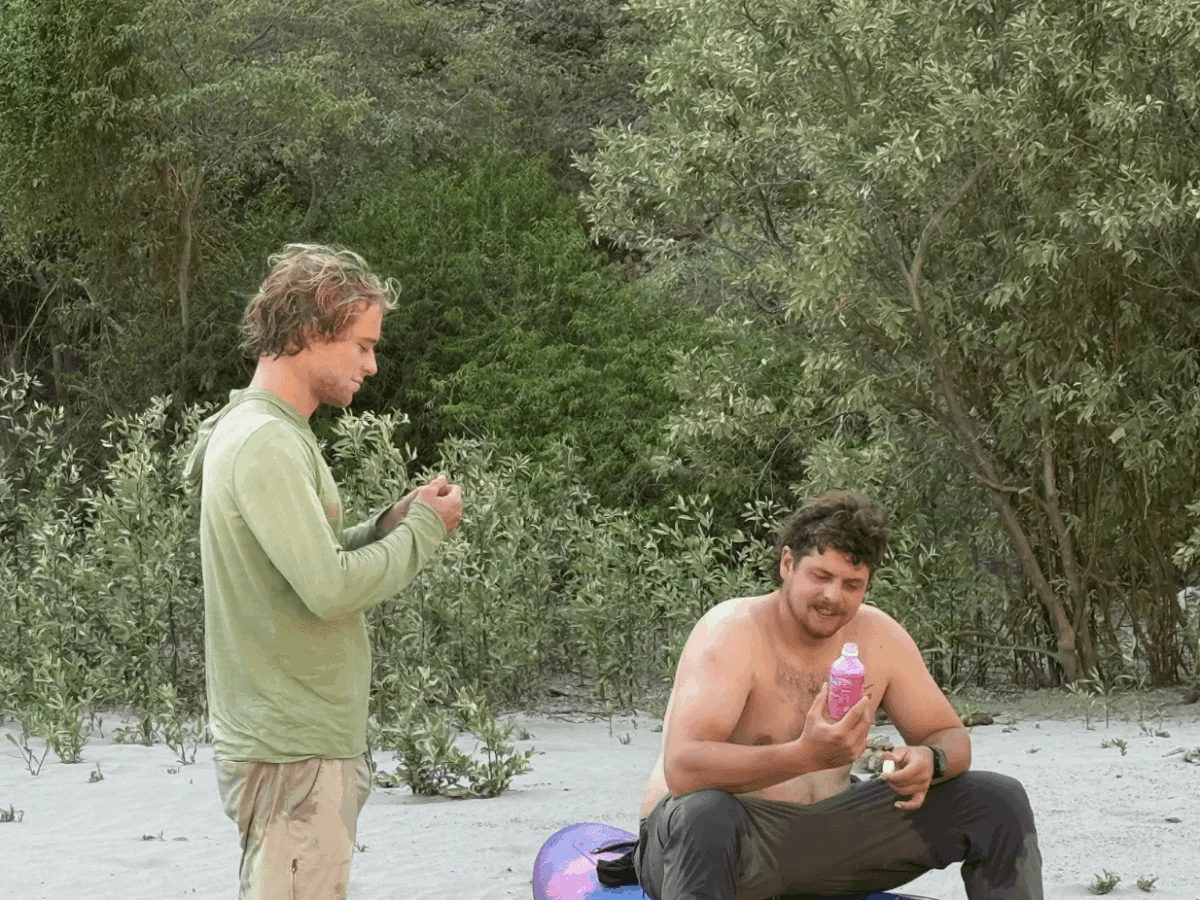
The primary incident that defined our trip occurred during a routine pause near the "Wassson’s Slide." While scouting, a boulder weighing several hundred pounds—which I had instinctively treated as stable—dislodged under my hand. It plummeted toward my teammate, Dayton, who was standing in the shallows below. The boulder wedged itself between two others just inches from his feet. That moment of near-tragedy, born from a lapse in situational awareness, became the catalyst for a broader reflection on the technical protocols we teach at the Whitewater Rescue Institute (WRI).
Chronology: From Strategy to Survival
The expedition was not merely a series of rapids; it was a progression of environmental and physical stressors.
- Phase I: The Approach: We navigated the initial sections of the Upper Canyon with meticulous scouting. Every rapid was analyzed, and portage lines were mapped.
- Phase II: The Physical Toll: Nearing the end of the Upper Canyon, the team encountered a debilitating wave of illness. Three of our five members were physically incapacitated, unable to retain fluids.
- Phase III: The Crisis of Decision: Stranded under a bridge in a remote village in Ancash, the team faced a dire situation. With local medical supplies consisting of unverified antibiotics and limited communication, we had to determine whether to evacuate or continue. This period highlighted how severely physical exhaustion and dehydration degrade cognitive function.
- Phase IV: The Inner Gorge: The final push through the most committing whitewater of the trip. It was here that my own technical skills were tested by a mistimed stroke in a hole, forcing a rapid, high-stakes roll that left me scraping against the canyon floor—a stark reminder of the difference between having a "hope" and having a "plan."
Supporting Data: The Anatomy of Risk
The risks on the Marañón were compounded by environmental factors that are often overlooked in standard safety briefings.

- Dehydration and Cognitive Decline: Research in high-stress wilderness environments suggests that even 2% dehydration can lead to a 10-15% decrease in cognitive performance. For our team, the illness in Ancash meant our decision-making capacity was likely functioning at 60-70% of peak efficiency.
- Scene Size-Up Limitations: Standard swiftwater protocol dictates a comprehensive scene size-up. However, our near-miss at Wasson’s Slide proved that we often fall into the trap of "task-fixation." We scouted the rapid, but we failed to scout the "safe" zone—the lunch spot—where the actual danger manifested.
- The "Expertise Trap": My background as an instructor at Montana River Guides and a spill responder for WRI provided a false sense of security. The data is clear: the most common time for an accident is not during the most difficult task, but during the "transitional" or "routine" moments where complacency sets in.
Official Responses and Professional Implications
The lessons learned on the Marañón align with the rigorous standards set by the National Fire Protection Association (NFPA) 1006 and 2500, which govern technical rescue operations. Professional organizations, including the US Coast Guard and various HAZWOPER-certified entities, emphasize that technical proficiency is not a static state.
When we talk about "containment" in a rescue context, we are not speaking of a prayer that the swimmer will miss the next obstacle. We are talking about a pre-planned, redundant system: Who is the designated spotter? Where is the secondary throw-bag station? What is the "point of no return" for a downstream rescue?
The implication for professional rescuers is clear: the environment—whether it is the Clark Fork River in Montana or the Amazon headwaters—does not care about your certifications. It reacts to your placement, your timing, and your energy. The "ego" that drives a paddler to run a massive rapid to avoid "walking" is the same ego that prevents a rescuer from admitting they are too exhausted to lead a line-pull.

The Philosophical Reframe: Respect Over Conquest
There is a pervasive narrative in outdoor sports that we are "conquering" nature. The Marañón stripped this away. You cannot conquer a river that has spent millions of years carving through the Andes. You can only hope to be a competent, respectful visitor.
This philosophy is the cornerstone of effective swiftwater and flood rescue. The best rescuers I have worked with alongside the WRI team do not move with the arrogance of conquerors; they move with the deliberate, observant pace of someone who understands they are merely a guest in a dynamic, high-energy system.
Conclusion: Bringing the Lessons Home
Returning to the United States, I have found that these lessons are more relevant than ever. Whether we are dealing with a spill response callout or a standard swiftwater rescue training, the framework remains the same:

- Constant Scene Size-Up: Never assume the "safe" area is secure.
- Cognitive Management: Recognize that your brain is the first thing the river takes from you when you are tired.
- Active Containment: A plan must be actionable and specific, not a hope.
- Ego Check: Name your motivations. If you are doing it for the "glory," you are already in the danger zone.
- Humility: The river is an entity, not an enemy.
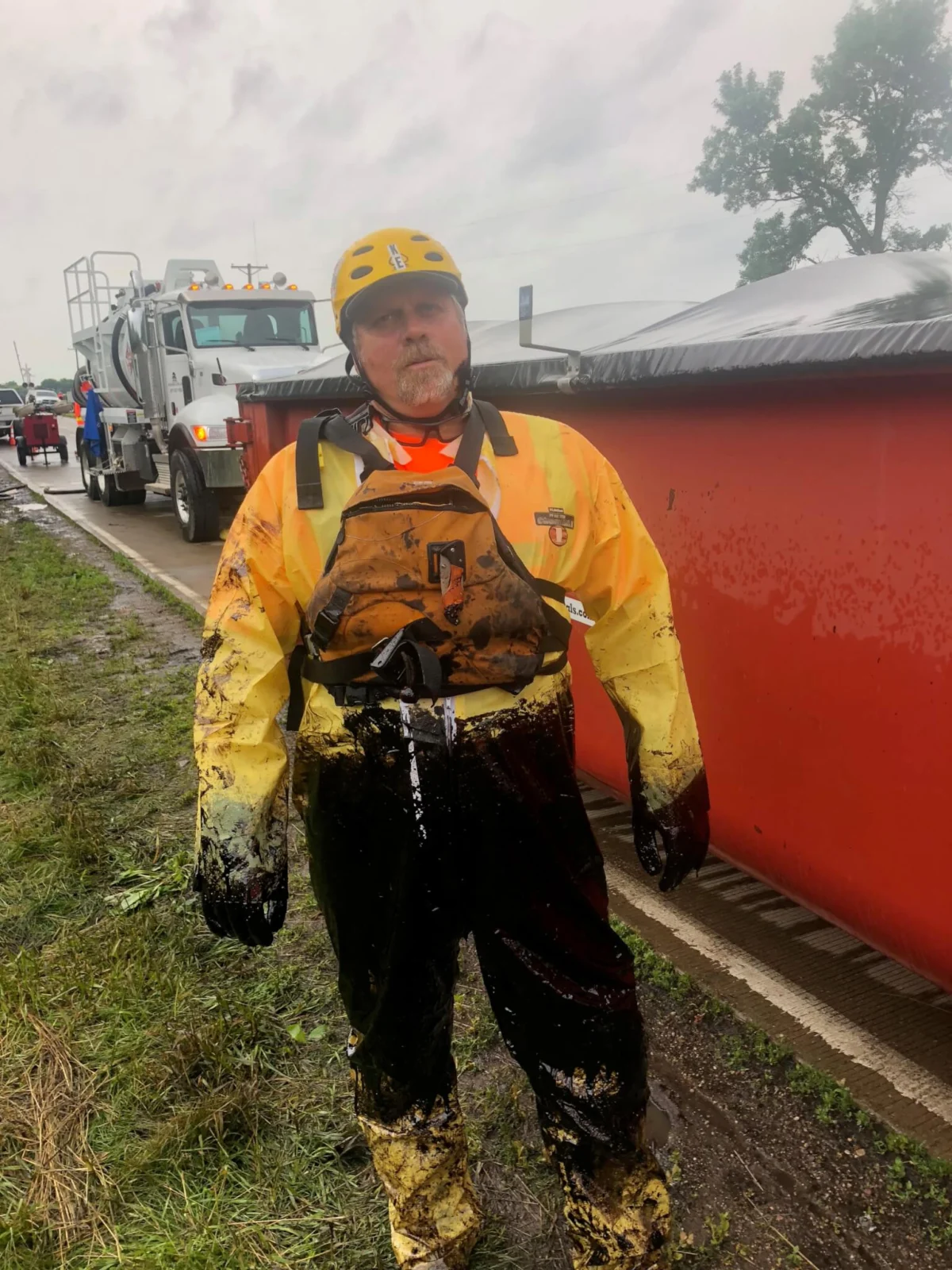
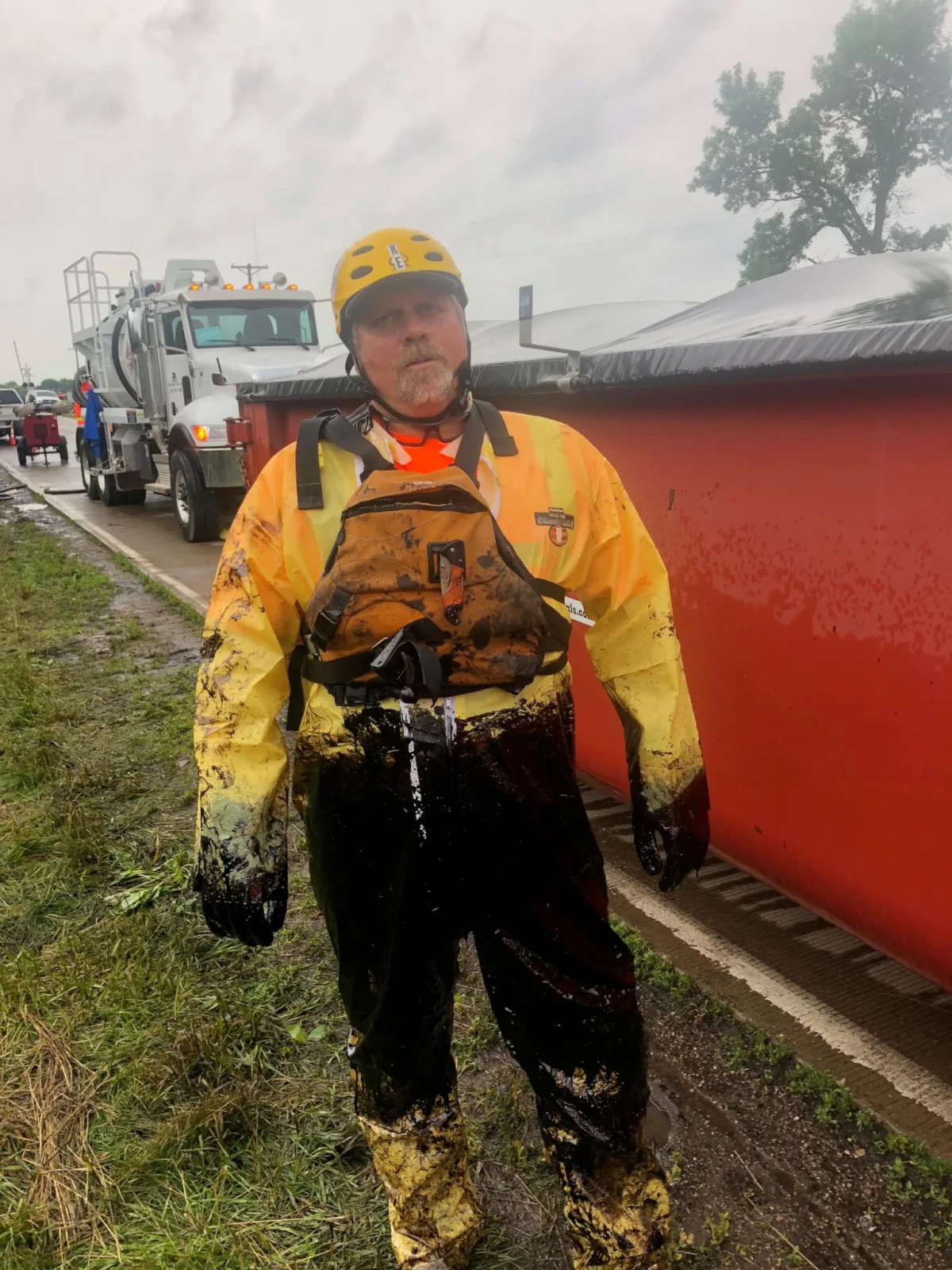
At the Whitewater Rescue Institute, we operate on the belief that skills are perishable. The most dangerous person on the water is the one who took a course ten years ago and believes they are still "qualified." We see this in our spill response trainings, where the stakes involve not just personal safety, but environmental integrity.
We encourage all professionals and enthusiasts to treat every training day as if it were the real thing. The gear, the protocols, and the training are only as good as the mind that executes them. As I look back on the Marañón, I am grateful for the "near-misses." They were the loudest teachers I have ever had.
If you are a professional responder or a serious enthusiast, I urge you to return to the basics. Refresh your skills, challenge your assumptions, and stay humble. The river is waiting, and it does not offer second chances to those who stop learning.

For those interested in maintaining their proficiency, the Whitewater Rescue Institute offers comprehensive courses on the Clark Fork River, covering everything from basic swiftwater and flood rescue to advanced boat operations and fastwater spill response. Our curriculum is built to meet and exceed NFPA standards, ensuring you are prepared for the reality of the river, no matter where in the world your work takes you.
See our current course schedule here
Sam Johnston is a lead guide and instructor at Montana River Guides and a professional responder with WRI. His original account of the Marañón expedition can be read in full at the Downriver Journal.