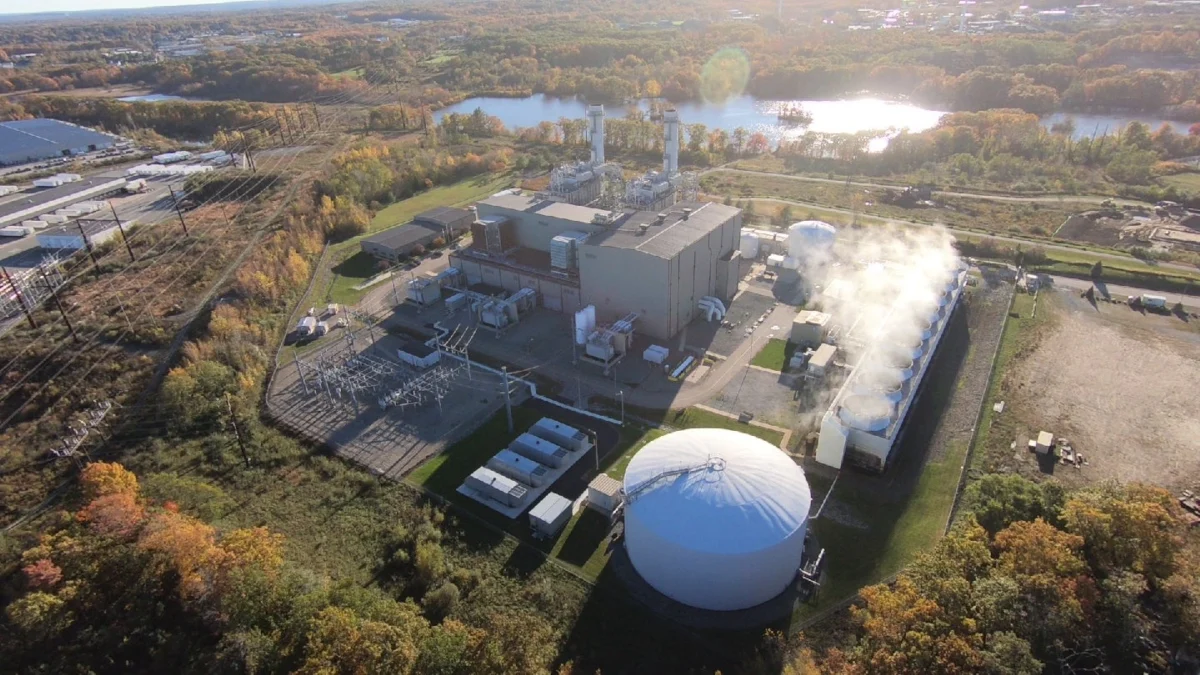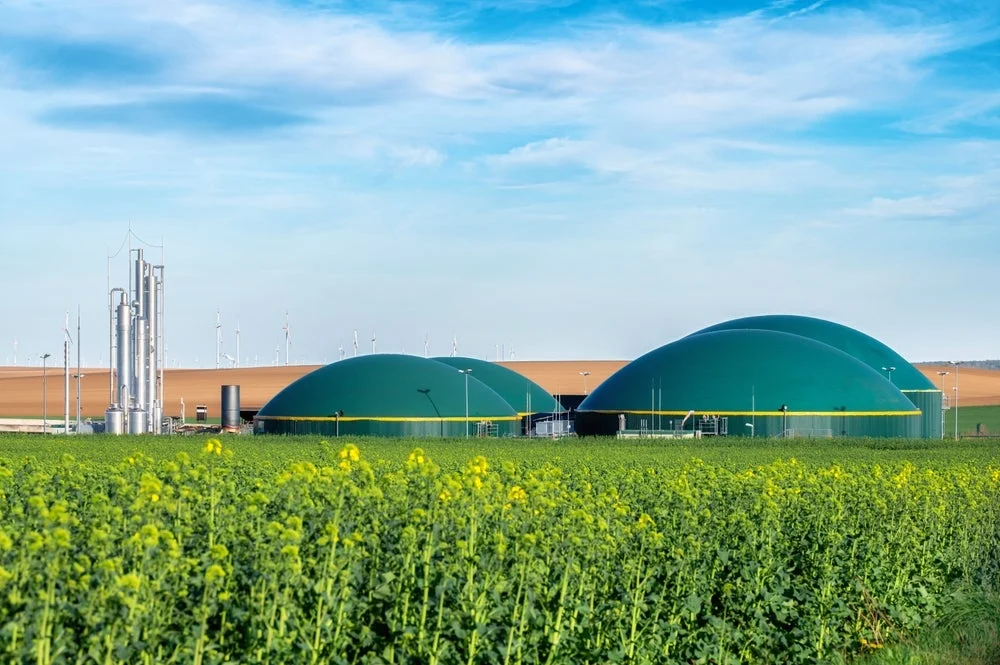
The global transition toward a decarbonized energy economy has reached a critical juncture. As nations scramble to meet the ambitious targets set by the Paris Agreement, the role of traditional baseload power—historically dominated by coal and natural gas—is being radically redefined. Among the most promising, yet complex, alternatives is the rapid scaling of biopower. As technological efficiencies rise and policy frameworks tighten, the biopower market is positioned to aggressively displace fossil fuels, transforming the landscape of global electricity generation.
Main Facts: The Rise of Biopower as a Baseload Competitor
Biopower—the production of electricity from organic materials such as agricultural waste, forest residues, and dedicated energy crops—is no longer a niche player in the energy sector. Unlike solar and wind, which are intermittent, biopower provides a reliable, dispatchable source of renewable energy. This makes it an ideal candidate to replace aging coal-fired power plants.
The core premise of the biopower transition is the utilization of carbon-neutral feedstocks. By converting biomass into energy, utilities can maintain the operational functionality of existing thermal power infrastructure while significantly reducing the net carbon intensity of their output. The integration of Carbon Capture and Storage (CCS) with bioenergy (BECCS) has further elevated the industry, potentially offering a pathway to "carbon-negative" energy production.
Chronology: A Decadal Transformation
The trajectory of biopower has been marked by distinct phases of innovation and adoption:
- 2010–2015: The Pilot Era. Initial efforts focused on co-firing, where biomass was mixed with coal in small percentages. These early experiments proved that existing boilers could handle organic fuel inputs with minimal retrofitting.
- 2016–2019: Policy Realignment. Major economies, particularly in the European Union, began implementing strict carbon pricing mechanisms. This shift rendered coal-to-biomass conversion economically viable for the first time, as the cost of carbon credits began to outweigh the cost of sourcing sustainable wood pellets.
- 2020–2023: Scaling and Supply Chain Optimization. The focus shifted toward massive, industrial-scale conversions. Major utilities in the UK, Denmark, and Japan began full-scale plant transitions. During this period, the logistical backbone of the global wood pellet trade expanded significantly, linking North American and Baltic supply chains to East Asian markets.
- 2024–Present: The BECCS Integration. The current era is defined by the integration of carbon capture technologies. The industry is now moving beyond mere displacement toward active carbon removal, marking the final stage of the transition from a fossil-reliant model to a climate-positive one.
Supporting Data: The Quantitative Case for Displacement
The shift away from fossil fuels is not merely a political aspiration; it is supported by robust data. Current projections from industry analysts suggest that biomass could account for up to 15% of the global renewable energy mix by 2040.
- Energy Density Improvements: Advanced thermochemical conversion technologies, such as pyrolysis and gasification, have increased the efficiency of biomass conversion from 25% to over 40% in modern facilities.
- Cost Parity: As carbon taxes in regions like the EU surpass €80 per tonne, the "levelized cost of energy" (LCOE) for converted biomass plants has reached parity with, or in some cases undercut, the operational costs of coal plants.
- Infrastructure Preservation: Research indicates that repurposing a coal plant for biomass costs roughly 30–40% less than building a new offshore wind farm with battery storage capabilities. This capital efficiency is a primary driver for utilities looking to protect stranded assets.
Official Responses and Regulatory Frameworks
Governments and international bodies have provided a polarized, yet increasingly favorable, reception to the growth of biopower.
The International Energy Agency (IEA) has consistently highlighted that sustainable bioenergy is essential to achieving net-zero scenarios. In recent policy briefings, the IEA emphasized that while biomass provides a necessary solution for baseload power, it must be governed by strict sustainability criteria to ensure that feedstock sourcing does not lead to deforestation.
Conversely, environmental non-governmental organizations (NGOs) have raised concerns regarding the "carbon debt" of burning forest residues. In response, regulators in the European Union have tightened the Renewable Energy Directive (RED III), mandating that only biomass sourced from verified, sustainable forest management practices qualifies for subsidies. This regulatory pressure has forced the industry to adopt blockchain-based traceability, ensuring that every pellet consumed can be traced back to its origin.
Implications: The Macro-Economic and Geopolitical Shift
The displacement of fossil fuels by biopower carries profound implications for the global economy and geopolitical stability.
1. The Decentralization of Fuel Supply
Unlike oil and gas, which are geographically concentrated in specific regions, biomass is globally ubiquitous. This decentralization offers nations a path to energy independence. Countries with significant agricultural sectors—such as Brazil, Vietnam, and parts of Sub-Saharan Africa—are now identifying biomass as a key export commodity, potentially creating a new "Green OPEC" based on organic residues rather than hydrocarbons.
2. Labor Market Transitions
The transition presents a unique opportunity to save jobs in traditional energy sectors. Because biomass power plants rely on thermal turbines and steam cycles similar to those in coal plants, the workforce transition is significantly smoother than shifting to solar or wind. Engineers, plant operators, and grid technicians can be retrained with minimal disruption, preventing the economic hollowing-out of coal-dependent regions.
3. Challenges in Biodiversity and Land Use
The primary risk associated with the scaling of biopower is land-use competition. If mismanaged, the demand for energy crops could displace food production, leading to food insecurity. Therefore, the future of the industry lies in "second-generation" biomass—utilizing waste streams, agricultural residues, and algae rather than dedicated food crops.
Conclusion: A Sustainable Horizon
The displacement of fossil fuels by biopower is not a panacea, but it is an indispensable component of the energy transition. By leveraging existing infrastructure, providing reliable baseload power, and offering a pathway to carbon-negative operations, biopower addresses the most critical limitations of current renewable technologies.
As we look toward the 2030 targets, the success of this transition will depend on two factors: the rigorous enforcement of sustainability standards and the continued integration of carbon capture technologies. For energy providers, the message is clear: the era of burning coal is drawing to a close, and the era of sophisticated, technology-driven biopower has begun.
To stay ahead of these shifts, industry leaders and analysts rely on comprehensive, data-driven insights. By maintaining a professional profile with Power Technology, stakeholders gain exclusive access to real-time market forecasts, deep-dive technical reports on BECCS development, and in-depth analysis of global energy policy shifts. The transition is accelerating—ensure your strategy is informed by the latest industry intelligence.