Nearly seven years after Apple redefined the intersection of consumer electronics and personal finance with the launch of the Apple Card, its primary rival is officially entering the arena. Samsung has announced the upcoming release of the "Galaxy Card," a strategic move aimed at capturing a larger share of the credit card market and deepening the loyalty of its vast user base.
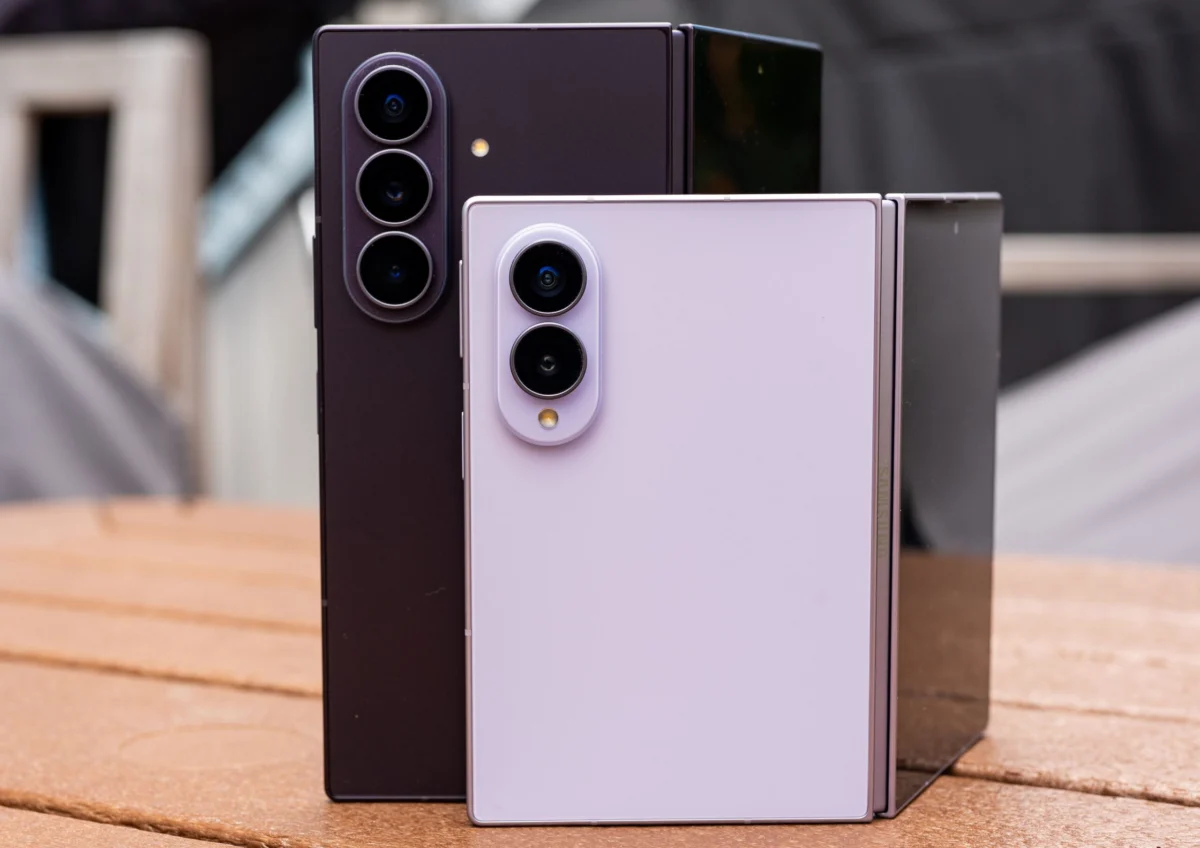
The announcement, timed just 48 hours before Samsung’s highly anticipated second "Galaxy Unpacked" event of the year, signals a significant shift in the company’s services strategy. While the Unpacked event is expected to showcase the latest in folding smartphone technology and next-generation smartwatches, the Galaxy Card represents a move beyond hardware, attempting to lock users into a comprehensive financial ecosystem.
Main Facts: What is the Galaxy Card?
The Galaxy Card is a credit card issued by Barclays and operates on the Visa network. This represents a distinct choice compared to the Apple Card, which is currently transitioning from Goldman Sachs to Chase and operates on the Mastercard network.
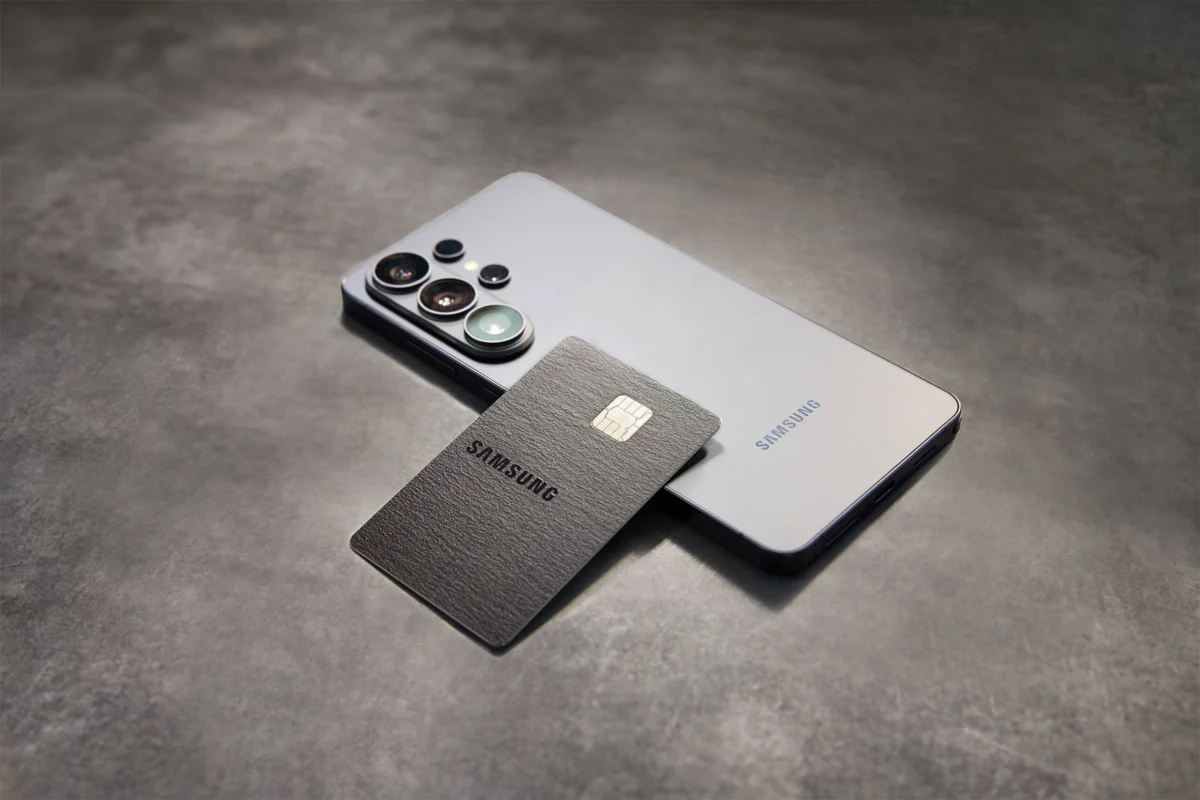
Physically, the card avoids the high-end titanium aesthetics popularized by Apple, opting instead for a sustainable approach: it is crafted from recycled steel. Digitally, the card is designed for deep integration with the Samsung Wallet, allowing users to provision a virtual card immediately upon approval.
Key Financial Incentives
Samsung is leveraging aggressive cash-back tiers to entice consumers:
- 5% Cash Rewards: On all in-store or online purchases made directly through Samsung in the United States.
- 3% Cash Rewards: On all purchases made via the Galaxy Card using Samsung Wallet (tap-to-pay).
- 2% Cash Rewards: On all streaming service subscriptions.
- 1% Cash Rewards: On all other purchases made with the physical card.
The card features no annual fee and no foreign transaction fees, making it a competitive option for travelers and daily spenders. Furthermore, Samsung is offering a welcome bonus of $200 in cash rewards for cardmembers who spend $2,000 within the first 90 days of account opening. Cardholders will also receive a 20% discount on Samsung’s "VIP Advantage" membership, which provides extended device protection, priority customer support, and access to exclusive product deals. Applications for the card are set to open on July 22.
A Chronological Perspective: The Evolution of "Tech-Fin"
The integration of credit cards into the tech giants’ portfolios did not happen overnight. To understand the Galaxy Card’s arrival, one must look at the timeline of digital wallet evolution:
- 2014: Apple launches Apple Pay, signaling the beginning of the end for the physical wallet.
- 2019: Apple debuts the Apple Card, shifting from a payment processor to a financial issuer partner, focusing on privacy and minimalist design.
- 2020–2023: The "Wallet" era accelerates. Samsung, Google, and Apple refine their respective wallet apps to include digital IDs, boarding passes, and eventually, integrated credit lines.
- 2026 (January): A major industry shift occurs as the Apple Card transitions from Goldman Sachs to JPMorgan Chase, highlighting the complex, evolving relationships between tech companies and traditional banking institutions.
- July 2024: Samsung announces the Galaxy Card, signaling that the "hardware-plus-financial-services" model has become a requirement for mobile market dominance.
Supporting Data and Market Strategy
Industry analysts view the Galaxy Card not as a revolutionary financial instrument, but as a calculated effort to increase "stickiness" within the Android ecosystem.
Brian Riley, Director of Credit Advisory Services at Javelin Strategy & Research, notes that credit cards have largely become a commodity. "Cards are basically a commodity at the end of the day; how you differentiate them is really what makes the difference," Riley explains. "That’s really the big deal here—how you use your card."
According to market data, the average American household manages three to four credit cards: one for everyday spending, one for emergencies, and one for specific categories like travel or retail rewards. Samsung’s strategy is to position the Galaxy Card as the "daily driver" for the millions of users already deeply invested in the Samsung ecosystem.
However, the strategy faces a potential hurdle: the "revolving balance" trap. Riley warns that the allure of rewards often leads consumers to overspend. "One of the big challenges here on rewards is that quite often, you go in well-intentioned and you don’t get the full benefit of the rewards because you start revolving on the product," he says. When interest charges accrue on unpaid balances, the value of the 3% or 5% cash-back is effectively erased, turning a "rewards" tool into a debt burden.

The "Ecosystem Trap": Cross-Platform Compatibility
A point of contention for potential users is the exclusivity of the Samsung Wallet. Currently, the app is restricted to Samsung smartphones and smartwatches. If a user decides to switch to a different brand—such as a Google Pixel or an iPhone—they lose the "tap-to-pay" convenience and the associated 3% reward rate.
Samsung clarifies that the physical Galaxy Card is not restricted to Samsung device owners. Anyone can hold and use the card, managing their account through a dedicated BarclaysUS.com online portal. This mirrors the behavior of the Apple Card, which allows former iPhone users who switch to Android to keep their accounts active via a web portal, albeit without the native Apple Wallet interface or the associated daily cash benefits.
Expert Analysis: Is It Enough?
Sara Rathner, a credit card expert at NerdWallet, suggests that the Apple Card—and by extension, the Galaxy Card—may be overhyped as a "world-changing" innovation.
"The Apple Card is far from the iPhone in terms of changing the world," Rathner notes. "It’s fine; it’s a cash-back card." However, she acknowledges that the 3% rewards rate for mobile wallet usage is a compelling value proposition. "If you tap-to-pay at a subway turnstile with Samsung Wallet, that’s 3% on every commute. That would be compelling for the average urban commuter."
Rathner argues that these cards serve a singular purpose: brand reinforcement. Much like travel points incentivize booking with a specific airline or hotel chain, these cards incentivize the use of specific hardware. If a consumer is accustomed to earning points within the Samsung Wallet, they are mathematically less likely to switch to a competing smartphone brand, as doing so would disrupt their rewards-earning habits.
Implications for the Future of Credit
While the Galaxy Card may not disrupt the banking industry overnight, it pushes the "tech-fin" trend forward. Apple’s original innovation—showing interest rates and credit qualifications before a hard credit pull, real-time rewards, and intuitive app design—has set a new standard for customer expectations.
As Samsung enters the market, competitors are forced to keep pace. Whether it is better UI, faster reward processing, or more integrated device protection, the consumer benefits from a race to the top.
"I think if other cards want to compete in that way and also follow suit with those features, I think that just makes credit cards in general better products for consumers," says Rathner.
Ultimately, the Galaxy Card is a test of loyalty. It asks the consumer to weigh the value of 3% cash-back and extended device warranties against the freedom to move between smartphone ecosystems. For the "card-maxxer"—the consumer who meticulously optimizes every transaction—the Galaxy Card will likely find a home in their wallet. For the general public, it remains to be seen if a branded credit card is enough to keep them tethered to the Samsung Galaxy brand for the long haul.
As the July 22 application date approaches, the financial sector will be watching closely to see if Samsung can translate its massive device user base into a thriving financial services community. For now, the "Wallet Wars" have officially added a new, formidable combatant.