The Canadian Rockies are synonymous with pristine wilderness, but for the discerning angler, the true magic lies in the foothills—specifically along the Blackstone River. A winding ribbon of cold, clear water situated northwest of Nordegg, Alberta, the Blackstone represents a quintessential foothill trout stream. It is a place where the landscape remains largely untamed, and where the elusive Bull Trout, a species often associated with deep, inaccessible lakes, demonstrates an uncharacteristic willingness to rise for a dry fly.
The Morning Ritual: Setting the Stage
It was barely 6:00 AM when the transition from a restless sleep to the biting chill of the Alberta foothills occurred. The air temperature, hovering near 30 degrees Fahrenheit, acted as a sharp wake-up call, amplified by the discomfort of a sleeping pad that had failed to hold its position on the uneven gravel bar.
The previous night had been a blur of logistics; arriving at 10:00 PM, the party had navigated the Forestry Trunk Road in the dark, pitching camp in a frantic, clumsy race against the setting sun. As dawn broke over the Blackstone, the mission was clear. My companion, a notoriously late riser, was still tucked away in his sleeping bag. Recognizing that the best fishing hours of the morning were ticking away, I initiated an intentionally loud "morning routine." Pots clattered, gear was rustled, and the silence of the forest was punctured by the sounds of preparation. It was a calculated strategy—and one that worked, forcing a begrudging start to the day.
The Geography and Ecology of the Blackstone
The Blackstone River begins its journey in the rugged front ranges of the Canadian Rockies. It carves a path through the rolling foothills, eventually merging with the larger Brazeau River system. By most technical standards, the Blackstone is a modest waterway, averaging roughly 20 meters in width. It is not defined by violent whitewater or deep, murky currents, but rather by its steady, rhythmic flow and remarkable clarity.
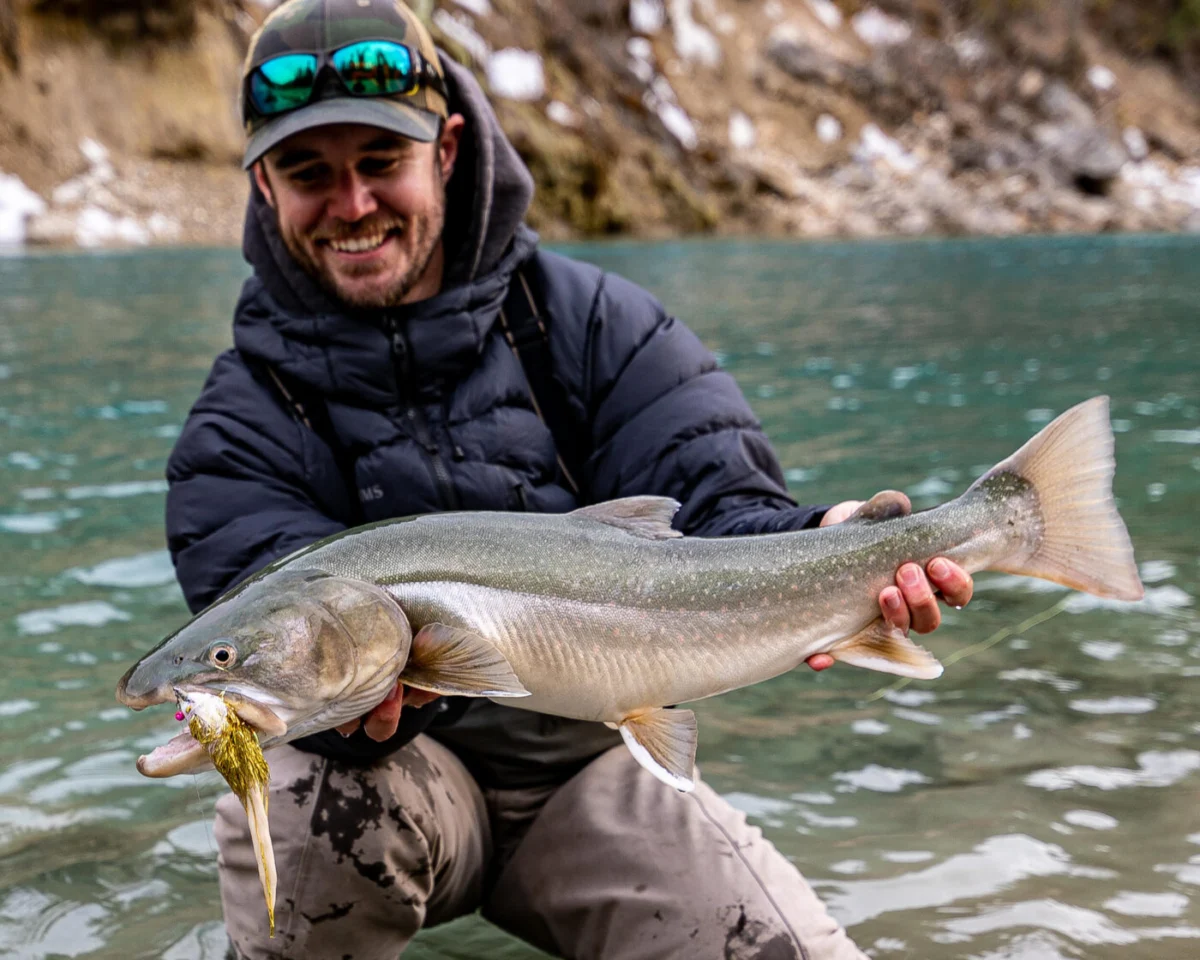
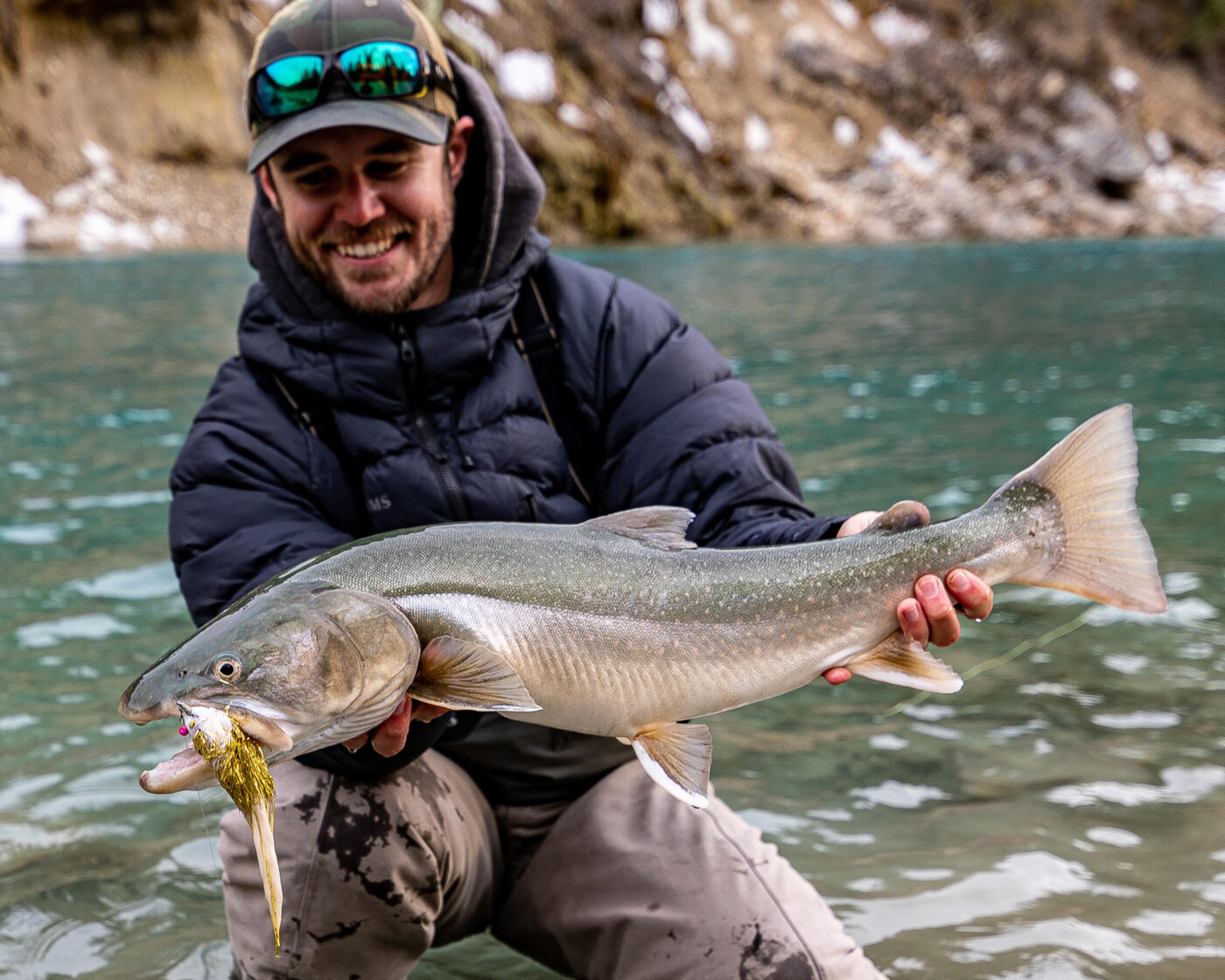
For anglers, the river serves as a sanctuary for diverse salmonid species. However, it is the Bull Trout (Salvelinus confluentus) that draws the most attention. In his seminal, albeit aging, guidebook, renowned angling author Barry Mitchell famously identified the Blackstone as one of only two rivers in Alberta where Bull Trout exhibit the rare behavior of rising to a dry fly. While modern anglers might debate the exclusivity of this claim, experience confirms that the Blackstone is indeed a rare theater for this spectacle. Having a substantial, aggressive Bull Trout shatter the surface tension to strike a dry fly is an adrenaline-fueled experience that defies the traditional "bottom-feeder" reputation of the species.
Gear, Flies, and Tactical Minimalism
Successful fly-fishing is often a exercise in minimalism. Years of carrying an exhaustive, heavy collection of flies have taught a valuable lesson: volume does not equate to success. For this excursion, the kit was pared down to the essentials.
The Arsenal
- The Rods: I carried a 9-foot, 5-weight Echo Carbon XL, paired with a reliable Redington Crosswater reel. It is a setup that strikes a balance between affordability and performance. My brother utilized a Cabela’s store-brand 5-weight rod, originally packed as an emergency backup, paired with a vintage Okuma reel. Despite the lack of high-end branding, the gear proved more than capable of handling the river’s conditions.
- The Fly Selection: We focused on three distinct categories:
- Standard Dries: Patterns designed to mimic the hatches common to Alberta foothills.
- Bead-Head Nymphs: Utilized for targeting fish holding in deeper, cooler runs.
- Big Terrestrials: Essential for drawing out aggressive, predatory fish like the Bull Trout.
Chronology of the Expedition
The morning began with an hour of relative silence from the water. We worked our way downstream, covering promising runs without a single strike. The frustration began to mount until we rounded a bend to discover a pool that seemed designed for a postcard—a deep, slow-moving basin with clear visibility to the riverbed.
Observing the water, the tell-tale rings of rising fish appeared. "They’re feeding at the surface," I noted, setting a tactical plan. "We’re going to cycle through patterns until we find the key."
We began with a Red Humpy and a Stimulator. When these failed to produce, we pivoted to a Pale Morning Dun. Before I could even reach for a new fly from my box, a shout of "Got one!" echoed across the water. My brother had connected. We scrambled to the shallows to land the catch, only to realize, in a moment of classic oversight, that we had left the landing net back at camp. Despite the lack of equipment, we managed to secure a stunning, near 20-inch Cutthroat trout. It was a vibrant, healthy specimen that was released immediately.
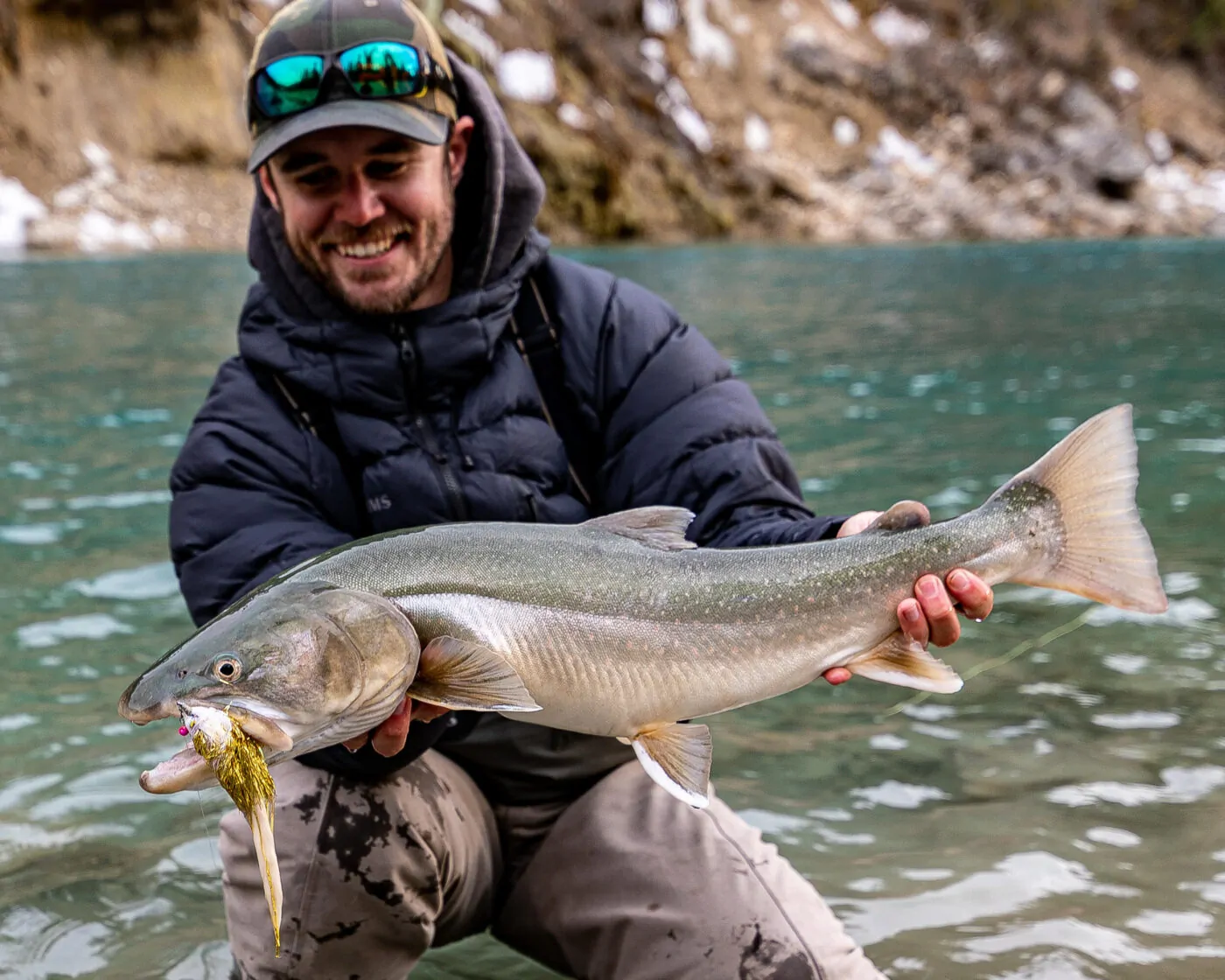
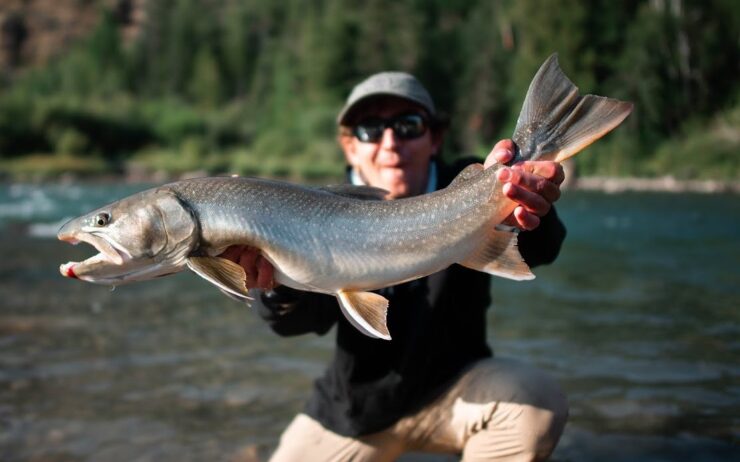
With my brother holding the upper pool, I moved to the tail-end. As the sun began to climb, warming the air and triggering insect activity, I decided to test the "dry fly" hypothesis for Bull Trout. I opted for a "Fat Albert"—a large, buoyant terrestrial pattern. Recalling the aggressive nature of Bulls, I treated the fly like a small lure, letting it drift before giving it a subtle twitch. The response was immediate and violent. A large Bull Trout surged upward, slamming the fly with an intensity that is rare in dry-fly fishing.
Implications for Conservation and Ethics
The Bull Trout is a sensitive species in Alberta, currently listed under various provincial recovery plans due to habitat fragmentation and historical overfishing. While the opportunity to catch them on a dry fly is a highlight for many anglers, it carries significant ethical weight.
The use of barbless hooks is not just a recommendation; it is a necessity for those who wish to preserve these populations. Furthermore, the absence of a landing net—as we discovered—leads to prolonged handling times, which can be detrimental to the fish’s health. The "catch and release" culture must be coupled with best practices: minimizing air exposure, avoiding contact with dry hands, and ensuring the fish is fully revived in current before being released.
The Verdict on the Blackstone
The Blackstone River remains a hidden gem in the Canadian angling landscape. It offers a rare intersection of accessibility and high-reward fishing. While it requires patience and a willingness to adapt one’s tactics, the river rewards those who respect its currents and its inhabitants.
As the sun settled and the gear was packed, the takeaway was clear: whether you are hunting the aggressive Bull Trout or the beautiful Cutthroat, the Blackstone provides an intimate experience with the wilderness. Just remember the fundamental lesson of our trip: enjoy the fishing, trust the dry fly, but for the sake of the fish and your own peace of mind, never, ever leave your net behind.