For the dedicated angler, the wilderness is more than just a backdrop—it is a sanctuary. However, the intersection of long-distance hiking and fishing presents a unique logistical challenge: how to carry a reliable, high-performance rod without compromising the integrity of a minimalist pack. As an avid outdoorsman, I have spent years refining my gear, learning that the right backpacking fishing rod is the difference between a frustrating trek and the sheer joy of discovering untouched alpine lakes and hidden river bends.
The market for portable fishing gear has expanded significantly, offering everything from ultra-compact telescoping poles to high-fidelity, multi-piece fly rods. Choosing the right one can feel daunting, but it is a pivotal decision for any backcountry adventurer. This guide serves to demystify the selection process, analyze top-tier options, and provide a roadmap for your next expedition.
The Evolution of Portable Angling: A Chronology of Innovation
The history of the "travel rod" is a story of material science and engineering refinement. Historically, anglers were forced to choose between the fragility of early glass-fiber rods or the cumbersome nature of solid, single-piece equipment.
- The Early Era: Fishing rods were primarily bamboo or solid wood, which were difficult to transport through dense wilderness.
- The Carbon Revolution: The introduction of carbon fiber and graphite in the late 20th century transformed the industry. These materials allowed for the creation of multi-piece, high-sensitivity rods that could be broken down into sections under 24 inches.
- The Modern Micro-Gear Era: Today, we see a fusion of space-age materials and ergonomic design. Telescopic rods, which once carried a reputation for being flimsy, now feature high-density carbon composites, making them a staple for the modern ultralight backpacker.
Top-Rated Rods for the Discerning Backpacker
To ease your decision-making process, I have curated a list of the most reliable, field-tested rods currently available. These selections are based on a synthesis of my personal experience, peer recommendations, and technical performance metrics.
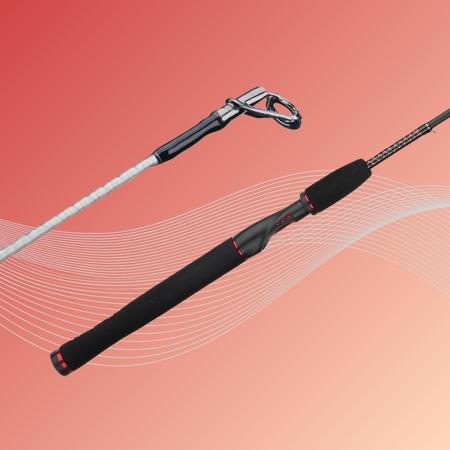
1. Ugly Stik GX2 Spinning Rod
The Ugly Stik GX2 is a masterclass in durability. Its signature Clear Tip design provides sensitivity for small catches like bluegill, while the reinforced backbone handles larger species with ease.
- Versatility: Ideal for ponds, lakes, and rivers.
- Portability: Collapses into a compact form factor that is a dream for travel.
- The Verdict: While it is limited to reels under 4000, its affordability and "workhorse" reputation make it an essential entry for both novices and veterans.
2. PLUSINNO Fishing Rod and Reel Combo
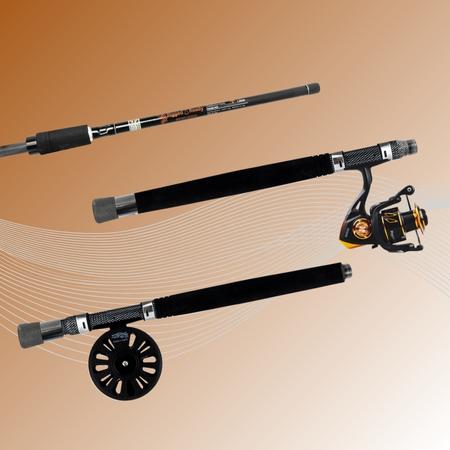
This unit is the definition of convenience. It is a telescopic system that comes as a complete kit, including lures and a carrier bag.
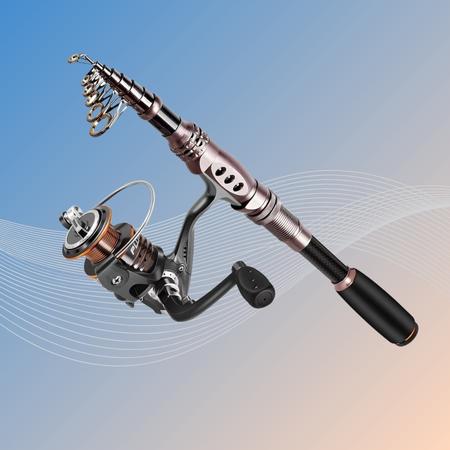
- Performance: The reel operates with a surprising, fluid silence.
- Consideration: Because it is built for ruggedness, it has a bit of "heft" when fully extended, which may fatigue the arm during all-day fishing sessions.
3. Piscifun Sword Fly Fishing Rod
This remains my personal top pick for the serious backpacker. It breaks down into four pieces and comes with a durable PVC tube.
- Technical Edge: The high-quality ceramic guides ensure smooth, precise casting.
- Value: It is rare to find this level of craftsmanship at such a modest price point. It functions as a precision instrument that handles as well as rods costing triple the price.
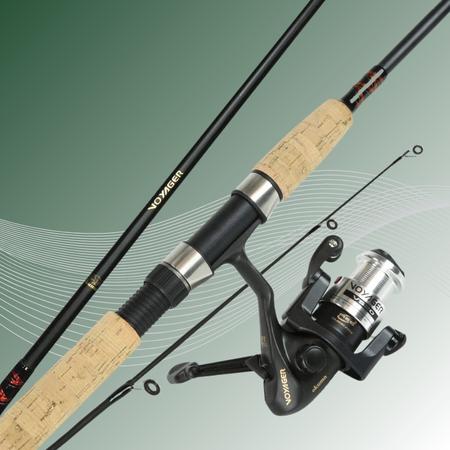
4. Okuma Voyager Spinning Travel Kit
The Voyager is designed for the wandering angler who values a "grab-and-go" solution. It comes with a functional case and a reel that holds its own in freshwater environments. It is resilient, though perhaps less specialized than high-end carbon fiber counterparts.
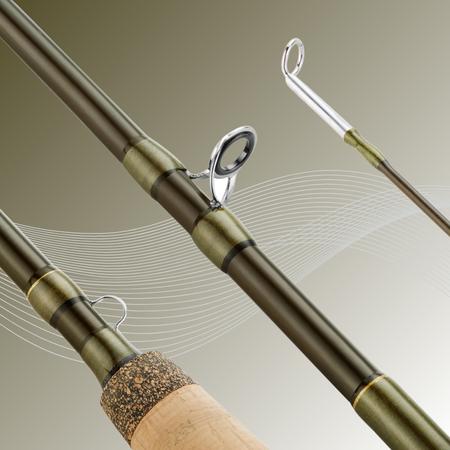
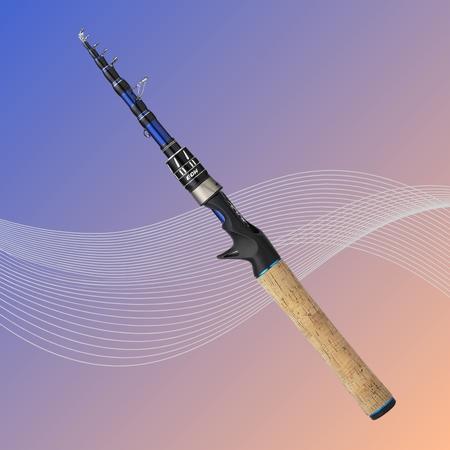
5. EOW XPEDITE Telescopic Rod
Utilizing a carbon fiber and E-Glass composite, this rod offers a lightweight feel without sacrificing strength. It has proven its worth across diverse environments, from high-altitude lakes to coastal shores.
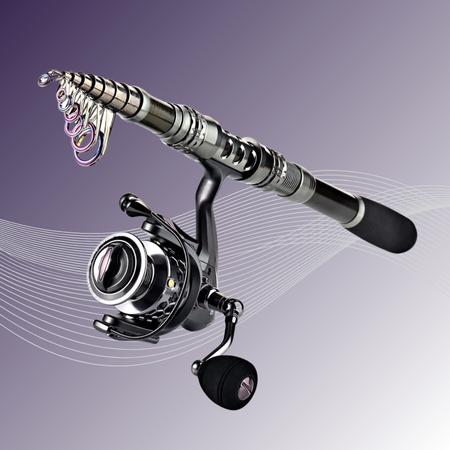
6. Sougayilang Telescopic Rod
A strong contender for the "all-in-one" kit enthusiast. It features SIC ceramic guide rings and epoxy-secured components, ensuring it stands up to the wear and tear of long-distance trekking.
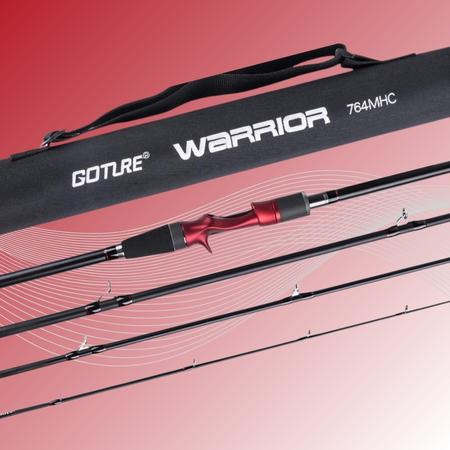
7. Goture XCEED Travel Fishing Rod
The XCEED is a standout for its 30-ton carbon matrix construction. It offers a 10% increase in strength per section, providing a heightened sense of connection between the angler and the lure.
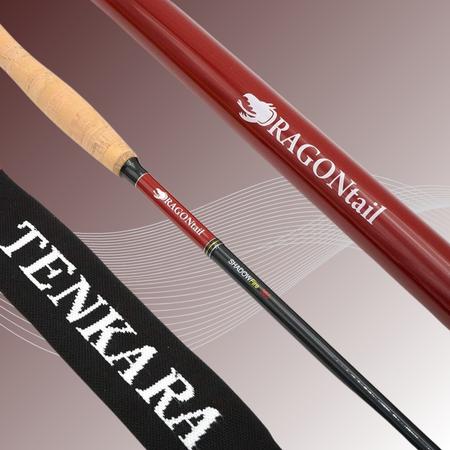
8. DRAGONtail Shadowfire 365 (Tenkara)
Tenkara fishing is the ultimate in minimalist backpacking. With no reel and a simple, fixed-line setup, the Shadowfire 365 is a 12-foot rod that collapses to under 24 inches. It is perfect for those who want to focus on the art of the cast.
9. X5 Travel Fishing Combination
A high-performance option for those who demand speed and agility. Its integrated reel protection makes it one of the most durable choices for deep-wilderness travel where gear is subjected to constant impact.
Supporting Data: Understanding Rod Specifications
When navigating these options, understanding the technical jargon is essential for ensuring your equipment matches your environment.
| Feature | Importance |
|---|---|
| Action | Defines where the rod bends. Fast action (tip-heavy) is best for sensitivity; Slow action (grip-heavy) is best for heavy fish. |
| Power | The "backbone" or resistance of the rod. Ranges from Ultra-Light to Ultra-Heavy. |
| Material | Graphite/Carbon fiber provides the best balance of strength-to-weight ratio. |
Official Perspectives: The Philosophy of Minimalist Fishing
Industry experts emphasize that the "best" rod is the one that actually makes it into your pack. According to design engineers in the fishing industry, the trend is moving toward "modular integrity"—meaning that the joints of multi-piece rods are now so precisely engineered that they mimic the action of a single-piece rod, removing the "dead spots" that plagued travel rods of the past.
Furthermore, environmental organizations highlight that using specialized, compact gear allows anglers to reach remote waters that are less pressured by commercial fishing, thereby protecting local ecosystems by spreading the impact across a wider geographical range.
Implications for the Future of Wilderness Angling
The rise of high-quality backpacking rods has significant implications for conservation and outdoor recreation. By enabling anglers to reach remote alpine environments, these tools foster a deeper appreciation for water quality and habitat preservation. However, this also requires a greater commitment to "Leave No Trace" principles.
As technology continues to advance, we can expect to see even lighter, more resilient materials—potentially incorporating nanotechnology into rod blanks to increase tensile strength while reducing weight to mere ounces. For the modern angler, the future is bright, lightweight, and incredibly mobile.
Final Words: Making Your Selection
Whether you are a seasoned pro looking to shave ounces off your base weight or a beginner eager to learn the ropes of wilderness fishing, the market currently offers an unprecedented level of quality.
If you prioritize speed and simplicity, look toward the Tenkara systems like the DRAGONtail. If you need a versatile, all-purpose setup for a week-long trek, the Piscifun Sword or the Ugly Stik GX2 will serve you faithfully. The most important step is not in the transaction, but in the application—getting out into the wild, finding that quiet, untouched stream, and casting your line.
Happy fishing, friends, and may your next adventure be your most rewarding one yet.
About the Author
Adelaide Gentry is a seasoned kayaking enthusiast and wilderness expert. With over a decade of experience navigating the world’s most challenging waterways, she provides deep, practical guidance for adventurers of all levels. Her work is dedicated to the intersection of high-performance gear and the preservation of our natural spaces.