For decades, the piranha has occupied a central role in cinematic terror, depicted as a swarming, razor-toothed menace capable of stripping a carcass to the bone in seconds. However, for the indigenous populations of the Amazon Basin and the Orinoco, the piranha is not a movie monster—it is a staple of the local diet. Far from being a creature of nightmares, the piranha is a nutritious, firm-fleshed fish that has sustained river-dwelling communities for centuries.
But can you actually eat them? The answer is a resounding yes. If you are an adventurous traveler or a curious angler, understanding how to transition from the myth of the man-eater to the reality of the dinner plate requires navigating a complex intersection of biology, food safety, and local culture.
The Reality of Piranha as a Food Source
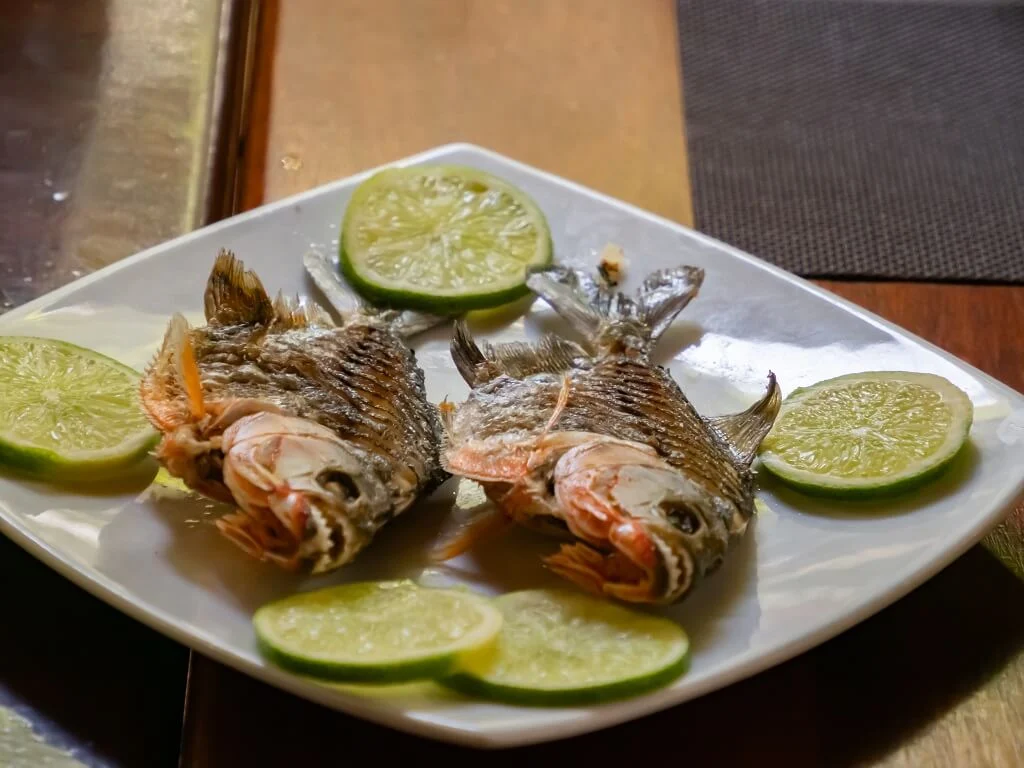
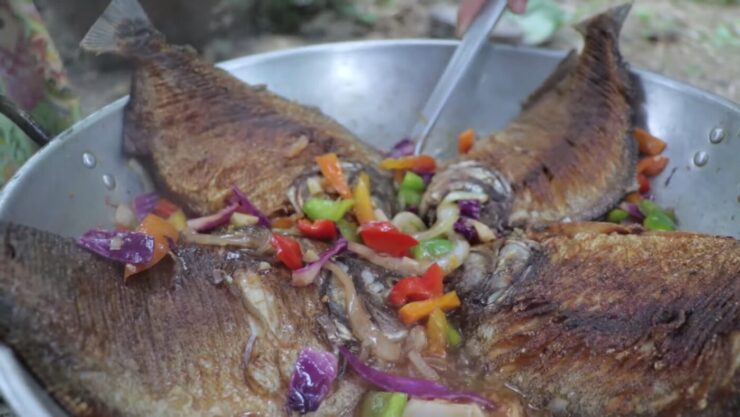
In the remote reaches of South America, piranha is far from exotic; it is an everyday protein source. Whether grilled over an open flame, deep-fried to a crisp, or slow-simmered into a hearty, aromatic soup, the fish is highly regarded for its texture. It is a freshwater fish with firm, white meat that holds its structure well under high heat.
However, its reputation in Western culinary circles remains clouded by its ferocious public image. In the United States, Canada, and much of Europe, piranha is not a commercial commodity. You will not find it at your local supermarket seafood counter. For most, the opportunity to eat piranha is limited to guided fishing expeditions in the Amazon or local markets in South American river towns.
Chronology: From Predator to Protein
The relationship between humans and piranhas has evolved significantly. Historically, indigenous peoples viewed these fish as a reliable resource during both the high-water and low-water seasons. Fishing techniques—ranging from hand-held lines to elaborate basket traps—were refined over generations.
- Pre-Colonial Era: Indigenous groups in the Amazon utilized piranha as a secondary protein source, often drying or smoking the fish to preserve it for travel.
- Early Exploration: European explorers arriving in the 16th and 17th centuries were the first to record the "ferocity" of the fish, often exaggerating their behavior to create tales of survival in the "green hell" of the jungle.
- 20th Century Media: The release of films like Piranha (1978) cemented the species in the public consciousness as a deadly predator. This period saw a massive gap emerge between the local culinary reality and the global perception of the fish.
- Modern Ecotourism: As the Amazon opened to global travel in the late 20th and early 21st centuries, "catch-and-cook" piranha excursions became a cornerstone of jungle tourism. This has served as the primary bridge for Westerners to sample the fish in a safe, controlled environment.
What Does Piranha Actually Taste Like?
If you were to sample a perfectly prepared piranha, you might be surprised by its palatability. At its best, the meat is clean, mild, and distinctly "fresh." Because it is a predatory fish, its flavor profile can fluctuate based on the specific waterway in which it was caught.
- Flavor Profile: The taste is often described as a cross between trout and sea bass. In cleaner, faster-moving waters, the meat is sweet and delicate. In stagnant or muddy river sections, the fish can sometimes take on an earthy or "muddy" undertone.
- The Texture Challenge: The primary obstacle for the novice diner is the bone structure. Piranhas are notoriously bony, with small, intricate rib bones that make filleting difficult. Because of this, locals rarely bother with traditional fillets. Instead, the fish is often scored deeply before being fried or boiled in a soup, which allows the diner to navigate the bones with greater ease.
Taste Summary Table
| Feature | Expectation |
|---|---|
| Flavor | Mild to moderately fishy; depends on water quality |
| Texture | Firm, white, and flaky |
| Bone Density | High; requires careful consumption |
| Culinary Style | Best suited for frying or slow-simmering |
| Target Audience | Adventurous eaters and those familiar with whole-fish prep |
Food Safety and Official Guidelines
The piranha is not poisonous, but like any wild-caught freshwater fish, it carries specific risks that must be mitigated through proper handling and cooking. The primary safety concerns revolve around contamination and spoilage.
The 145-Degree Rule
According to the USDA and FoodSafety.gov, the standard for all fish is an internal temperature of 145°F (63°C). At this temperature, the flesh becomes opaque and flakes easily with a fork, signaling that any potential parasites—which can inhabit wild fish—have been neutralized.
Mercury and Environmental Contaminants
Because piranhas are often higher up the food chain than smaller forage fish, they can accumulate mercury and other environmental pollutants. Before consuming fish from any wild waterway, it is essential to consult local environmental agency advisories. The EPA emphasizes that fish consumption should be based on local water quality reports, particularly in mining-heavy regions of South America where mercury runoff is a genuine concern.
The Myth vs. The Animal: Why the Reputation?
The "man-eater" reputation of the piranha is largely a product of 20th-century sensationalism. While they possess sharp, triangular teeth designed to shear flesh, they are not the mindless killers portrayed in cinema.
Biologists from the Britannica and other reputable scientific sources note that many piranha species are actually scavengers or even omnivores, feeding on seeds, fruits, and insects. Attacks on humans are rare and usually occur only when the fish are stressed, such as when water levels in the Amazon drop to extreme lows, crowding thousands of fish into small, food-scarce pools. In these scenarios, the fish may nip at human skin, but these incidents are almost always provoked by human presence in high-stress, low-water conditions.
Handling and Preparation: A Guide for the Angler
If you catch a piranha, the danger is not in the eating; it is in the landing. The jaw mechanism of a piranha is incredibly powerful, and their teeth are sharp enough to slice through fishing line or human skin with ease.
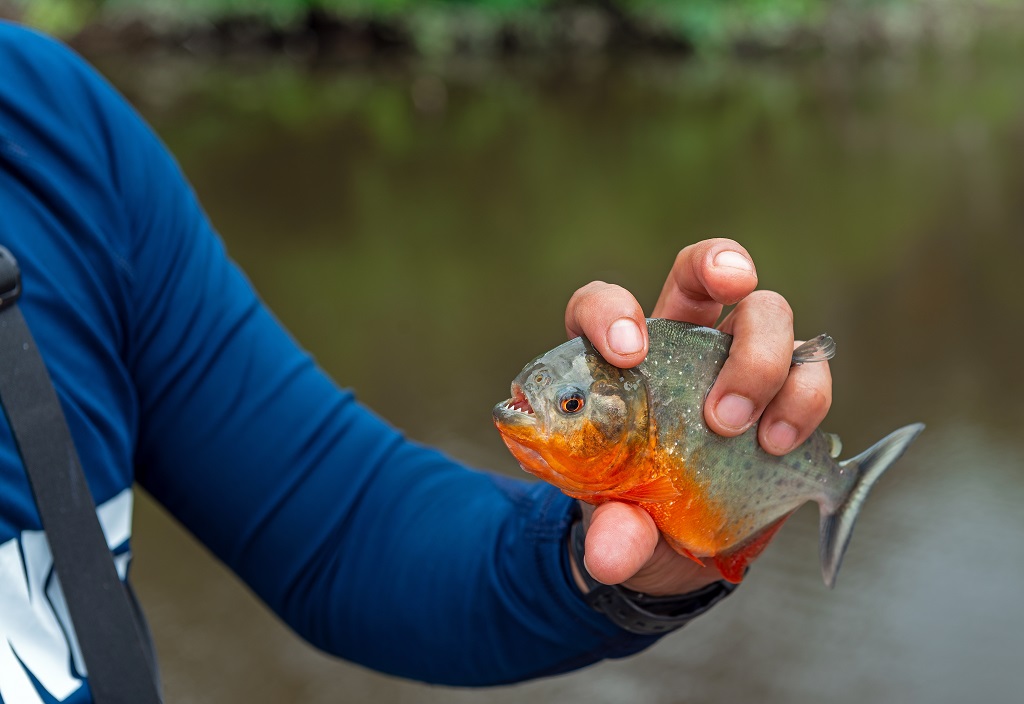
Safety Protocols for Anglers
- Never use your fingers: Always use long-nosed pliers or a specialized hook remover to extract the hook from the mouth.
- Secure the catch: Keep the fish in a net or a secure container. Do not allow the fish to flop around the bottom of a boat or kayak, where it could easily bite a bare foot.
- The "Clean-First" Rule: Gut the fish immediately after dispatching it. Removing the viscera quickly prevents the "muddy" flavor from permeating the meat and keeps the fish fresh.
Cooking Methods
- Frying: The most popular method. Scoring the skin allows the hot oil to penetrate and crisp the small bones, making them brittle and easier to avoid.
- Soup (Caldo de Piranha): A traditional Amazonian dish. By boiling the fish with aromatic vegetables, garlic, and lime, the collagen in the bones dissolves into the broth, creating a rich, nutrient-dense soup.
- Grilling: Best for larger specimens. If the fish is cleaned properly, it can be grilled over wood smoke, which masks any remaining "river" flavor.
Implications: Can You Eat Piranha Outside of the Amazon?
For the vast majority of readers, eating piranha is an experience tied to travel. Attempting to source piranha in the U.S. or Europe is fraught with legal and environmental risks. Many countries have strict regulations regarding the importation of live or non-native fish to prevent the introduction of invasive species.
If you find piranha on a menu in a non-native country, exercise caution. It is likely a frozen import, and the quality may be significantly lower than that of fresh-caught fish. The "bottom line" is simple: Piranha is a regional delicacy that is best enjoyed in its natural habitat, prepared by local cooks who understand the nuances of the species.
Conclusion
The piranha is a victim of its own PR. By moving past the horror-movie tropes, we find a versatile, flavorful, and culturally significant food source. It is not a fish for the faint of heart, nor is it a convenient meal for the average suburban kitchen. However, for those who respect the water, follow local regulations, and understand the necessity of proper preparation, the piranha is a unique culinary experience that offers a true taste of the Amazon.
Whether you are a seasoned angler or a curious traveler, remember that the most dangerous part of a piranha is not the bite—it is the potential for misinformation. Treat the fish with respect, prioritize food safety, and you may find that the "scariest" fish in the river is, in fact, one of the most delicious.